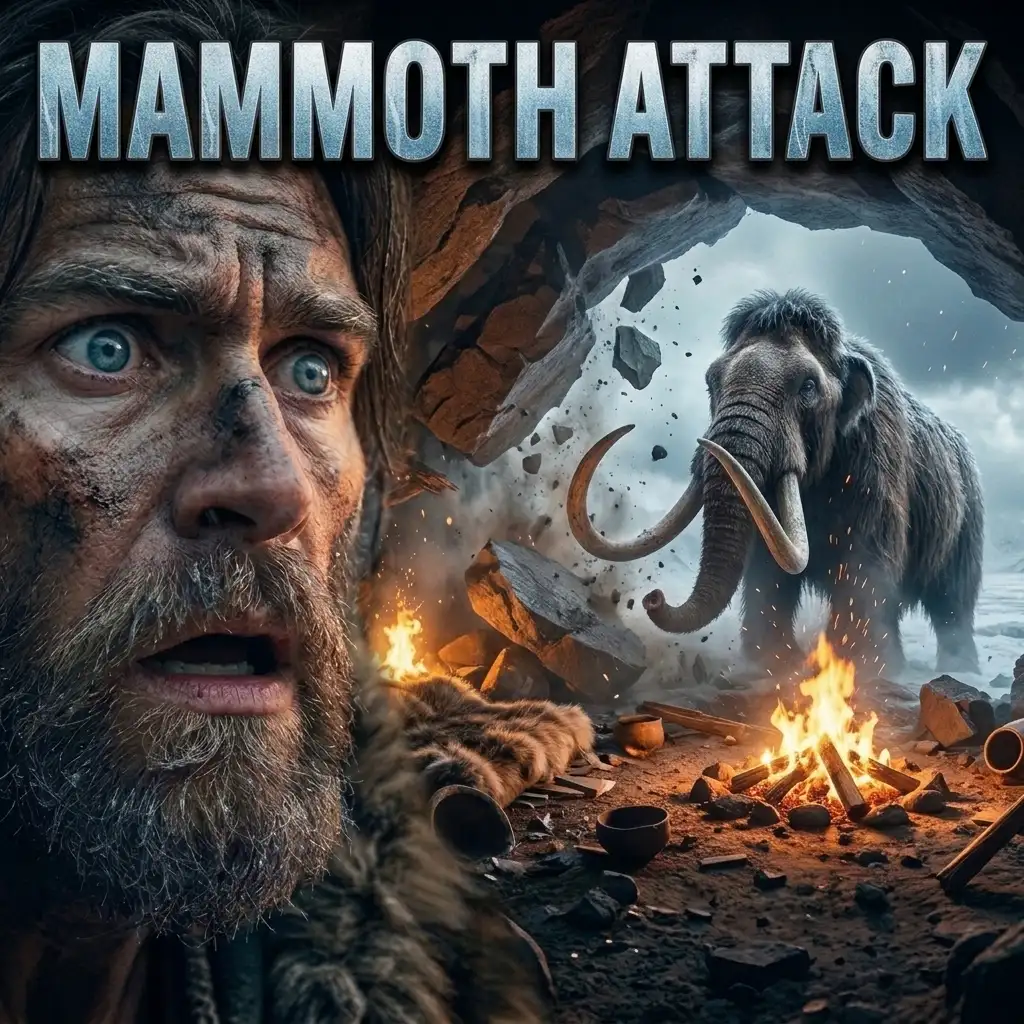
Ice Age Survival: True Stories from the Frozen Wilderness presents a chilling yet deeply human exploration of individuals who have faced and overcome the brutal realities of extreme cold. This documentary, far from being a mere scientific treatise on paleoclimatology, delves into the personal narratives of survival, weaving together historical accounts, scientific insights, and dramatic reenactments to paint a vivid picture of life on the edge of existence during periods of intense glaciation. The filmmakers have eschewed sensationalism, opting instead for a grounded, respectful portrayal of resilience, ingenuity, and the sheer will to endure when nature’s fury is at its most unforgiving. The documentary’s strength lies in its ability to connect the distant past with present-day human experience, demonstrating that the challenges of surviving in frigid environments, though amplified by the Ice Age, share fundamental principles with modern wilderness expeditions.
Echoes of the Past: Understanding the Ice Age Environment
The documentary begins by establishing the immense scale and profound impact of the Pleistocene epoch, commonly known as the Ice Age. It effectively transports the viewer back tens of thousands of years, a time when vast ice sheets covered much of the northern hemisphere, dramatically altering landscapes and presenting formidable obstacles for early human populations. The sheer environmental pressures of this era are meticulously detailed, highlighting the scarcity of resources, the constant threat of freezing temperatures, and the need for sophisticated adaptation.
The Shifting Canvas: Glacial Dynamics and Climate Extremes
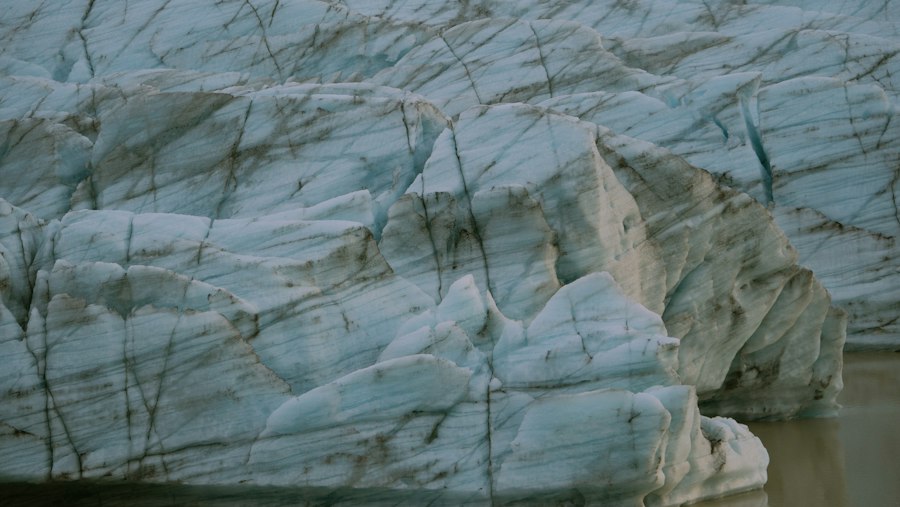
Ice Age Survival dedicates significant segments to explaining the geological and climatic forces at play during the Pleistocene. It goes beyond simply stating that it was cold, illustrating the dynamic nature of glaciers and the rapid, often drastic, climate fluctuations that characterized the period. Viewers are shown how advancing and retreating ice sheets sculpted mountains, carved valleys, and reshaped coastlines, creating a constantly changing and challenging world. The documentary emphasizes that survival was not just about enduring static cold, but about navigating a landscape in flux, where predictable patterns could be shattered by sudden environmental shifts. The narrative skillfully employs CGI animations and expert commentary from glaciologists and paleoclimatologists to make complex scientific concepts accessible and engaging. The audience gains an appreciation for the sheer power of ice as a geological agent and the immense challenge it posed to any form of life attempting to thrive in its shadow. The implications for human migration and settlement are explored, demonstrating how these climatic oscillations dictated the very patterns of human movement across the globe.
A World Unveiled: Flora, Fauna, and the Resource Scarcity
Beyond the ice itself, the documentary explores the ecosystems that managed to persist and the unique megafauna that roamed these frozen lands. The focus shifts to the animals that provided sustenance, warmth, and tools for early humans, such as mammoths, woolly rhinoceroses, and saber-toothed cats. The film vividly portrays the dangers inherent in hunting these formidable creatures, but also underscores their vital role in the survival equation. The scarcity of plant life during the colder periods is also a key theme, forcing humans to rely heavily on animal products for food, clothing, and shelter. The visual representations of these ancient ecosystems, while often stark and unforgiving, are rendered with impressive detail, bringing to life a world that exists only in fossil records and scientific reconstructions. The documentary highlights the delicate balance of these environments and the ingenuity required to extract survival from such limited natural bounty. It prompts reflection on the intricate web of life that existed and the specialized adaptations that allowed certain species, including humans, to persist against overwhelming odds. The challenges of finding water in a frozen world, and the methods developed to melt and purify it, are also touched upon, illustrating the myriad difficulties that were a daily reality.
In exploring the fascinating narratives of survival during the Ice Age, one can draw parallels to the broader themes of human resilience and adaptation found in various historical contexts. For instance, an insightful article titled “The Decline of Literacy After the Dark Ages: Factors and Consequences” delves into how societal shifts and environmental challenges have influenced human development over time. This article provides a compelling backdrop to understand the survival strategies employed by our ancestors during harsh conditions. To read more about this intriguing topic, visit The Decline of Literacy After the Dark Ages.
The Human Factor: Ingenuity and Adaptation in the Cold
Central to Ice Age Survival is the indomitable spirit of early humans and their remarkable capacity for innovation. The documentary moves from describing the environment to showcasing how humans not only endured it but actively shaped their existence within it. It is a testament to human intelligence, resourcefulness, and the development of crucial survival skills that allowed our ancestors to thrive in conditions that would spell certain doom for the unprepared.
Sheltering from the Storm: Dwelling and Fire
The film dedicates considerable time to the development and use of shelter and fire as fundamental pillars of Ice Age survival. Viewers are presented with reconstructions of various dwellings, from temporary windbreaks constructed from ice and snow to more elaborate semi-subterranean structures and cave adaptations. The documentary explains how these shelters provided essential protection from blizzards, extreme temperatures, and predators. The ingenuity in utilizing natural materials, such as animal hides, bones, and mammoth tusks, in the construction of these homes is a recurring theme. Equally crucial is the mastery of fire. The documentary explores the likely methods of fire ignition and the multifaceted uses of flames: for warmth, cooking food to make it more digestible and safer, hardening tools, creating light in the perpetual darkness of winter, and providing a psychological buffer against the encroaching wilderness. The social and communal aspects of huddling around a fire are also subtly conveyed, emphasizing the role of shared warmth and light in fostering social bonds and a sense of security. The technical challenges of maintaining a fire in windy and icy conditions are also implicitly demonstrated through the visual narratives.
Clothing for the Cold: Animal Hides and Tailoring
The documentary emphasizes that surviving the Ice Age was impossible without effective protection against the elements. A significant portion is dedicated to the sophisticated use of animal hides and furs for clothing. Viewers learn about the process of tanning and preparing these materials, transforming them from raw hides into durable and insulating garments. The documentary highlights the development of sewing techniques, likely using bone awls and sinew threads, to create fitted clothing that minimized heat loss. Recreations show how layers of fur were used, with the outer layer often designed to shed snow and water, and the inner layer providing maximum insulation. The documentary posits that the design of these garments, including hoods, mittens, and insulated footwear, was a critical evolutionary advantage. The importance of maintaining dry clothing in sub-zero temperatures is underscored, as wet garments rapidly lead to hypothermia. The sheer labor involved in acquiring, processing, and crafting these vital survival tools is made apparent, underscoring the dedication and skill required. The visual emphasis on the thickness and texture of reconstructed Ice Age clothing provides a tangible sense of the protection it offered.
In exploring the fascinating narratives of ice age survival, one can draw parallels to modern challenges faced by isolated communities, as highlighted in a related article on island vulnerability. This piece delves into the increasing concerns surrounding the resilience of island populations in the face of climate change and other environmental threats. For a deeper understanding of these contemporary issues, you can read more about it here. The survival strategies employed by ancient peoples during the ice age can provide valuable insights into how today’s communities might adapt to their own precarious situations.
Tools of the Trade: Stone, Bone, and Innovation
The documentary showcases the remarkable advancements in tool-making during the Ice Age. It moves beyond simple stone choppers, illustrating the development of specialized tools for hunting, butchering, tool production, and even artistic expression. Viewers are shown examples of finely crafted stone blades, scrapers, projectile points, and harpoons, demonstrating a deep understanding of material properties and precise knapping techniques. The use of bone and antler for tools, such as needles, awls, and spear throwers (atlatls), is also prominently featured. The atlatl, in particular, is presented as a revolutionary invention that significantly increased the range and power of projectile weapons, making hunting larger and more dangerous prey more feasible. The documentary explores the evidence for specialized toolkits for different tasks, indicating a division of labor and a sophisticated understanding of craft. The collaborative nature of tool production, where specialized knowledge was passed down through generations, is also implied. The film makes a compelling case that these technological innovations were not merely conveniences but essential components of survival, directly contributing to the ability of early humans to acquire food, shelter, and protection.
Voices from the Frontier: Historical and Modern Perspectives

While the documentary draws heavily on archaeological evidence and scientific interpretation, it also weaves in narratives from individuals who have experienced extreme cold in more recent times, providing a relatable human dimension to the ancient challenges. These contemporary stories serve as powerful echoes of the past, demonstrating the enduring relevance of survival skills and the human capacity for resilience.
Tales of Exploration: Arctic and Antarctic Journeys
A compelling aspect of Ice Age Survival is its inclusion of accounts from modern explorers who have ventured into the Arctic and Antarctic. These individuals, equipped with advanced technology and training, still face immense challenges that mirror those of their ancient counterparts. The documentary features interviews and dramatic reenactments of expeditions where explorers battled whiteouts, extreme cold, and the psychological toll of isolation. These narratives highlight the constant battle against hypothermia, frostbite, and the dwindling of resources. The documentary juxtaposes the raw, often desperate, struggles of Ice Age hunters with the calculated risks and meticulous planning of contemporary expeditions. Yet, the underlying themes of perseverance, adaptability, and the respect for the power of nature remain remarkably consistent. The psychological fortitude required to continue when faced with seemingly insurmountable obstacles is a recurring motif in these modern tales, underscoring the timeless nature of the human spirit. The sheer determination to push forward, despite the elements, is a powerful demonstration of the human will to survive.
Survivalists and Wilderness Responders: Lessons Learned
The documentary also draws on the experiences of contemporary survivalists and wilderness responders who have had to rely on their knowledge and skills to survive in harsh, cold environments. These individuals, often sharing personal anecdotes of close calls and hard-won victories, provide practical insights into the principles of cold-weather survival. They discuss the importance of proper clothing, shelter construction, water procurement, and navigation in extreme conditions. Their stories offer a bridge between the ancient past and the present, demonstrating that while the tools may have changed, the fundamental understanding of how to respect and overcome the cold remains a vital skill. The emphasis on mental preparedness, the ability to remain calm under pressure, and the importance of making sound decisions in life-or-death situations are common threads that link these modern accounts to the implicit struggles of Ice Age peoples. The documentary uses these contemporary examples to illustrate that the lessons of Ice Age survival are not merely academic, but hold practical value even today for those who venture into the wild.
The Future of Cold: Climate Change and Enduring Challenges
While Ice Age Survival primarily focuses on the past, it subtly foreshadows the ongoing challenges posed by extreme cold and the potential impact of climate change on our relationship with frigid environments. The documentary’s exploration of past adaptations gains new relevance in light of current global environmental shifts.
A Shifting Climate: Lessons for a Warming World
The documentary implicitly raises questions about the future in a world grappling with climate change. While the focus is on past glacial periods, the underlying theme of humanity’s relationship with cold environments resonates with contemporary concerns. The film showcases how Ice Age humans adapted to a world that was significantly colder than today. This prompts viewers to consider how modern societies, often built with a reliance on stable and warmer climates, might fare if faced with unexpected shifts or if the extremes of weather intensify. The documentary’s exploration of resource scarcity and the reliance on localized, readily available materials serves as a cautionary tale for a world facing potential resource disruptions. The resilience demonstrated by Ice Age peoples in the face of adversity offers a powerful model, suggesting that adaptability and ingenuity will be crucial in navigating future environmental challenges, regardless of their precise nature. The film encourages a broader understanding of how interconnected human civilization is with the natural world and the importance of foresight and preparedness.
Preserving the Past, Preparing for the Future
Ultimately, Ice Age Survival serves as a powerful reminder of humanity’s deep history of resilience. The documentary’s compelling narratives of survival in the frozen wilderness offer not only a glimpse into the distant past but also valuable lessons for the present and future. By understanding the immense challenges faced by our ancestors and the ingenious solutions they devised, viewers are better equipped to appreciate the fragility of civilization and the enduring strength of the human spirit. The film encourages a deeper respect for the natural world and a commitment to developing the skills and knowledge necessary to navigate its extremes. The survival strategies of the Ice Age, from effective shelter construction to intelligent resource management, hold timeless relevance, urging us to learn from the past to better prepare for whatever environmental shifts may lie ahead. The documentary’s conclusion leaves the audience with a profound sense of awe for the tenacity of life and a renewed appreciation for the enduring power of human adaptation. The final images often linger, showcasing both the stark beauty of frozen landscapes and the enduring symbols of human endurance, prompting a thoughtful reflection on our place within the grand tapestry of Earth’s history.