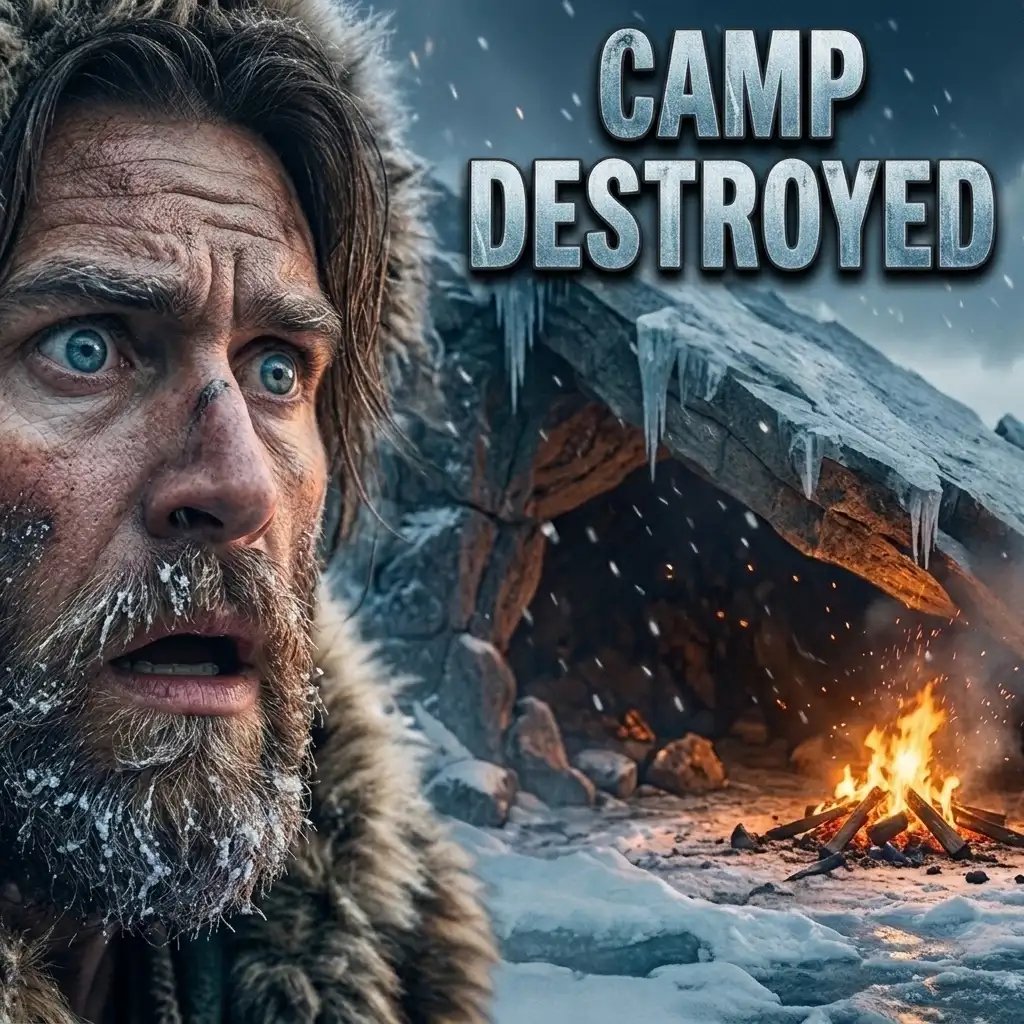
The frozen expanses of the Pleistocene, a period stretching from roughly 2.6 million to 11,700 years ago, have long captivated the human imagination. This era, characterized by its colossal ice sheets, megafauna, and the nascent steps of our own species, offers a dramatic backdrop for storytelling. “Ice Age Wilderness: A Cinematic Journey Through Prehistoric History” seeks to explore this ancient world not through dusty textbooks or dry lectures, but through the immersive power of cinema. This article will delve into how films have brought this prehistoric epoch to life, examining the visual artistry, scientific interpretation, and narrative choices that define these cinematic expeditions into the heart of the Ice Age.
The Dawn of Cinematic Prehistory
The allure of the prehistoric past has been a recurring theme in filmmaking since the medium’s inception. Early filmmakers, armed with rudimentary special effects and a boundless enthusiasm for the unknown, began to conjure images of a world dominated by colossal reptiles and, eventually, by the awe-inspiring beasts of the Ice Age. The fascination with these extinct giants – the woolly mammoths, the saber-toothed cats, the giant ground sloths – provided fertile ground for narrative. These creatures, far removed from the everyday experiences of audiences, offered a sense of wonder and a glimpse into a primal world. The early days of cinema were a period of experimentation, and the visual representation of prehistoric life was no exception. Filmmakers relied on a combination of stop-motion animation, elaborate costumes worn by actors, and, in some cases, even life-size models. The success of these early ventures, even with their inherent limitations, demonstrated the powerful human desire to connect with a distant past, a desire that would fuel cinematic explorations of the Ice Age for decades to come. The rudimentary technology of the era meant that accuracy was often sacrificed for dramatic effect, but these early films laid the groundwork for more sophisticated future endeavors. They proved that the Ice Age, with its inherent drama and larger-than-life inhabitants, was a potent subject for the silver screen, capable of sparking awe and igniting curiosity in audiences around the globe. The very act of visualizing the unseen, of giving form to fossilized bones, was a remarkable achievement in itself, setting a precedent for the cinematic exploration of history.
Early Visions and the Spectacle of Giants
The earliest cinematic portrayals of the Ice Age were characterized by their emphasis on spectacle. Films like the early iterations of The Lost World (though more dinosaur-focused, it set a precedent for prehistoric adventures) and later, films that directly tackled Ice Age creatures, often prioritized the sheer size and ferocity of these extinct animals. Stop-motion animation, pioneered by artists like Willis O’Brien, became a crucial tool in bringing these colossal beings to life. The painstaking process of moving models frame by frame created a sense of movement and realism that was revolutionary for its time. Audiences were treated to scenes of woolly mammoths lumbering across frozen tundras and saber-toothed cats stalking their prey. These early cinematic encounters were often less about scientific accuracy and more about the thrill of the chase and the majesty of the natural world, albeit a natural world long gone. The visual language of these films was designed to evoke a sense of awe and perhaps a touch of terror, positioning the audience as witnesses to a primeval struggle for survival. The limitations of the technology meant that the creatures often possessed a certain charm, a slightly uncanny valley effect that, in retrospect, adds to their nostalgic appeal. Nevertheless, these films were instrumental in embedding the image of the Ice Age in the popular consciousness, establishing the iconic figures that would continue to populate cinematic visions of this epoch.
The Rise of Animated Prehistory
As filmmaking technology advanced, so too did the sophistication of animated prehistoric landscapes and creatures. The mid-20th century saw advancements in animation techniques that allowed for more fluid and detailed depictions. While films like One Million B.C. (1940) and its subsequent remakes continued to blend human drama with the prehistoric setting, often featuring a mix of actual prehistoric animals and stylized, anachronistic dinosaurs, animation began to offer a more distinct pathway. The ability to create entirely new worlds and beings allowed filmmakers to imagine the Ice Age with a greater degree of creative freedom, while still striving for a sense of visual plausibility. This era also saw the emergence of animated television shows and short films that further cemented the visual tropes of the Ice Age in popular culture, making familiar the sight of shaggy mammals and hardy early humans. The visual storytelling employed in these animated works often emphasized the environmental challenges and the unique adaptations of both fauna and flora, providing a more nuanced, albeit still fictionalized, understanding of the period. The creativity unleashed by animation allowed for ambitious visual set pieces that could not be achieved through live-action alone, further enhancing the cinematic appeal of the Ice Age.
Cinematic history often intertwines with themes of survival and the natural world, as seen in films set during the Ice Age that explore the wilderness and the struggles of early humans and prehistoric creatures. A fascinating article that delves into the scientific aspects of ice and its significance in our understanding of the universe is available at this link: NASA to Control Moon’s Water Ice. This piece highlights the importance of ice beyond Earth, drawing parallels to how ice has shaped storytelling in cinema, particularly in narratives that capture the essence of survival against the backdrop of a harsh, frozen landscape.
Reimagining the Pleistocene Ecosystem

The Ice Age was not merely a stage for magnificent beasts; it was a complex ecosystem shaped by dramatic climatic shifts. Cinematic journeys into this era often grapple with portraying this intricate web of life, from the towering herbivores to the apex predators, and the harsh environmental conditions that defined their existence. The scientific understanding of this period has evolved considerably, and films increasingly attempt to reflect these discoveries, albeit with creative liberties taken for narrative purposes. The interplay between different species, the challenges of finding food and shelter, and the constant threat of predation are all elements that filmmakers use to construct compelling narratives within this prehistoric framework. The visual representation of the Ice Age landscape itself is a critical component, often showcasing vast, treeless plains, colossal glaciers, and unforgiving winters. The success of a cinematic portrayal of the Ice Age often hinges on its ability to create a believable and immersive prehistoric world that audiences can truly inhabit, even if only for the duration of the film.
The Giants of the Tundra and Taiga
The woolly mammoth, the woolly rhinoceros, the cave bear, and the dire wolf are just a few of the iconic megafauna that roamed the Ice Age continents. Cinematic representations of these animals have ranged from the hyper-realistic to the anthropomorphized. The detail in their fur, the power in their limbs, and the sheer scale of their presence are often meticulously rendered to evoke a sense of wonder and respect. Films often explore the ecological roles of these creatures, depicting them as grazers shaping the landscape or as formidable predators at the top of the food chain. The challenges of depicting these extinct creatures accurately are significant, requiring filmmakers to rely on paleontological research, fossil evidence, and educated speculation. The success of these portrayals lies not just in their visual fidelity but also in their ability to imbue these extinct beings with a sense of life and agency, making them more than just static figures of the past. The visual storytelling often highlights their adaptations to the cold, such as thick hides, insulating fur, and specialized teeth, which are crucial for their survival in the harsh environment.
Navigating a World of Ice and Peril
The Ice Age was characterized by extreme climatic fluctuations, with vast ice sheets expanding and contracting across the globe. Cinematic portrayals of this environment often emphasize the immense power of nature and the constant struggle for survival. Glacial landscapes, frozen tundras, and unforgiving winters are frequently depicted as formidable adversaries, shaping the lives and behaviors of both animals and early humans. The scarcity of resources, the dangers of extreme weather, and the constant threat of predators all contribute to the perilous nature of this world. Filmmakers use visual cues such as swirling snow, cracking ice, and bleak, windswept vistas to immerse audiences in this challenging environment. The narrative often revolves around the ingenuity and resilience of Ice Age inhabitants as they adapt to and overcome these environmental hardships. The visual design of these films plays a crucial role in conveying the harshness and beauty of this icy realm, from the stark, minimalist landscapes to the subtle shifts in light and color that signify the changing seasons and the ever-present threat of the elements. The cinematography often emphasizes the vastness and emptiness of these landscapes, further underscoring the precarious existence of life within them.
Scientific Interpretation and Cinematic License
The cinematic journey through the Ice Age is inherently a balancing act between scientific accuracy and narrative entertainment. While paleontological discoveries provide a foundation for understanding the creatures and environments of the Pleistocene, filmmakers often take liberties to enhance dramatic tension, simplify complex scientific concepts, or create more compelling characters. This can lead to debates among viewers and critics regarding the authenticity of the depictions. However, it is important to recognize that these films serve as gateways to understanding, sparking curiosity and prompting further research. The process of scientific interpretation in filmmaking involves translating fossil evidence and theoretical reconstructions into a visual medium that resonates with a broad audience. This often means making educated guesses about animal behavior, social structures, and the precise appearance of extinct species. The ethical considerations of presenting potentially inaccurate information are often weighed against the educational and entertainment value of the film. Ultimately, the most successful cinematic portrayals of the Ice Age manage to be both visually engaging and scientifically informed, inspiring viewers to learn more about this fascinating period of Earth’s history. The dialogue and interactions, while often dramatized, can also subtly convey scientific understandings of survival strategies, tool use, and early human social organization.
Early Humans on the Frozen Frontier

The Ice Age is also the era in which Homo sapiens began to truly flourish, spreading across continents and developing the tools and social structures necessary for survival in challenging environments. Cinematic narratives that focus on early humans during this period often explore themes of survival, innovation, and the dawn of complex social behavior. These films portray our ancestors not as primitive brutes but as intelligent and adaptable beings, capable of facing down the dangers of the Ice Age and leaving their mark on the world. The portrayal of early human societies, their hunting techniques, their use of fire, and their nascent forms of art and spirituality, offers a profound glimpse into our own evolutionary journey. The visual representation of these early humans, their tools, their shelters, and their interactions with each other and their environment, are crucial in creating a believable and engaging portrayal of prehistoric life.
The Ingenuity of Stone and Bone
The development and use of tools represent a pivotal evolutionary leap for early humans, and cinema often highlights this ingenuity. Films depict the creation and application of stone tools, from simple hand axes to more complex projectile points, essential for hunting, preparing food, and crafting. The use of bone, antler, and wood for various implements is also frequently showcased. These portrayals illustrate the resourcefulness of our ancestors, their understanding of materials, and their ability to adapt their technology to the demands of their environment. The visual emphasis on the meticulous craftsmanship involved in creating these tools can serve to demystify the process and highlight the intellectual capabilities of early humans. The depiction of hunting strategies, often involving coordinated group efforts and the skillful use of these tools, further emphasizes their intelligence and social organization. The evolution of tools, from rudimentary scrapers to more sophisticated spear throwers, often forms a narrative arc in films, signifying the progress and development of Ice Age human societies.
The Social Fabric of Survival
Beyond individual ingenuity, the survival of early human groups during the Ice Age was heavily dependent on social cooperation. Cinematic narratives frequently explore the dynamics of these early communities, focusing on themes of kinship, shared responsibility, and the development of social structures. Depictions of communal hunts, the sharing of resources, the protection of the young and vulnerable, and the transmission of knowledge across generations are common. The establishment of rudimentary shelters, the tending of fires, and the development of communication systems, however basic, are often portrayed as crucial elements of their social fabric. These films often aim to illustrate the foundations of human society, demonstrating that cooperation and mutual support were vital for overcoming the formidable challenges of the Pleistocene. The visual language used to depict these interactions, the expressions on faces, the body language, and the shared activities, all contribute to conveying the nascent bonds that would eventually lead to complex human civilizations. The exploration of early art, such as cave paintings, often signifies a developing sense of culture and shared identity within these groups.
The First Artists and Storytellers
The discovery of prehistoric art, such as the stunning cave paintings found in Lascaux and Chauvet, has revolutionized our understanding of early human cognition and culture. Cinematic representations often incorporate these artistic expressions, using them as a window into the beliefs, rituals, and worldview of Ice Age peoples. These films might depict the creation of these artworks, suggesting the artist’s purpose, whether it be for spiritual reasons, storytelling, or simply to document their world. The visual interpretation of these ancient murals can evoke a sense of wonder and connection, bridging the vast temporal gap between our time and theirs. The very act of creating art, of symbolizing the world around them, signifies a sophisticated level of abstract thought and a desire to communicate beyond immediate survival needs. These artistic endeavors are often presented as evidence of early human culture and the beginnings of a shared human narrative, offering profound insights into their inner lives and their relationship with the natural world.
Environmental Narratives and Ecological Awareness
The Ice Age, a period defined by dramatic climatic shifts and profound environmental changes, offers a compelling backdrop for exploring ecological themes. Cinematic journeys into this era can serve to highlight the fragility of ecosystems, the impact of climate on life, and the interconnectedness of all living things. As scientific understanding of past climate events grows, films have increasingly incorporated these ecological narratives, often serving as a subtle, or not-so-subtle, commentary on contemporary environmental challenges. The stark beauty of the Ice Age landscape, coupled with the constant struggle for survival, provides a powerful visual metaphor for the delicate balance of nature and the consequences of its disruption. These films can foster a deeper appreciation for the natural world and a greater awareness of our role within it.
The Shifting Glaciers and Frozen Worlds
The immense power of glaciers and the dramatic impact of ice ages on the Earth’s surface are central to many Ice Age narratives. Films often showcase the awe-inspiring scale of these frozen behemoths, their slow, inexorable creep reshaping the landscape, carving valleys, and creating new geological formations. The visual spectacle of glacial melt, the formation of icy rivers, and the stark beauty of frozen plains are frequently employed to immerse the audience in the Ice Age environment. These depictions can highlight the dynamic nature of our planet and the profound influence of climate on geological processes. The visual contrast between the vast expanses of ice and the hardy life that perseveres within them can be particularly striking, emphasizing the resilience of life in the face of extreme conditions. The cinematography often plays with light and shadow on the ice, creating a sense of both beauty and danger, a constant reminder of the power of the frozen elements.
Climate Change: A Prehistoric Precedent
While not always explicit, many Ice Age films subtly echo contemporary concerns about climate change. The dramatic shifts in temperature, the expansion and contraction of ice sheets, and the resulting impact on flora and fauna serve as a historical parallel to the environmental challenges facing humanity today. Films can explore how ancient ecosystems adapted, or failed to adapt, to these large-scale climatic fluctuations, offering a cautionary tale or a testament to nature’s resilience. The sudden extinction events that punctuated the Ice Age, such as the end-Pleistocene megafauna extinction, are often presented as dramatic consequences of environmental upheaval. By depicting the immense power of natural forces to alter entire landscapes and extinguish species, these films can inspire a greater sense of urgency and responsibility regarding our current environmental trajectory. The narrative can highlight the interconnectedness of species and how a change in one element of the ecosystem can have cascading effects throughout.
The Interconnectedness of Life
A recurring theme in cinematic portrayals of the Ice Age is the intricate web of life that existed within these harsh environments. Films often illustrate the delicate balance between predator and prey, the symbiotic relationships between species, and the essential role of plants in sustaining animal life. The visual storytelling can emphasize how the survival of one species is dependent on the health and presence of others, highlighting the concept of ecological interdependence. The depictions of hunting, grazing, and scavenging are not just action sequences but can also serve to illustrate the complex dynamics of the prehistoric food web. By showcasing this intricate interconnectedness, these films can foster a deeper appreciation for biodiversity and the importance of maintaining healthy ecosystems, serving as a valuable lesson from our planet’s distant past. The visual representation of the food chain, from the smallest insects to the largest mammals, can effectively communicate this interconnectedness.
In exploring the evolution of cinematic storytelling, particularly in the context of the Ice Age wilderness, one can gain a deeper understanding of how filmmakers have depicted the harsh realities and breathtaking beauty of this era. A fascinating article that delves into the untold histories of such narratives can be found here, shedding light on the techniques and inspirations behind these compelling stories. By examining the intersection of history and cinema, we can appreciate the artistry involved in bringing the Ice Age wilderness to life on screen.
The Enduring Fascination with a Frozen Past
| Aspect | Details | Significance | Example |
|---|---|---|---|
| Era Depicted | Ice Age (Pleistocene Epoch) | Provides a prehistoric wilderness setting for storytelling | “Ice Age” (2002) animated film |
| Storytelling Themes | Survival, adaptation, migration, community | Highlights human and animal struggles in harsh environments | “The Revenant” (2015) |
| Visual Style | Realistic wilderness landscapes, icy terrains, glaciers | Enhances immersion and authenticity of the Ice Age setting | “Alpha” (2018) |
| Character Types | Prehistoric humans, Ice Age megafauna (mammoths, saber-toothed cats) | Drives narrative through interaction between species and environment | “Ice Age” series, “10,000 BC” (2008) |
| Historical Accuracy | Varies from highly fictionalized to semi-accurate depictions | Balances entertainment with educational elements | “The Clan of the Cave Bear” (1986) |
| Impact on Cinema | Popularized prehistoric wilderness as a storytelling backdrop | Inspired numerous films and documentaries about Ice Age life | “Ice Age” franchise, National Geographic documentaries |
The Ice Age continues to hold a powerful grip on our collective imagination, and cinema has played a significant role in shaping this fascination. The epic scale of the landscapes, the majesty of the extinct megafauna, and the dramatic struggle for survival resonate with fundamental human themes. “Ice Age Wilderness: A Cinematic Journey Through Prehistoric History” demonstrates that these films are more than just entertainment; they are portals to a distant past, offering glimpses into the lives of our ancestors, the incredible diversity of extinct life, and the powerful forces that have shaped our planet. The enduring appeal of these cinematic expeditions lies in their ability to evoke a sense of wonder, inspire curiosity, and connect us to our deep evolutionary history, reminding us of the vastness of time and our place within the grand tapestry of life on Earth.
The Echoes of Extinction
The phenomenon of extinction, a hallmark of the Ice Age, particularly the late Pleistocene megafauna extinction event, has been a recurring motif in cinematic explorations of the period. Films often grapple with the causes and consequences of these disappearances, whether through natural environmental shifts, human impact, or a combination of factors. The visual depiction of a once-vibrant world now devoid of its most magnificent creatures can be a poignant and thought-provoking element. These narratives serve as a reminder of the impermanence of life and the potential consequences of ecological imbalance, offering a somber yet important reflection on the ongoing biodiversity crisis. The visual contrast between the thriving ecosystems of the past and the eventual emptiness left by extinction can be a powerful emotional tool in storytelling. The cinematic portrayal of this transition, from teeming life to a stark, silent landscape, can leave a lasting impression on the viewer.
Our Ancestors, Our Story
The Ice Age represents a critical period in human evolution, the time when our own species began to diversify, adapt, and spread across the globe. Cinematic journeys into this era are often deeply personal, offering a glimpse into the origins of humanity. By depicting the struggles, triumphs, and innovations of our prehistoric ancestors, these films allow audiences to connect with their own evolutionary heritage. They humanize the distant past, showcasing the intelligence, resilience, and social bonds that laid the foundation for human civilization. The stories told are not just about survival but about the emergence of culture, art, and the very essence of what it means to be human. This connection to our ancestral past fosters a sense of belonging and a deeper understanding of the long and complex journey that has led us to the present day. The visual narrative of early humans developing tools, creating art, and forming communities speaks to the enduring human spirit.
The Ongoing Quest for Understanding
The cinematic exploration of the Ice Age is not a static endeavor. As scientific knowledge advances, so too does the potential for more accurate and nuanced portrayals. New fossil discoveries, improved dating techniques, and a deeper understanding of paleoclimates constantly reshape our perception of this ancient world. Filmmakers, in turn, have the opportunity to incorporate these new insights, offering audiences ever-more compelling and scientifically grounded journeys into prehistory. The ongoing dialogue between scientific inquiry and cinematic creativity ensures that the Ice Age wilderness will continue to captivate and educate audiences for generations to come, serving as a perpetual source of wonder and a powerful reminder of the dynamic history of our planet and our place within it. Each new film offers an opportunity to re-examine our understanding and to bring the latest scientific discoveries to a wider audience, fostering a continuous cycle of learning and appreciation for this remarkable epoch.