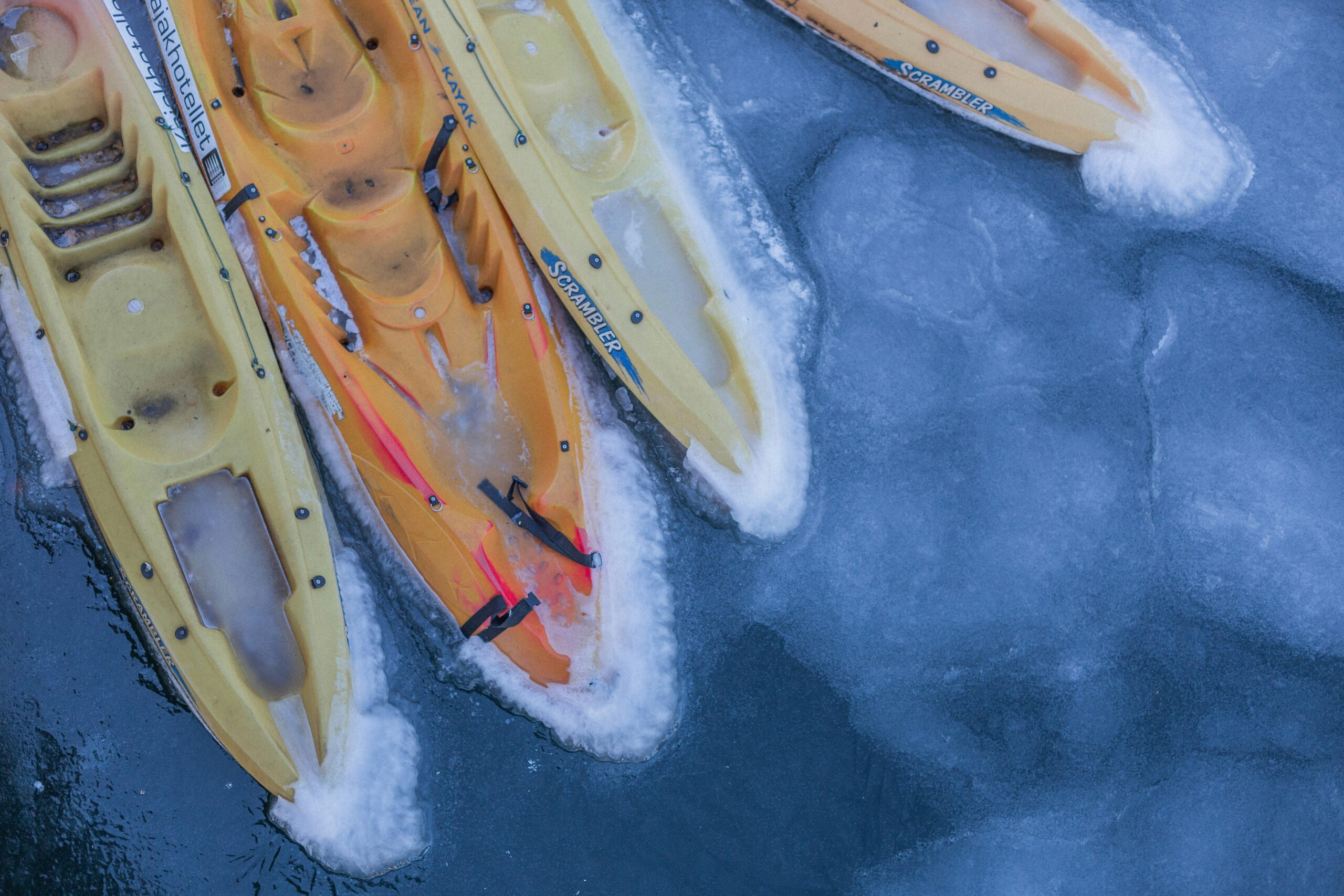
Understanding Ice Rafting: A Journey into a Powerful Geological Force
Ice rafting, a term that evokes images of colossal icebergs drifting serenely across vast oceans, is far more than a picturesque spectacle. It is a fundamental geological process that has shaped continents, influenced global climate, and continues to play a significant role in the dynamic Earth system. This phenomenon, born from the powerful forces of glaciation and the resilience of ice, describes the transportation of sediment and rock fragments by glacial ice and its subsequent release into aquatic environments, most notably the oceans. Understanding ice rafting requires delving into the origins of glacial ice, the mechanisms of ice movement, the types of material it carries, and the profound impacts of its journey and eventual deposition.
The journey of ice rafting begins long before a fragment of ice embarks on its oceanic voyage. It starts with the formation and accumulation of glacial ice, a process that unfolds over millennia in regions where snowfall consistently exceeds melting. These vast expanses of ice, known as glaciers and ice sheets, are not static entities but dynamic forces, constantly in motion.
Glacial Ice Formation: From Snow to Solid Mass
The creation of glacial ice is a meticulous, protracted process. It begins with snowflakes falling onto polar or alpine regions. As more snow accumulates, the lower layers are compressed under the weight of the overlying snow. This pressure causes the snowflake crystals to deform, melt slightly, and then refreeze, interlinking and forming granular ice. With continued accumulation and pressure, air is slowly squeezed out, and the granular ice transforms into a denser, more homogenous substance known as firn, and eventually, solid glacial ice. This ice is characterized by its immense density and often exhibits a bluish hue due to the absorption of red light and scattering of blue light.
The Dynamics of Glacier Movement: More Than Just Sliding
Glaciers move under the influence of gravity. This movement is complex and occurs through two primary mechanisms: basal sliding and internal deformation. Basal sliding occurs when the base of a glacier melts due to geothermal heat and the pressure of the ice itself, creating a thin layer of meltwater that lubricates the bedrock. The glacier then slides over this watery interface. Internal deformation, on the other hand, involves the slow flow of ice crystals within the glacier. Under immense pressure, ice crystals deform and slide past each other, allowing the entire glacier to deform and flow downslope, much like a very viscous fluid. This continuous movement is crucial for ice rafting as it transports the ice, and the debris it has incorporated, towards the coast.
Ice Sheets and Their Immense Scale
The most significant ice rafting occurs from the massive ice sheets that currently cover Greenland and Antarctica. These continental-scale glaciers are kilometers thick and harbor immense quantities of ice. Their sheer size and the vast distances they cover before reaching the ocean mean they can pick up and transport enormous volumes of sediment. Smaller valley glaciers, common in mountainous regions, also contribute to ice rafting, though typically on a smaller scale and often into freshwater lakes or along river systems before reaching the sea.
Ice rafting, a fascinating geological process where icebergs transport sediments across oceanic waters, plays a significant role in shaping coastal landscapes and influencing marine ecosystems. For a deeper understanding of how environmental factors, including climate change, are impacting various natural processes, you might find the article on the new space cold war insightful. It discusses the broader implications of environmental shifts and technological advancements. You can read more about it here: The New Space Cold War Explained.
Entrainment and Transport: The Ice as a Debris Carrier
Once a glacier is formed and begins to move, it starts interacting with the underlying bedrock and surrounding landscape. This interaction is the key to how ice rafting acquires its payload of rock and sediment. The process of entrainment, the incorporation of this material into the ice, is a fundamental aspect of the phenomenon.
Plucking and Abrasion: Grabbing and Grinding
Glaciers are incredibly effective agents of erosion. As they move, they can pluck or dislodge large blocks of bedrock from beneath them, particularly in areas with fractured bedrock. This “plucking” action is akin to a powerful excavator. Simultaneously, the embedded rock fragments and sediment within the basal ice act like sandpaper, grinding and abrading the underlying bedrock. This process, known as abrasion, polishes the rock surface and produces fine-grained sediment called glacial flour. Both plucking and abrasion contribute a wide range of material, from fine clays and silts to large boulders, to the glacial ice.
Subglacial tills: A Frozen Mix of Earth
The material that is picked up and transported by glaciers is collectively known as glacial drift. When this debris is incorporated into the ice, it becomes part of what is often referred to as subglacial till or lodgement till if deposited directly beneath the ice. This till can be a heterogeneous mix of rock fragments, sand, silt, and clay, all carried within the ice mass. The composition of this till can provide valuable clues about the geological history of the area from which the glacier originated, serving as a geological fingerprint.
Icebergs: Nature’s Freighters
As glaciers reach the sea, or after calving from ice shelves, large chunks of ice break off to form icebergs. These icebergs, remnants of the massive ice sheets or glaciers, are veritable freighters, carrying their entrained sediment load into the open ocean. The size of these icebergs can vary dramatically, from small bergy bits to colossal tabular icebergs that stretch for kilometers. The larger the iceberg, the greater its capacity to carry sediment.
The Journey and Deposition: A Slow Release of Earthly Cargo
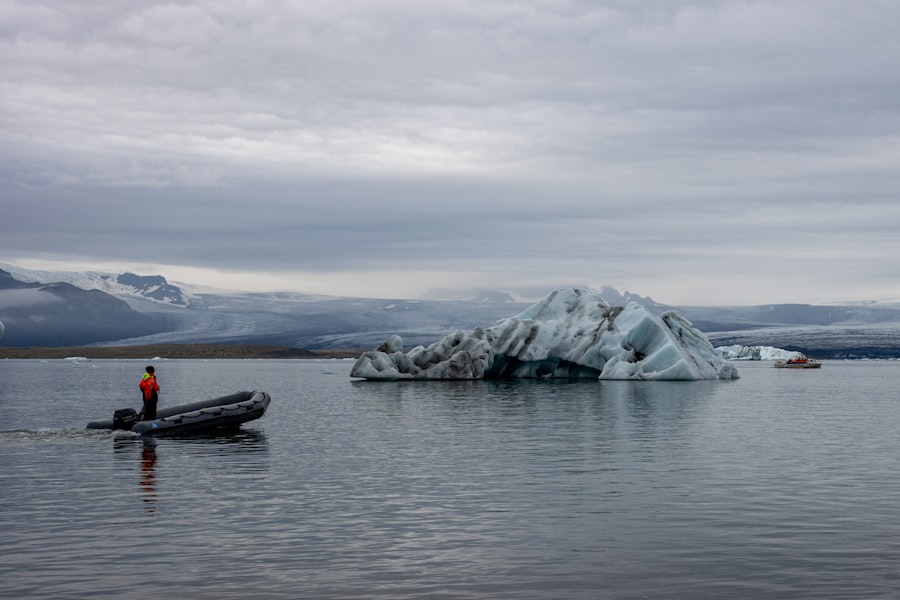
Once an iceberg is afloat, its journey begins. Driven by ocean currents and wind, it drifts away from its source, a slow but powerful agent of transport across vast oceanic distances. The duration of this journey can range from days to years, depending on the size of the iceberg, oceanographic conditions, and the prevailing climate.
Calving: The Birth of an Iceberg
The process by which glaciers shed icebergs into the ocean is called calving. This occurs when the glacier front extends into the sea and the buoyant force of the water, combined with the stresses within the ice, causes large sections to break off. Calving can be a dramatic event, with colossal blocks of ice crashing into the water, generating significant waves. The frequency and scale of calving are sensitive indicators of glacial melt and retreat, phenomena that are of significant interest in the context of climate change.
Ocean Currents and Wind: The Driving Forces
The movement of icebergs is primarily dictated by ocean currents and prevailing winds. These forces can carry icebergs across vast distances, often far from their original glacial source. The complex interplay of currents, especially in the Southern Ocean surrounding Antarctica, can lead to intricate drift paths. Understanding these drift patterns is crucial for tracking the origin of ice-rafted debris found in marine sediments.
Melting and Sediment Release: The Gradual Unloading
As an iceberg drifts into warmer waters, it begins to melt. This melting is a gradual process, releasing its entrained sediment load into the water column. The sediment then settles through the water column, eventually reaching the seafloor. Fine-grained sediments, like glacial flour, can be dispersed over wide areas by ocean currents, while larger rocks and pebbles will fall closer to the melting iceberg’s path.
Ice-Rafted Debris (IRD): Clues from the Past
The sediment deposited by melting icebergs is known as ice-rafted debris (IRD). This material, ranging from fine clays to erratics (large boulders), is a direct consequence of ice rafting. The composition of IRD is highly significant for geologists. By analyzing IRD found in ocean floor sediments, scientists can:
- Reconstruct Past Glacial Activity: The presence and type of IRD can indicate when and where glaciers were active, even in regions that are now ice-free.
- Trace Sediment Provenance: The mineralogy of IRD can reveal the geological bedrock from which the ice originally originated, allowing for the mapping of ancient ice flow paths and the sourcing of glacial material.
- Understand Paleoclimate: Fluctuations in the amount and type of IRD can be linked to glacial-interglacial cycles and provide insights into past climate conditions. Periods of increased IRD deposition are often associated with colder periods when glaciers advanced and calved more frequently.
- Study Ocean Circulation: The distribution patterns of IRD can also provide information about past ocean currents and circulation patterns.
The Geological Significance of Ice Rafting

Ice rafting is not merely a localized event; it is a global geological process with profound and far-reaching implications. Its influence extends across vast timescales, shaping the very face of our planet and influencing its climate.
Continental and Ocean Floor Modification
Over geological time, ice rafting has been instrumental in transporting vast quantities of sediment from landmasses to the ocean basins. This deposition of IRD has significantly contributed to the infill of sedimentary basins, playing a role in the formation of sedimentary rocks. Enormous boulders, carried for hundreds or thousands of kilometers by ice before being released, can be found embedded in deep-sea sediments, offering stark evidence of the power of ice rafting. These erratics, often found far from their original geological context, are a hallmark of glacial influence.
Influence on Ocean Chemistry and Ecology
The release of fine glacial flour through ice rafting can have significant impacts on ocean chemistry and ecology. Glacial flour is rich in essential minerals, such as iron. When this iron is released into surface waters, it can act as a vital nutrient, stimulating phytoplankton growth. Phytoplankton form the base of the marine food web and play a crucial role in the global carbon cycle by absorbing atmospheric carbon dioxide during photosynthesis. Therefore, ice rafting can indirectly influence the ocean’s capacity to sequester carbon.
The Paleoclimate Record: A Frozen Archive
The study of IRD within ocean sediment cores is one of the most powerful tools for reconstructing Earth’s paleoclimate history. The abundance and distribution of IRD in these cores directly correlate with periods of glaciation. During glacial periods, more ice sheets form, more glaciers calve, and consequently, more IRD is transported and deposited. Analyzing changes in IRD layers within sediment cores allows scientists to map out past glacial cycles, understand their timing, and infer the extent of ice coverage. This information is invaluable for understanding long-term climate variability and for calibrating climate models. For example, spikes in IRD deposition have been correlated with major glacial advances throughout Earth’s history, providing a tangible record of frigid epochs.
Connecting Land and Sea: A Global Transport System
Ice rafting acts as a critical link between terrestrial glacial systems and the marine environment. It represents a significant pathway for the transfer of terrestrial material to the ocean. This transport is not limited by geographic barriers; icebergs can carry their cargo across oceans, connecting distant geological regions. The study of IRD allows for the tracing of these connections, revealing how glaciers that once covered vast landmasses have influenced the composition of ocean floor sediments thousands of kilometers away.
Ice rafting is a fascinating geological process that involves the movement of icebergs and glacial debris across water bodies, which can lead to significant changes in landscapes and ecosystems. For a deeper understanding of how human activities and technological advancements can impact natural processes, you might find it interesting to explore the related article on the role of technology in societal changes. This article provides insights into the broader implications of our actions on the environment, which can be linked to phenomena like ice rafting. You can read more about it here.
Ice Rafting in a Changing Climate: Modern Implications
| Ice Rafting Metrics | Explanation |
|---|---|
| Definition | The transportation of sediment by ice, typically in the form of icebergs or sea ice |
| Process | Occurs when ice carrying sediment melts, depositing the sediment on the seafloor |
| Impact | Contributes to the redistribution of sediment and nutrients in marine environments |
| Significance | Plays a role in shaping coastal and marine ecosystems |
In the context of contemporary global warming, ice rafting is an increasingly important phenomenon to monitor and understand. The behavior of glaciers and ice sheets is directly impacted by rising temperatures.
Accelerated Calving and Melting Rates
As global temperatures rise, glaciers and ice sheets are melting at an accelerated rate. This leads to increased calving of icebergs from marine-terminating glaciers and ice shelves. The larger volume of ice entering the ocean means a greater potential for ice rafting. Furthermore, the melting process itself is enhanced in warmer waters, leading to a more rapid release of deposited sediment. This intensification of ice rafting has direct implications for sea level rise, as the melting of land ice contributes to rising global sea levels.
Impact on Arctic and Antarctic Ecosystems
The changing dynamics of ice rafting are having profound impacts on Arctic and Antarctic ecosystems. Altered meltwater input, changes in salinity, and the delivery of new sediment and nutrients can disrupt delicate marine food webs. The increased transport of sediment can affect light penetration in the water column, influencing primary productivity. Furthermore, the physical presence of icebergs can alter habitat availability for marine organisms.
Future Projections and Research
Scientists are actively studying current ice rafting processes to improve future climate projections. By understanding the rate and composition of IRD being deposited today, researchers can better calibrate paleoclimate records and refine models that predict the future behavior of ice sheets in response to ongoing climate change. Monitoring the thinning of ice sheets, the rate of calving, and the characteristics of the IRD being transported provides critical data for these efforts. The potential for increased ice rafting to influence ocean circulation patterns and the global carbon cycle further underscores the importance of continued research in this area. Understanding the intricate feedbacks between ice, ocean, and atmosphere is paramount for predicting the future of our planet. This includes observing how changes in ice melt and iceberg production might influence thermohaline circulation and the capacity of the ocean to absorb carbon dioxide. The science of ice rafting, therefore, is not an academic pursuit confined to the past, but a vital field of study with direct relevance to the present and future of human civilization and Earth’s natural systems.

The Boulder That Shouldn’t Exist
FAQs
What is ice rafting?
Ice rafting is the process by which large pieces of ice, such as icebergs or sea ice, are transported by ocean currents. This can occur in polar regions where ice is abundant and can be carried long distances by the movement of water.
How does ice rafting occur?
Ice rafting occurs when ice breaks off from a larger ice mass, such as a glacier or ice shelf, and is then carried by ocean currents. This can happen due to a variety of factors, including the melting of ice, changes in sea ice conditions, or the movement of icebergs.
What are the impacts of ice rafting?
Ice rafting can have significant impacts on the environment and ecosystems. It can transport nutrients and sediments to new areas, affecting marine life and the ocean floor. It can also pose hazards to navigation and offshore infrastructure, as large icebergs can be difficult to detect and avoid.
Where does ice rafting occur?
Ice rafting primarily occurs in polar regions, such as the Arctic and Antarctic, where large amounts of ice are present. However, it can also occur in other cold, high-latitude regions where sea ice and icebergs are prevalent.
What are the implications of ice rafting for climate change?
Ice rafting is influenced by climate change, as melting ice and changing sea ice conditions can affect the amount and distribution of ice in the ocean. Understanding ice rafting can provide insights into the impacts of climate change on polar regions and global ocean circulation.