The Ubiquitous Predator: Brown Trout’s Ecological Footprint
The allure of the wild, with its pristine rivers and thriving ecosystems, often leads to unintended consequences when humans intervene. Among the most prevalent and impactful introductions is that of the brown trout, Salmo trutta. Originally hailing from Europe and Western Asia, this adaptable and aggressive salmonid has been dispersed across the globe for sport fishing and aquaculture. While celebrated by anglers for its fighting prowess and culinary appeal, its presence in non-native waters frequently triggers a cascade of ecological disruptions, fundamentally altering the delicate balance of native aquatic life. Understanding the multifaceted impact of human-introduced brown trout is crucial for effective conservation strategies and for mitigating the long-term degradation of aquatic biodiversity.
The brown trout’s success as an invasive species is rooted in its inherent biological traits. It exhibits remarkable phenotypic plasticity, allowing it to adapt to a wide range of environmental conditions, from cold, fast-flowing mountain streams to slower, warmer lowland rivers. This adaptability, coupled with its voracious appetite and opportunistic feeding behavior, makes it a formidable competitor and predator in any aquatic environment it inhabits. When introduced into ecosystems where native fish species have not evolved alongside such a dominant predator, the consequences can be severe. The introduction is rarely a single event but rather a series of introductions over decades, driven by the desire to establish a recreational fishery. This persistent human agency has cemented the brown trout’s place as a pervasive ecological force, shaping the very fabric of freshwater communities worldwide.
The introduction of brown trout by humans has significantly impacted various ecosystems, often leading to both positive and negative consequences for local fish populations. For a deeper understanding of how human intervention in nature can create complex ecological dynamics, you might find the article on Guadalajara, Mexico’s Silicon Valley insightful. It explores the broader implications of human influence on natural environments, which can be paralleled to the introduction of species like the brown trout. You can read more about it here: Guadalajara, Mexico’s Silicon Valley.
Predatory Pressure and Native Prey
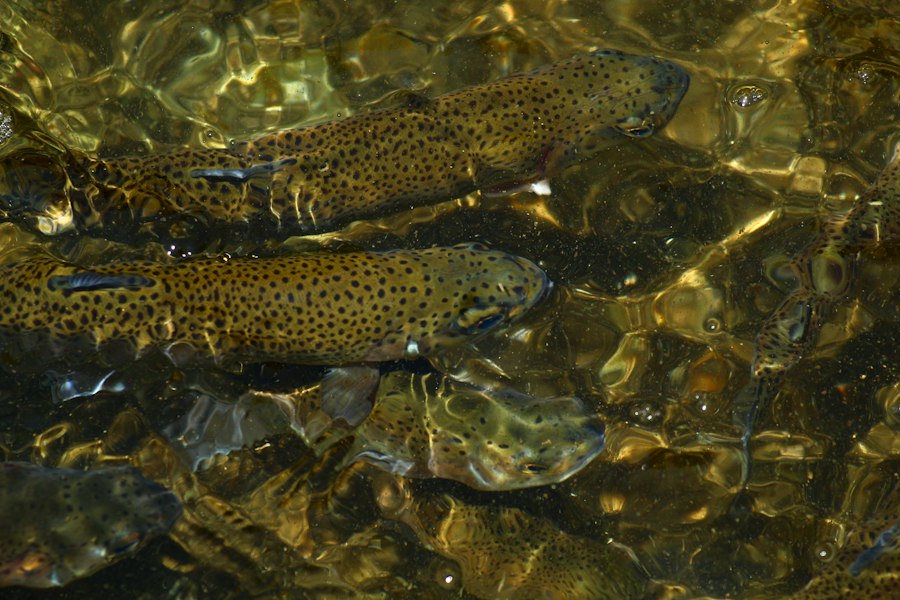
The most immediate and often devastating impact of brown trout introductions stems from their potent predatory capabilities. As apex predators in many of their introduced ranges, they exert significant pressure on native fish populations, leading to declines and, in some cases, local extinctions. Their diet is broad, encompassing a diverse array of aquatic organisms, with a particular focus on smaller fish, invertebrates, and even terrestrial insects that fall into the water. This generalist feeding strategy means that virtually any native species that shares their habitat is a potential food source.
Competition for Food Resources
Beyond direct predation, brown trout also engage in intense competition with native fish for essential resources. Their aggressive nature often allows them to outcompete native species for prime feeding territories, particularly areas rich in insect larvae or small crustaceans. This competition can lead to reduced foraging success for native fish, impacting their growth rates, reproductive output, and overall fitness. Young native fish, especially those in their larval and juvenile stages, are particularly vulnerable to both direct predation by adult brown trout and indirect competition for food. The energy reserves that native fish would otherwise allocate to growth and development are instead diverted to escaping predation or securing scarce food, creating a vicious cycle of decline.
Depletion of Native Fish Populations
The cumulative effect of predation and competition can be the severe depletion of native fish populations. Studies across various continents have documented significant declines in endemic fish species following the introduction of brown trout. For instance, in some North American alpine lakes, the introduction of brown trout has led to the near or complete disappearance of native char species that were once abundant. These native species, often specialized to their environments, lack the evolutionary defenses and competitive edge to withstand the onslaught of this introduced predator. The loss of these native fish not only diminishes biodiversity but also disrupts intricate food webs, potentially affecting populations of other organisms that rely on them for sustenance, such as piscivorous birds and mammals. The ripple effect extends beyond the fish themselves, impacting the overall health and stability of the aquatic ecosystem.
Habitat Alteration and Ecosystem Structure

The influence of brown trout extends beyond direct interactions with other species. Their presence can also lead to subtle yet significant alterations in habitat use and the overall structure of aquatic ecosystems. These changes, driven by predator avoidance and competitive exclusion, can have long-lasting consequences for the entire community.
Behavioral Shifts in Native Species
Native prey species often exhibit behavioral adaptations in the presence of a novel predator. This can manifest as altered activity patterns, with native fish becoming more cryptic and less mobile to avoid detection. They may shift their foraging times to periods of lower predator activity or concentrate in areas that offer better refuge, even if these areas are less resource-rich. Such behavioral modifications can lead to reduced feeding opportunities, increased stress levels, and a compromised ability to reproduce successfully. For example, native invertebrates might change their emergence patterns, and native fish might spend more time hiding than actively feeding, thus impacting their growth and survival rates. This constant state of vigilance can drain valuable energy reserves, making them more susceptible to other environmental stressors.
Trophic Cascades and Food Web Restructuring
The introduction of a highly effective predator like the brown trout can trigger trophic cascades, fundamentally restructuring the food web. By heavily preying on native fish, brown trout can reduce the grazing pressure that these native fish exert on lower trophic levels, such as invertebrates. This can lead to an increase in the abundance of certain invertebrate species, which in turn can impact algal communities or aquatic plant life. Alternatively, if the native fish are important predators of invertebrates, their decline due to brown trout can lead to an overabundance of those invertebrates, potentially altering the physical structure of the habitat through increased grazing on periphyton or macrophytes. These complex interactions demonstrate how the introduction of a single species can propagate through the ecosystem, creating unforeseen consequences at multiple trophic levels. The food web, once characterized by intricate dependencies, becomes simplified and less resilient.
Impacts on Biodiversity and Ecosystem Resilience
The long-term consequences of brown trout introductions are profoundly felt in the realm of biodiversity. The loss of native species and the alteration of ecosystem structure weaken the overall resilience of these aquatic environments, making them more vulnerable to other environmental changes.
Reduction in Native Species Richness
One of the most significant impacts is the demonstrable reduction in native species richness. As brown trout proliferate, they can outcompete or prey upon native fish to such an extent that they become locally extirpated. This loss of unique genetic lineages and species represents an irreversible diminishment of biodiversity. The elimination of native fish can also have cascading effects on other species that depend on them for food or as hosts for parasitic or symbiotic relationships. The overall tapestry of life within the ecosystem becomes frayed, with fewer threads to support the remaining components. The intricate web of life, built over millennia, begins to unravel under the pressure of a single, dominant predator.
Altered Ecosystem Functionality
Beyond species loss, the altered structure and dynamics of the ecosystem can lead to impaired functionality. Ecosystem resilience, the ability of an ecosystem to resist disturbance and recover from it, is often compromised. A more simplified food web, with fewer species and weaker interconnections, is less able to buffer against environmental stressors such as pollution, climate change, or disease outbreaks. Native ecosystems, with their diverse array of species and complex interactions, are generally more robust and adaptable. The introduction of a dominant invasive species can strip away this resilience, leaving the ecosystem more susceptible to collapse. For example, a system heavily reliant on native fish for insect control might experience an explosion of insect populations following their decline, leading to further ecological imbalances. The very processes that sustain the ecosystem – nutrient cycling, energy flow, and population regulation – can be disrupted.
The introduction of brown trout by humans has had significant ecological impacts, as discussed in a related article that explores historical parallels in environmental changes. This fascinating piece highlights how human actions, such as the introduction of non-native species, can lead to unintended consequences in ecosystems. For more insights on this topic, you can read the article here: learning from history. Understanding these historical contexts can help us navigate current environmental challenges more effectively.
Management and Mitigation Strategies
| Metric | Value | Details |
|---|---|---|
| Scientific Name | Salmo trutta | Commonly known as brown trout |
| Native Range | Europe, Western Asia, North Africa | Original habitats before human introduction |
| Introduced Regions | North America, Australia, New Zealand, South America | Regions where brown trout have been introduced by humans |
| Introduction Purpose | Sport fishing, aquaculture | Reasons for human introduction |
| Impact on Native Species | Competition, predation | Effects on local fish populations and ecosystems |
| Average Size | 20-30 inches (50-75 cm) | Typical adult size in introduced habitats |
| Average Weight | 2-8 pounds (1-3.5 kg) | Weight range in introduced environments |
| Reproductive Rate | Spawns once per year | Reproductive behavior in introduced areas |
| Survival Rate of Introduced Populations | Variable (30-70%) | Depends on environmental conditions and management |
Addressing the pervasive impact of human-introduced brown trout requires a multi-pronged approach involving ecological understanding, proactive management, and, in some cases, decisive intervention. The goal is to minimize ongoing damage and, where feasible, restore native ecological integrity.
Invasive Species Control and Eradication
In many invaded areas, the primary management goal is to control or, in ideal circumstances, eradicate the invasive brown trout. This can involve a range of techniques, from targeted fishing efforts and netting to the use of electrofishing to remove individuals. In some highly contained environments, such as isolated alpine lakes, complete eradication might be achievable. However, in larger, interconnected river systems, eradication is often exceedingly difficult, if not impossible. In such cases, management shifts towards containment and reduction of population densities to levels that minimize impact on native species. This requires ongoing monitoring and sustained management efforts. The economic and logistical challenges of large-scale eradication can be substantial, often necessitating significant financial investment and public support.
Restoration of Native Fish Populations
Concurrent with invasive species control, efforts to restore native fish populations are crucial. This can involve captive breeding programs for endangered native species, followed by reintroduction into suitable habitats where invasive predators have been controlled. Habitat restoration also plays a vital role, ensuring that native fish have access to clean water, adequate spawning grounds, and sufficient food resources. Creating or enhancing refugia where native fish can survive and reproduce, free from the intense pressure of invasive predators, is a key strategy. Ultimately, the long-term success of restoration hinges on the ability to maintain healthy, self-sustaining populations of native fish that can effectively compete and coexist within the ecosystem, even in the presence of some level of introduced species. This often involves careful consideration of the specific ecological niche each native species occupies and the creation of conditions that favor their recovery.
The Role of Human Activity and Future Directions
The persistent presence of brown trout in non-native waters is a direct consequence of human actions, highlighting the critical need for responsible practices in wildlife management and recreational activities. Future directions in managing this invasive species must focus on prevention, improved understanding, and adaptive strategies.
Prevention of Future Introductions
The most effective strategy for managing invasive species is prevention. This involves stringent regulations on the stocking of non-native fish for sport fishing, along with public education campaigns to raise awareness about the ecological risks associated with unauthorized introductions. Education should emphasize the importance of native biodiversity and the potential harm caused by introducing species outside their natural range. Biosecurity measures at hatcheries and during the transport of fish are also essential to prevent the accidental spread of invasive species. The concept of “clean, drained, and dry” for boating and fishing equipment is a crucial element of preventing the unintentional movement of aquatic invasive species, including the larval or egg stages of some fish.
Research and Monitoring for Adaptive Management
Continued research into the ecological impacts of brown trout and the effectiveness of various management strategies is vital. This includes long-term monitoring of native fish populations, habitat conditions, and the invasive species itself. Understanding the specific vulnerabilities of native species and the ecological contexts in which brown trout have the greatest impact can inform more targeted and effective management interventions. Adaptive management, which involves continuously evaluating the outcomes of management actions and adjusting strategies based on new information, is essential for long-term success. This iterative process allows for flexibility and responsiveness to the dynamic nature of ecological systems and the challenges posed by invasive species. The goal is not necessarily eradication in all cases but rather achieving a state of ecological balance where native biodiversity can persist and thrive.

The 7,000-Year-Old Secret Hidden Under a Lake
FAQs
1. How were brown trout introduced by humans?
Brown trout were introduced by humans through intentional stocking in various water bodies around the world for recreational fishing purposes.
2. What impact do brown trout have on native fish species?
Brown trout can have negative impacts on native fish species by outcompeting them for food and habitat, leading to declines in native populations.
3. What is the typical habitat of brown trout?
Brown trout are typically found in cold, clean streams, rivers, and lakes with gravel bottoms and plenty of cover such as rocks and vegetation.
4. How do brown trout contribute to the ecosystem?
Brown trout play a role in the ecosystem by controlling insect populations, serving as prey for larger predators, and contributing to nutrient cycling in aquatic environments.
5. Are there any regulations regarding the introduction of brown trout?
Many regions have regulations in place to control the introduction of brown trout to prevent negative impacts on native species and ecosystems. These regulations may include permits, stocking limits, and monitoring programs.