
The vast, arid expanse of the Nazca Desert in southern Peru holds an enigma that has captivated archaeologists, astronomers, and the curious for generations: the Nazca Lines. These colossal geoglyphs, etched into the earth by the ancient Nazca culture over two millennia ago, depict an astonishing array of creatures, from hummingbirds and monkeys to lizards and spiders. Yet, amidst the more commonly recognized figures, a specific group of geoglyphs has always commanded a particular fascination, and indeed, a touch of primal awe: the birds of prey. These majestic, powerful avian predators, rendered on a scale that dwarfs human comprehension, are not merely artistic expressions; they are silent testaments to a worldview, a cosmology, and perhaps, a deeper understanding of the natural world that shaped the Nazca people. Examining these avian giants in the shadow of their terrestrial counterparts reveals a nuanced perspective on Nazca society and its relationship with the forces it revered.
The Silent Guardians of the Pampas
The sheer scale of the Nazca Lines is often the first element that strikes observers, and this is particularly true of the avian figures. Unlike the delicate, intricate patterns found in some ancient art, these geoglyphs are designed to be viewed from above, their vast outlines painstakingly traced into the desert floor. Among these aerial artists, the birds of prey stand out not only for their size but also for their inherent symbolism. Eagles, condors, and what are often interpreted as falcons or hawks dominate many of these interpretations, their wingspans stretching hundreds of meters, their beaks sharp, and their talons, though unseen in the etched lines, implied with a potent sense of purpose. These are not gentle songbirds; they are hunters, masters of the sky, possessing vision that can pierce the haze and a strength that allows them to dominate their aerial domain. Their presence in the geoglyphic lexicon suggests a profound respect, even reverence, for these apex predators and the qualities they embodied.
Defining the Avian Pantheon
Identifying the precise species depicted by the Nazca artists can be a complex undertaking. While some figures bear a strong resemblance to known local raptors, others are more stylized, a blend of observable traits and symbolic representation. The “condor” figure, for instance, is unmistakable with its broad wings and distinctive neck ruff, often interpreted as mirroring the Andean condor, a creature of immense spiritual significance in Andean cultures. Other figures, with their sharp, hooked beaks and streamlined bodies, are often categorized as eagles or falcons. Some scholars suggest a more generalized representation of predatory birds, a composite archetype embodying the essence of avian hunting prowess. The careful placement of these figures, often in proximity to other zoomorphic designs, hints at a deliberate grouping, a celestial bestiary laid out upon the desert canvas. The ambiguity in species identification, however, does not detract from their impact; rather, it invites deeper contemplation about the overarching symbolism of flight, power, and the connection between the earthly realm and the heavens.
The Language of Line and Space
The creation of the Nazca Lines itself is a marvel of ancient engineering and meticulous planning. The Nazca people, lacking wheeled transport or sophisticated tools by modern standards, managed to create these enduring monuments by carefully removing the dark, iron-oxide coated stones from the desert surface, exposing the lighter-colored earth beneath. The sheer precision required to maintain the integrity of these massive figures, especially over uneven terrain, is astonishing. For the birds of prey, this involved not only depicting their form but also conveying their dynamic nature – the sweep of a wing in flight, the tension in a coiled posture. The use of negative space is as crucial as the lines themselves; the areas between the etched lines are as much a part of the design as the outlines. This deliberate manipulation of the landscape, transforming vast swathes of desert into a canvas visible only from the heavens, speaks volumes about the Nazca worldview, where the earthly and the divine were intricately intertwined.
The Nazca lines, particularly the intricate designs of birds of prey, have long fascinated researchers and enthusiasts alike, sparking discussions about their purpose and creation. For those interested in exploring the advanced technologies that ancient civilizations may have employed, a related article titled “Advanced Tech in Lost Civilizations: Uncovering Ancient Innovations” provides intriguing insights. You can read more about it by following this link: Advanced Tech in Lost Civilizations.
Symbolism Etched in the Sands
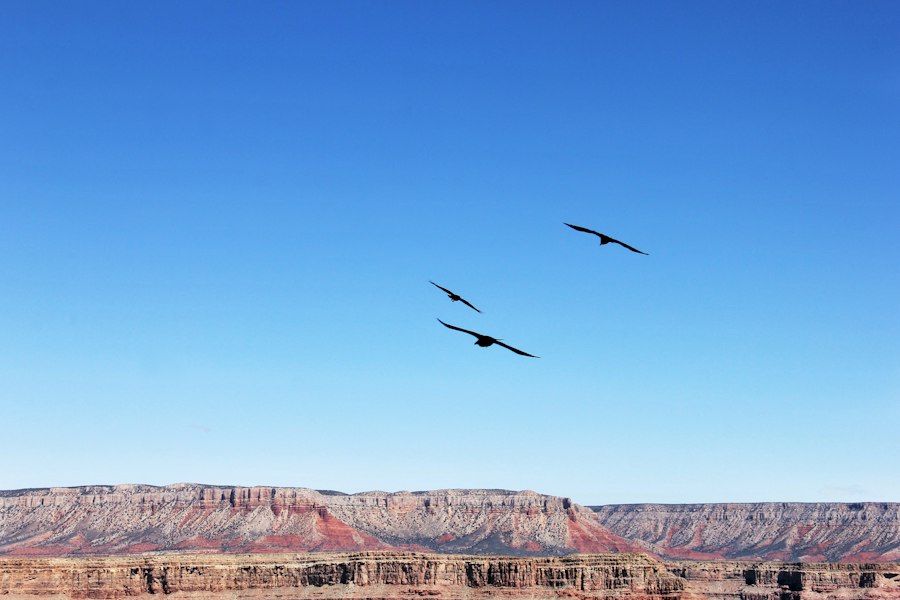
The presence of birds of prey in the Nazca geoglyphs is far from accidental. Across numerous cultures, both ancient and modern, these birds have been imbued with potent symbolism, representing concepts such as power, divine authority, keen vision, and the connection between the earthly and spiritual realms. For the Nazca, it is plausible that these avian figures served similar functions, acting as intermediaries between the human world and the gods, or perhaps as manifestations of celestial deities themselves. Their dominance in the sky, their ability to see from afar, and their lethal effectiveness as hunters would have made them natural candidates for such revered roles.
Messengers of the Divine
One of the most compelling interpretations of the Nazca birds of prey is their role as celestial messengers. In many ancient mythologies, birds are seen as carriers of messages between the gods and humans, or as conduits for souls. The Nazca, living in a harsh and often unpredictable environment, would have been keenly aware of the natural forces that governed their lives. The sky, with its ever-changing patterns of weather and the presence of celestial bodies, would have been a source of both wonder and apprehension. The birds of prey, as denizens of this vast expanse, could have been perceived as living bridges to the divine, their flight patterns and migratory routes carrying omens or pronouncements from the gods. Their inclusion in the geoglyphic repertoire suggests a desire to appease, communicate with, or perhaps even summon these powerful entities.
Embodiments of Power and Authority
The raw power and predatory prowess of birds of prey are undeniable. Their sharp talons, their ability to dive at incredible speeds, and their unfaltering gaze have made them symbols of strength and authority throughout history. For the Nazca, who lived in a society that likely had its own hierarchies and forms of governance, it is conceivable that these avian figures represented the ultimate form of power, a celestial authority that transcended earthly limitations. The sheer size and permanence of the geoglyphs suggest an intention to project this power, to assert a connection with these potent forces, and perhaps to legitimize their own authority through this symbolic association.
The Gift of Vision and Foresight
The remarkable visual acuity of birds of prey is legendary. Their ability to spot prey from great distances has led to their association with keen insight, foresight, and spiritual vision. In the Nazca context, this could translate to a desire for wisdom, for understanding the future, or for seeing beyond the immediate and the mundane. The Nazca people, facing the challenges of survival in an arid environment, would have greatly valued any form of foresight that could aid them in planning and adaptation. The birds of prey, in their silent vigil over the desert, could have been seen as guardians of this divine insight, their geoglyphic forms a constant reminder of the importance of looking beyond the immediate horizon.
The Sky Above, the Earth Below: A Cosmological Canvas

The Nazca Lines, in their entirety, are not merely a collection of isolated images; they are believed to represent a complex cosmological map, a representation of the Nazca understanding of the universe. The placement of the geoglyphs, their alignment with celestial bodies, and their interrelationships suggest a profound engagement with astronomy and the cycles of the cosmos. The birds of prey, occupying a prominent position within this celestial theater, likely played a crucial role in this cosmological framework, connecting the earthly realm with the celestial sphere.
Astronomical Alignments and Celestial Cycles
A significant body of research has explored the potential astronomical alignments of the Nazca Lines. Many of the figures, including some of the birds of prey, are believed to be oriented towards specific celestial events, such as solstices, equinoxes, or the rising and setting of particular stars and constellations. This suggests that the Nazca people possessed a sophisticated understanding of the night sky and its movements. The birds of prey, with their inherent connection to the heavens, would have been natural markers within this astronomical system, perhaps representing specific constellations or celestial phenomena. Their inclusion in these alignments reinforces the idea that the geoglyphs were not just decorative but served a functional, perhaps ritualistic, purpose tied to the observation and interpretation of the cosmos.
Navigating the Spiritual Landscape
Beyond astronomical observation, the Nazca Lines are also thought to represent a spiritual landscape, a map of sacred sites and pilgrimage routes. The geoglyphs may have served as directional markers, guiding individuals or groups through the desert on journeys of religious or ritualistic significance. The birds of prey, in this context, could have symbolized certain destinations or points of spiritual power within this landscape. Their imposing presence might have indicated areas of particular sacredness or regions where the veil between the earthly and the divine was considered thinnest, places where communication with the gods was more readily achieved.
The Interconnectedness of All Things
Ultimately, the Nazca Lines, including the striking birds of prey, speak to a worldview that emphasizes the interconnectedness of all things. The Nazca people lived in close harmony with their environment, and their art and monumental constructions reflect this deep connection to the natural world. The birds of prey, as powerful beings of the sky, are integrated into this holistic vision, bridging the gap between the terrestrial and the celestial, the physical and the spiritual. They are not separate entities but integral components of a vast, interconnected cosmos that the Nazca sought to understand, honor, and influence through their extraordinary art.
The Mystery of Purpose: Ritual, Astronomy, or Something More?
Despite decades of study, the precise purpose and function of the Nazca Lines, and by extension the birds of prey geoglyphs, remain a subject of ongoing debate and speculation. While various theories have been proposed, ranging from astronomical calendars to irrigation systems, a definitive answer continues to elude researchers. The grandeur and complexity of these creations suggest a deep cultural significance, likely encompassing a multifaceted purpose that may have evolved over time.
Astronomical Calendars and Agricultural Cycles
One of the most enduring theories posits that the Nazca Lines served as a giant astronomical calendar, their alignments with celestial events helping the Nazca people track seasons, predict rainfall, and optimize agricultural cycles. The desert environment, with its scarce resources, would have made such knowledge crucial for survival. The birds of prey, with their potential astronomical associations, could have played a role in marking specific times of the year, perhaps signaling the arrival of a particular season or a significant celestial event that was vital for their farming practices.
Ritual Pathways and Ceremonial Sites
Another prominent theory suggests that the Nazca Lines were integral to religious rituals and ceremonies. The geoglyphs may have functioned as sacred pathways, guiding processions or pilgrims to specific ceremonial sites. The birds of prey, as symbols of power and spiritual connection, could have been part of these rituals, perhaps representing deities invoked during ceremonies or acting as markers of sacred spaces where offerings were made or important pronouncements were delivered. The sheer scale of the lines implies a collective effort, suggesting that their creation and use involved communal participation in significant events.
The Water Cult Hypothesis
More recently, the “water cult” hypothesis has gained traction, suggesting that the Nazca Lines were directly related to water management and appeasement rituals. In an arid region, water was the most precious resource, and it is theorized that the Nazca people created the geoglyphs to petition their gods for rain. The birds of prey, with their association with the sky and therefore the source of rain, could have been particularly important in these water-related ceremonies, their forms a plea to the heavens for life-giving precipitation.
The Nazca Lines, particularly the intricate designs of birds of prey, have long fascinated researchers and enthusiasts alike, prompting discussions about the advanced capabilities of ancient civilizations. These geoglyphs, etched into the Peruvian desert, are believed to have held significant cultural and astronomical meanings. For those interested in exploring the broader context of ancient technologies and architectural marvels, a related article can provide valuable insights into the evidence of advanced civilizations. You can read more about this intriguing topic in the article on the lost legacy of ancient civilizations found here.
Enduring Legacy and Modern Interpretation
| Metric | Description | Value | Unit |
|---|---|---|---|
| Length of Bird of Prey Geoglyph | Approximate length of the Nazca bird of prey figure | 300 | meters |
| Estimated Age | Estimated age of the Nazca lines including the bird of prey | 1500 | years |
| Altitude of Viewing Point | Height from which the bird of prey geoglyph is best viewed | 500 | meters |
| Number of Lines in Path Theme | Count of individual lines forming the bird of prey path theme | 12 | lines |
| Width of Lines | Average width of the lines forming the bird of prey geoglyph | 0.5 | meters |
| Location Coordinates | Geographic coordinates of the Nazca bird of prey geoglyph | 14.7° S, 75.1° W | Latitude, Longitude |
The Nazca Lines, including the awe-inspiring birds of prey, continue to inspire wonder and fuel scholarly inquiry. Their enduring mystery only adds to their allure, drawing millions of visitors to the Nazca region each year, eager to witness these ancient marvels firsthand. The careful preservation and ongoing study of these geoglyphs are vital for understanding not only the Nazca culture but also the ingenuity and spiritual depth of ancient civilizations.
The Challenge of Preservation
The fragile nature of the Nazca Lines presents a significant challenge for their preservation. The desert environment, while responsible for their survival for millennia, also makes them susceptible to erosion from wind and sand. Human activity, including tourism and agricultural expansion, also poses a threat. Efforts to protect these UNESCO World Heritage sites are crucial, involving strict regulations and continuous monitoring to ensure that future generations can also marvel at these extraordinary creations.
Contemporary Scholarship and New Discoveries
Modern scholarship, aided by advanced technologies such as satellite imagery and Geographic Information Systems (GIS), continues to shed new light on the Nazca Lines. These tools allow for more precise mapping, analysis of alignments, and the discovery of previously unnoticed geoglyphs. As new data emerges and analytical techniques evolve, our understanding of the birds of prey and their place within the Nazca cosmological and cultural landscape continues to deepen, pushing the boundaries of our knowledge about this enigmatic civilization.
A Timeless Connection to the Sky
The Nazca birds of prey, etched into the vast canvas of the desert, remain silent witnesses to a civilization that looked to the heavens for guidance, meaning, and power. Their colossal forms, soaring eternally across the pampas, serve as a powerful reminder of humanity’s enduring fascination with the natural world and its desire to connect with forces beyond our immediate grasp. In their shadow, we find not just ancient art, but a profound testament to a culture that understood the intricate dance between the earth and the sky, and that sought to immortalize its reverence for the masters of the air in lines that would outlast their creators by millennia.

AI Found New Nazca Drawings—Could People See Them from the Ground?
FAQs
What is the Nazca birds of prey path theme?
The Nazca birds of prey path theme refers to a series of geoglyphs found in the Nazca Desert in Peru, depicting various birds of prey such as condors, eagles, and hawks.
How were the Nazca birds of prey geoglyphs created?
The Nazca birds of prey geoglyphs were created by removing the reddish-brown iron oxide-coated pebbles that cover the surface of the Nazca Desert, revealing the lighter-colored earth beneath.
What is the significance of the Nazca birds of prey geoglyphs?
The Nazca birds of prey geoglyphs are believed to have had religious or ceremonial significance to the ancient Nazca people, possibly representing their connection to the spiritual world or their reverence for these powerful birds.
When were the Nazca birds of prey geoglyphs created?
The Nazca birds of prey geoglyphs are estimated to have been created between 500 BC and 500 AD, during the Nazca culture’s peak in the region.
Can visitors see the Nazca birds of prey geoglyphs today?
Yes, visitors can see the Nazca birds of prey geoglyphs from the air by taking a flight over the Nazca Desert, as the geoglyphs are best viewed from above due to their large size and intricate designs.