The Inca, a civilization that rose from humble beginnings in the Andean highlands, achieved a level of engineering prowess that continues to awe and inspire. Their ability to conquer a formidable and geographically challenging landscape, coupled with their sophisticated understanding of architecture, hydraulics, and urban planning, solidified their place as one of history’s most remarkable engineering marvels. This article delves into the multifaceted achievements of Inca engineering, exploring their ingenuity in conquering mountains, their mastery of water management, their monumental construction techniques, and the enduring legacy of their innovations.
The very existence of the Inca Empire, stretching over 3,000 miles along the western coast of South America, is a testament to their capacity for overcoming immense geographical obstacles. The Andes Mountains, with their towering peaks, steep valleys, and treacherous terrain, posed a significant challenge to any civilization aspiring to unity and control. The Inca, however, did not merely adapt to this environment; they transformed it, creating infrastructure that facilitated communication, trade, and military movement.
The Inca Road System: The Arteries of an Empire
Perhaps the most iconic of Inca engineering achievements is the Qhapaq Ñan, or the Royal Road. This vast network of over 25,000 miles of meticulously constructed roads crisscrossed the Andes, connecting the disparate regions of the empire. This was not a haphazard collection of trails but a deliberately planned and engineered system, designed for efficiency and durability.
Material Selection and Construction Techniques
The construction of the Qhapaq Ñan involved a deep understanding of local resources. Stones were quarried and precisely cut to form smooth, leveled surfaces. In softer terrain, packed earth and gravel were used, often reinforced with woven grass mats. Where necessary, the Inca constructed stone causeways, bridges, and stairways, transforming impassable gradients into navigable routes. The roads were typically wide enough for two llamas to pass comfortably, and in crucial areas, such as mountain passes, they were even wider.
Bridges: Spanning the Chasm with Skill
The numerous deep gorges and roaring rivers of the Andes presented a formidable barrier. The Inca developed ingenious methods for bridging these chasms, many of which were remarkably durable and innovative for their time.
Suspension Bridges: Weaving a Path Across the Void
The most famous of Inca bridge-building were their suspension bridges, constructed from ichu grass, a tough native reed. Teams of skilled weavers would meticulously braid the grass into thick ropes, some as broad as a man’s torso. These ropes were then anchored to stone abutments on either side of the gorge. Multiple such ropes formed the main structure, supporting a wooden plank walkway. These bridges, while requiring constant maintenance and annual renewal, were vital arteries of the empire, allowing for the rapid movement of armies, messengers (chasquis), and goods. The engineering involved in calculating the tensile strength of the ropes, the anchoring points, and the distribution of weight was remarkable, especially given the lack of advanced metallurgy or complex mathematical formulas as understood in other parts of the world.
Stone and Wooden Bridges: Enduring Solutions
For narrower rivers or less challenging crossings, the Inca also employed robust stone arch bridges or simple wooden beam bridges. These constructions, often integrated seamlessly into the surrounding landscape, further demonstrated their adaptability and resourcefulness.
Stairways and Ramps: Ascending the Steep Slopes
In regions with extreme elevation changes, the Inca carved intricate stairways directly into the mountainside or constructed extensive ramps. These were not just functional; they were often masterpieces of stonework, with each step precisely cut and fitted. This allowed for pedestrian and llama traffic to ascend and descend even the steepest inclines with relative ease. The precision of these cuts minimized erosion and ensured long-term stability.
Rest Stops and Relay Stations: Facilitating Communication and Travel
Integrated within the road system were tambos, or rest stops and supply depots. These strategically located facilities provided shelter, food, and fresh llamas for travelers. The tambos were also crucial for the empire’s communication network. Chasquis, highly trained runners, would relay messages from one tambo to the next, enabling news and orders to travel across the vast empire with surprising speed. The efficiency of this system, supported by the well-maintained roads and reliable tambos, was a key factor in the Inca’s administrative success.
The engineering prowess of the Inca civilization is a fascinating subject, particularly when considering their advanced agricultural techniques and road systems that facilitated communication across vast distances. For a deeper understanding of how civilizations manage resources and governance, you might find the article on space governance insightful. It explores the complexities of control and management in a context that parallels the organizational skills of ancient societies. You can read more about it here: Who Controls Space? Unsettling Questions About Space Governance.
Water Management: The Lifeblood of the Empire
Water was a precious commodity in the arid and mountainous regions where the Inca thrived. Their mastery of hydraulic engineering was crucial for agriculture, urban development, and maintaining a healthy population. The Inca developed sophisticated systems for capturing, storing, and distributing water, transforming their environment and enabling the sustenance of their large empire.
Irrigation Systems: Feeding a Growing Population
The Inca were exceptional agriculturalists, and their irrigation systems were central to their success. They understood how to channel water from distant sources, such as snowmelt rivers and mountain springs, to their terraced fields, even in areas with minimal rainfall.
Terracing: Maximizing Arable Land
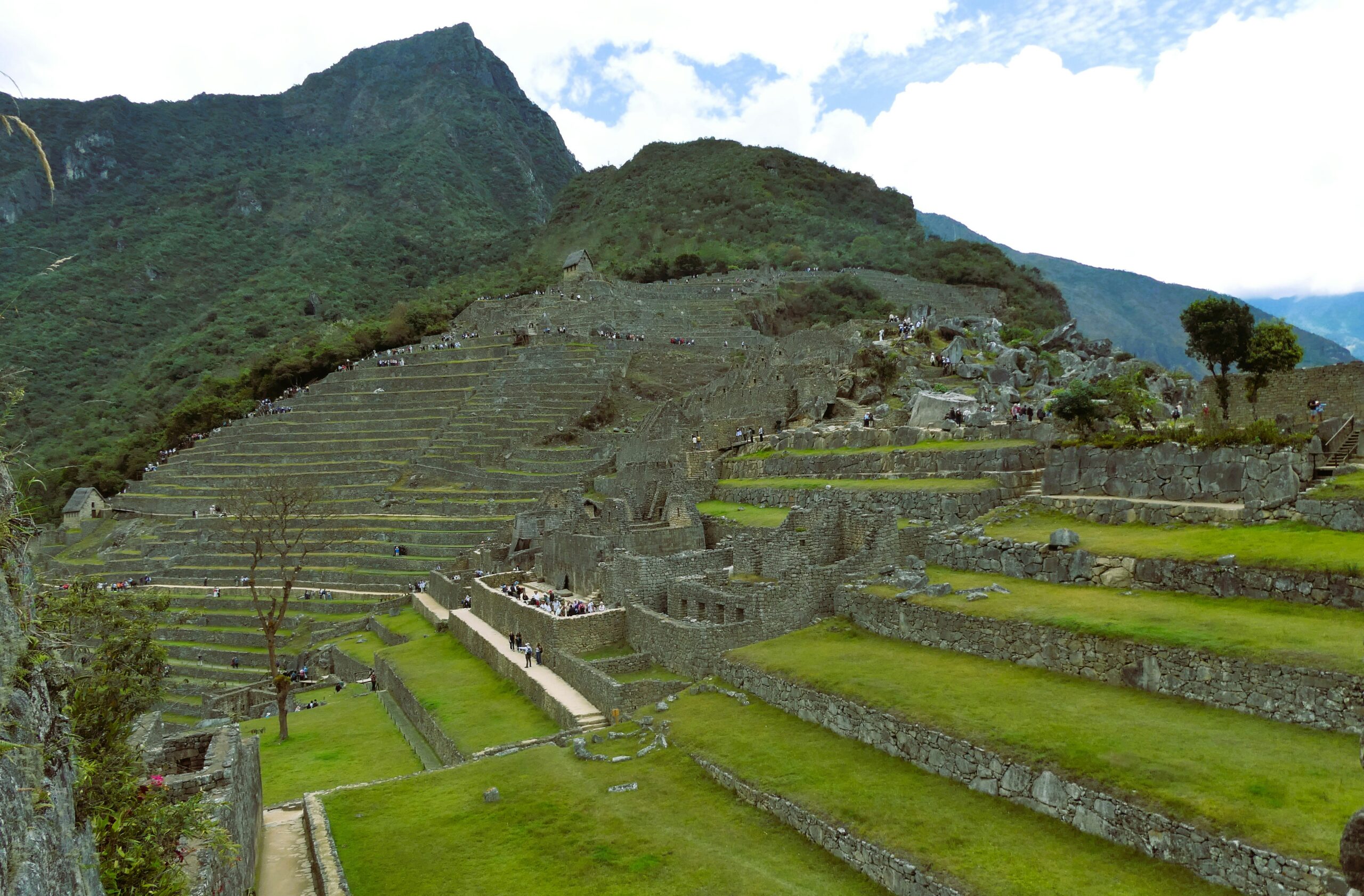
The construction of extensive agricultural terraces, known as andenes, was a defining feature of Inca agriculture. These stepped fields, carved into the sides of mountains, not only created vast areas of arable land but also played a crucial role in water management.
Erosion Control and Water Retention
The construction of the andenes involved the careful placement of stones and soil. A layer of large stones at the base provided stability, followed by layers of gravel and smaller stones for drainage. A rich topsoil was then added. The walls of the terraces were often built with sophisticated drainage systems, allowing excess water to flow away, preventing waterlogging and erosion. The stepped nature of the terraces also helped to slow down water flow, allowing it to be absorbed by the soil and preventing it from rushing downhill.
Distribution Networks: Bringing Water to the Fields
A sophisticated network of canals and aqueducts was constructed to transport water from its sources to the terraces. These canals were often lined with stones or clay to prevent leakage and lined with carefully cut stones to ensure smooth flow. The gradient of the canals was meticulously calculated to ensure a steady supply of water without causing excessive erosion. In some cases, they built impressive aqueducts, some spanning several miles, to carry water across valleys and difficult terrain.
Reservoirs and Cisterns: Storing Precious Resources
To ensure a consistent water supply, especially during dry seasons, the Inca built numerous reservoirs and cisterns. These structures, often carved directly into rock or constructed with immense stone walls, would collect rainwater and water from rivers. Some reservoirs were quite large, capable of storing vast quantities of water for irrigation and domestic use.
Aqueducts and Wastewater Management: Urban Sophistication
The Inca cities, particularly their capital Cusco, were feats of urban planning and sanitation, underpinned by advanced water management.
Clean Water Supply
Aqueducts, often constructed with precisely cut stones and impressive engineering, brought clean drinking water from mountain springs into the cities. The Inca understood the importance of separating clean water sources from waste.
Wastewater Drainage
A sophisticated network of underground drainage channels, often lined with stones, carried wastewater away from residential areas and public spaces. This prevented the spread of disease and maintained a level of hygiene remarkable for pre-modern societies. In some areas, these channels were elaborate, with carefully designed gradients and overflow mechanisms. The Inca’s ability to manage both the influx of clean water and the outflow of wastewater was a critical factor in the health and sustainability of their rapidly growing urban centers.
Monumental Architecture: Building for Eternity
The Inca are renowned for their monumental stone constructions, characterized by their precision, durability, and aesthetic appeal. Their architectural achievements stand as a testament to their organizational skills, their understanding of materials, and their unwavering dedication to quality.
Dry-Stone Masonry: Perfect Interlocking Stones
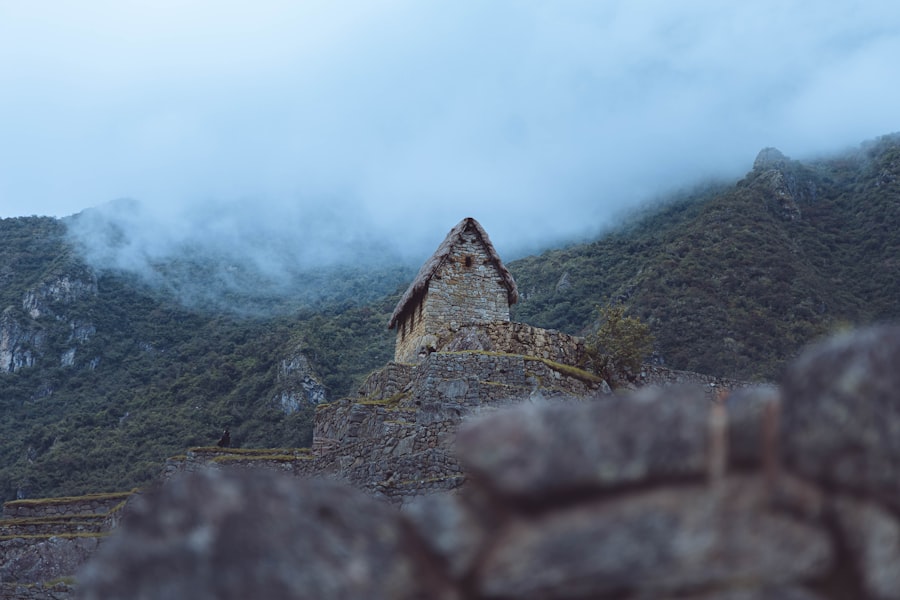
The hallmark of Inca architecture is their exquisite dry-stone masonry. This technique involves fitting massive, irregularly shaped stones together with such precision that no mortar or binding agent is needed.
Precision Cutting and Fitting
The Inca masons achieved this incredible precision through a laborious and highly skilled process. Stones were quarried, roughly shaped, and then meticulously carved and polished until they fit perfectly with their neighbors. This involved using harder stones as tools and a deep understanding of the properties of different local rocks. They would often mark their stones, indicating which piece fit where, demonstrating an advanced level of pre-planning and organization. The result was walls that were not only incredibly strong but also remarkably resistant to earthquakes, a common hazard in the Andes.
Examples of Masterful Masonry
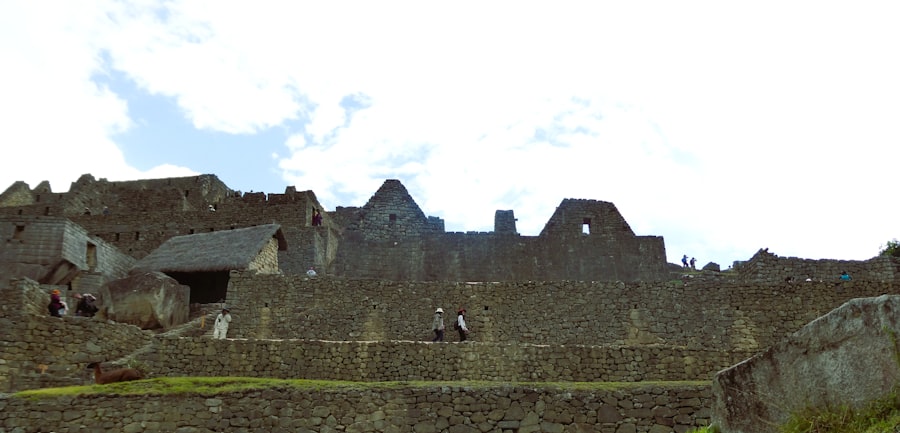
Iconic sites like Machu Picchu, Sacsayhuamán, and Ollantaytambo showcase this dry-stone masonry at its finest. The sheer scale of the stones used, some weighing many tons, and the impossibility of fitting them together so perfectly without sophisticated techniques, continue to baffle modern engineers. The corners of buildings, especially in important structures, were often rounded, further improving their seismic resistance.
Urban Planning and Construction: Cities of Stone
The Inca were not just builders of individual structures; they were master urban planners, designing and constructing cities that were functional, aesthetically pleasing, and integrated with their natural surroundings.
Site Selection and Layout
Inca cities were often strategically located, taking advantage of natural defenses, access to water, and fertile land. The layout of these cities was carefully planned, with distinct areas for religious ceremonies, administrative functions, residential quarters, and agricultural production. The alignment of buildings with celestial events or cardinal directions was often a significant consideration, reflecting their deep spiritual connection to the cosmos.
Integration with the Landscape
A key element of Inca urban planning was the seamless integration of their constructions with the natural landscape. Instead of clearing land for their structures, they often built around existing rock formations, incorporating them into walls and foundations. This not only saved labor but also created a harmonious relationship between the built environment and the natural world. At Machu Picchu, for example, the terraces and buildings seem to grow organically from the mountaintop.
Specialized Structures: Temples, Palaces, and Fortifications
The Inca constructed a variety of specialized structures, each demonstrating a particular aspect of their engineering prowess.
Religious and Ceremonial Structures
Temples, such as the Coricancha in Cusco, were often adorned with gold and intricate stonework, reflecting their religious significance. These structures were designed to impress and inspire awe, with precise alignments and carefully considered acoustic properties in some cases.
Palaces and Administrative Buildings
The residences of the Inca elite and administrative buildings were also built to last, utilizing the same high-quality stonework. These structures were designed for both functionality and display of power and status.
Fortifications: Defending the Empire
The Inca built formidable fortresses and defensive walls to protect their empire. Sacsayhuamán, overlooking Cusco, is a prime example, with its massive zigzagging walls constructed from enormous stones, designed to deter any attacking force. The strategic placement of these fortifications, combined with their robust construction, made them a formidable challenge for any adversary.
Astronomical Observations and Measurement: Aligning with the Cosmos
The Inca civilization possessed a profound understanding of astronomy, and this knowledge was deeply integrated into their engineering and architectural practices. They observed the celestial movements with remarkable accuracy, and their constructions often reflected this understanding, serving as both practical tools for timekeeping and calendrical calculations and as expressions of their cosmic worldview.
Celestial Alignments in Architecture
Many Inca structures were deliberately aligned with significant celestial events, such as the rising and setting of the sun or specific constellations.
Solar Observatories: Tracking the Sun’s Path
Structures like the Intihuatana (meaning “hitching post of the sun”) are believed to have served as solar observatories. These carved stones and their surrounding plazas allowed the Inca to track the sun’s movement throughout the year, correlating its position with solstices, equinoxes, and other important astronomical markers. This knowledge was crucial for determining planting and harvesting times, religious festivals, and other critical aspects of their agricultural and societal calendar. The precise angles and shadow patterns cast by the sun on specific days were carefully observed and interpreted.
Observing the Stars and Planets
Beyond the sun, the Inca also meticulously observed the stars and planets. The alignment of certain buildings or doorways with particular constellations or celestial bodies suggests a sophisticated understanding of their movements and their significance in Inca cosmology. These alignments likely played a role in determining auspicious times for construction projects, ceremonies, and other important events.
Calendrical Systems: Timekeeping for an Empire
The Inca developed a complex calendrical system, intricately linked to their astronomical observations. This calendar was not just a theoretical construct; it was deeply embedded in the practicalities of their daily lives and the administration of their vast empire.
Agricultural Cycles and Religious Observances
The agricultural calendar, dictated by rainfall patterns and the seasonal progression of crops, was of paramount importance. The Inca calendar, synchronized with celestial events, allowed them to predict optimal planting and harvesting times, ensuring the sustenance of their population. Similarly, religious festivals, many of which were tied to astronomical phenomena, were carefully scheduled according to their calendrical system.
Societal and Administrative Coordination
The accurate tracking of time and seasons was essential for the coordination of various aspects of Inca society, from the collection of tribute to the organization of labor for public works projects. The understanding of astronomical cycles provided a stable framework for these activities, ensuring continuity and order across the empire. The qhipu, the Inca’s system of knotted cords, was likely used in conjunction with their calendrical knowledge to record and track time-sensitive information.
The engineering prowess of the Inca civilization is often highlighted in discussions about their remarkable infrastructure, including their extensive road systems and sophisticated agricultural terraces. For those interested in exploring how ancient civilizations navigated and mapped their territories, a fascinating article delves into the mysteries of cartography in the context of the Piri Reis map. You can read more about this intriguing topic in the article here, which sheds light on the complexities of historical navigation and its connections to various ancient cultures.
The Enduring Legacy of Inca Engineering
| Engineering Aspect | Details |
|---|---|
| Architecture | The Inca civilization is known for their impressive stone masonry and architectural achievements, including the famous Machu Picchu. |
| Roads and Bridges | The Inca engineers built an extensive network of roads and bridges, connecting their vast empire and facilitating trade and communication. |
| Agricultural Terracing | The Inca developed advanced techniques for creating agricultural terraces on steep mountain slopes, allowing them to grow crops in challenging terrain. |
| Water Management | The Inca civilization implemented sophisticated systems for water storage, irrigation, and drainage, enabling them to thrive in arid and mountainous regions. |
The engineering marvels of the Inca civilization continue to fascinate and inspire centuries after the empire’s fall. Their achievements in conquering challenging terrain, managing water resources, constructing monumental structures, and integrating astronomical knowledge into their designs represent a remarkable testament to human ingenuity and adaptability.
Sustainability and Environmental Harmony
A striking aspect of Inca engineering is its inherent sustainability and harmony with the natural environment. They did not seek to dominate nature but rather to work with it. Their terracing systems prevented soil erosion, their water management techniques conserved precious resources, and their architectural styles blended seamlessly with the Andean landscape. This approach stands in stark contrast to many modern engineering projects that often prioritize immediate utility over long-term environmental impact.
Modern Relevance and Lessons Learned
The enduring strength and beauty of Inca constructions, many of which have withstood centuries of earthquakes, erosion, and extreme weather, offer valuable lessons for modern engineering. Their mastery of seismic-resistant construction, their efficient use of local materials, and their emphasis on careful planning and precision in execution are all principles that continue to be relevant today. The Inca demonstrated that sophisticated engineering does not necessarily require advanced machinery or complex theoretical frameworks; it can be achieved through deep understanding, meticulous craftsmanship, and a profound respect for the natural world.
Awe-Inspiring Achievements
From the sky-high citadel of Machu Picchu to the meticulously carved stones of Sacsayhuamán, the Inca left behind a legacy of engineering brilliance that continues to inspire awe and wonder. Their ability to transform a harsh and unforgiving environment into a thriving and interconnected empire through sheer ingenuity and hard work solidifies their reputation as one of history’s most remarkable engineering civilizations. The echoes of their stonework, the whisper of their water channels, and the silent testament of their roads continue to speak volumes about their enduring spirit and their extraordinary capacity to build and to endure.

The Walls That Shouldn’t Still Be Standing
FAQs
What is the Inca civilization known for in terms of engineering?
The Inca civilization is known for its impressive engineering feats, including the construction of extensive road networks, intricate irrigation systems, and impressive stone masonry, such as the famous Machu Picchu.
How did the Inca civilization build their roads?
The Inca civilization built their roads using a technique called “ushnu,” which involved carefully fitting stones together without mortar. These roads were essential for connecting the vast Inca empire and facilitating trade and communication.
What are some examples of the Inca civilization’s irrigation systems?
The Inca civilization is known for its advanced irrigation systems, such as the terraced fields and aqueducts found in the Sacred Valley of Peru. These systems allowed the Inca to cultivate crops in the Andean mountains.
What is the significance of the Inca civilization’s stone masonry?
The Inca civilization’s stone masonry is significant for its precision and durability. The Inca used massive stones to construct buildings and walls without the use of mortar, showcasing their advanced engineering skills.
How did the Inca civilization’s engineering contribute to their success and expansion?
The Inca civilization’s engineering, including their road networks, irrigation systems, and stone masonry, played a crucial role in their success and expansion. These feats allowed the Inca to control and manage their vast empire, connecting distant regions and supporting agricultural productivity.