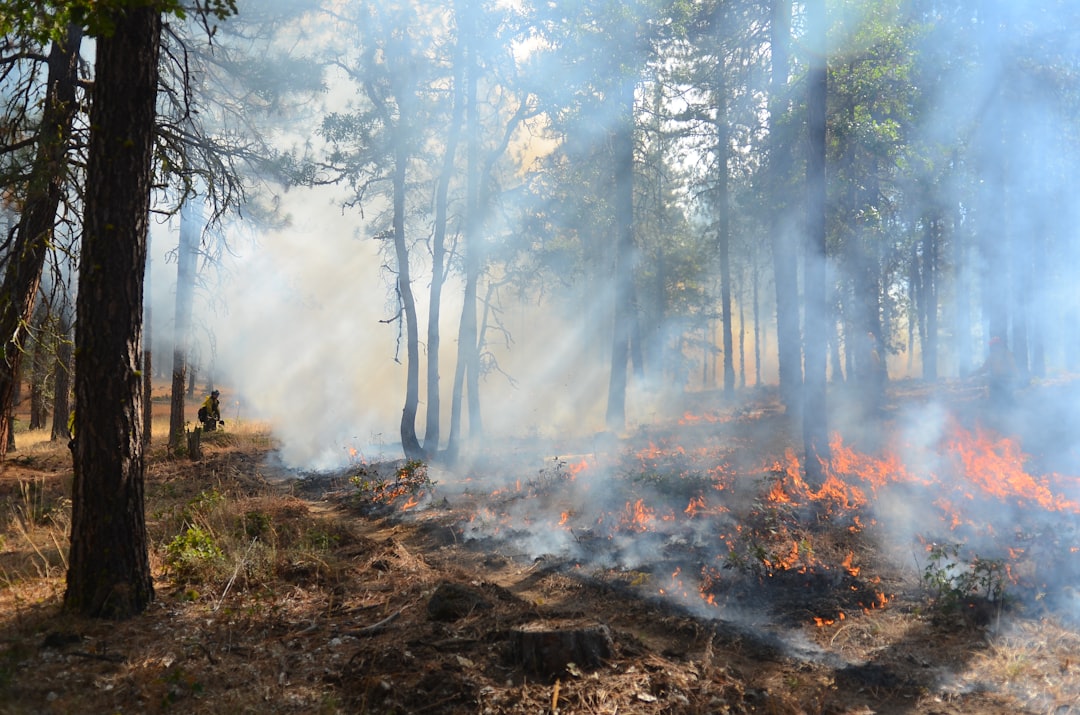
Indigenous Fire Management: Reviving Traditional Burning Practices
For millennia, Indigenous peoples across the globe have lived in intricate harmony with their environments, developing sophisticated knowledge systems that include the deliberate and strategic use of fire. This practice, often referred to as Indigenous fire management or cultural burning, is not merely about extinguishing flames but about actively shaping landscapes, fostering biodiversity, and promoting ecological health. In recent decades, a growing understanding of the limitations of Western fire suppression models has led to a resurgence of interest in these ancient techniques. This revival is not just about reclaiming cultural heritage; it is an essential strategy for building more resilient ecosystems, mitigating the risks of catastrophic wildfires, and fostering a deeper connection between humanity and the natural world.
Fire, when managed appropriately, is a natural and vital force in many ecosystems. For countless plant and animal species, fire has been a catalyst for renewal, shaping evolutionary pathways and creating the conditions for life to thrive. Indigenous peoples, through generations of observation and experimentation, understood this fundamental ecological truth and integrated fire into their land stewardship practices.
Fire as a Tool for Biodiversity
Many ecosystems have evolved with a natural fire regime, meaning that periodic fires are essential for maintaining their biodiversity. Plants with fire-adapted seeds, for example, may require the heat of a fire to germinate. Others may have tough bark that protects them from less intense burns, allowing them to survive while competing vegetation is thinned. Indigenous burning practices were often designed to create a mosaic of habitats, with areas of recently burned land, lightly managed fuel loads, and unburned refuges. This heterogeneity supported a wider array of plant and animal species by providing diverse food sources, shelter, and breeding grounds.
Seed Germination and Plant Regeneration
Specific plant species, such as certain eucalyptus trees in Australia or the Knobcone pine in North America, have seeds that are serotinous. These seeds are enclosed in cones that remain sealed until exposed to the high temperatures of a wildfire. Indigenous burning practices, often conducted during specific seasons, could mimic these natural fire events, promoting the regeneration of these crucial species and the ecosystems they support. This was not about indiscriminate burning, but about targeted application of heat to encourage beneficial regeneration.
Nutrient Cycling and Soil Health
Fire plays a significant role in nutrient cycling. When vegetation burns, organic matter is reduced to ash, releasing essential nutrients like phosphorus and potassium back into the soil. These nutrients become readily available for plant uptake, stimulating new growth. Indigenous peoples understood that this process was crucial for maintaining soil fertility and supporting the productivity of the land. Their carefully timed burns prevented the accumulation of excessive dead organic matter, which could fuel devastating wildfires, while ensuring a steady supply of nutrients for the ecosystem.
The Concept of Fuel Load Management
One of the most critical aspects of Indigenous fire management is its proactive approach to fuel load reduction. Unlike modern fire suppression, which primarily focuses on extinguishing fires once they ignite, Indigenous practices aimed to prevent large, uncontrollable infernos by managing the amount of flammable material on the landscape.
Prescribed Burning for Fuel Reduction
Indigenous communities regularly conducted controlled burns, also known as prescribed fires, to reduce the accumulation of dead leaves, branches, and undergrowth. These burns were conducted under specific weather conditions, with careful consideration of wind, temperature, and humidity, to ensure they remained within desired boundaries. This deliberate thinning of fuel loads significantly reduced the intensity and spread of future wildfires, protecting both the environment and human settlements.
Creating Fuel Breaks and Fire Ecosystems
Beyond simple fuel reduction, Indigenous fire management also involved creating strategic fuel breaks and managing fire’s role in maintaining specific ecosystem types. Some areas might be intentionally burned more frequently to maintain grasslands or open woodlands, while others would be left to recover. This dynamic approach recognized that different parts of the landscape had different ecological needs and that fire played a varied role within them.
Indigenous controlled burning practices have long been recognized for their role in land management and ecological balance. A related article that explores ancient environmental practices and their implications for modern ecosystems can be found at this link: Antarctica Pre-Ice Age Secrets. This article delves into historical land use and the lessons we can learn from Indigenous methods, highlighting the importance of integrating traditional knowledge into contemporary environmental strategies.
The Cultural Significance of Fire
Fire is more than just an ecological tool; it is deeply woven into the cultural fabric of Indigenous societies. It has been a source of warmth, light, and a focal point for community gatherings, storytelling, and the transmission of knowledge. The practice of cultural burning is a direct expression of this profound connection.
Intergenerational Knowledge Transfer
The knowledge of when, where, and how to burn was not codified in written texts but passed down through generations via oral traditions, storytelling, and direct mentorship. Elders would teach younger generations about the nuances of fire behavior, the specific needs of different plant species, and the cultural protocols surrounding fire use. This intergenerational transfer of knowledge ensured that the practice was carried out responsibly and sustainably.
The Role of Elders and Knowledge Keepers
Elders and designated knowledge keepers held the ultimate authority in decision-making regarding fire management. Their deep understanding of the landscape, weather patterns, and the spiritual significance of fire guided the timing and execution of burns. Their wisdom was essential for balancing ecological needs with cultural imperatives.
Storytelling and Song as Educational Tools
Many Indigenous cultures use stories, songs, and ceremonies to impart vital information about fire. These narrative forms make complex ecological principles accessible and memorable, ensuring that future generations understand the importance of fire and how to interact with it safely and effectively. This cultural transmission is a powerful mechanism for perpetuating ancestral wisdom.
Fire as a Spiritual and Ceremonial Element
In many Indigenous traditions, fire holds deep spiritual significance. It is seen as a purifier, a conduit to the spirit world, and a symbol of life and transformation. Cultural burns were often accompanied by ceremonies and rituals, acknowledging the sacredness of the practice and the reciprocal relationship between humans and the natural world.
Purification and Cleansing Rituals
Fire was often used in purification ceremonies, both for individuals and for the land itself. The smoke and heat were believed to cleanse away negative energies and prepare the environment for renewal. These ceremonies underscored the belief that fire was not just a physical force but a spiritual one.
The Sacredness of Hearth and Home
The hearth fire has always been a central element in Indigenous homes and communities, symbolizing warmth, sustenance, and togetherness. The responsible management of fire, both in domestic settings and on the broader landscape, was seen as a duty to protect these sacred spaces and the people who inhabited them.
Reviving Traditional Burning Practices: Challenges and Opportunities
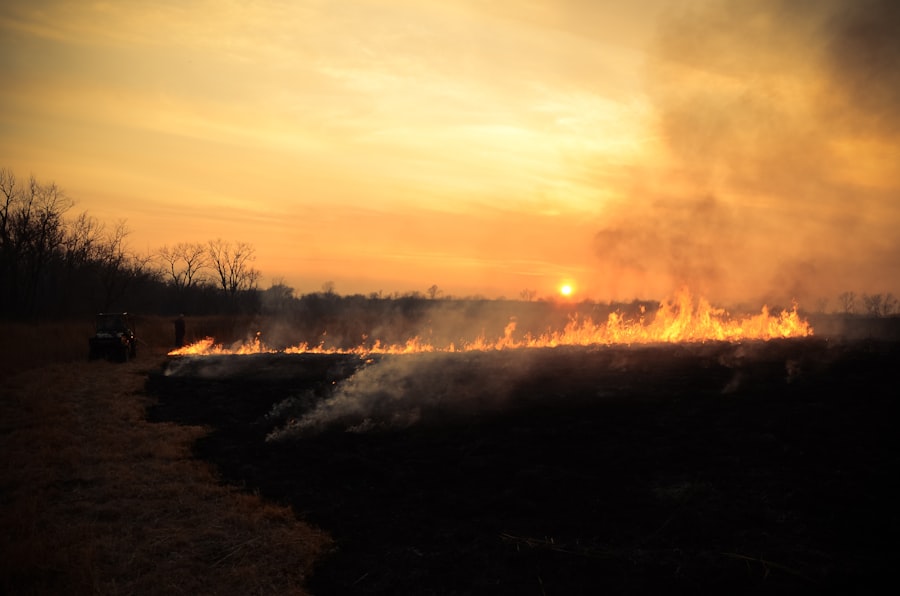
The revival of Indigenous fire management practices faces a complex landscape of challenges, stemming from historical dispossession, the imposition of Western land management systems, and ongoing policy barriers. However, it also presents significant opportunities for ecological restoration, cultural revitalization, and improved wildfire resilience.
Historical Dispossession and Suppression
For centuries, Indigenous peoples were systematically dispossessed of their lands and their traditional fire management practices were suppressed by colonial authorities. Fire was often viewed solely as a destructive force to be eradicated, leading to policies that outlawed traditional burning and favored fire suppression. This historical trauma has had lasting impacts on both ecosystems and Indigenous communities.
The Impact of Colonial Fire Policies
Colonial governments implemented policies aimed at suppressing all fires, regardless of their ecological role or cultural significance. This led to the accumulation of unnaturally high fuel loads in many landscapes, setting the stage for more frequent and intense wildfires. The imposition of Western land management paradigms actively dismantled Indigenous stewardship.
Loss of Traditional Knowledge and Practices
The suppression of traditional burning, coupled with the assimilation policies that undermined Indigenous cultures, resulted in a significant loss of traditional knowledge and the skills associated with cultural burning. This loss is a cultural tragedy and an ecological setback.
Modern Challenges and Barriers
Despite a growing recognition of the benefits of Indigenous fire management, several modern challenges hinder its widespread implementation. These include regulatory hurdles, funding limitations, and the need for ongoing collaboration between Indigenous communities and government agencies.
Regulatory and Legal Frameworks
Existing regulations and legal frameworks, often designed around a fire suppression paradigm, can be a significant barrier to implementing cultural burns. Obtaining permits, navigating land ownership complexities, and adhering to often rigid guidelines can be challenging for Indigenous groups.
Funding and Resource Allocation
Implementing traditional burning programs requires dedicated funding for personnel, equipment, and ongoing planning. Securing consistent and adequate financial resources remains a persistent challenge for many Indigenous communities seeking to revive these practices.
Opportunities for Collaboration and Restoration
The revival of Indigenous fire management offers a wealth of opportunities for positive change. By working collaboratively, Indigenous communities and government agencies can leverage traditional knowledge to address contemporary environmental challenges and foster a more holistic approach to land stewardship.
Indigenous-Led Fire Programs
Empowering Indigenous communities to lead their own fire management programs is crucial. This approach recognizes their inherent rights to self-determination and their deep, place-based knowledge. These programs can be tailored to specific ecological and cultural contexts.
Rebuilding Trust and Partnerships
The process of reviving traditional burning necessitates rebuilding trust and forging strong partnerships between Indigenous peoples and government agencies. This involves acknowledging past harms, respecting Indigenous sovereignty, and fostering genuine collaboration based on shared goals.
The Science Behind Traditional Burning

Western science is increasingly validating the ecological principles that underpin Indigenous fire management. Research is demonstrating the efficacy of traditional burning in promoting biodiversity, reducing wildfire risk, and enhancing ecosystem resilience.
Ecosystem Resilience and Adaptability
Ecosystems that have been managed with traditional burning practices are often more resilient to environmental stressors, including climate change and extreme weather events. The mosaic of habitats created by periodic burns provides refuges for species and allows for quicker recovery after disturbances.
Restoring Fire-Ecological Processes
By reintroducing controlled burns, scientists are observing the restoration of fire-ecological processes that have been disrupted by decades of suppression. This includes the germination of fire-dependent seeds, the renewal of plant communities, and the return of species that rely on fire-maintained habitats.
The Role of Fire in Carbon Sequestration
Contrary to the perception that all fires release carbon, well-managed burns can contribute to carbon sequestration. By reducing the risk of catastrophic wildfires, which release massive amounts of carbon, and by promoting healthy plant growth, traditional burning can help maintain carbon sinks.
Fuel Load Reduction and Wildfire Mitigation
The most immediate benefit of reviving traditional burning is its effectiveness in reducing the risk of large, destructive wildfires. By carefully managing fuel loads, Indigenous practices can significantly alter fire behavior, making landscapes less susceptible to uncontrollable infernos.
Creating Fire-Resilient Landscapes
The intentional thinning of fuel, coupled with the creation of varied habitat types, leads to the development of fire-resilient landscapes. These landscapes can better withstand and recover from fire events, reducing the overall threat to human communities and natural resources.
Preventing “Mega-Fires”
The phenomenon of “mega-fires” – exceptionally large and intense wildfires – is a growing concern. Indigenous fire management practices, by addressing the root cause of excessive fuel accumulation, offer a powerful strategy for preventing these catastrophic events.
Indigenous controlled burning practices have long been recognized for their effectiveness in managing landscapes and promoting biodiversity. These traditional methods not only help prevent larger wildfires but also support the regeneration of native plant species. For a deeper understanding of how these practices can influence environmental sustainability, you might find it interesting to read about the broader implications of ecological management in the context of economic stability in this article on the impending US dollar collapse. You can access it here.
Looking Towards the Future: Integration and Empowerment
| Region | Frequency of Burning | Beneficial Impacts |
|---|---|---|
| Australia | Annually | Reduced fuel load, biodiversity conservation |
| North America | Varies by tribe | Regeneration of plant species, habitat management |
| South America | Seasonal | Prevention of wildfires, cultural preservation |
The path forward for Indigenous fire management involves integrating traditional knowledge with contemporary scientific understanding and empowering Indigenous communities to lead the way. This integrated approach promises a more sustainable, resilient, and culturally rich future for landscapes and peoples alike.
Bridging Traditional Ecological Knowledge (TEK) and Western Science
The most effective approach to fire management lies in the synergistic integration of Traditional Ecological Knowledge (TEK) and Western scientific methodologies. TEK offers a deep, place-based understanding of ecological processes, while Western science provides quantitative data and analytical tools.
Collaborative Research and Monitoring
Encouraging collaborative research initiatives where Indigenous knowledge holders and scientists work together is crucial. This allows for the validation and refinement of both knowledge systems, leading to more robust and effective fire management strategies.
Developing Co-Management Frameworks
The establishment of co-management frameworks, where Indigenous communities have a leading role in decision-making and implementation of fire management plans, is essential. These frameworks ensure that Indigenous rights and knowledge are respected and that management practices are culturally appropriate and ecologically sound.
Empowering Indigenous Communities as Fire Stewards
Ultimately, the successful revival of Indigenous fire management hinges on the empowerment of Indigenous communities as the primary stewards of their ancestral lands. This involves providing them with the resources, autonomy, and recognition necessary to practice their traditional knowledge.
Investing in Indigenous Fire Practitioners
Investing in training and supporting Indigenous fire practitioners, including cultural burn crews and knowledge keepers, is paramount. This ensures the continuity of these vital skills and fosters local capacity for fire management.
Policy Reform and Recognition
Advocating for policy reforms that recognize and support Indigenous fire management practices is a critical step. This includes de-stigmatizing cultural burning, streamlining permitting processes, and ensuring equitable access to resources and decision-making power. The future of healthy landscapes and communities may well depend on our ability to embrace the wisdom of those who have understood fire’s intricate dance with nature for millennia.
The Wilderness Was Engineered
FAQs
What are Indigenous controlled burning practices?
Indigenous controlled burning practices refer to the intentional and controlled use of fire by Indigenous communities to manage and maintain their lands. This traditional practice involves setting controlled fires to reduce fuel loads, promote new growth, and maintain the health of ecosystems.
How do Indigenous communities use controlled burning?
Indigenous communities use controlled burning to achieve various land management goals, such as reducing the risk of wildfires, promoting the growth of culturally significant plants, and maintaining the health of ecosystems. This practice is based on traditional ecological knowledge and has been passed down through generations.
What are the benefits of Indigenous controlled burning practices?
The benefits of Indigenous controlled burning practices include reducing the risk of catastrophic wildfires, promoting biodiversity, improving soil health, and supporting the growth of culturally significant plants. Controlled burning also helps to maintain the balance of ecosystems and supports the overall health of the land.
How does Indigenous controlled burning differ from other forms of land management?
Indigenous controlled burning differs from other forms of land management in that it is based on traditional ecological knowledge and is deeply rooted in the cultural and spiritual practices of Indigenous communities. This approach prioritizes the interconnectedness of all living beings and the long-term health of the land.
What are the challenges facing the continuation of Indigenous controlled burning practices?
Challenges facing the continuation of Indigenous controlled burning practices include government regulations, limited access to traditional lands, and the loss of traditional ecological knowledge due to historical and ongoing colonization. Additionally, climate change and its impact on fire behavior present new challenges for Indigenous communities practicing controlled burning.