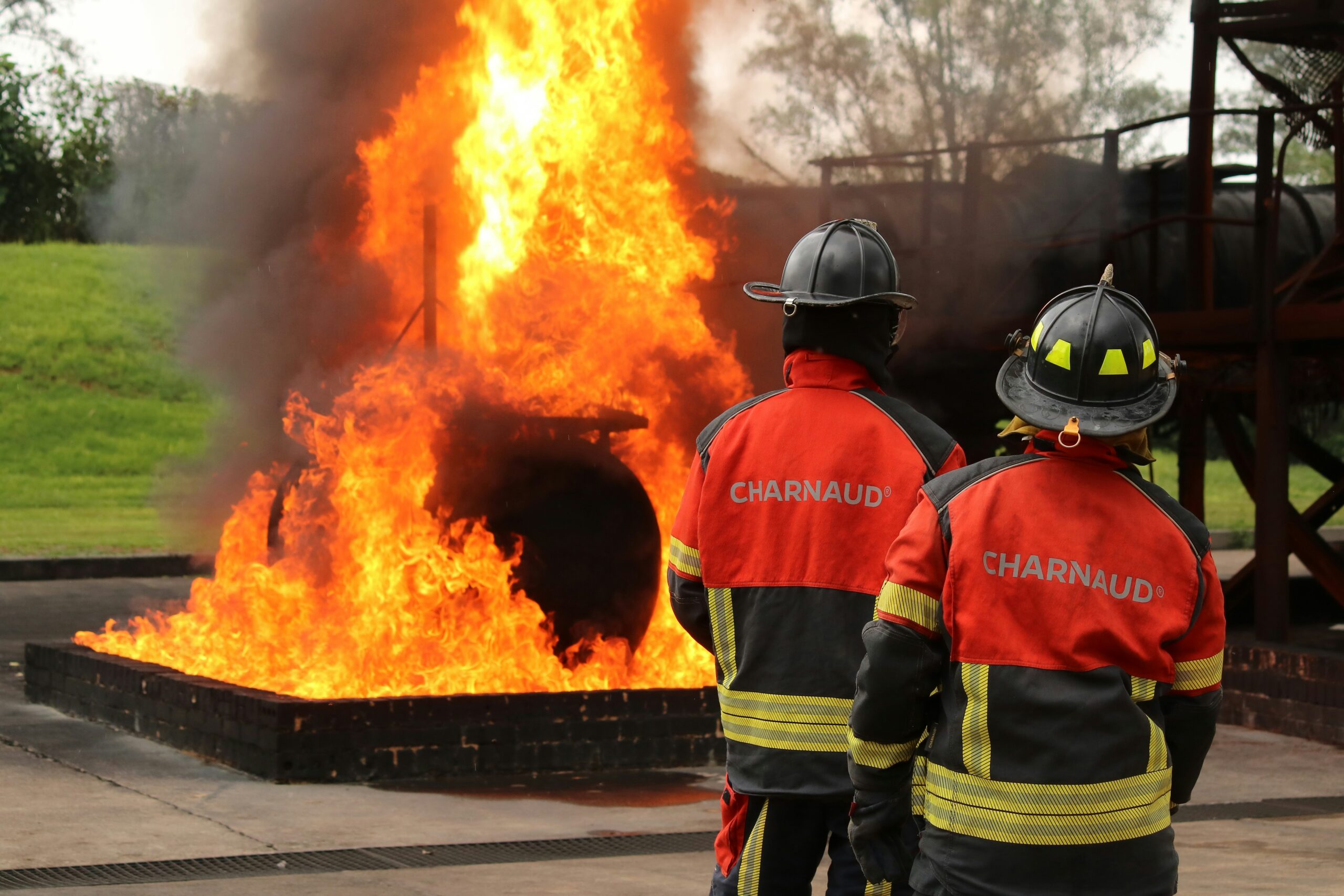
Indigenous fire management, often referred to as cultural burning or traditional ecological knowledge (TEK) in the context of fire, represents a profound and sophisticated understanding of ecological systems developed over millennia by Indigenous peoples worldwide. Far from the destructive wildfires often depicted in contemporary media, these practices are characterized by deliberate, controlled applications of fire to achieve specific ecological and social outcomes. This article delves into the science underpinning these time-tested traditions, exploring how they have shaped landscapes, fostered biodiversity, and sustained human communities, and how modern science is increasingly recognizing and integrating this invaluable knowledge.
Fire, in many ecosystems, is not an anomaly but a fundamental ecological process. For countless species, from plants to animals, fire plays a crucial role in their life cycles, nutrient cycling, and overall ecosystem health. Indigenous peoples, through generations of observation and interaction, understood this inherent ecological need and learned to harness fire’s power for beneficial purposes.
Cleansing and Renewal: Breaking Down the Deadwood Cycle
One of the primary functions of Indigenous fire management is to prevent the accumulation of excessive fuel loads. In many fire-adapted ecosystems, a natural cycle of decay and regeneration occurs. However, without the intervention of natural or managed fires, dead plant material can build up to dangerous levels, creating conditions ripe for catastrophic wildfires.
The Accumulation of Fine Fuels
Indigenous burning practices specifically targeted the removal of fine fuels – grasses, leaf litter, and small twigs – that ignite easily and spread fire rapidly. By regularly applying low-intensity fires, Indigenous land managers effectively reduced the potential for large, uncontrolled blazes. This was not about eliminating fire but about managing its intensity and frequency to prevent destructive events. The science behind this is straightforward: a thinner layer of combustible material requires less energy to ignite and burn, resulting in slower-moving, lower-temperature fires.
Preventing Crown Fires
The accumulation of fuel, particularly in the understory, can act as a ladder, allowing ground fires to climb into the tree canopy. These crown fires are exceptionally destructive, consuming entire forests and killing even fire-resistant trees. Indigenous burning, by clearing the understory, directly interrupted this progression, preventing ground fires from reaching the canopy and thus protecting mature trees. This proactive approach ensured the long-term survival of forest ecosystems.
Stimulating Growth and Reproduction: The Seed of Life
Contrary to the perception of fire as solely destructive, Indigenous fire management recognized and utilized fire’s potent ability to stimulate the growth and reproduction of many plant species. Certain plants have evolved specific adaptations that depend on fire for their germination and survival.
Scarification and Germination
Many seeds possess hard, impermeable coats that prevent germination until they are exposed to heat and smoke. Fire provides this crucial scarification, allowing water and nutrients to penetrate the seed coat and initiate growth. Indigenous burners understood which species benefited from this process and timed their burns accordingly, promoting the regeneration of valuable food and medicinal plants. This practice is akin to a natural form of seed treatment, ensuring the perpetuation of plant populations.
Nutrient Cycling and Soil Enrichment
When vegetation burns, its organic matter is rapidly converted into ash. This ash is rich in essential minerals and nutrients, such as potassium, phosphorus, and calcium, which are then readily available to plants. Indigenous fire management effectively recycled these nutrients back into the soil, enhancing fertility and supporting a more vigorous and diverse plant community. This closed-loop system of nutrient management is a cornerstone of sustainable land stewardship.
Shaping Biodiversity: A Mosaic of Habitats
The consistent application of carefully managed fire by Indigenous peoples created and maintained a mosaic of different vegetation types and ages across the landscape. This heterogeneity is crucial for supporting a wide array of plant and animal species, each with its own specific habitat requirements.
Creating Habitat Diversity
By burning certain areas and leaving others unburned, Indigenous land managers created a diverse tapestry of habitats. This included open grasslands, shrublands, and patchy forests, each supporting different wildlife populations. For example, open areas created by fire provided foraging grounds for grazing animals, while unburned patches offered shelter and breeding sites. This deliberate manipulation of habitat structure is a hallmark of sophisticated ecological management.
Encouraging Specific Species
Indigenous peoples also used fire to favor the growth of particular plants that were important for food, medicine, or cultural practices. By selectively burning areas where these species were dominant or by promoting their regeneration after fire, they ensured a consistent supply of these resources. This targeted approach demonstrates an intimate knowledge of plant ecology and human needs.
The science behind Indigenous fire management is a fascinating topic that highlights the traditional ecological knowledge of Indigenous peoples and its relevance in contemporary land management practices. For an insightful exploration of how these ancient techniques can inform modern strategies for sustainability and resilience, you may find the article on financial preparedness during uncertain times particularly interesting. It emphasizes the importance of being proactive and adaptable, much like Indigenous fire management practices that have evolved to maintain ecological balance. You can read more about it here: Surviving a Dollar Crash: Financial Tips for Uncertain Times.
The Art and Science of Application: Mastering the Flames
Indigenous fire management was not simply about setting fires; it was a highly skilled and nuanced practice involving careful planning, execution, and adaptation. The “how” of these fires reveals a deep scientific understanding of fire behavior, weather patterns, and ecological responses.
Timing is Everything: Seasonal and Weather Considerations
The success of cultural burning hinges on precise timing, dictated by seasonal changes, weather conditions, and the specific ecological objectives. Indigenous practitioners possessed an intimate knowledge of these variables, making decisions based on subtle indicators.
Understanding Fuel Moisture
The moisture content of vegetation is a critical factor in fire behavior. Dry fuels burn more readily and intensely than moist fuels. Indigenous burners understood the seasonal fluctuations in fuel moisture and timed their burns to coincide with periods when fuels were dry enough to burn but not so dry as to risk uncontrolled spread. This often involved observing the color and texture of grasses and leaves.
Wind Patterns and Atmospheric Conditions
Wind is a primary driver of fire spread. Indigenous fire managers were acutely aware of prevailing wind patterns and steered their burns accordingly. They also understood the influence of humidity, temperature, and atmospheric stability on fire behavior, choosing days with favorable conditions for controlled burns. This included recognizing when conditions were too dry or windy to safely conduct a burn.
Lunar Cycles and Vegetative Growth
Some Indigenous traditions also incorporated observations of lunar cycles and specific stages of plant growth into their burning calendars. This suggests a sophisticated understanding of how celestial events and plant phenology might influence fire behavior and ecological outcomes. While the direct scientific mechanisms are still being explored, it highlights the holistic nature of their knowledge.
Fire Intensity and Severity: A Delicate Balance
The intensity and severity of a fire refer to the amount of heat it generates and the extent of its impact on the ecosystem. Indigenous fire management aimed for low-intensity, low-severity fires that cleared the surface without causing widespread destruction.
Low-Intensity Ground Fires
The goal was typically to create slow-moving, low-intensity ground fires that primarily consumed surface fuels. These fires moved through the landscape at a pace that allowed animals to escape and did not overheat the soil or damage the root systems of established plants. The heat generated was sufficient to kill young, less fire-resistant seedlings and clear undergrowth, but not enough to kill mature trees or severely disrupt the soil’s biological activity.
Patchy Burning and Fuel Breaks
To further control fire spread and intensity, Indigenous land managers often employed patchy burning techniques, leaving unburned patches of vegetation as natural firebreaks. They also strategically cleared areas to create fuel breaks, preventing fires from reaching sensitive areas or spreading uncontrollably. This intentional creation of a mosaic of burned and unburned areas is a key characteristic of their approach.
Tools and Techniques: The Craft of the Burner
Indigenous peoples developed specific tools and techniques for safely and effectively applying fire. These methods, honed over generations, demonstrate a deep understanding of combustion and fire control.
Embers and Direct Ignition
While not always reliant on external ignition sources, Indigenous practices involved the careful use of embers from existing fires or the deliberate ignition of specific fuel types to start a controlled burn. The placement and management of these ignition points were crucial for directing the fire’s path.
Backburning and Spotting
In some instances, Indigenous burners may have employed techniques akin to modern backburning, where a fire is set against the wind to create a firebreak that slows or stops the advance of a larger fire. Spotting, the ignition of small fires ahead of the main fire front, might also have been used in specific circumstances for controlled expansion or to achieve certain ecological outcomes.
The Cultural and Social Dimensions: More Than Just Ecology

Indigenous fire management is inextricably linked to the cultural and social fabric of Indigenous communities. Fire played a vital role in shaping social structures, facilitating communication, and transmitting knowledge across generations.
Fire as a Tool for Landscape Shaping and Resource Management
Beyond ecological benefits, fire was a powerful tool for actively shaping landscapes to meet the needs of Indigenous communities. This included managing resources for food, medicine, and materials.
Enhancing Game Populations
By burning grasslands and shrublands, Indigenous peoples could promote the growth of grasses and forbs that were favored by game animals like deer, elk, and rabbits. This created more abundant and accessible foraging areas, enhancing hunting success and ensuring a sustainable food supply. The clearing of undergrowth also made it easier to spot and track game.
Promoting Edible and Medicinal Plants
Specific plants prized for their food or medicinal properties were often encouraged through burning. For example, certain berries might thrive in recently burned areas, or the smoke from fires could be used in specific medicinal preparations. This demonstrates a deep understanding of ethnobotany and its connection to fire.
Managing for Useful Materials
Fire could also be used to promote the growth of plants that provided materials for tools, shelter, and crafts. For instance, the regeneration of certain woody species after fire could provide a renewable source of pliable wood or fibers.
The Transmission of Knowledge: A Living Legacy
The knowledge and practice of Indigenous fire management were not static but were passed down through generations via oral traditions, storytelling, ceremony, and direct mentorship. This ensured the continuity of these vital ecological practices.
Intergenerational Learning
Elders would teach younger generations about the proper timing, techniques, and ecological principles of fire management. This hands-on learning, embedded within cultural practices, fostered a deep respect for fire and a profound understanding of its role in the environment.
Storytelling and Ritual
Stories and rituals often encoded crucial information about fire behavior, ecological responses, and the cultural significance of burning. These narratives served as mnemonic devices and reinforced the ethical considerations associated with fire use.
Adaptability and Innovation
While grounded in tradition, Indigenous fire management was also adaptive. Communities continuously observed their environments and adjusted their practices in response to changing conditions, demonstrating a dynamic and resilient approach to land stewardship.
Modern Science and Indigenous Knowledge: A Synergistic Future
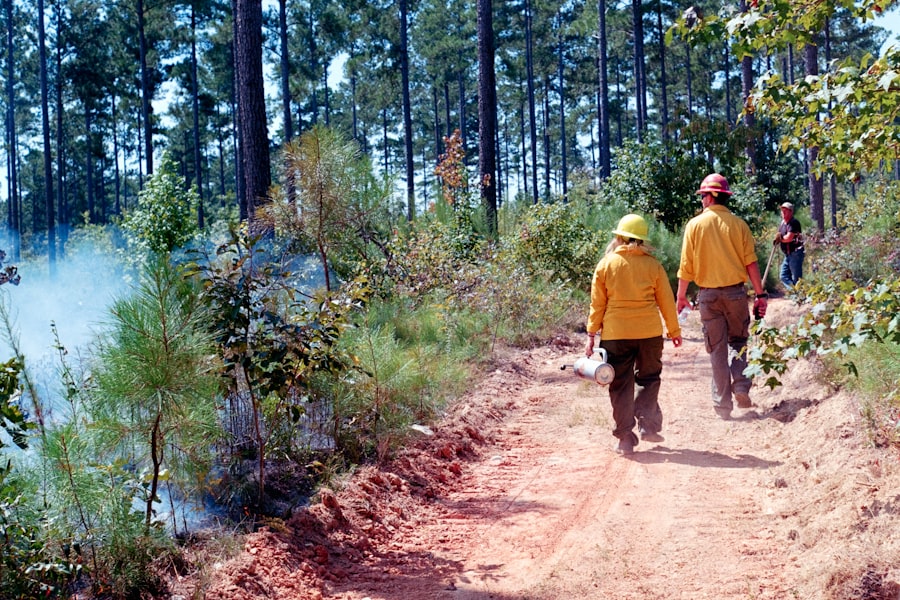
In recent decades, a growing body of scientific research has validated the efficacy and sophistication of Indigenous fire management practices. This has led to a crucial paradigm shift, recognizing TEK not as folklore but as a valuable scientific resource.
Validating Traditional Ecological Knowledge
Numerous studies have documented the positive impacts of Indigenous burning on biodiversity, fuel reduction, and ecosystem resilience. Scientists are increasingly collaborating with Indigenous communities to understand and apply these methods.
Biodiversity Hotspots
Research has shown that landscapes managed with traditional fire practices often exhibit higher levels of biodiversity than those managed through more conventional, fire-suppression-focused approaches. This is attributed to the creation of diverse habitats and the promotion of fire-adapted species.
Fuel Load Reduction and Wildfire Prevention
The effectiveness of cultural burning in reducing fuel loads and mitigating the risk of catastrophic wildfires is now widely acknowledged. This understanding is influencing forest management strategies in many regions.
Integrating TEK into Contemporary Land Management
The recognition of TEK is leading to the development of innovative approaches to land management that integrate traditional knowledge with modern scientific methods. This synergy holds immense promise for addressing current ecological challenges.
Collaborative Conservation Efforts
Indigenous communities are increasingly partnering with government agencies and conservation organizations to implement cultural burning programs. These collaborations leverage the strengths of both TEK and Western science.
Restoring Fire-Ecological Integrity
By applying traditional burning techniques, land managers are working to restore fire-ecological integrity to landscapes that have been historically altered by fire suppression. This involves reintroducing natural fire regimes in a controlled and culturally appropriate manner.
Policy and Planning
There is a growing movement to incorporate TEK into land use planning, wildfire management policies, and environmental regulations. This ensures that Indigenous perspectives and knowledge are valued and integrated into decision-making processes.
The science behind Indigenous fire management reveals a deep understanding of ecosystems and their natural cycles, showcasing how traditional practices can contribute to modern environmental strategies. For a broader perspective on the implications of land management and ownership, you might find it interesting to explore the article on government seizure and private asset confiscation, which discusses the complexities of land rights and stewardship. This connection highlights the importance of recognizing Indigenous knowledge in contemporary discussions about environmental conservation and land use. You can read more about it in this insightful piece here.
The Future of Fire Management: Learning from the Past
| Aspect | Details |
|---|---|
| Traditional Knowledge | Indigenous communities have developed extensive knowledge of fire management over generations. |
| Ecosystem Health | Indigenous fire management practices help maintain the health and diversity of ecosystems. |
| Carbon Sequestration | Indigenous fire management can contribute to carbon sequestration and help mitigate climate change. |
| Biodiversity | Indigenous fire management supports biodiversity by promoting the growth of diverse plant species. |
The lessons learned from Indigenous fire management offer a critical pathway forward for addressing the challenges of climate change, increasing wildfire frequency and intensity, and the urgent need for sustainable land stewardship. Embracing and integrating this ancient wisdom is not just about respecting Indigenous rights; it is about harnessing a proven, effective, and profoundly sustainable approach to managing our planet’s ecosystems for the benefit of all. The science behind traditional practices is a testament to the enduring intelligence of Indigenous peoples and their profound connection to the natural world. As we face increasingly complex environmental challenges, turning to these time-tested methods, and fostering genuine partnerships with Indigenous communities, offers a hopeful and effective future for fire management.
The Wilderness Was Engineered
FAQs
What is Indigenous fire management?
Indigenous fire management refers to the traditional practices and techniques used by Indigenous communities to control and utilize fire for land management. These practices have been developed and refined over generations and are based on a deep understanding of the local ecosystem.
What is the science behind Indigenous fire management?
The science behind Indigenous fire management involves a holistic understanding of the ecological, cultural, and social aspects of fire. Indigenous communities use fire to promote biodiversity, reduce fuel loads, and regenerate landscapes. Scientific studies have shown that these practices can lead to healthier ecosystems and reduced wildfire risks.
How does Indigenous fire management differ from conventional fire management practices?
Indigenous fire management differs from conventional fire management practices in its focus on using fire as a tool for ecological and cultural revitalization rather than simply suppressing wildfires. Indigenous practices often involve controlled burns at specific times of the year to achieve specific ecological goals.
What are the benefits of Indigenous fire management?
The benefits of Indigenous fire management include promoting biodiversity, reducing the risk of catastrophic wildfires, improving soil fertility, and supporting the cultural and spiritual well-being of Indigenous communities. These practices also contribute to the preservation of traditional ecological knowledge.
How can modern land management benefit from Indigenous fire management practices?
Modern land management can benefit from Indigenous fire management practices by incorporating traditional knowledge and techniques into wildfire management strategies. This can lead to more sustainable and effective approaches to fire management, as well as greater respect for Indigenous rights and sovereignty.