Indigenous Fire Suppression: A History
For millennia, Indigenous peoples across the globe have lived in intricate relationship with fire, not as an enemy to be vanquished, but as a tool to be understood and managed. Long before the advent of modern firefighting techniques and equipment, these communities developed sophisticated systems of fire suppression and management, honed over generations and deeply interwoven with their cultural practices, ecological knowledge, and survival strategies. This history of Indigenous fire suppression is not merely a tale of putting out flames; it is a testament to profound ecological stewardship, a nuanced understanding of natural processes, and a deep respect for the land.
The relationship between Indigenous peoples and fire is as old as human habitation itself. Early hominids, by harnessing fire, fundamentally altered their environments. This ability, however, did not immediately translate to a fear or suppression of all flames. Instead, it fostered a dynamic interplay where controlled burning became a crucial element of land management. Indigenous communities recognized the inherent role of fire in many ecosystems, understanding its capacity for renewal, nutrient cycling, and shaping the very landscape they inhabited. This understanding was not abstract; it was embedded in their daily lives, their spiritual beliefs, and their practical needs.
The Purposeful Use of Fire
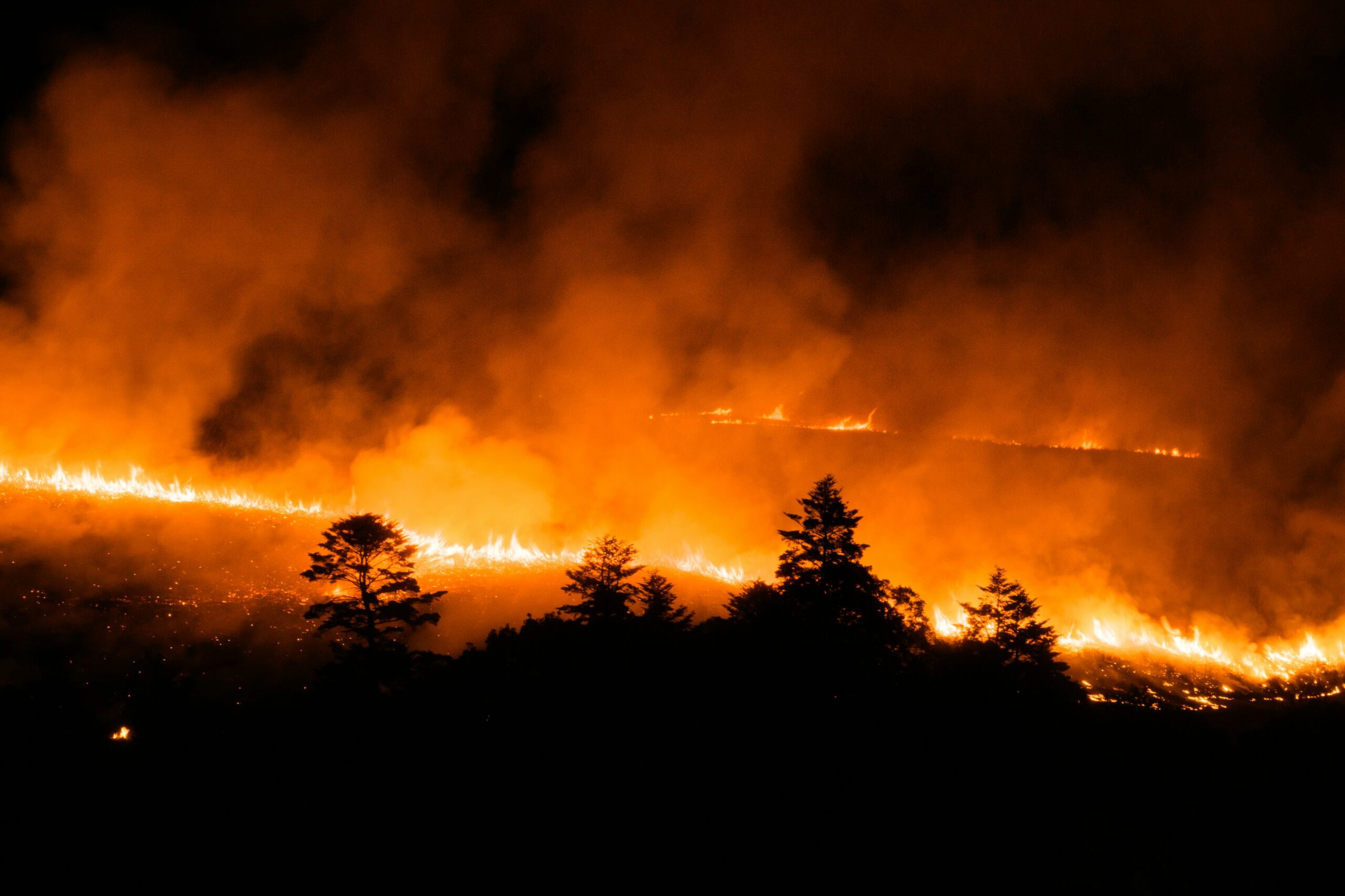
Controlled burning, often referred to as cultural burning or prescribed burning, was a deliberate and skillful practice. It was not about random ignition but about strategic application of heat and flame to achieve specific ecological and social objectives. These objectives ranged from enhancing the growth of desirable plants for food and medicine to clearing land for agriculture and creating habitat for game animals. The timing, intensity, and location of these burns were meticulously planned, taking into account weather patterns, fuel loads, and the specific characteristics of the local flora and fauna. This proactive approach to fire management prevented the accumulation of excessive fuel, thereby reducing the likelihood of destructive wildfires.
Understanding Fire Regimes
Indigenous peoples possessed an intimate understanding of natural fire regimes – the historical patterns of fire occurrence, intensity, and frequency in a given ecosystem. They observed how different vegetation types responded to fire, how certain seasons were more conducive to burning, and how the landscape healed and regenerated after a fire. This knowledge, passed down through oral traditions, storytelling, and direct observation, allowed them to anticipate fire behavior and to use fire in a way that mimicked natural processes. They understood that some ecosystems required fire for their long-term health and resilience.
Tools and Techniques of Control
While the emphasis was often on prevention and controlled use, Indigenous peoples also developed methods for actively suppressing fires when they became uncontrolled. These methods, though rudimentary by modern standards, were effective given the scale of their territories and the available resources. They relied on their deep knowledge of the land to identify natural firebreaks, such as rivers, lakes, or rock formations, and strategically steered fires towards these barriers. They also employed tools fashioned from natural materials. For instance, large leafy branches, wet hides, or blankets made of animal fur were used to beat down flames and smother embers. The coordinated efforts of community members, often employing specialized roles and signals, were crucial in these suppression efforts.
The history of Indigenous fire suppression practices reveals a deep understanding of land management that contrasts sharply with modern approaches. For a broader context on historical narratives and the complexities of ancient societies, you might find the article “Uncovering the Deceptions of Ancient Rulers” insightful. It explores how historical interpretations can shape our understanding of various cultures, including Indigenous practices. You can read it here: Uncovering the Deceptions of Ancient Rulers.
Cultural Significance and Spiritual Connection
Fire was more than just a tool for Indigenous peoples; it was a sacred element, imbued with spiritual significance and deeply woven into their cultural fabric. The management and suppression of fire were not merely practical tasks but often held ceremonial and spiritual weight, reflecting a profound respect for the natural world and its elemental forces.
Fire as a Sacred Element
In many Indigenous cultures, fire was seen as a living entity, a messenger, or a divine gift. It represented warmth, light, purification, and transformation. Rituals involving fire were common, from the tending of sacred hearths to purification ceremonies and offerings. This spiritual reverence fostered a deep sense of responsibility for its use and management. To misuse fire was to disrespect the spirits and to disrupt the natural order. Therefore, any act of fire suppression was undertaken with a sense of duty and often accompanied by prayers or invocations to ensure its safe and controlled extinguishing.
Oral Traditions and Knowledge Transmission
The knowledge of fire management and suppression was primarily transmitted through oral traditions. Elders, as keepers of this wisdom, would share stories, parables, and practical demonstrations with younger generations. These narratives often encoded complex ecological principles in easily digestible forms, ensuring that vital information about fire behavior, safe practices, and the cultural significance of fire was passed down accurately and effectively. These oral histories served as invaluable manuals, guiding communities for countless generations.
Community Cooperation and Collective Responsibility
Fire suppression, when necessary, was a communal endeavor. It required the coordinated efforts of the entire community, with individuals often specializing in different roles. This collective responsibility fostered a strong sense of social cohesion and mutual reliance. The success of a suppression effort depended on everyone’s participation and adherence to established protocols. This was not simply about individual action but about the unified will of the community to protect their homeland from the destructive potential of uncontrolled fire.
Adaptations to Diverse Environments
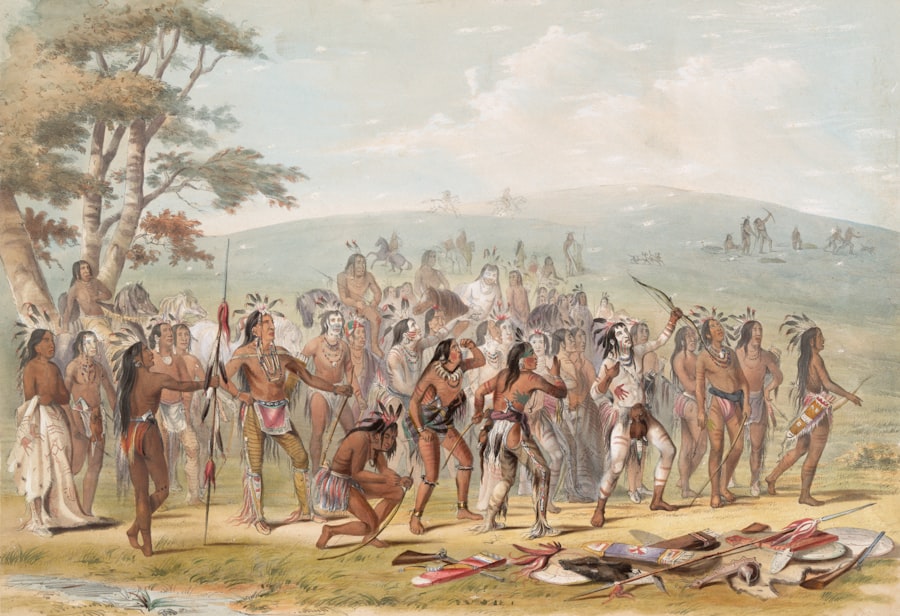
The Indigenous approach to fire suppression was not monolithic. It varied significantly across different geographical regions and ecological contexts. Communities adapted their strategies to suit the specific challenges and opportunities presented by their unique environments, demonstrating remarkable ingenuity and adaptability.
Forest Ecosystems and Fuel Management
In dense forest environments, Indigenous peoples employed strategies to manage fuel loads and reduce the risk of large-scale conflagrations. They would strategically clear undergrowth and create firebreaks through controlled burns, preventing the unchecked spread of fires. These burns also encouraged the growth of certain tree species that were more fire-resistant or that benefited from periodic burning, such as pines that relied on heat to open their cones and release seeds. Their understanding of forest dynamics allowed them to maintain a mosaic of different vegetation types, which inherently limited the intensity and spread of wildfires.
Grassland and Savannah Management
In grasslands and savannahs, where fire is a natural and essential component of the ecosystem, Indigenous peoples used burning to maintain the health and productivity of these landscapes. They would conduct regular, low-intensity burns to clear away old, dry grass, stimulate new growth, and prevent the encroachment of woody vegetation. This practice maintained the open nature of these environments, which was crucial for grazing animals and for the visibility and movement of people. These managed burns also created a patchwork of different aged grasslands, providing diverse habitats for various species.
Coastal and Wetland Fire Management
Even in coastal and wetland environments, where fire might seem less prevalent, Indigenous peoples understood its role and developed methods for its management. They might have used fire to clear reeds and grasses in marshy areas, to enhance the growth of edible plants, or to create open pathways for travel. Their knowledge of water levels and seasonal flooding played a crucial role in determining the timing and feasibility of any controlled burns in these sensitive areas.
Arid and Semi-Arid Region Strategies
In arid and semi-arid regions, where vegetation is often sparse but highly flammable when dry, Indigenous fire management focused on preventing large, intense fires. They would create and maintain firebreaks through manual clearing and by strategically encouraging the growth of less flammable vegetation along natural barriers. Their intimate knowledge of water sources and seasonal rainfall allowed them to predict periods of high fire risk and to adjust their land use accordingly. They also understood the importance of controlling human-caused ignitions during these critical dry periods.
Post-Contact Challenges and the Erosion of Traditional Practices
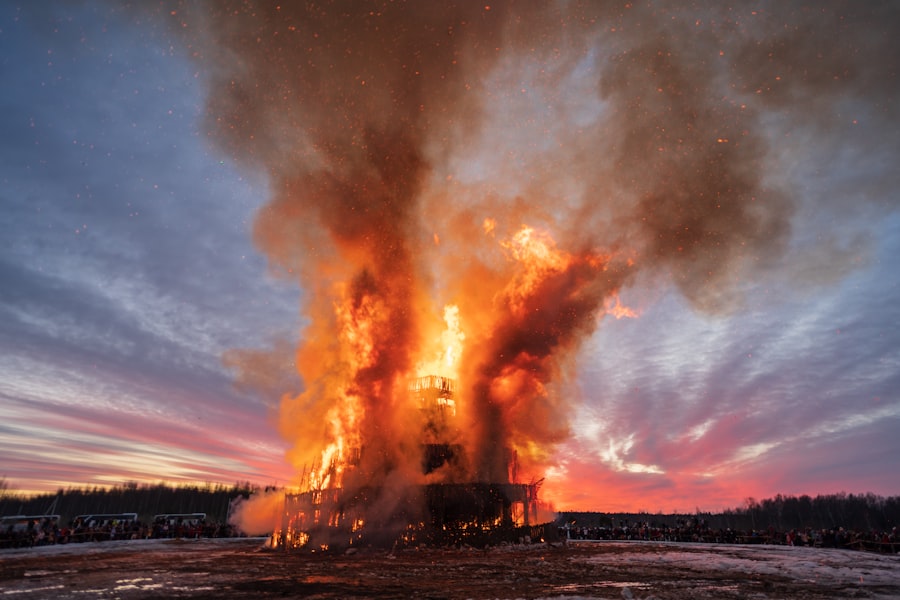
The arrival of European colonists brought about profound and often devastating changes to Indigenous societies and their traditional land management practices, including fire suppression. The imposition of foreign land ownership systems, the disruption of traditional territories, and the introduction of new technologies and ideologies led to a gradual, and sometimes abrupt, erosion of Indigenous fire knowledge.
Imposition of Colonial Fire Policies
Colonial governments and later national authorities often viewed fire through a lens of absolute suppression. This perspective, rooted in European agricultural traditions and a fear of uncontrolled wilderness, was fundamentally at odds with the ecological understanding held by Indigenous peoples. Fire was demonized, and Indigenous practices of controlled burning were often outlawed and actively discouraged, sometimes with harsh penalties. This led to the suppression of beneficial fires, which in turn resulted in the unnatural accumulation of fuel in many ecosystems.
Loss of Traditional Territories and Access to Land
The dispossession of Indigenous peoples from their ancestral lands significantly disrupted their ability to practice traditional fire management. With access to their territories curtailed, their knowledge of specific landscapes and their suitability for various burning regimes became less applicable. This forced displacement also fractured the intergenerational transmission of knowledge, as younger generations were often removed from the environments where these practices were honed and passed down.
Misunderstanding and Devaluation of Indigenous Knowledge
Colonial authorities and later scientific institutions often failed to recognize, understand, or value Indigenous knowledge systems. Traditional burning practices were frequently dismissed as primitive or destructive, rather than appreciated for their ecological sophistication. This intellectual and cultural arrogance led to the marginalization of Indigenous fire management, contributing to its decline and the subsequent rise of uncontrolled wildfires in many regions. The focus shifted from integrated ecological management to a singular emphasis on suppression, often without acknowledging the unintended consequences.
The Rise of Industrial Firefighting
As colonial societies developed, so did their approaches to firefighting. Industrialized methods, employing motorized equipment, chemicals, and large organized crews, became the dominant paradigm. While these methods were effective in certain contexts, they often lacked the nuanced understanding of ecological processes that underpinned Indigenous practices. The emphasis shifted to extinguishing fires rapidly, regardless of their ecological role, leading to a build-up of fuel that ultimately contributed to more severe and destructive wildfires in the long run.
The history of Indigenous fire suppression practices reveals a complex relationship between traditional ecological knowledge and contemporary land management strategies. Understanding these practices can provide valuable insights into sustainable approaches to fire management today. For a deeper exploration of ancient rituals that promote abundance and resilience, you might find this article on surviving famine particularly enlightening, as it highlights the interconnectedness of cultural practices and environmental stewardship. You can read more about it here.
Revitalization and the Future of Indigenous Fire Management
| Year | Indigenous Fire Suppression | Impact |
|---|---|---|
| Pre-1800s | Regular use of controlled burns by Indigenous communities | Promoted biodiversity and reduced the risk of large, destructive wildfires |
| 1800s-1900s | Suppression of Indigenous fire practices by colonial authorities | Resulted in overgrown forests and increased wildfire risk |
| 20th century | Recognition of the importance of Indigenous fire practices | Efforts to reintroduce controlled burns and traditional land management |
In recent decades, there has been a growing recognition of the invaluable knowledge and practices of Indigenous peoples concerning fire management. This has led to efforts to revitalize these traditions and to integrate them into modern land management strategies, offering a more holistic and sustainable approach to wildfire prevention and ecosystem health.
Renewed Interest and Collaboration
Indigenous communities themselves have been at the forefront of efforts to revive and promote traditional fire management practices. There is a growing movement to reassert cultural burning as a vital tool for ecological restoration and cultural revitalization. This has fostered renewed interest and collaboration between Indigenous communities, scientists, and land management agencies, recognizing that Indigenous knowledge holds crucial insights for addressing contemporary wildfire challenges.
The Role of Cultural Burning in Modern Landscapes
Cultural burning is increasingly being recognized as a crucial component of modern wildfire management strategies. By reintroducing controlled burns, land managers can mimic natural fire regimes, reduce fuel loads, and restore the ecological balance of landscapes that have been historically shaped by fire. This approach not only helps to prevent catastrophic wildfires but also promotes biodiversity, enhances the resilience of ecosystems, and supports the cultural continuity of Indigenous communities. The focus is shifting from simply extinguishing fires to actively managing them as a beneficial ecological force.
Education and Knowledge Sharing Initiatives
Numerous initiatives are underway to educate current generations, both Indigenous and non-Indigenous, about the importance of Indigenous fire knowledge. These initiatives include workshops, training programs, and educational resources that highlight the historical and ecological significance of traditional burning practices. The goal is to ensure that this vital knowledge is not lost and that it can be effectively applied to contemporary land management challenges. This involves documenting traditional knowledge, fostering intergenerational dialogue, and creating platforms for sharing best practices.
Indigenous Fire Management as a Pathway to Resilience
Ultimately, the history of Indigenous fire suppression is a powerful reminder of the profound and complex relationship between humans and the natural world. By embracing and integrating Indigenous knowledge and practices, modern land management can move towards a more sustainable and resilient future, one where fire is understood and managed not as an enemy, but as an essential element of a healthy and thriving ecosystem. This approach offers a pathway to greater ecological health, cultural preservation, and a more harmonious coexistence with the natural forces that shape our planet.

The Wilderness Was Engineered
FAQs
What is the history of indigenous fire suppression?
Indigenous fire suppression refers to the traditional practices of managing and using fire by indigenous peoples. These practices have been used for thousands of years to maintain healthy ecosystems, promote biodiversity, and reduce the risk of catastrophic wildfires.
How have indigenous fire suppression practices been used in different ecosystems?
Indigenous fire suppression practices have been used in a variety of ecosystems, including grasslands, forests, and wetlands. These practices vary depending on the specific ecosystem and the cultural traditions of the indigenous peoples who inhabit them.
What are some examples of indigenous fire suppression techniques?
Examples of indigenous fire suppression techniques include controlled burns, patch burning, and the use of firebreaks. These techniques are used to create a mosaic of burned and unburned areas, which can promote the growth of diverse plant and animal species.
How have indigenous fire suppression practices been impacted by colonization and modern fire management policies?
Colonization and modern fire management policies have often marginalized or suppressed indigenous fire suppression practices. This has led to a loss of traditional ecological knowledge and an increase in the severity of wildfires in many ecosystems.
What are the benefits of incorporating indigenous fire suppression practices into modern fire management strategies?
Incorporating indigenous fire suppression practices into modern fire management strategies can help restore and maintain healthy ecosystems, reduce the risk of catastrophic wildfires, and promote cultural and ecological resilience. It can also help to bridge the gap between traditional ecological knowledge and western science.