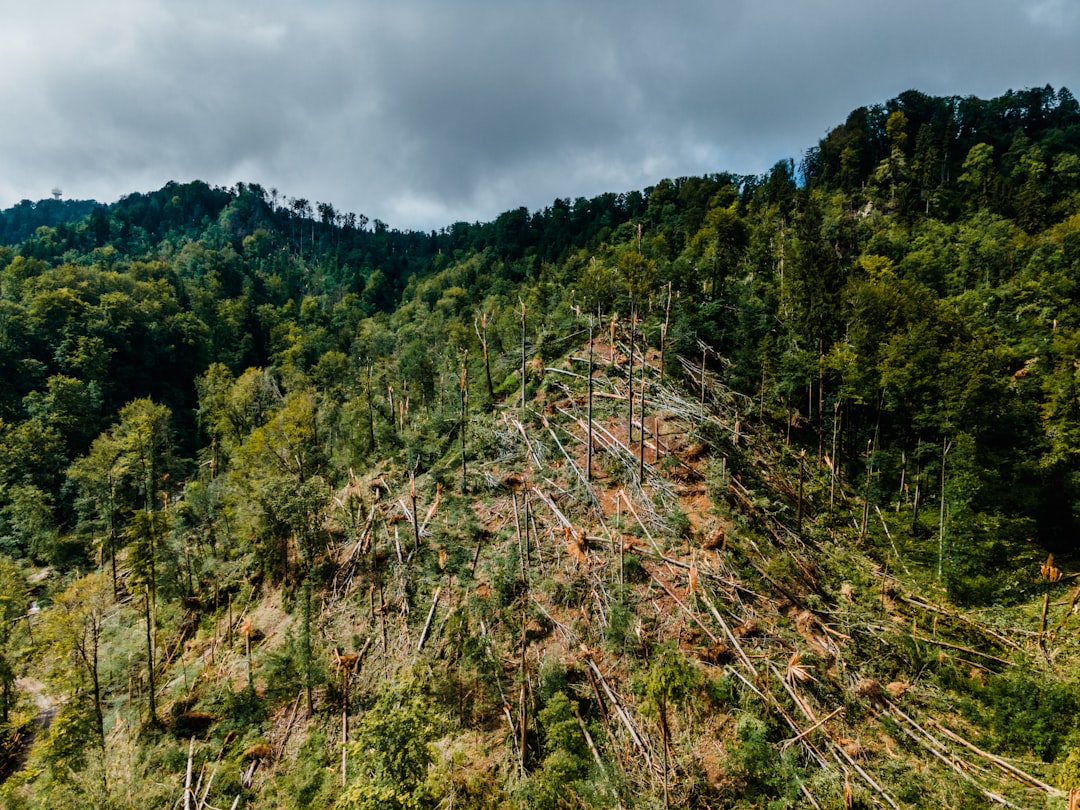
The emerald canopies of ancient forests, stretching across continents, have long been more than just sprawling ecosystems. For millennia, these vital landscapes have been intimately intertwined with the lives, cultures, and survival of Indigenous peoples. These communities, who have inhabited their ancestral lands for generations, possess a profound and intricate understanding of forest ecosystems. This knowledge, honed through observation, experimentation, and deep spiritual connection, forms the bedrock of Indigenous forest management, a system of traditional practices that has proven remarkably effective in fostering biodiversity, ensuring resource sustainability, and maintaining ecological balance. Unlike modern, often extractive approaches, Indigenous forest management is characterized by a holistic worldview, viewing the forest not as a collection of resources to be exploited, but as a living entity with which humans coexist in a reciprocal relationship. This article delves into the multifaceted dimensions of these time-tested traditions, exploring their core principles, diverse techniques, and enduring relevance in the face of contemporary environmental challenges.
At the heart of Indigenous forest management lies a fundamental worldview that distinguishes it from many Western approaches. This perspective is deeply rooted in a profound sense of interconnectedness, where humans are not separate from or superior to nature, but rather integral components of a larger, living web.
Animism and the Sentient Forest
Many Indigenous cultures hold animistic beliefs, attributing consciousness, spirit, and agency to natural elements, including trees, rivers, and mountains. This belief system fosters a deep respect for the forest, recognizing that every plant and creature possesses intrinsic value and a right to exist. This animistic understanding translates into practices that prioritize the well-being of the entire ecosystem, not just the immediate needs of human populations. The forest is perceived as a sentient being, capable of communicating its needs and desires, and humans are seen as stewards, tasked with listening to and acting in accordance with these subtle cues. This reverence prevents overexploitation, as harming the forest is akin to harming a living relative.
Ancestral Knowledge and Intergenerational Transmission
Indigenous forest management is not static; it is a dynamic body of knowledge that has been meticulously accumulated and refined over countless generations. Elders, as the living repositories of this wisdom, play a crucial role in its transmission to younger generations. This intergenerational transfer of knowledge is not confined to formal schooling; it occurs through storytelling, practical apprenticeship, ceremonial observances, and direct participation in forest activities. This continuous dialogue ensures that the knowledge remains relevant, adapts to changing environmental conditions, and is imbued with the ethical and spiritual values of the community. The nuanced understanding of plant life cycles, soil health, and animal behavior is passed down, often through practical demonstrations of sustainable harvesting and land restoration techniques.
Sacred Sites and Cultural Significance
Forests are often imbued with profound cultural and spiritual significance for Indigenous peoples. Specific trees, groves, or areas within the forest may be designated as sacred sites, holding historical importance, housing ancestral spirits, or serving as places for prayer and ceremony. The protection of these sacred spaces is paramount and often dictates land use patterns, ensuring that certain areas remain untouched and preserved for their cultural and spiritual value. This integration of the spiritual into land management underscores the holistic nature of Indigenous practices, where ecological preservation is inextricably linked to cultural survival and identity.
Indigenous people have long been recognized for their sustainable management of forests, employing traditional ecological knowledge that has been passed down through generations. Their practices not only promote biodiversity but also enhance the resilience of ecosystems in the face of climate change. For a deeper understanding of how technology intersects with these traditional practices and the broader implications for civilization, you can read the article titled “The Downfall of Civilization: Tech’s Role” available at this link.
Principles of Sustainable Harvesting and Resource Management
The success of Indigenous forest management is largely attributable to its underlying principles, which prioritize long-term sustainability over short-term gain. These principles are woven into the fabric of daily life and guide all interactions with the forest.
The Concept of “Enough” and Minimizing Waste
A core tenet of Indigenous resource management is the understanding and adherence to the concept of “enough.” This involves taking only what is needed, utilizing every part of a harvested resource, and minimizing waste. This principle directly counters the modern consumerist culture of excess. For example, when wood is harvested for construction or fuel, care is taken to select mature trees, and branches and other byproducts are utilized for crafts, medicine, or composting. This mindful approach ensures that the forest’s regenerative capacity is not overwhelmed. The concept extends beyond material resources; it also applies to time and effort, encouraging efficient and respectful use of natural cycles.
Selective Harvesting and Rotational Use
Indigenous communities rarely engage in clear-cutting or large-scale monoculture plantations. Instead, their harvesting practices are characterized by selectivity, targeting specific species and age classes of trees based on their maturity and ecological role. This selective approach allows for the regeneration of the forest canopy and maintains a diversity of tree ages and sizes, crucial for supporting a wide array of flora and fauna. Furthermore, many communities practice rotational use of forest areas. This means that after harvesting from a particular section, the land is allowed to rest and regenerate for a designated period, preventing soil depletion and ensuring the long-term health of the ecosystem. This cyclical approach mirrors natural processes and supports biodiversity.
The Importance of Seed Dispersal and Regeneration
Indigenous forest management actively promotes the natural regeneration of the forest. Practices such as carefully collecting and dispersing seeds of desired species, clearing undergrowth to facilitate seedling growth, and protecting young saplings are common. This active involvement in the regeneration process ensures that the forest can recover and thrive after harvesting. For instance, specific fruits with edible seeds are consumed, and their seeds are then deliberately dispersed in suitable areas. This proactive approach to forest renewal is a testament to their deep understanding of ecological dynamics.
Techniques for Forest Health and Biodiversity Enhancement
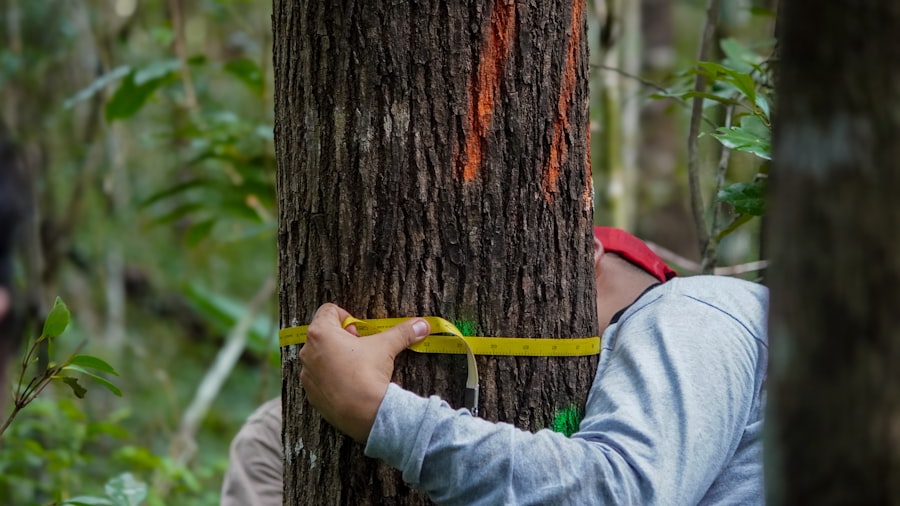
Beyond principles, Indigenous communities have developed a sophisticated array of techniques to actively manage and enhance the health and biodiversity of their forest environments. These methods are often subtle and integrated into the landscape, demonstrating an intimate knowledge of ecological processes.
Controlled Burning and Fire Management
In many regions, controlled burning has been a crucial tool for Indigenous forest management. This practice, far from being destructive, is a sophisticated technique used to:
Promoting Understory Growth and Nutrient Cycling
Carefully managed fires clear away accumulated dead vegetation, reducing the risk of uncontrolled wildfires. This process also stimulates the growth of nutrient-rich grasses and forbs that are vital for herbivores, thereby supporting the entire food web. The ash left behind after a controlled burn acts as a natural fertilizer, enriching the soil and promoting the regeneration of specific plant species that thrive in post-fire environments.
Creating Habitat Diversity
By clearing dense undergrowth, controlled burning can create mosaic landscapes with a mix of open areas and dense forest patches. This diversity of habitats supports a wider range of species, from ground-dwelling birds to larger mammals that utilize the open areas for foraging.
Managing Invasive Species
Controlled fires can also be effective in suppressing the spread of certain invasive plant species, giving native flora a competitive advantage. This helps to maintain the ecological integrity of the forest and prevent the displacement of native biodiversity.
Agroforestry and Permaculture Systems
Many Indigenous communities practice forms of agroforestry and permaculture, integrating the cultivation of useful plants within the forest ecosystem. This involves:
Cultivating Edible and Medicinal Plants
Forest edges and clearings are often used to cultivate a variety of edible plants, such as fruits, nuts, and tubers, as well as medicinal herbs. This practice ensures a reliable food and medicine supply while also enhancing the diversity of plant life within the forest.
Mimicking Natural Forest Structures
These integrated systems often mimic the natural structure of the forest, with different layers of vegetation providing a variety of ecological niches. This approach maximizes land productivity while minimizing disruption to the natural ecosystem.
Enhancing Soil Fertility
The integration of nitrogen-fixing plants and the use of organic matter from cultivated crops contribute to soil fertility, further benefiting the surrounding forest.
Water Management and Conservation
Indigenous peoples have always recognized the critical importance of water for forest health. Their practices often focus on:
Protecting Water Sources
Springs, streams, and rivers are often considered sacred and are meticulously protected from pollution and degradation. Indigenous communities understand that the health of the forest is directly linked to the health of its water systems.
Creating and Maintaining Water Catchment Areas
In some regions, traditional techniques are employed to create and maintain water catchment areas, ensuring a consistent supply of water during dry seasons. This might involve the careful management of vegetation around water sources to reduce evaporation and erosion.
Understanding Hydrological Cycles
Their intimate knowledge of local hydrological cycles allows them to manage water resources in a way that sustains both human needs and the ecological requirements of the forest.
The Role of Traditional Ecological Knowledge (TEK)
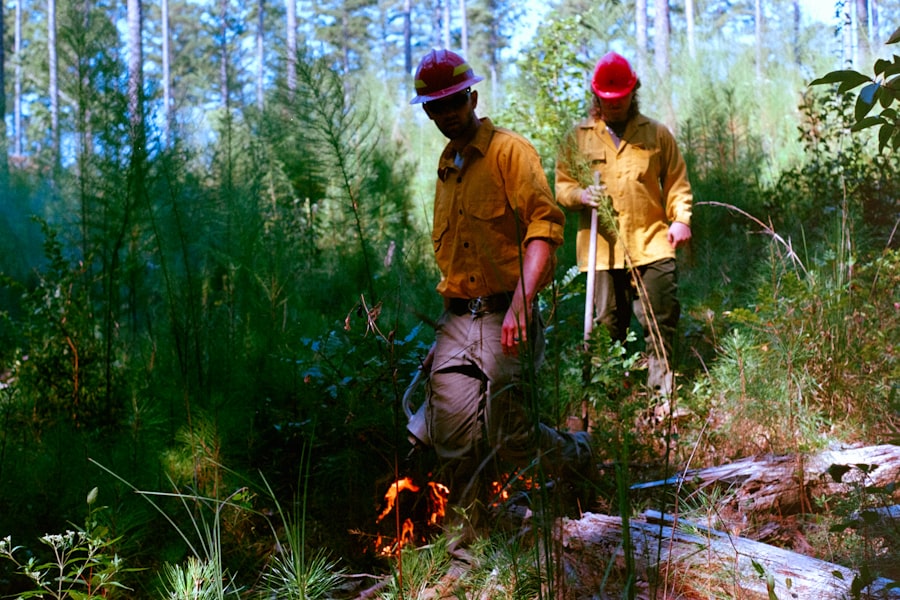
Traditional Ecological Knowledge (TEK) is the overarching framework that underpins Indigenous forest management. It is a living, evolving body of knowledge that is culturally specific, holistic, and rooted in direct experience with the environment.
Holistic and Integrated Understanding
TEK is not fragmented into disciplines like modern science. It integrates ecological, social, spiritual, and ethical dimensions of human-environment relationships. This holistic perspective allows Indigenous peoples to understand the complex interdependencies within the forest ecosystem and to make management decisions that consider the long-term well-being of all components. For example, the understanding of a plant’s medicinal properties might be inseparable from its spiritual significance and its role in the local food web.
Empirical Observation and Long-Term Monitoring
TEK is built upon millennia of meticulous empirical observation and long-term monitoring of natural phenomena. Indigenous communities have developed sophisticated ways of tracking animal migrations, plant phenology (seasonal changes), weather patterns, and the impacts of various human activities on the environment. This sustained observation provides a deep understanding of ecological processes and enables them to predict and respond to environmental changes.
Adaptive Management and Resilience
TEK is inherently adaptive. It allows for flexibility and responsiveness to changing environmental conditions. Indigenous communities continuously learn from their experiences, adjusting their management strategies based on observed outcomes and new insights. This adaptive capacity has contributed to the resilience of both Indigenous cultures and the ecosystems they manage, enabling them to thrive in diverse and often challenging environments. The ability to adapt to climatic shifts and other environmental pressures is a hallmark of this knowledge system.
Indigenous people have long been recognized for their sustainable management of forests, employing techniques that promote biodiversity and ecosystem health. Their deep understanding of the land has led to practices that not only preserve resources but also enhance the resilience of these environments. For instance, an intriguing article discusses the ancient reservoir ruins that reveal how Indigenous communities ingeniously managed water resources to support their agricultural practices. You can read more about this fascinating topic in the article Uncovering Secrets of Ancient Reservoir Ruins. This connection between water management and forest sustainability highlights the holistic approach Indigenous cultures have taken towards environmental stewardship.
Contemporary Relevance and Future Implications
| Indigenous Forest Management | Metrics |
|---|---|
| Preservation of biodiversity | Percentage of plant and animal species protected |
| Sustainable harvesting | Amount of timber or non-timber forest products harvested annually |
| Fire management | Frequency and severity of wildfires |
| Traditional knowledge | Number of traditional forest management practices utilized |
In an era marked by unprecedented environmental challenges, the wisdom embodied in Indigenous forest management practices is more relevant than ever. These time-tested traditions offer valuable lessons and potential solutions for sustainable land management and conservation.
Biodiversity Conservation and Ecosystem Restoration
Indigenous-managed forests often exhibit higher levels of biodiversity and greater ecological health compared to areas subjected to conventional resource extraction. Their practices, focused on holistic ecosystem health, can serve as models for biodiversity conservation efforts worldwide. Furthermore, their knowledge of restoration techniques, honed over centuries, offers valuable insights for healing degraded landscapes.
Climate Change Mitigation and Adaptation
Indigenous forest management practices, such as the preservation of carbon-sequestering forests and the promotion of healthy soil ecosystems, play a vital role in mitigating climate change. Their deep understanding of local climate patterns and their capacity for adaptive management also make them crucial partners in developing strategies for climate change adaptation. Their traditional land use patterns often maintain large carbon sinks.
Food Security and Livelihoods
The sustainable harvesting of forest resources and the cultivation of diverse food crops within agroforestry systems contribute significantly to Indigenous food security and livelihoods. These practices offer a model for developing resilient and sustainable food systems that are less vulnerable to global market fluctuations.
Cultural Preservation and Empowerment
Recognizing and supporting Indigenous forest management is not just an environmental imperative; it is also a matter of social justice and cultural preservation. Empowering Indigenous communities to manage their ancestral lands according to their traditions is essential for their cultural survival and self-determination. This also involves recognizing their land rights and ensuring that their knowledge is valued and integrated into broader conservation and development initiatives. The ongoing struggle for Indigenous rights is intrinsically linked to the protection of their traditional lands and the management practices that sustain them.
In conclusion, Indigenous forest management represents a profound and enduring legacy of human ingenuity and ecological stewardship. These traditional practices, born from a deep spiritual connection to the land and a commitment to reciprocity, offer invaluable lessons for navigating the complex environmental challenges of our time. By embracing and learning from these time-tested approaches, humanity can move towards a more sustainable, equitable, and harmonious relationship with the natural world, ensuring the health of our planet for generations to come. The forest, once again, becomes a source of life and wisdom, guided by hands that have understood its rhythms for millennia.

The Wilderness Was Engineered
FAQs
What is traditional Indigenous forest management?
Traditional Indigenous forest management refers to the practices and techniques used by Indigenous peoples to sustainably manage and protect forests. This includes controlled burning, selective harvesting, and the use of traditional ecological knowledge to maintain the health and biodiversity of the forest.
How did Indigenous people use controlled burning to manage forests?
Indigenous people used controlled burning as a forest management tool to clear underbrush, promote new growth, and reduce the risk of larger, more destructive wildfires. This practice also helped to maintain open areas for hunting and gathering, and to encourage the growth of specific plant species.
What role did traditional ecological knowledge play in Indigenous forest management?
Traditional ecological knowledge, passed down through generations, played a crucial role in Indigenous forest management. This knowledge included an understanding of local plant and animal species, seasonal changes, and the interconnectedness of ecosystems, which guided sustainable forest management practices.
How did Indigenous people practice selective harvesting in forest management?
Indigenous people practiced selective harvesting by carefully choosing which trees to cut for building materials, tools, and other resources, while leaving the majority of the forest intact. This approach allowed for the regeneration of the forest and the preservation of biodiversity.
What are the benefits of incorporating Indigenous forest management practices today?
Incorporating Indigenous forest management practices today can help to promote forest health, reduce the risk of catastrophic wildfires, preserve biodiversity, and support the cultural and economic well-being of Indigenous communities. These practices also align with sustainable and environmentally friendly forest management principles.