
A Rumble in the Tundra: The Mammoth’s Agony and the Camp’s Terror
The biting wind whipped across the vast, snow-dusted plains, carrying with it the scent of pine and the distant, unsettling cry of a predator. For the small band of early humans, huddled around a sputtering fire, it was just another day on the edge of existence. Their camp, a cluster of sturdy hide tents and rudimentary stone tools, represented a fragile bastion against the unforgiving Ice Age environment. They were hunters, gatherers, survivors, their lives dictated by the ebb and flow of the seasons and the movements of the colossal beasts that roamed their world. But on this particular afternoon, the familiar rhythm of their existence was shattered by a sound that sent tremors through the very earth: a deep, pained bellow, a sound of immense suffering and unrestrained power. It was the sound of a woolly mammoth in agony, and it was approaching.
In a fascinating exploration of prehistoric life, a recent article discusses the implications of an injured woolly mammoth rising near an Ice Age camp, shedding light on the interactions between early humans and megafauna. This event not only highlights the challenges faced by these ancient creatures but also offers insights into the survival strategies of early hunter-gatherers. For more intriguing insights into ancient civilizations and their wonders, you can read the article here: Discovering the Seven Wonders of the Ancient World.
The Unforeseen Arrival: A Colossus in Distress
The first indication of the impending crisis was not a visual one, but a visceral one. A low thrumming began to vibrate through the frozen ground, a deep resonance that the hunters felt in their bones before they saw anything. Heads snapped up from their tasks. Children, who had been playing with carved bone figurines, froze, their innocent games forgotten. The elders, their faces etched with the wisdom of countless harsh winters, exchanged grim glances. This was no ordinary herd movement. The earth’s tremor was punctuated by a series of earth-shattering roars, sounds that spoke of injury, desperation, and a raw, untamed power unleashed.
The Shadow on the Horizon
Through the swirling snow, a colossal silhouette began to emerge. It was a woolly mammoth, a creature of legend and a daily reality, but this one was different. Its massive frame, usually a symbol of strength and resilience, was now a testament to its suffering. One of its enormous tusks, a weapon capable of felling trees, lay snapped and broken, a jagged shard protruding from its trunk. Blood, a stark crimson against the white landscape, stained its thick, shaggy fur around a deep gash on its flank. The sheer scale of the injured animal was terrifying, its sheer bulk a moving mountain of flesh and bone. As it lumbered closer, its gait was uneven, a heavy, dragging movement that spoke of immense pain. The ground shook with each agonizing step, and the air seemed to crackle with its distress.
A Force of Nature Unhinged
The approaching mammoth was not merely an injured animal; it was a force of nature driven mad by pain. Its usual placid demeanor, if such a term could ever be applied to such a gargantuan beast, was replaced by a primal ferocity. Its eyes, small and dark, gleamed with a wild, unfocused intensity. It was not seeing the small, insignificant humans in its path; it was seeing only its torment and the overwhelming urge to escape it. The wind seemed to carry its bellows, a mournful lament that pierced the hearts of the onlookers, yet the sheer power behind those sounds was a stark reminder of the danger it represented. The delicate balance of the Ice Age ecosystem, a world where humans were but a small part, had been violently disrupted by the agony of one of its most magnificent inhabitants.
The Camp Under Siege: Panic and Primal Instincts
The initial shock quickly gave way to a wave of unadulterated panic. The sight of the injured titan, bleeding and bellowing, was a primal terror that bypassed rational thought. The camp, which minutes before had been a scene of organized, albeit simple, activity, dissolved into chaos. The carefully tended fires were kicked aside as individuals scrambled for safety, their instincts overriding any semblance of order. The air was filled with shouts, the cries of terrified children, and the frantic bleating of the domesticated dogs that served as companions and early warning systems. The mammoth’s proximity, its immense size now a tangible threat, loomed over their fragile existence.
A Stampede of Fear
The instinct to flee was overwhelming. Mothers clutched their children, their faces contorted with fear, and ran towards the relative safety of the dense pine forest that bordered their encampment. Men, armed with spears and stone axes, hesitated, torn between the desperate need to protect their families and the futility of confronting such a monumental force in its tormented state. Some, driven by bravery or foolhardiness, tried to establish a defensive perimeter, their primitive weapons appearing laughably inadequate against the approaching behemoth. The dogs, sensing the panic, barked and yelped incessantly, adding to the cacophony of terror. The ground, already trembling from the mammoth’s approach, now seemed to vibrate with the frantic footsteps of fleeing humans and the desperate scrabbling of animals.
The Fragility of Shelter
The hide tents, their sturdy construction designed to withstand blizzards and biting winds, offered little protection against the sheer destructive power of an enraged mammoth. The creature, in its agony, was not intentionally targeting the camp, but its blind, panicked movements were more than enough to bring ruin. The sight of a tent collapsing under the accidental brush of the mammoth’s massive shoulder sent a fresh wave of terror through the fleeing humans. Their shelters, their homes, their entire world, was being reduced to rubble by the raw, unthinking force of a wounded creature. The carefully crafted tools, the preserved food stores, the very essence of their survival, were in imminent danger of being crushed and scattered.
The Hunt for Survival: Desperate Measures and Resourcefulness
In the face of such overwhelming danger, the instinct for survival kicked into high gear. The initial panic, while understandable, could not be sustained. The humans, despite their fear, were also incredibly resourceful. Their lives depended on their ability to adapt and overcome the myriad challenges of the Ice Age. This unforeseen crisis, though terrifying, also presented an opportunity for ingenuity, however grim. The immediate priority was to ensure the safety of the vulnerable, but the long-term survival of the community also rested on their ability to manage the situation and potentially glean some benefit, however tragic, from the mammoth’s presence.
Strategic Retreat and Diversionary Tactics
The elders, their voices rising above the din, began to direct the frantic efforts of the camp. They understood that a direct confrontation was suicidal. Instead, their focus shifted to evasion and, if possible, diversion. Small groups were tasked with leading the more vulnerable members of the community towards pre-determined safe zones within the surrounding landscape. Others, armed with burning torches and loud noises, were instructed to attempt to steer the mammoth away from the most densely populated areas of the camp, using the flames and the din to create a deterrent. The hope was that by creating a confusing and intimidating environment, they might influence the mammoth’s trajectory, guiding it away from their precious resources and living spaces.
The Dilemma of the Injured Giant
The presence of the injured mammoth presented a complex moral and practical dilemma. It was a source of immense danger, but it was also a colossal meal, a potential lifesaver for the community during the lean months ahead. The decision of what to do with the animal, should it eventually succumb to its injuries or be driven away, weighed heavily on the leaders. While fear was paramount, the ingrained knowledge of their precarious existence meant that no viable resource could be entirely disregarded. The elders debated, their voices low and urgent, the practicalities of butchering such a massive animal, the risks involved, and the potential rewards, all while the sounds of destruction echoed through the frozen air.
In a fascinating discovery, researchers uncovered evidence of an injured woolly mammoth rising near an Ice Age camp, shedding light on the interactions between prehistoric humans and megafauna. This incident not only highlights the challenges faced by these ancient creatures but also raises questions about the survival strategies of early humans. For further insights into how ancient populations adapted to their environment, you can read more in this related article on uncovering ancient famine.
The Aftermath and the Lessons Learned: A Scar on the Landscape and the Mind
| Event | Description | Impact on Ice Age Camp | Estimated Timeframe |
|---|---|---|---|
| Injured Woolly Mammoth Appears | A large woolly mammoth, visibly injured, rises near the camp. | Caused alarm and curiosity among the camp inhabitants. | Circa 12,000 years ago |
| Camp Reaction | Hunters and gatherers observe the mammoth cautiously. | Increased vigilance and preparation for potential danger. | Immediate, within hours of sighting |
| Hunting Attempt | Some members attempt to hunt the injured mammoth for food and resources. | Risk of injury to hunters; potential food gain if successful. | Within 1-2 days after sighting |
| Mammoth Behavior | Injured mammoth shows signs of distress and defensive behavior. | Increased danger to camp; possible displacement of camp members. | During hunting attempt |
| Outcome | Mammoth either succumbs to injuries or escapes. | Provision of meat and materials if killed; otherwise, continued threat or loss. | Within a week |
| Long-term Effects | Lessons learned about mammoth behavior and hunting strategies. | Improved hunting techniques and camp safety measures. | Following weeks to months |
As the earth-shaking tremors finally began to recede and the panicked bellows grew fainter, a fragile silence descended upon the ravaged landscape. The immediate threat had passed, but the evidence of its passing was stark and undeniable. The chaos had subsided, replaced by a grim assessment of the damage and a profound sense of relief mingled with sorrow. The Ice Age had once again reminded its inhabitants of their vulnerability, but it had also, as always, underscored the resilience of the human spirit.
A Scene of Devastation
The once-ordered camp was a scene of utter disarray. Tents lay flattened, their sturdy frames twisted and broken. Tools and precious possessions were scattered and trampled. The carefully accumulated stores of dried meat and berries were now smeared with mud and indistinguishable from the debris. The scent of blood, both from the mammoth and from any unfortunate souls who had suffered minor injuries during the stampede, hung heavy in the frigid air. The sheer destructive power of the animal, even in its agony, was a stark testament to its place in the natural order. The snow-covered ground bore the imprint of its colossal hooves, a lasting scar on the familiar terrain.
The Price of Survival
The humans, emerging from their hiding places, surveyed the damage with a mixture of dread and gratitude. They had survived. Their families were, for the most part, safe. But the cost of that survival was significant. The loss of shelter and provisions would necessitate immediate and arduous rebuilding. The psychological impact of the terror would linger, a chilling reminder of their vulnerability. Yet, within the devastation, there was also a nascent sense of purpose. The elder’s discussions about the fallen mammoth, the potential for sustenance, would soon give way to the practicalities of salvage. This was not merely about mourning what was lost, but about leveraging what remained, however grim the circumstances, to ensure their continued existence. The injured mammoth, in its tragic journey, had inadvertently provided a stark lesson in the unforgiving realities of their world and the indomitable will to persevere that defined their struggle.
In a fascinating discovery, researchers uncovered evidence of an injured woolly mammoth rising near an Ice Age camp, shedding light on the interactions between early humans and these majestic creatures. This event not only highlights the challenges faced by both species during harsh climatic conditions but also raises questions about the technological advancements of the time. For a deeper understanding of how ancient innovations may have influenced survival strategies in such environments, you can read more in this related article on apocalyptic ancient tech and the catastrophic effects of lost innovations here.
Echoes in the Frozen Wind: The Mammoth’s Legacy and Future Prospects
The immediate crisis had been weathered, but its impact would resonate far beyond the physical destruction. The presence of the injured mammoth, its agonizing passage through their territory, had etched itself into the collective memory of the community. It was a story that would be told around future fires, a cautionary tale and a testament to their own survival. The physical scars on the landscape would eventually be covered by snow and time, but the psychological and practical lessons learned would remain.
A Feast of Necessity
The grim task of butchering the fallen mammoth would commence, a somber yet essential undertaking. The sheer volume of meat, fat, and hide would represent a significant boon to the community, providing sustenance for weeks, perhaps even months, to come. The marrow from the bones would offer precious calories, the hide would be used to repair tents and fashion new clothing, and the sinews would serve as strong cordage. This was not a celebration of death, but a pragmatic recognition of life’s intricate cycle, where even the most terrifying of events could, in the unforgiving logic of the Ice Age, offer the means of survival. The elders would meticulously oversee the process, ensuring no part of the fallen giant was wasted, a testament to their deep understanding of resourcefulness.
Adapting to the Unforeseen
The encounter would undoubtedly prompt a re-evaluation of their camp’s defenses and their awareness of the surrounding environment. Perhaps they would consider establishing early warning systems further afield, or developing more sophisticated methods of signaling danger. The knowledge gained from observing the mammoth’s erratic behavior under duress might inform future interactions with such creatures, leading to more nuanced strategies of avoidance or even deterrence. The experience would serve as a potent reminder that even the most familiar landscapes held unexpected dangers, and that constant vigilance and adaptability were the keys to enduring the relentless challenges of their era. The echoes of the mammoth’s sorrowful roars, carried on the frozen wind, would serve as a constant, albeit somber, reminder of their precarious place in the grand, unforgiving tapestry of the Ice Age.
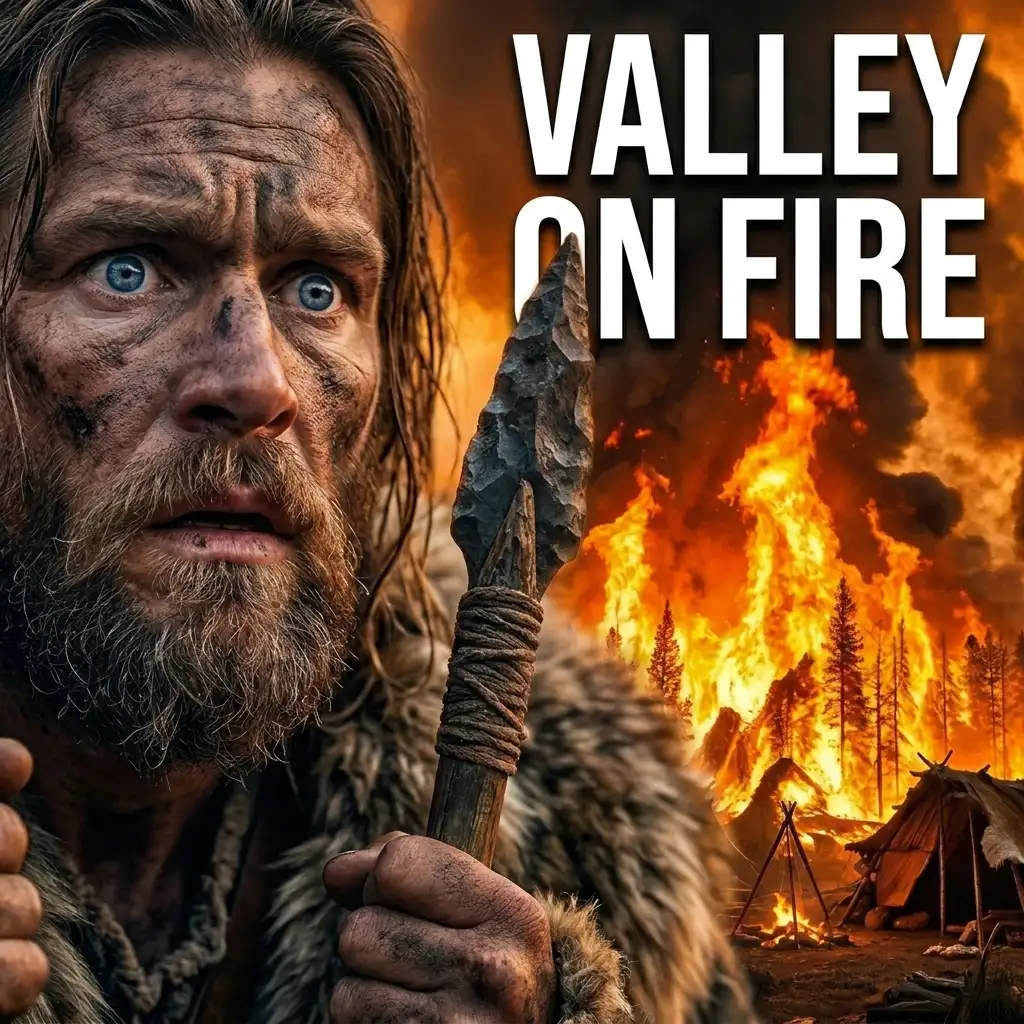
Life 20,000 Years Ago | When an Ice Age Wildfire Traps Your Primitive Family
FAQs
What is the significance of the woolly mammoth in the Ice Age?
The woolly mammoth was a key species during the Ice Age, serving as a major source of food for early humans. Its large size and thick fur made it well-adapted to the cold environments of the time, and its presence in archaeological sites provides valuable insights into the ecosystems and human interactions of that era.
What injuries did the woolly mammoth sustain?
The woolly mammoth in the article was reported to have sustained injuries likely from a predator attack or environmental hazards, such as falling into a crevice or getting trapped in ice. These injuries would have affected its mobility and ability to forage for food, making it vulnerable in its harsh environment.
How did early humans react to the injured woolly mammoth?
Early humans likely viewed the injured woolly mammoth as both a potential food source and a dangerous threat. Their reactions would have included cautious approaches to assess the situation, as hunting an injured animal could provide a significant meal but also pose risks if the mammoth became aggressive or if other predators were nearby.
What can we learn from the encounter between the woolly mammoth and the Ice Age camp?
This encounter provides insights into the survival strategies of both the woolly mammoth and early humans. It highlights the challenges faced by megafauna during the Ice Age and the adaptive behaviors of humans in hunting and gathering, as well as their understanding of animal behavior and ecology.
Are there any archaeological findings related to this event?
While specific archaeological findings related to this exact event may not exist, many sites have uncovered evidence of woolly mammoth remains alongside tools and artifacts used by early humans. These findings help researchers piece together the interactions between humans and mammoths, including hunting practices and the impact of climate change on their populations.