
The unforgiving expanse of the Persian desert, a landscape sculpted by wind and sun, has long been a testament to human resilience and ingenuity. For millennia, communities have not merely survived within this arid environment but have thrived, developing sophisticated techniques to harness its limited resources. Today, these ancient wisdoms are being re-examined and revitalized, infused with modern scientific understanding and technological advancements to address contemporary challenges of sustainability. The innovations emerging from Persian desert engineering are not merely incremental improvements; they represent a paradigm shift, offering robust and elegant solutions for water management, energy production, and urban development in arid regions worldwide.
Echoes of Antiquity: Rediscovering Traditional Water Harvesting
The heart of desert survival lies in the masterful management of water. For centuries, Persians developed an intricate network of qanats – underground aqueducts that channeled water from distant aquifers to arid settlements. These marvels of hydraulic engineering, often stretching for kilometers, minimized evaporation and ensured a consistent water supply. Today, understanding the principles behind qanat construction and maintenance is inspiring new approaches to underground water storage and distribution. Beyond qanats, traditional methods like cisterns, dew-collecting structures, and floodwater harvesting systems are being studied for their efficiency and adaptability. The inherent sustainability of these ancient systems, designed to work in harmony with the natural water cycle rather than against it, makes them invaluable blueprints for modern arid-zone water security.
The Qanat Revival: Modernizing Ancient Aqueducts
The concept of qanats, while seemingly archaic, is experiencing a renaissance. Researchers and engineers are studying the geological principles that guided qanat construction, identifying optimal locations for wells and tunnel excavation to maximize water flow and minimize leakage. Modern surveying techniques, including ground-penetrating radar and remote sensing, are being employed to map existing qanat systems, assess their structural integrity, and identify areas for rehabilitation. The challenge now is to integrate these traditional networks with contemporary water management strategies. This involves understanding the precise water yields of historical qanats, their long-term sustainability in the face of changing groundwater levels, and their potential to augment modern water sources. Furthermore, the construction of new, albeit smaller-scale, qanat-like systems is being explored in remote communities where conventional infrastructure is prohibitively expensive. These modern iterations benefit from improved materials and construction techniques, ensuring greater longevity and efficiency while retaining the core principle of gravity-fed, low-evaporation water delivery. The meticulous planning and understanding of soil mechanics and hydrology that underpinned qanat creation are now being translated into educational programs, aiming to pass on this invaluable knowledge to future generations of engineers and water managers.
Beyond Qanats: Embracing Diverse Traditional Water Capture
While qanats are perhaps the most iconic Persian water engineering achievement, numerous other traditional methods demonstrate a profound understanding of arid hydrology. Ancient cisterns, often carved into bedrock or constructed with robust masonry, served as vital reservoirs for rainwater and occasional floodwaters. The architectural design of these cisterns, with their carefully calculated volumes and filtration mechanisms, minimized contamination and evaporation. Contemporary research is re-evaluating the effectiveness of these designs, exploring their potential for rainwater harvesting in urban and rural settings. Furthermore, innovative dew-catching structures, ingeniously designed to condense atmospheric moisture, are being studied for their passive water generation capabilities. These often involve large, dark surfaces that cool at night, encouraging dew formation, with subsequent collection channels. Floodwater harvesting, a practice of capturing ephemeral river flows and channeling them for agricultural use or groundwater recharge, is another area of renewed interest. Understanding the historical techniques of building check dams, diversion channels, and terraces for such purposes provides valuable insights into managing flash floods and maximizing their beneficial impact on soil moisture and local ecosystems. The integration of these diverse traditional techniques, often found in close proximity and complementing each other, offers a holistic approach to water management that is far more resilient and sustainable than relying on single, large-scale infrastructure projects.
Persian desert engineering has a rich history of innovative solutions to overcome the challenges posed by arid environments. A fascinating article that explores the ingenuity of ancient engineering is available at this link: The Ingenious Inventions of Hero of Alexandria. This piece delves into the remarkable inventions and techniques developed by Hero, which have influenced various engineering practices, including those adapted for desert conditions in Persia.
Harnessing the Sun: Pioneering Desert Solar Technologies
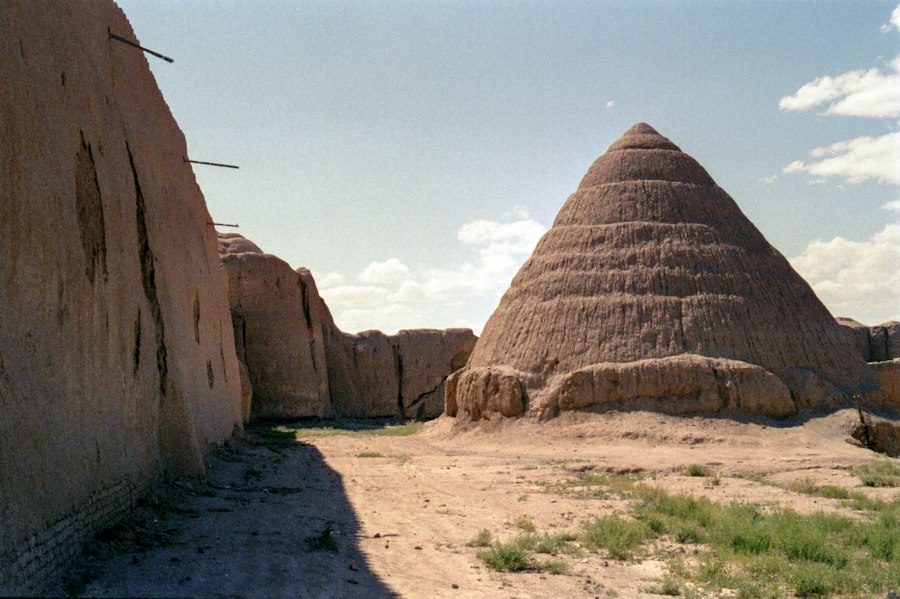
The relentless sun that defines the Persian desert is also its most abundant resource. This has spurred significant innovation in solar energy technologies, moving beyond conventional photovoltaic panels to embrace more integrated and context-specific solutions. Traditional methods of using sunlight for passive cooling and heating are being reinterpreted with modern materials and design principles. Furthermore, large-scale solar farms are being strategically located to minimize environmental impact, often on degraded land or in areas unsuitable for agriculture, while also considering the potential for co-location with water management systems. The focus is on maximizing efficiency, durability, and cost-effectiveness, ensuring that solar power becomes a truly accessible and sustainable energy source for desert communities and beyond.
Integrated Solar Systems: Beyond Photovoltaics
The Persian approach to solar energy extends far beyond the installation of standard photovoltaic panels. There is a growing emphasis on integrated systems that combine solar power generation with other essential functions. For instance, innovative designs are emerging for solar-powered desalination units, utilizing concentrated solar thermal energy to evaporate saltwater and condense pure water. These systems are particularly crucial for coastal desert regions facing freshwater scarcity. Additionally, researchers are exploring the use of solar energy for pumping water from deeper wells, an essential component of maintaining irrigation systems and urban water supplies in arid areas. Another exciting area of development involves solar-powered cooling systems, drawing inspiration from traditional windcatchers and evaporative cooling techniques. These modern adaptations utilize solar energy to drive fans and water pumps, creating a sustainable and energy-efficient method for moderating desert temperatures in residential and commercial buildings. The principle of “solar farms” is also being re-imagined. Instead of solely focusing on electricity generation, some projects are integrating solar thermal collectors for direct heat applications, such as in industrial processes or for heating water for public amenities. This multifaceted approach ensures that solar energy serves multiple critical needs, maximizing its impact and contribution to desert sustainability.
Advanced Solar Materials and Design for Arid Climates
The extreme conditions of the desert, characterized by intense solar radiation, high temperatures, and dust accumulation, pose unique challenges for solar technology. Innovations are addressing these through the development of advanced materials and specialized designs. Research is focused on creating photovoltaic cells that are more resistant to heat degradation, thereby maintaining their efficiency over longer periods. This includes the exploration of novel semiconductor materials and protective coatings that can withstand harsh UV exposure and prevent overheating. Dust accumulation, a significant impediment to solar panel performance, is being tackled through the development of self-cleaning surfaces and advanced cleaning mechanisms. Some promising solutions involve hydrophobic or anti-static coatings that repel dust particles, reducing the need for frequent manual cleaning. Automated robotic cleaning systems are also being deployed for large-scale solar farms, ensuring optimal energy output with minimal human intervention. Furthermore, the design of solar mounting structures is being optimized for desert environments. This includes considering wind resistance, minimizing land footprint, and incorporating features that aid in heat dissipation. The integration of these advanced materials and design considerations is crucial for unlocking the full potential of solar energy in arid regions, ensuring its reliability and longevity.
Desert Architecture and Urban Planning: Sustainable Living in Arid Zones

The traditional architecture of desert settlements offers a rich repository of knowledge on how to live comfortably and sustainably in extreme heat. Homes were designed with thick walls for thermal insulation, strategically placed courtyards for shade and ventilation, and windcatchers to harness natural breezes. Modern innovations are not only reviving these ancient principles but also integrating them with contemporary building technologies and urban planning strategies to create resilient and livable desert cities. The aim is to minimize energy consumption for cooling, maximize the use of local and sustainable materials, and create urban environments that are in harmony with the desert ecosystem.
Passive Cooling and Thermal Regulation in Modern Structures
The legacy of Persian vernacular architecture provides a powerful foundation for modern sustainable building design in arid regions. The principle of thermal mass, achieved through thick adobe or rammed earth walls, is being re-employed. These materials absorb heat during the day and slowly release it at night, moderating indoor temperatures without relying on active cooling systems. Modern techniques are enhancing this by incorporating advanced insulation materials and optimizing the composition of traditional building materials for improved performance. The strategic placement of windows and openings, coupled with the use of shading devices such as deep overhangs and louvers, is crucial for controlling solar gain. Courtyards, once central to traditional homes, are being re-imagined as microclimates within modern buildings, providing shaded spaces for relaxation and ventilation. The revival of windcatchers, or modern adaptations thereof, is also a key innovation. These structures, designed to capture prevailing winds and direct them into buildings, offer a natural and energy-free method of ventilation and cooling. Emerging research also focuses on the use of reflective surfaces and green roofs to reduce heat absorption, further enhancing the passive cooling capabilities of desert structures. The integration of these passive strategies not only reduces energy demand but also creates more comfortable and healthier indoor environments, fostering a deeper connection between inhabitants and their natural surroundings.
Innovative Materials and Construction Techniques for Desert Environments
The development of new building materials and construction techniques tailored to the specific demands of desert environments is a critical area of innovation. Beyond traditional rammed earth and adobe, researchers are exploring the use of stabilized earth blocks, which offer greater durability and water resistance. The integration of recycled materials, such as construction waste and agricultural byproducts, into building components is also gaining traction, reducing environmental impact and resource consumption. Furthermore, advancements in concrete technology are leading to the development of “cool concrete” mixes that reflect solar radiation, significantly reducing the heat absorbed by buildings and pavements. The use of prefabricated construction elements is also being explored to accelerate building processes and improve quality control in remote or challenging desert locations. This approach, combined with modular design principles, allows for greater flexibility and adaptability of desert structures. Another area of innovation lies in the development of advanced waterproofing and moisture management systems. In arid regions, while water is scarce, sudden downpours can cause significant damage to buildings if not properly managed. Modern materials and techniques are focusing on creating robust barriers against water ingress and ensuring efficient drainage. The overarching goal is to create buildings that are not only energy-efficient and comfortable but also durable, cost-effective, and environmentally responsible, minimizing their footprint in these sensitive ecosystems.
Water Conservation and Management: A Thriving Desert Ecosystem
The scarcity of water in desert regions necessitates an unwavering focus on conservation and efficient management. Persian engineers have long excelled in this domain, and modern innovations build upon this legacy with cutting-edge technologies and strategies. The aim is to maximize the utilization of every drop of water, minimize waste, and ensure the long-term sustainability of both human settlements and the fragile desert ecosystems they inhabit. This involves a multi-pronged approach encompassing efficient irrigation, wastewater treatment and reuse, and the creation of water-wise landscapes.
Smart Irrigation and Agricultural Efficiency
Agriculture in desert environments has historically been a challenging endeavor, demanding innovative approaches to water conservation. Modern Persian agricultural engineering is focusing on smart irrigation systems that precisely deliver water only when and where it is needed. This includes the widespread adoption of drip irrigation and micro-sprinkler systems, which significantly reduce water loss through evaporation and deep percolation. Sensors are being deployed to monitor soil moisture levels in real-time, allowing for automated adjustments to irrigation schedules. Furthermore, research into drought-resistant crop varieties, developed through advanced breeding techniques, is playing a crucial role in reducing the overall water footprint of agriculture. The practice of “water harvesting for agriculture” is also being modernized. This involves the construction of small dams, contour bunds, and terraces to capture infrequent rainfall and channel it to agricultural lands, thereby enhancing soil moisture and reducing reliance on irrigation. The integration of hydroponic and aeroponic farming systems, which utilize significantly less water than traditional agriculture, is also being explored as a viable option for desert cultivation. The focus is on creating a closed-loop system where water is recirculated and reused, minimizing its consumption.
Wastewater Treatment and Reuse Technologies
In arid regions, wastewater is not a waste product but a valuable resource. Persian engineers are at the forefront of developing and implementing advanced wastewater treatment and reuse technologies. These systems go beyond basic purification, aiming to produce water of a quality suitable for a range of applications, including irrigation, industrial processes, and even, in some cases, potable reuse. Technologies such as membrane filtration, reverse osmosis, and advanced oxidation processes are being employed to remove contaminants and pathogens effectively. The integration of constructed wetlands, utilizing the natural filtration capabilities of plants and microorganisms, offers a more sustainable and cost-effective approach to wastewater treatment, particularly in decentralized systems. The concept of “greywater recycling” – treating and reusing water from sinks, showers, and washing machines – is also being actively promoted for domestic use, significantly reducing the demand for fresh potable water. Furthermore, the development of portable and modular wastewater treatment units is enabling their deployment in remote desert communities, ensuring access to clean water where conventional infrastructure is lacking. The ultimate goal is to create a circular economy for water, where every drop is captured, treated, and reused, thereby alleviating pressure on scarce freshwater resources and promoting a more sustainable model of development in arid regions.
Persian desert engineering has long fascinated researchers due to its innovative approaches to water management and sustainable living in arid environments. A related article that delves into the historical context of ancient technologies and their applications can be found at this link, which explores the evidence of advanced engineering practices in ancient civilizations. Understanding these techniques not only sheds light on the ingenuity of past societies but also offers valuable insights for modern challenges in desert environments.
Desert Greenery and Ecological Restoration: Reclaiming Arid Lands
| Metric | Value | Unit | Description |
|---|---|---|---|
| Average Annual Rainfall | 50 | mm | Average precipitation in Persian desert regions |
| Sand Dune Stabilization Area | 1200 | km² | Area covered by engineering projects to stabilize sand dunes |
| Water Harvesting Capacity | 15 | million m³/year | Volume of water collected through desert engineering structures annually |
| Vegetation Cover Increase | 30 | % | Percentage increase in vegetation cover due to desert engineering efforts |
| Windbreak Length | 500 | km | Total length of windbreaks constructed to reduce sand movement |
| Soil Salinity Reduction | 20 | % | Reduction in soil salinity levels after engineering interventions |
| Desertification Control Projects | 45 | Number | Number of active projects aimed at controlling desertification |
The desert landscape, often perceived as barren, possesses a unique and resilient ecosystem. Innovations in Persian desert engineering are increasingly focused on fostering this natural resilience, promoting the growth of vegetation, and restoring degraded arid lands. This involves understanding the intricate relationships within desert ecosystems and employing techniques that support biodiversity and ecological balance. The goal is not to transform deserts into lush oases but to enhance their natural capacity for life, creating sustainable environments that can support both human populations and wildlife.
Water-Wise Landscaping and Drought-Resistant Flora
The principles of water-wise landscaping, or xeriscaping, are deeply ingrained in the Persian approach to desert greenery. This involves the strategic selection and utilization of drought-resistant native plant species that are adapted to arid conditions and require minimal water. These plants not only beautify the landscape but also play a crucial role in soil stabilization, reducing erosion caused by wind and flash floods. Innovations in this field include the development of specialized soil amendments that improve water retention and nutrient availability for desert plants. Furthermore, the use of mulch and other ground cover materials helps to reduce evaporation from the soil surface, conserving precious moisture. Research into innovative irrigation techniques, such as sub-surface drip irrigation, is also being applied to landscape design, ensuring that water is delivered directly to the root zone of plants with minimal loss. The creation of “green corridors” and permeable urban spaces planted with native vegetation is also a growing trend, helping to reduce the urban heat island effect and improve air quality. By embracing a philosophy of working with nature rather than against it, Persian engineers are demonstrating that even the harshest desert environments can be transformed into aesthetically pleasing and ecologically functional spaces.
Combating Desertification and Enhancing Biodiversity
Desertification, the process by which fertile land becomes desert, is a pressing global concern. Persian engineering innovations are actively engaged in combating this phenomenon and enhancing the biodiversity of arid and semi-arid regions. This includes the implementation of large-scale afforestation projects using species that are particularly well-suited to desert conditions, such as various types of acacia and mesquite trees. These projects not only help to stabilize soil and prevent further desertification but also create habitats for wildlife, thereby increasing biodiversity. Advanced techniques, such as the use of “water-harvesting earth structures” – small berms and trenches designed to capture and retain rainwater – are employed to support the establishment and growth of these vegetation initiatives. Furthermore, the restoration of degraded rangelands is a key focus, utilizing grazing management techniques and the introduction of native grasses and shrubs to revive ecological productivity. The understanding of the interconnectedness of desert ecosystems is paramount, with efforts often aimed at restoring the balance between plant life, soil health, and animal populations. By actively working to reclaim and regenerate these fragile environments, Persian engineers are not only safeguarding natural resources but also creating more resilient and sustainable landscapes for future generations.
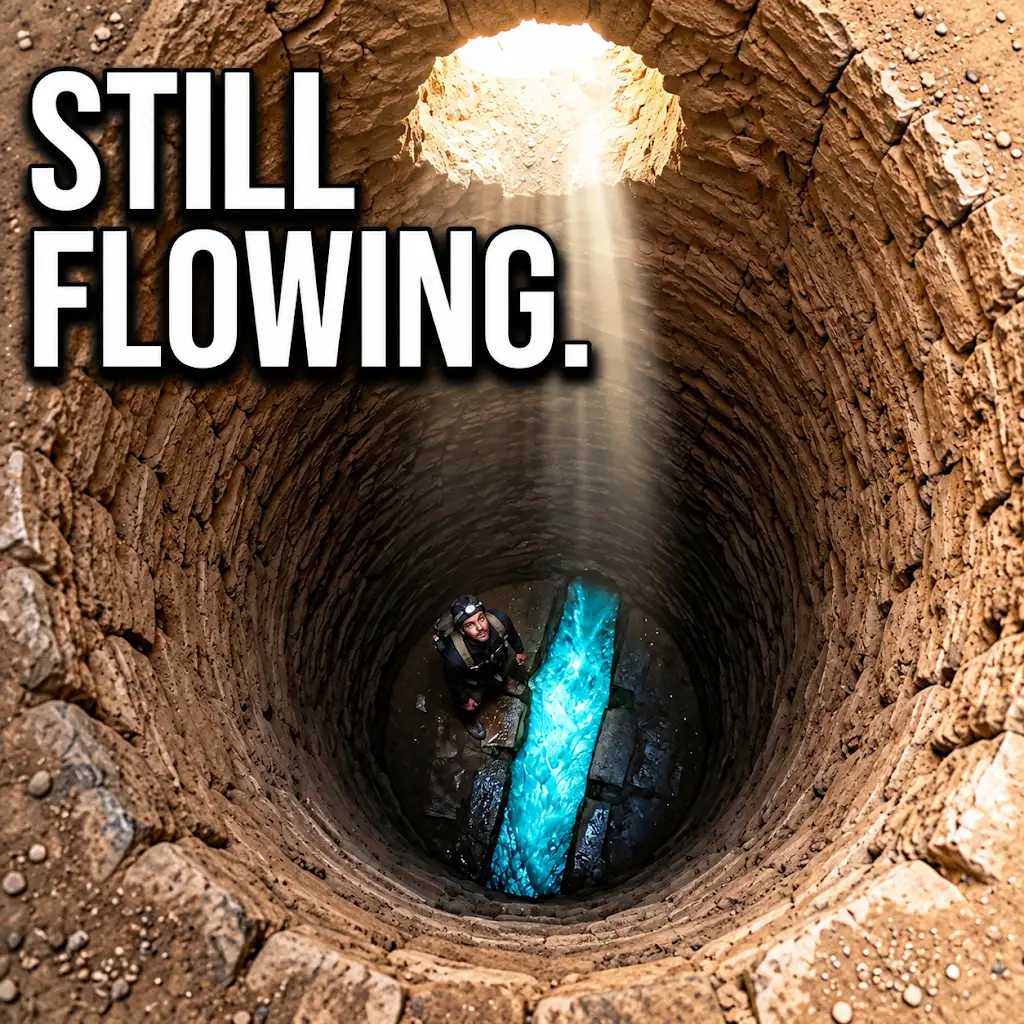
They Dug Water Tunnels Under the Desert… And They Still Flow
FAQs
What is Persian desert engineering?
Persian desert engineering refers to the innovative methods and techniques used by ancient Persians to manage water resources, construct qanats (underground aqueducts), and create sustainable agricultural systems in arid desert regions.
How did ancient Persians utilize qanats in desert engineering?
Ancient Persians used qanats, which are underground channels that tap into groundwater sources, to transport water over long distances in desert regions. This technology allowed for the efficient irrigation of crops and the sustenance of communities in arid environments.
What role did windcatchers play in Persian desert engineering?
Windcatchers, also known as badgirs, were architectural structures used in Persian desert engineering to capture and channel cool breezes into buildings. This natural ventilation system helped to cool indoor spaces during hot desert summers, providing a more comfortable living environment.
How did Persian engineers harness the power of water in desert regions?
Persian engineers developed sophisticated water management systems, such as the construction of dams, reservoirs, and aqueducts, to capture and store water for agricultural purposes in desert regions. These systems enabled the cultivation of crops and the support of thriving communities in arid environments.
What impact did Persian desert engineering have on sustainable agriculture in arid regions?
Persian desert engineering techniques revolutionized agriculture in arid regions by enabling the cultivation of crops through efficient water management systems. These innovations not only increased agricultural productivity but also promoted sustainable practices that helped communities thrive in challenging desert environments.