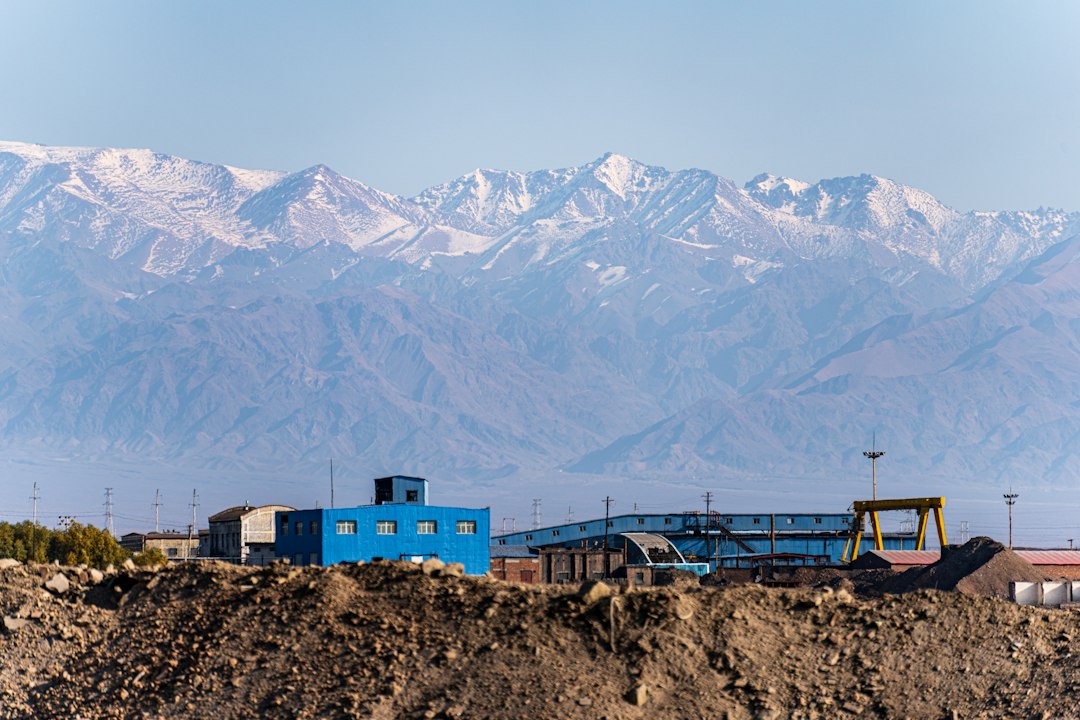
The arid and semi-arid landscapes of Iran, historically reliant on the bounty of its underground water resources, face an increasingly precarious future. For millennia, Persian civilization has perfected the art of groundwater management, developing sophisticated systems that allowed life to flourish in a challenging environment. However, the relentless pressures of a growing population, expanding agriculture, and a changing climate have pushed these traditional systems to their limits. In response, a new wave of innovation is sweeping through Persian groundwater engineering, seeking to redefine sustainable water use for generations to come. This article explores the critical advancements and evolving strategies that are shaping the future of groundwater management in Iran, moving beyond historical reliance towards a more resilient and sustainable paradigm.
Addressing the Scarcity Challenge: Modernizing Ancient Wisdom
Iran’s groundwater resources are its lifeline, but they are under immense stress. Decades of over-extraction have led to significant declines in water tables, land subsidence, and the salinization of once-fertile aquifers. The traditional qanat systems, marvels of ancient engineering that tapped into subterranean water sources, are experiencing reduced flows or drying up entirely. This crisis necessitates a multifaceted approach, integrating cutting-edge technology with the invaluable lessons learned from centuries of groundwater stewardship. The goal is not simply to extract more water, but to manage what remains with unprecedented efficiency and foresight, ensuring its availability for both human needs and ecological balance.
The Resurgence of Qanats with Technological Augmentation
The qanat, a gently sloping underground channel that taps into groundwater aquifers and carries water to the surface, represents a pinnacle of ancient Persian hydro-engineering. While many qanats have fallen into disuse or are severely degraded, there is a growing recognition of their potential as a sustainable and low-energy water supply system. Modern innovations are focusing on revitalizing and enhancing these historical structures. This includes employing advanced geological surveys and remote sensing technologies to identify viable qanat locations and assess aquifer health more accurately. Furthermore, modern construction techniques and materials are being used to repair and reinforce existing qanat channels, preventing leakage and increasing their water-carrying capacity. The integration of smart sensors within qanat systems allows for real-time monitoring of water flow, quality, and the structural integrity of the tunnels. This data provides crucial insights for optimizing water distribution, detecting potential problems early, and ensuring the long-term viability of these heritage systems. The objective is to leverage the timeless efficiency of qanats while infusing them with the precision and control offered by contemporary technology.
Aquifer Recharge: Replenishing the Underground Reservoir
Recognizing that depletion is a critical issue, significant efforts are being directed towards artificial groundwater recharge. This involves actively replenishing aquifers to counteract the effects of over-extraction and to build resilience against drought. Traditional recharge methods, such as the construction of small dams and infiltration basins, are being augmented with more sophisticated techniques. The use of computer modeling and Geographic Information Systems (GIS) plays a crucial role in identifying optimal locations for recharge structures, considering geological formations, soil permeability, and existing hydrological patterns. Advanced infiltration techniques, including the use of injection wells, are being employed to inject treated wastewater and rainwater directly into aquifers. This not only replenishes groundwater but also offers a sustainable solution for managing wastewater and stormwater. Furthermore, research is underway to understand the long-term impact of different recharge methods on aquifer chemistry and the potential for microbial contamination, ensuring that recharge efforts are both effective and environmentally sound. The ultimate aim is to create a dynamic balance between extraction and replenishment, ensuring that groundwater reserves are not merely depleted but actively sustained.
In the realm of Persian groundwater engineering, understanding the resilience of water resources is crucial, especially in regions facing climate change and over-extraction. A related article that explores the challenges and strategies for managing water resources in vulnerable areas is available at Resilience in Small Island Developing States. This article delves into the importance of sustainable practices and innovative engineering solutions that can be applied to enhance groundwater management in various contexts, including those found in Persian regions.
Precision Agriculture and Water-Saving Technologies
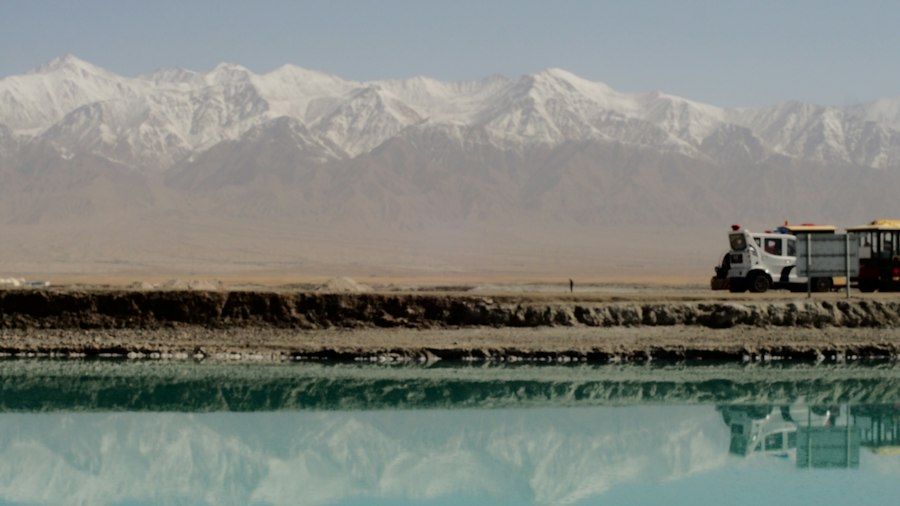
Agriculture is by far the largest consumer of water in Iran, and a significant portion of this is groundwater. Transforming agricultural practices to be more water-efficient is therefore paramount to achieving sustainable groundwater use. Innovations in this sector are focused on minimizing water application while maximizing crop yields, a delicate balancing act that is being addressed through a combination of technological advancements and improved agronomic practices. This shift is not just about reducing water usage; it’s about fundamentally rethinking how food is produced in a water-scarce environment.
Drip and Subsurface Irrigation Systems
The adoption of modern irrigation technologies is a cornerstone of water conservation in Iranian agriculture. Traditional flood irrigation methods are notoriously inefficient, with a large percentage of water lost through evaporation and deep percolation. Drip irrigation systems, which deliver water directly to the root zone of plants, have emerged as a highly effective solution. These systems significantly reduce water consumption, minimize weed growth, and can lead to improved crop health and yield. Beyond surface drip, subsurface drip irrigation (SDI) is gaining traction. SDI systems bury the emitters below the soil surface, further reducing evaporation losses and preventing potential damage to the emitters from machinery or livestock. The precision with which water can be delivered to individual plants in SDI systems allows for highly optimized water application, tailored to the specific needs of different crops and soil types. The implementation of these systems often involves sophisticated monitoring and control mechanisms, further enhancing their water-saving potential.
Smart Monitoring and Data-Driven Irrigation
The integration of smart technology into irrigation practices is revolutionizing water management in agriculture. This involves deploying a network of sensors across fields to collect real-time data on soil moisture, temperature, humidity, and weather conditions. This data is then analyzed using advanced algorithms and AI-powered platforms to determine the precise amount of water and the optimal timing for irrigation. This data-driven approach moves away from scheduled watering, which can lead to over or under-watering, towards an adaptive system that responds dynamically to the actual needs of the crops and the prevailing environmental conditions. For groundwater-dependent farms, this translates directly into significant savings, preventing the unnecessary depletion of aquifers. Mobile applications and remote monitoring systems allow farmers to access this critical information from anywhere, enabling them to make informed decisions and optimize their irrigation strategies even when not physically present in the fields. This level of precision empowers farmers to become stewards of their water resources, rather than simply consumers.
Integrated Water Resource Management (IWRM) and Policy Reforms
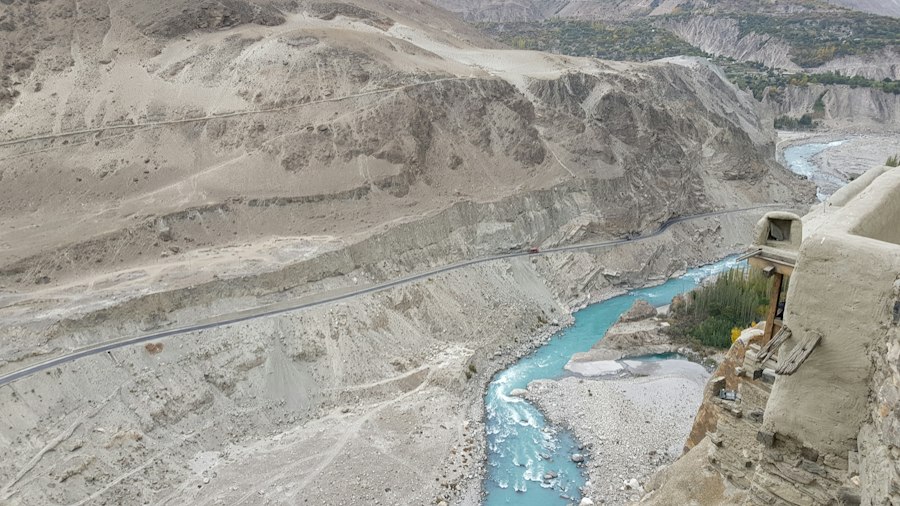
Effective groundwater management cannot occur in isolation. It requires a holistic approach that integrates surface water, groundwater, and wastewater management, supported by robust policies and strong institutional frameworks. The historical compartmentalization of water resources has proven inadequate in the face of growing scarcity and competing demands. Moving towards an integrated approach is essential for creating a resilient and equitable water future.
The Role of Advanced Modeling and Simulation Tools
The complexity of hydrological systems necessitates the use of sophisticated tools for understanding and predicting groundwater behavior. Advanced modeling and simulation software are now indispensable in Persian groundwater engineering. These tools allow researchers and policymakers to create virtual representations of aquifers, simulating various scenarios of extraction, recharge, and climate change impacts. By inputting data on geological formations, rainfall patterns, agricultural water demand, and population growth, models can forecast future water table levels, identify areas at risk of depletion or contamination, and assess the potential effectiveness of different management strategies. This predictive capability is crucial for informed decision-making, enabling authorities to implement proactive measures rather than reactive responses. Furthermore, these models can be used to optimize the conjunctive use of surface and groundwater, ensuring that available water resources are allocated efficiently and sustainably across different sectors.
Policy Frameworks for Sustainable Groundwater Use
Beyond technological solutions, effective policy and governance are fundamental to ensuring the long-term sustainability of groundwater resources. Iran has been undertaking significant reforms in its water policy landscape, aiming to create a more conducive environment for responsible groundwater management. This includes implementing stricter regulations on groundwater abstraction, often through licensing and metering systems, to curb over-extraction. Pricing mechanisms are being introduced to reflect the true value of water, encouraging more efficient use, particularly in the agricultural sector. Furthermore, there is a growing emphasis on stakeholder engagement, involving farmers, local communities, and water users in the decision-making processes. This collaborative approach fosters a sense of shared responsibility and promotes buy-in for conservation efforts. The development of national and regional groundwater management plans, informed by scientific data and modeling, is a critical step towards a coordinated and effective strategy for safeguarding these vital resources.
Addressing Contamination and Water Quality
The quality of groundwater is as crucial as its quantity. As water tables decline and extraction intensifies, the risk of groundwater contamination from various sources increases. Innovations in this area are focused on preventing pollution at its source, as well as developing effective remediation technologies to address existing contamination. Maintaining the pristine quality of groundwater is essential for human health, agricultural productivity, and the ecological integrity of the region.
Source Water Protection and Pollution Prevention
A proactive approach to safeguarding groundwater quality involves robust source water protection strategies. This includes identifying and mapping potential sources of contamination, such as industrial discharge points, agricultural runoff containing pesticides and fertilizers, and inadequately managed wastewater treatment facilities. Based on these assessments, stringent regulations and best management practices are implemented to minimize pollution at its origin. For agricultural areas, this involves promoting the judicious use of agrochemicals and encouraging practices like integrated pest management and precision application of fertilizers. Industrial facilities are subject to stricter wastewater treatment standards, and policies are in place to prevent the illegal dumping of hazardous waste. The development of early warning systems, utilizing environmental monitoring and risk assessment, plays a vital role in identifying and mitigating potential contamination events before they can impact groundwater aquifers.
Advanced Remediation Technologies
Where contamination has already occurred, advanced remediation technologies are being employed to clean up affected groundwater sources. These technologies range from physical and chemical methods to biological approaches. For instance, pump-and-treat systems, where contaminated groundwater is extracted, treated, and then reinjected or discharged, are widely used. However, more innovative solutions are emerging. In-situ remediation techniques, which treat the contamination within the aquifer itself, are gaining traction as they are often more cost-effective and less disruptive. This can include bioremediation, where naturally occurring or introduced microorganisms are used to break down pollutants, or chemical oxidation processes that neutralize contaminants. Advanced filtration methods, such as activated carbon filtration and ion exchange, are also employed to remove specific contaminants. Research is ongoing to develop and refine these technologies, making them more efficient, sustainable, and applicable to the diverse range of contaminants found in Persian groundwater. The goal is to restore contaminated aquifers to a usable state, thereby expanding the available water resources.
In the field of Persian groundwater engineering, innovative techniques are essential for sustainable water management, especially in arid regions. A related article discusses the importance of securing satellite technology to enhance resource monitoring and management. By utilizing advanced satellite systems, engineers can better assess groundwater levels and quality, ensuring efficient use of this vital resource. For more insights on the intersection of technology and resource management, you can read the article on securing satellites and their role in defending deep space assets.
Towards a Resilient Water Future: The Role of Research and Education
| Metric | Value | Unit | Description |
|---|---|---|---|
| Average Depth of Qanats | 20-70 | meters | Typical depth range of traditional Persian qanats for groundwater extraction |
| Number of Qanats in Iran | 30,000+ | count | Estimated number of qanats historically used for irrigation and water supply |
| Annual Groundwater Recharge Rate | 50-150 | mm/year | Average recharge rate in arid and semi-arid regions of Iran |
| Groundwater Extraction Volume | 20-30 | billion cubic meters/year | Estimated volume of groundwater extracted annually in Iran |
| Qanat Length | 1-15 | kilometers | Typical length range of qanat tunnels |
| Water Table Decline Rate | 0.5-2 | meters/year | Observed decline in groundwater levels due to over-extraction |
| Traditional Water Management System | Qanat | n/a | Ancient Persian underground aqueduct system for sustainable groundwater use |
The innovations discussed above are not static. They are the result of ongoing research, development, and a commitment to continuous learning. A strong foundation of scientific inquiry and widespread public awareness is essential for the long-term success of sustainable groundwater management in Iran. This involves fostering a culture of innovation and ensuring that the knowledge gained is effectively disseminated and applied.
Fostering Interdisciplinary Research and Development
The challenges facing Persian groundwater resources are complex and interconnected, requiring a multidisciplinary approach to research and development. Collaboration between hydrologists, geologists, environmental engineers, agricultural scientists, economists, and social scientists is crucial. This interdisciplinary approach allows for a more comprehensive understanding of the hydrological system, the socio-economic drivers of water use, and the ecological implications of different management strategies. Research institutions in Iran are actively pursuing innovative solutions, from developing new sensor technologies for groundwater monitoring to exploring novel methods for aquifer recharge and contamination remediation. Investment in research infrastructure and funding for cutting-edge projects are vital to driving these advancements. Furthermore, fostering international collaborations can bring in global expertise and facilitate the transfer of best practices.
Building Capacity Through Education and Outreach
For any technological or policy innovation to be successful, it must be understood and embraced by the people who will implement and benefit from it. Education and outreach programs play a critical role in building capacity at all levels, from farmers and water managers to policymakers and the general public. This includes developing training programs for agricultural extension workers on water-efficient irrigation techniques, educating groundwater engineers on the latest modeling and remediation technologies, and raising public awareness about the importance of water conservation and the challenges of groundwater depletion. Universities and research centers are increasingly incorporating water resource management into their curricula, producing a new generation of skilled professionals. Community-based initiatives, where local populations are involved in the planning and implementation of water management projects, are proving highly effective in fostering a sense of ownership and ensuring the long-term sustainability of these efforts. By empowering individuals with knowledge and skills, Iran is building a more resilient water future.
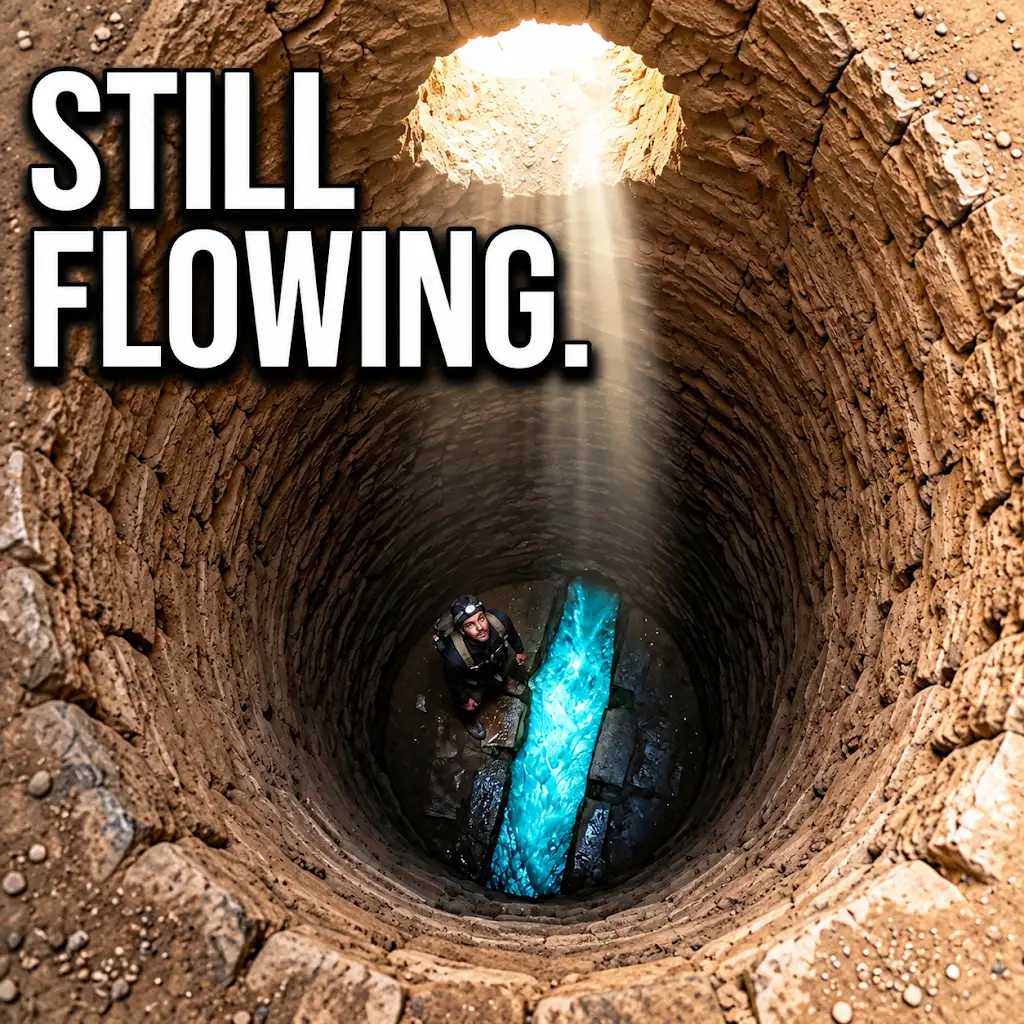
They Dug Water Tunnels Under the Desert… And They Still Flow
FAQs
What is Persian groundwater engineering?
Persian groundwater engineering refers to the methods and techniques used in ancient Persia to manage and utilize groundwater resources for various purposes such as irrigation, drinking water supply, and construction.
What are some historical examples of Persian groundwater engineering?
Historical examples of Persian groundwater engineering include the construction of qanats, underground channels that tap into aquifers to transport water over long distances, as well as the development of underground water storage systems such as ab anbars.
How did Persian engineers ensure the sustainability of groundwater resources?
Persian engineers implemented various sustainable practices such as proper maintenance of qanats, careful monitoring of water levels, and community-based water management systems to ensure the long-term sustainability of groundwater resources.
What impact did Persian groundwater engineering have on agriculture in the region?
Persian groundwater engineering played a crucial role in the development of agriculture in the region by providing a reliable water supply for irrigation, allowing for the cultivation of crops in arid and semi-arid areas, and supporting the growth of thriving agricultural communities.
How has the legacy of Persian groundwater engineering influenced modern water management practices?
The legacy of Persian groundwater engineering has influenced modern water management practices by highlighting the importance of sustainable groundwater utilization, community involvement in water resource management, and the use of innovative engineering solutions to address water scarcity challenges.