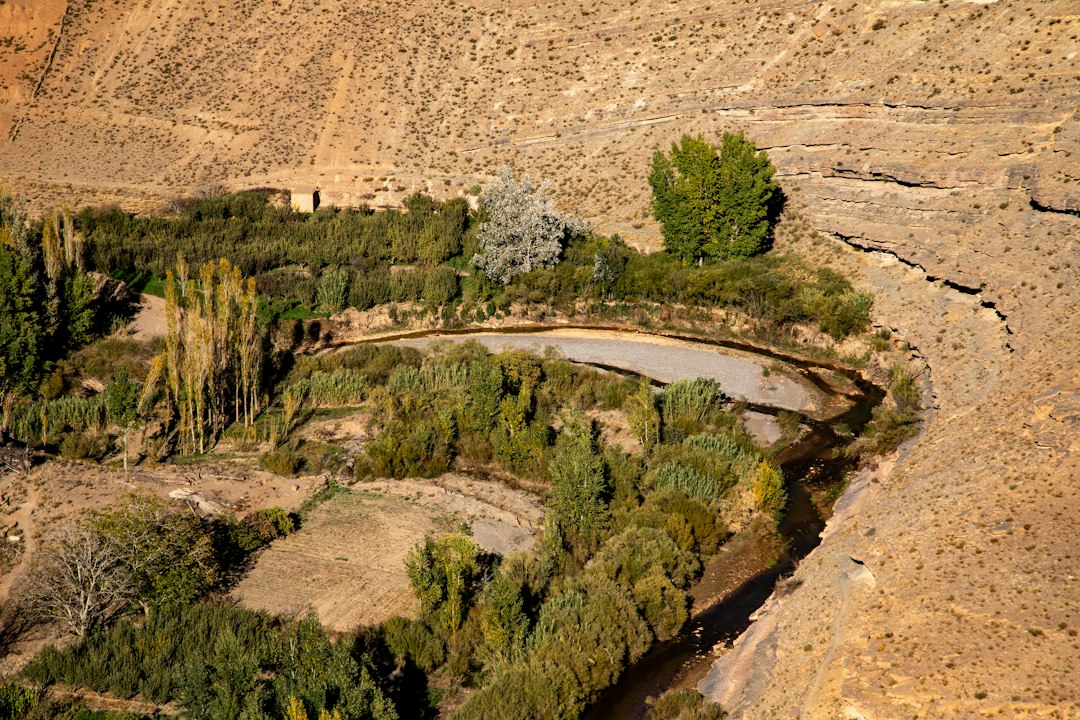
The arid landscapes of Persia, stretching across vast plateaus and bordered by formidable mountain ranges, have long presented a formidable challenge to human settlement and agriculture. Yet, for millennia, Persian civilization not only endured but flourished, a testament to their profound understanding and innovative application of hydraulic engineering. Long before the advent of modern technology, ancient Persians developed sophisticated systems for harnessing, managing, and distributing water, a critical resource in a region prone to drought and scarcity. These ingenuity’s laid the foundation for agricultural sustainability, urban development, and even shaped the very cultural and spiritual fabric of the societies they served. The legacy of these ancient water management techniques is not merely historical curiosity; it offers valuable lessons and inspiration for contemporary water challenges.
The Genius of Qanats: Subterranean Aqueducts
The qanat system stands as the most iconic and arguably the most revolutionary innovation in Persian hydraulic engineering. These remarkable subterranean aqueducts, known by various names across the Middle East and North Africa, were a complex and ingenious solution to the problem of water scarcity in arid and semi-arid regions. The underlying principle was simple yet profoundly effective: tap into underground water sources, typically located in foothills or mountains, and channel them through gently sloping tunnels to where they were needed – settlements and agricultural lands in lower elevations. The construction and maintenance of qanats were a monumental undertaking, requiring immense skill, labor, and a deep understanding of geology and hydrology.
Location and Design Principles
The selection of a suitable location for a qanat’s head was paramount. Engineers would meticulously scout areas where groundwater tables were accessible, often identifying natural springs or areas with higher rainfall infiltration. The gradient of the qanat was a critical design element. A slope too steep would lead to rapid water flow, causing erosion and potential collapse of the tunnel. Conversely, a slope too shallow would result in stagnant water or insufficient flow. The average gradient of a qanat typically ranged from one to three percent, a delicate balance achieved through careful surveying and engineering. The tunnels themselves were excavated using rudimentary tools, often by hand, and lined with stone, brick, or a mixture of clay and straw to prevent collapse and water seepage. The vertical shafts, known as “wells,” served multiple purposes. They allowed for ventilation during excavation, provided access for maintenance and repairs, and acted as inspection points to monitor water flow and tunnel integrity. The spacing of these shafts was determined by the depth of the tunnel, ensuring that workers could safely descend and ascend.
Construction and Maintenance Processes
The construction of a qanat was a communal and long-term endeavor. Often, the initial excavation began in the foothills where the water source was located, gradually progressing downhill towards the intended destination. The extracted earth from the tunnel was brought to the surface through the vertical shafts, forming distinctive mounds that can still be seen in the landscape today. The scale of these projects was often staggering, with some qanats stretching for several kilometers, delving deep beneath the surface. Maintenance was an ongoing process, essential for the longevity and functionality of the system. Regular cleaning was required to remove sediment and debris that accumulated over time, and repairs were needed to address any structural damage caused by ground shifts or water erosion. This maintenance often involved specialized guilds of qanat diggers and repairmen, passing down their knowledge and skills through generations. The economic and social organization surrounding qanat maintenance was complex, involving shared ownership, labor contributions, and water allocation agreements.
Societal and Economic Impact
The impact of qanats on Persian society and economy was transformative. They enabled the development of agriculture in previously uncultivable arid lands, transforming deserts into fertile oases. This agricultural surplus supported larger populations, the growth of cities, and the development of trade routes. Qanat-fed agriculture allowed for the cultivation of a diverse range of crops, contributing to food security and economic prosperity. Furthermore, the construction and maintenance of qanats fostered a strong sense of community and cooperation. The shared responsibility for these vital water systems often led to complex social structures and governance mechanisms. The existence of a reliable water supply also contributed to the development of early urban centers, providing water for drinking, sanitation, and irrigation within settlements. The qanat system, therefore, was not merely an engineering marvel but a fundamental pillar of Persian civilization, underpinning its economic, social, and demographic development.
Persian hydraulic engineering is a fascinating topic that highlights the advanced techniques used by ancient civilizations to manage water resources. For those interested in understanding the broader historical context of technological advancements, a related article discusses the decline of literacy after the Dark Ages and its various factors and consequences. You can read more about this intriguing subject by following this link: The Decline of Literacy After the Dark Ages: Factors and Consequences.
Water Collection and Storage: Reservoirs and Cisterns
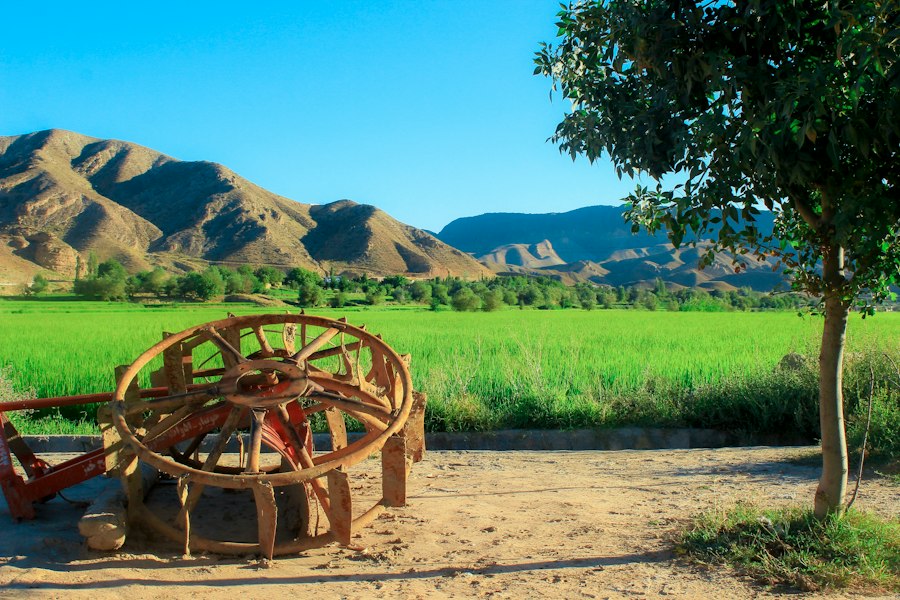
Beyond the innovative channeling of water, ancient Persians also excelled in the efficient collection and storage of this precious resource. Recognizing the cyclical nature of rainfall and the unpredictable fluctuations in water availability, they developed sophisticated methods for capturing and retaining water for use during drier periods. These techniques, ranging from large-scale reservoirs to smaller, more localized cisterns, demonstrate a deep understanding of hydrodynamics and the importance of water conservation.
Dams and Reservoirs of Antiquity
Persian civilization saw the construction of numerous impressive dams and reservoirs throughout history. These structures served not only to store water for irrigation but also played a crucial role in flood control and mitigating the destructive power of seasonal rivers. One of the most renowned examples is the Band-e Amir, located near the city of Shiraz. This massive stone and mortar dam, built in the early 13th century, was a marvel of its time, capable of storing vast quantities of water. Other ancient dams, while perhaps not as monumental, were equally effective in their respective regions, demonstrating a diverse range of construction techniques and materials. The design of these dams often took into account the prevailing geological conditions and the potential for seismic activity, showcasing an advanced understanding of structural integrity.
Underground Cisterns (Ab-Anbars)
While large-scale reservoirs were vital for agricultural and urban water supply, a more ubiquitous and equally important innovation was the development of underground cisterns, known as “ab-anbars.” These structures were essential for providing potable water to households and public spaces, particularly in urban environments where surface water sources were scarce or prone to contamination. Ab-anbars were typically constructed by digging deep pits and lining them with waterproof materials, such as a specialized mortar called “sarooj.” This material, a mixture of clay, sand, and lime, was exceptionally durable and resistant to water penetration. The roofs of ab-anbars were often domed, providing structural stability and minimizing evaporation. Windcatchers, known as “badgirs,” were frequently incorporated into the design, drawing cool air down into the cisterns, thus maintaining a remarkably low and stable temperature for the stored water, making it refreshing even in the hottest climates. The presence of numerous ab-anbars within a city indicated its wealth and sophistication, as their construction and maintenance required significant resources.
Diversion Structures and Channels
To effectively direct water from rivers, springs, and qanats to their intended destinations, ancient Persians employed a variety of diversion structures and intricate canal networks. These included small dams, weirs, and strategically placed sluice gates that allowed for the precise control of water flow. The design of these channels was often dictated by the topography, with careful consideration given to gradient and flow rate to prevent erosion and water loss. In urban areas, elaborate networks of covered channels and aqueducts were constructed to deliver water to public fountains, bathhouses, and individual homes. The efficient management of these distribution systems was crucial, often involving community-based water management committees that regulated usage and resolved disputes, ensuring equitable access to this vital resource.
Watermills and Waterwheels: Harnessing Power
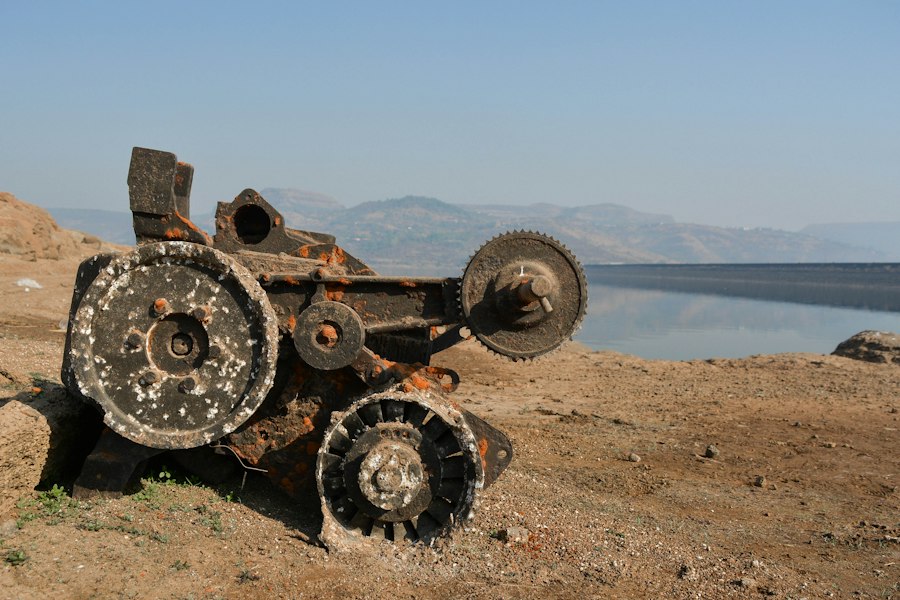
The understanding of water as not only a resource for sustenance but also as a source of power was another significant advancement in Persian hydraulic engineering. Ancient Persians ingeniously harnessed the kinetic energy of flowing water to drive machinery, significantly improving productivity in various sectors, particularly agriculture and milling. These water-powered devices represent an early form of sustainable energy generation, predating many later developments in Europe.
Horizontal Watermills
One of the earliest and most widespread applications of water power in Persia was the horizontal watermill. These mills typically consisted of a water wheel positioned horizontally and directly connected to a millstone above it. Water, often diverted from a river or stream through a channel, would flow onto the paddles of the wheel, causing it to rotate. This rotation directly turned the upper millstone, grinding grain into flour. The simplicity of this design made it highly efficient and relatively easy to construct and maintain. Horizontal watermills were particularly prevalent in mountainous regions where fast-flowing streams were abundant. Their widespread use significantly increased the efficiency of grain processing, transforming the labor-intensive task of grinding into a much more manageable operation.
Vertical Waterwheels and Their Applications
While horizontal mills were common, Persian engineers also developed and utilized vertical waterwheels, which offered greater power and versatility. Vertical waterwheels could be oriented in various ways, such as undershot, overshot, or breastshot, depending on the characteristics of the water source. Undershot wheels, driven by the direct impact of water from below, were common in areas with less powerful currents. Overshot wheels, utilizing the weight of water filling buckets at the top of the wheel, were more efficient and found in areas with sufficient water pressure. Vertical waterwheels were employed for a wider range of applications beyond grain milling. They were used to power bellows in forges, lift water for irrigation, operate saws in woodworking shops, and even to drive machinery in early industrial settings. The adaptability of the vertical waterwheel made it a crucial component of the developing Persian economy, contributing to advancements in metallurgy, construction, and other crafts.
Advanced Gear Mechanisms and Power Transmission
The sophistication of Persian hydraulic engineering is further evident in their understanding and application of gear mechanisms for power transmission. While not as extensively documented as in some later European contexts, evidence suggests that Persian millwrights understood and utilized rudimentary gear systems to transfer rotational motion from the waterwheel to the grinding stones or other machinery. These gears, likely made of wood, would have been crucial for increasing torque or altering the speed of rotation to optimize the performance of the driven machinery. The ability to efficiently transmit and modify power allowed for more complex mechanical operations and contributed to the overall efficiency and effectiveness of water-powered systems. The development of these early mechanical components laid the groundwork for more complex machines and demonstrated a forward-thinking approach to harnessing and manipulating natural forces.
Sanitation and Urban Water Supply
The provision of clean and accessible water was not limited to agricultural needs; ancient Persian cities were remarkably well-equipped with sophisticated systems for urban water supply and sanitation. These innovations were crucial for public health, hygiene, and the overall livability of densely populated urban centers, showcasing a foresight that was exceptional for their time.
Public Fountains and Bathhouses
The presence of public fountains (sometimes fed by qanats or aqueducts) was a common feature in ancient Persian cities, providing readily available drinking water for residents. These fountains were not merely functional but often served as social gathering points, fostering community interaction. Equally important were the public bathhouses, known as “hammams.” These establishments were more than just places for bathing; they were integral to the social and cultural life of Persian society. The construction of hammams required a sophisticated understanding of water flow and heating systems. Water was heated and channeled through complex pipe networks to supply bathing pools and washing areas. The design often included separate chambers for different temperatures and activities, demonstrating a high level of planning and engineering. The availability of clean water for bathing was a significant contributor to public health and hygiene in these ancient cities.
Sewerage Systems and Waste Management
While the Romans are often credited with pioneering extensive sewerage systems, ancient Persians also developed effective methods for managing urban waste and wastewater. Evidence suggests the existence of rudimentary drainage channels and underground pipes designed to carry wastewater away from residential areas. These systems, while perhaps not as elaborate as some later Roman counterparts, were crucial for preventing the spread of disease and maintaining a healthier urban environment. The careful planning of these drainage systems, often integrated with the water supply infrastructure, highlights a comprehensive approach to urban planning and public health. The use of materials like fired clay pipes and covered channels indicates a deliberate effort to create durable and functional sanitation infrastructure.
Water Quality Control and Filtration
The importance of clean drinking water was not overlooked by ancient Persians. While direct filtration technologies as we know them today were not available, they employed several methods to improve water quality. The construction of reservoirs and cisterns, often with carefully designed inlets and outlets, allowed for some sedimentation of impurities. Furthermore, the use of sarooj for lining water storage structures provided a relatively impermeable barrier, reducing contamination from groundwater. In some instances, natural filtration through layers of sand and gravel may have been utilized in conjunction with water collection systems. The emphasis on maintaining a constant cool temperature in ab-anbars also played a role in inhibiting bacterial growth, thus preserving water quality. These measures, combined with careful selection of water sources, demonstrate a pragmatic approach to ensuring the safety and potability of water.
Persian hydraulic engineering has a rich history that showcases the ingenuity of ancient civilizations in managing water resources. A fascinating article that explores the broader implications of government authority in managing resources during crises can be found here: government authority in declared disasters. This connection highlights the importance of effective water management systems, which were crucial for sustaining agriculture and urban life in ancient Persia, much like modern governments must navigate resource allocation during emergencies.
Legacy and Modern Relevance
| Metric | Description | Example/Value | Historical Period |
|---|---|---|---|
| Qanat Length | Average length of qanat tunnels used for water transport | Up to 70 km | Achaemenid to Islamic periods (c. 500 BCE – 1500 CE) |
| Water Flow Rate | Typical flow rate of qanat water channels | 0.5 to 3 liters per second | Ancient to Medieval Persia |
| Number of Qanats | Estimated qanats constructed in Persia historically | Over 30,000 | Various periods, peak in medieval times |
| Reservoir Capacity | Capacity of Persian water reservoirs (Ab Anbars) | Up to 10,000 cubic meters | Safavid period (16th-18th century) |
| Water Wheel Diameter | Diameter of Persian water wheels (Norias) used for irrigation | Up to 20 meters | Medieval Persia |
| Canal Gradient | Typical slope gradient for qanat tunnels to maintain flow | 1:1000 to 1:1500 | Ancient Persia |
The innovations in Persian hydraulic engineering represent a profound testament to human ingenuity in the face of environmental challenges. The techniques developed and refined over millennia have left an indelible mark on the landscape and continue to inspire. Their legacy extends far beyond the physical structures they created, offering valuable lessons for contemporary water management.
Enduring Structures and Living Traditions
Many of the physical manifestations of Persian hydraulic engineering, such as qanats, dams, and ab-anbars, still stand today, a testament to their durability and the skill of their creators. Some qanats remain operational, providing water to communities, albeit often with modern augmentations. The architectural styles of water-related structures, like the intricate designs of windcatchers and the aesthetic integration of water into garden landscapes, continue to influence contemporary architectural and urban planning. Furthermore, the cultural and spiritual significance attributed to water in Persian traditions, deeply rooted in the necessity of its careful management, persists. The very concept of water as a sacred element is a direct consequence of the profound respect and ingenuity dedicated to its preservation and distribution.
Lessons for Contemporary Water Scarcity
In an era of increasing water scarcity, climate change, and growing global populations, the ancient Persian approaches to water management offer a wealth of practical and philosophical insights. The qanat system, with its low-energy, gravity-fed distribution, serves as a model for sustainable water infrastructure, minimizing reliance on energy-intensive pumping. The emphasis on community involvement in water resource management, as seen in the governance of qanats and canal systems, highlights the importance of social equity and collective responsibility in ensuring fair access to water. The ingenious methods for water conservation, storage, and temperature regulation in ab-anbars provide valuable lessons for developing resilient water systems in arid and semi-arid regions. Moreover, the understanding of water as a finite and precious resource, deeply ingrained in Persian culture, serves as a crucial reminder of the need for mindful consumption and environmental stewardship.
Inspiration for Future Innovation
The historical achievements of Persian hydraulic engineers should not be viewed solely as relics of the past but as a source of inspiration for future innovation. By studying and understanding these ancient techniques, modern engineers and urban planners can adapt and integrate their principles into contemporary solutions. The successful integration of passive cooling technologies, like windcatchers, into sustainable building design is one example. The exploration of decentralized water systems inspired by the qanat model, and the renewed appreciation for traditional water-harvesting techniques, are further evidence of this ongoing influence. Ultimately, the legacy of Persian hydraulic engineering lies not just in the water they channeled, but in the enduring testament to human capacity to innovate, adapt, and thrive by working in harmony with nature.
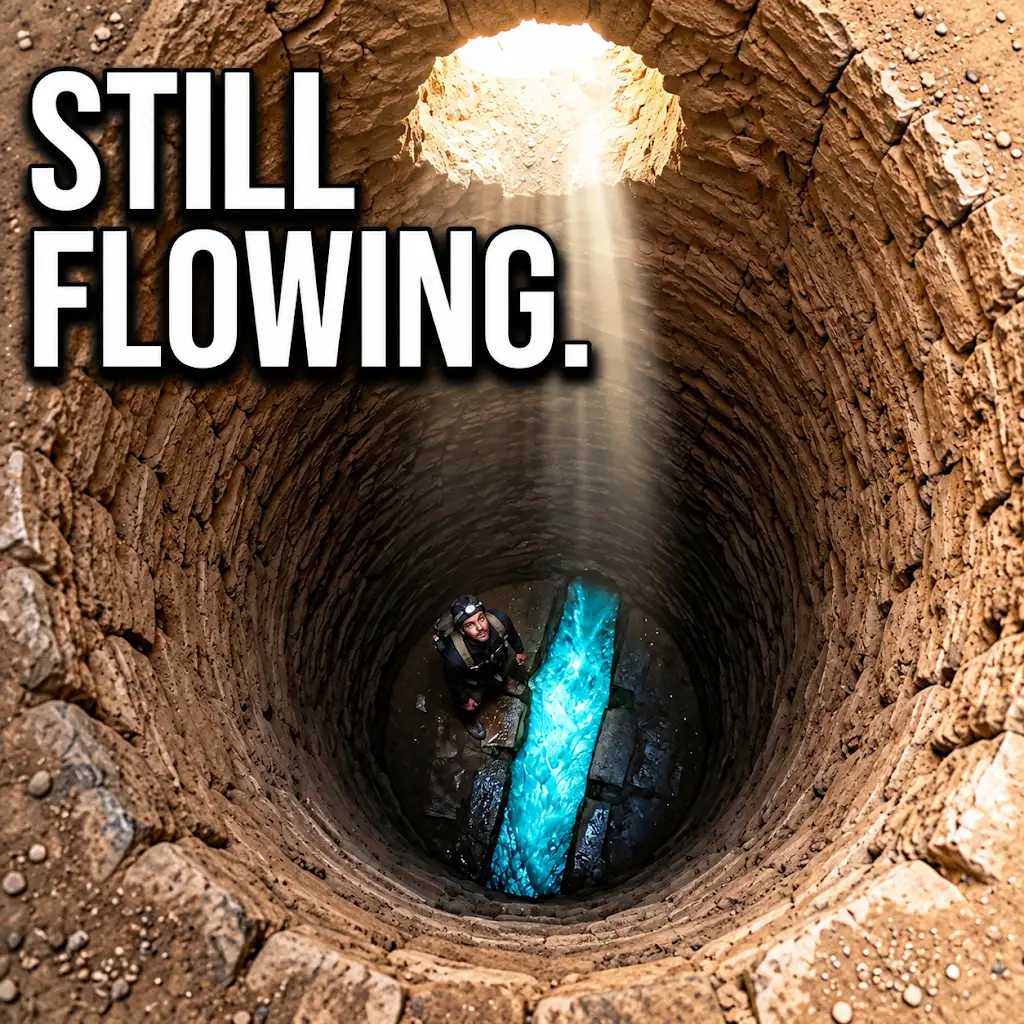
They Dug Water Tunnels Under the Desert… And They Still Flow
FAQs
What is Persian hydraulic engineering?
Persian hydraulic engineering refers to the ancient water management and irrigation systems developed by the Persian Empire, particularly during the Achaemenid, Parthian, and Sassanian periods.
What were some key features of Persian hydraulic engineering?
Some key features of Persian hydraulic engineering included qanats (underground channels for water transport), dams, reservoirs, canals, and water wheels for irrigation and water supply.
How did Persian hydraulic engineering impact agriculture and society?
Persian hydraulic engineering significantly improved agricultural productivity by providing a reliable water supply for irrigation, leading to economic prosperity and population growth in the region. It also facilitated urban development and trade.
What are some famous examples of Persian hydraulic engineering projects?
Some famous examples of Persian hydraulic engineering projects include the Band-e Kaisar (Caesar’s dam) in Iran, the Shushtar Historical Hydraulic System (a UNESCO World Heritage Site), and the qanat system in Yazd.
How does Persian hydraulic engineering influence modern water management practices?
The innovative water management techniques developed by the Persians continue to influence modern water engineering practices, particularly in arid regions, where sustainable water management is crucial for agriculture and human settlement.