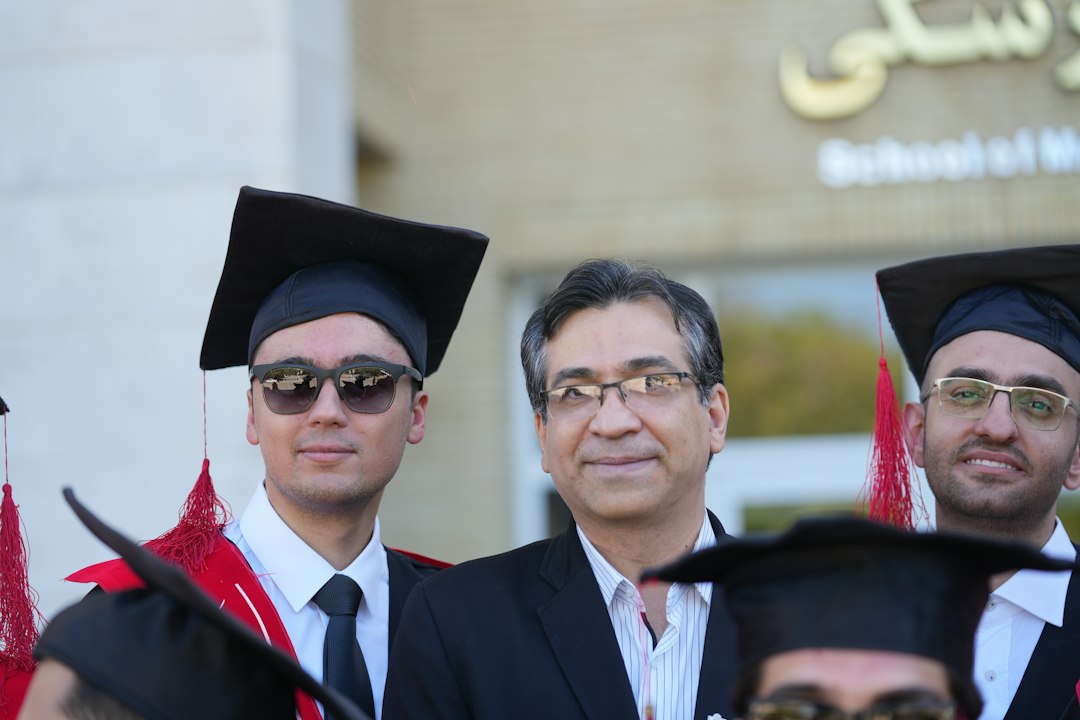
The Faculty of Qanat, a cornerstone of academic and research endeavors in water resource management, has consistently been at the forefront of innovative approaches to address one of humanity’s most critical challenges: water scarcity. Nestled within a region historically reliant on ingenious subterranean water channels, the faculty draws inspiration from its namesake, the ancient qanat system, while pushing the boundaries of modern science and technology. This article delves into the multifaceted innovations emanating from the Faculty of Qanat, exploring their impact on sustainable water management practices, both regionally and globally. From cutting-edge research in water conservation to the development of smart infrastructure and community-centric solutions, the faculty’s commitment to a water-secure future is palpable.
Advancing Water Conservation Through Technological Integration
The Faculty of Qanat recognizes that effective water management hinges on maximizing the efficiency of existing water resources. This understanding has propelled a significant push towards integrating advanced technologies into water conservation strategies. Researchers and students alike are actively engaged in developing and deploying solutions that minimize water loss, optimize usage, and promote responsible consumption across various sectors. This commitment extends beyond mere theoretical exploration, with a strong emphasis on practical, implementable technologies that can be scaled and adapted to diverse environmental and socio-economic contexts. The faculty’s interdisciplinary approach ensures that technological advancements are coupled with an understanding of the human and environmental factors influencing water use.
Smart Irrigation Systems and Precision Agriculture
A key area of innovation lies in revolutionizing agricultural water use, the sector typically responsible for the largest proportion of global water consumption. The Faculty of Qanat has been a hub for developing and testing smart irrigation systems that move beyond traditional, often wasteful, methods. These systems leverage a combination of real-time data from sensors, weather forecasting, and soil moisture monitoring to deliver water precisely when and where it is needed. Researchers have explored the efficacy of various sensor technologies, including capacitance, time-domain reflectometry (TDR), and infrared sensors, to accurately gauge soil moisture levels at different depths. Coupled with advanced algorithms, these systems can determine optimal irrigation schedules, reducing both water and energy consumption. Furthermore, the faculty is pioneering the integration of drone technology and satellite imagery for large-scale crop health monitoring and irrigation mapping. This allows for the identification of water-stressed areas within fields, enabling targeted irrigation interventions rather than blanket watering. The adoption of precision agriculture techniques, informed by these innovations, not only conserves water but also enhances crop yields and reduces fertilizer runoff, contributing to improved environmental quality. The faculty’s work in this domain is crucial for ensuring food security in water-scarce regions, demonstrating how technology can be a powerful ally in sustainable development.
Leak Detection and Water Loss Reduction in Distribution Networks
Beyond agricultural applications, the Faculty of Qanat is also making significant strides in minimizing water losses within urban and rural water distribution networks. Leaks in aging infrastructure represent a substantial waste of treated water, and the faculty’s research is focused on developing and implementing advanced leak detection technologies. This includes the exploration of acoustic sensors, which can detect the faint sounds of water escaping from pipes, even at low flow rates. Sophisticated algorithms are employed to analyze these acoustic signals, distinguishing leak noises from other ambient sounds. Additionally, researchers are investigating the use of smart meters equipped with pressure sensors and flow meters to identify anomalies in water flow that could indicate leaks. The faculty is also exploring the potential of Internet of Things (IoT) devices to create real-time monitoring systems for entire distribution networks. These interconnected sensors can transmit data on pressure, flow, and even water quality to a central control center, allowing for rapid identification and localization of leaks. The proactive approach to leak detection, facilitated by these innovations, translates directly into conserved water resources, reduced operational costs for water utilities, and improved water security for communities. The faculty’s commitment to this area underscores its holistic approach to water management, recognizing that conserving water upstream is as vital as efficient distribution downstream.
The Faculty of Qanat Taft is dedicated to advancing legal education and research, particularly in emerging fields such as space law. A related article that explores the complexities of property rights in extraterrestrial environments is titled “Legal Framework for Lunar Mining Property Rights.” This article delves into the legal challenges and frameworks that govern the extraction of resources on the Moon, making it a pertinent read for those interested in the intersection of law and space exploration. For more insights, you can access the article here: Legal Framework for Lunar Mining Property Rights.
Harnessing Data and Artificial Intelligence for Smarter Water Management

The digital revolution has opened new frontiers in water management, and the Faculty of Qanat is actively embracing the potential of data analytics and artificial intelligence (AI) to create more intelligent and responsive water systems. By collecting, processing, and analyzing vast amounts of data, the faculty is developing predictive models, optimizing resource allocation, and enhancing decision-making processes for water managers. This data-driven approach allows for a more proactive and efficient management of water resources, moving away from reactive strategies. The integration of AI is not merely about automation; it’s about enabling systems to learn, adapt, and make more informed choices in complex and dynamic water environments.
Predictive Modeling for Water Availability and Demand
A cornerstone of the faculty’s AI-driven innovations is the development of sophisticated predictive models for water availability and demand. Researchers are employing machine learning algorithms to analyze historical weather patterns, climate data, hydrological records, and socio-economic indicators to forecast future water availability in reservoirs, rivers, and groundwater sources. These models are crucial for long-term water resource planning, allowing authorities to anticipate potential shortages and implement proactive mitigation strategies. Simultaneously, AI is being used to predict water demand across different sectors, including urban, industrial, and agricultural. By analyzing factors such as population growth, economic activity, and seasonal variations, these models can provide accurate forecasts of future water consumption. This enables water utilities to optimize the operation of their infrastructure, ensuring that supply is matched with demand, thereby minimizing wastage and preventing service disruptions. The faculty’s work in this area is vital for building resilience in water systems facing the uncertainties of climate change and increasing demand.
AI-Powered Optimization of Water Treatment and Distribution
The application of AI extends to optimizing the complex processes involved in water treatment and distribution. The Faculty of Qanat is exploring AI algorithms to enhance the efficiency of water treatment plants. This includes optimizing chemical dosing, filter backwashing cycles, and energy consumption based on real-time water quality data and predicted influent characteristics. By employing AI, treatment plants can achieve higher water quality while reducing operational costs and environmental impact. In the distribution network, AI is being used to optimize pumping schedules and manage pressure levels to minimize energy consumption and water losses. This can involve dynamic adjustment of pump speeds and valve operations based on real-time demand and network conditions. Furthermore, AI-powered anomaly detection systems are being developed to identify and diagnose issues within the distribution network, such as equipment malfunctions or sudden changes in water quality, allowing for swift and targeted interventions. The faculty’s research in this domain promises to create more resilient, efficient, and cost-effective water infrastructure for the future.
Community Engagement and Participatory Water Management

Recognizing that sustainable water management is intrinsically linked to the active involvement of communities, the Faculty of Qanat places a strong emphasis on fostering collaboration and empowering local stakeholders. Innovations in this realm focus on building bridges between scientific research, technological solutions, and the practical needs and knowledge of the people who depend on water resources. This approach acknowledges that top-down solutions often falter without local buy-in and understanding, and that communities themselves possess invaluable insights and traditional knowledge that can complement scientific advancements.
Citizen Science Initiatives for Water Monitoring
The faculty is actively promoting citizen science initiatives, engaging local populations in the crucial task of water monitoring. By equipping community members with simple, user-friendly tools and training, they are empowered to collect data on various water quality parameters, stream flow, and local water use patterns. This not only expands the reach of water monitoring efforts, particularly in remote or underserved areas, but also fosters a sense of ownership and responsibility towards water resources. The data collected through these citizen science projects can be integrated with more formal monitoring systems, providing a richer and more comprehensive understanding of local hydrological conditions. Furthermore, these initiatives serve as powerful educational tools, raising awareness about water issues and promoting behavioral change towards water conservation within the community. The faculty’s dedication to citizen science underscores its belief in the collective power of individuals to contribute to scientific understanding and sustainable practices.
Co-designing Water Management Solutions with Local Communities
A hallmark of the Faculty of Qanat’s approach is its commitment to co-designing water management solutions hand-in-hand with local communities. This goes beyond simply informing communities about pre-determined solutions; it involves actively engaging them in the problem-definition and solution-generation phases. Through participatory workshops, focus groups, and community consultations, researchers work to understand the specific water challenges faced by different communities, their cultural practices related to water, and their aspirations for water resource management. This collaborative process ensures that the solutions developed are not only technically sound but also socially acceptable, culturally appropriate, and economically viable for the local context. For example, when developing new irrigation techniques, the faculty works with farmers to understand their existing practices, constraints, and preferences, ensuring that the proposed innovations are practical and beneficial to their livelihoods. This co-design philosophy is essential for fostering long-term sustainability and ensuring that water management initiatives are embraced and maintained by the communities they are intended to serve. It represents a paradigm shift from technology-centric solutions to human-centric, collaborative approaches.
Developing Resilient Water Infrastructure for a Changing Climate
The Faculty of Qanat is keenly aware of the profound impact that climate change is having on water resources, leading to increased variability in precipitation, more frequent extreme weather events, and rising sea levels. Consequently, a significant portion of its research and development efforts is dedicated to creating and enhancing water infrastructure that is resilient to these changing conditions. This involves not only the physical robustness of infrastructure but also its adaptive capacity and ability to function effectively under a wider range of environmental scenarios.
Innovative Water Storage and Harvesting Techniques
Addressing the unpredictability of water availability, the faculty is exploring innovative water storage and harvesting techniques. This includes research into advanced reservoir design that can better withstand extreme rainfall events and drought conditions, as well as the optimization of existing storage facilities. Beyond conventional reservoirs, there is a strong focus on distributed water harvesting systems. This includes the development of more efficient rainwater harvesting systems for urban and rural settings, utilizing a variety of collection methods and storage solutions. Furthermore, the faculty is investigating the potential of managed aquifer recharge (MAR) as a means of storing excess surface water underground, mitigating evaporation losses and replenishing groundwater resources. This involves studying the hydrogeological suitability of different sites and developing best practices for MAR implementation. The aim is to create a portfolio of storage solutions that can buffer against both surplus and deficit water conditions, enhancing overall water system resilience.
Nature-Based Solutions for Water Management and Flood Control
Complementing traditional engineering approaches, the Faculty of Qanat is a proponent of nature-based solutions (NBS) for water management and flood control. This involves leveraging natural processes and ecosystems to address water challenges. Research is underway to design and implement green infrastructure, such as constructed wetlands and permeable pavements, which can help manage stormwater runoff, reduce flood risk, and improve water quality. These NBS not only provide ecological benefits, such as enhanced biodiversity and carbon sequestration, but also offer cost-effective and sustainable alternatives to purely grey infrastructure solutions. The faculty is also studying the role of healthy riparian zones and wetlands in regulating water flow, filtering pollutants, and recharging groundwater. By integrating NBS into water management strategies, the faculty aims to create more adaptable, environmentally sound, and resilient water systems that can better cope with the impacts of climate change. This holistic approach recognizes the interconnectedness of water, land, and ecosystems.
The Faculty of Qanat Taft has been making significant strides in environmental studies, particularly in understanding historical climate patterns. A fascinating article discusses how tree rings can provide insights into past drought conditions during the Bronze Age, which may have implications for current climate research. This connection highlights the importance of interdisciplinary studies in addressing contemporary environmental challenges. For more information, you can read the article on tree rings and their revelations about ancient droughts here.
Fostering a New Generation of Water Professionals
| Metric | Value |
|---|---|
| Faculty Name | Faculty of Qanat Taft |
| Location | Taft, Iran |
| Established Year | 2000 |
| Number of Departments | 3 |
| Student Enrollment | 450 |
| Faculty Members | 35 |
| Research Publications (Last Year) | 25 |
| Graduation Rate | 85% |
| Programs Offered | Qanat Engineering, Water Resource Management, Environmental Science |
The Faculty of Qanat understands that the innovations it develops will only have a lasting impact if there is a skilled and dedicated workforce to implement and sustain them. Therefore, a core aspect of its mission involves cultivating a new generation of water professionals equipped with the knowledge, skills, and forward-thinking mindset necessary to tackle the complex water challenges of the 21st century. This commitment to education and capacity building is integral to its overall strategy for advancing sustainable water management.
Interdisciplinary Education and Research Programs
The faculty offers a range of interdisciplinary education and research programs that are designed to provide students with a comprehensive understanding of water science, engineering, policy, and management. These programs draw expertise from various departments, fostering collaboration and encouraging students to approach water issues from multiple perspectives. The curriculum emphasizes hands-on learning, incorporating field trips, laboratory work, and research projects that expose students to real-world water challenges. The integration of emerging technologies, such as AI and remote sensing, is a key feature of these programs, ensuring that graduates are well-versed in the latest tools and techniques. The faculty actively encourages collaboration with international institutions, providing students with opportunities for global learning and exposure to diverse water management practices. This interdisciplinary approach is crucial for producing graduates who can bridge the gap between technical expertise and practical application.
Leadership Development and Global Collaboration
Beyond technical skills, the Faculty of Qanat is dedicated to developing leaders in the water sector. This involves instilling in students the principles of ethical leadership, effective communication, and collaborative problem-solving. Through workshops, seminars, and mentorship programs, students are encouraged to develop their leadership potential and to become advocates for sustainable water management. The faculty actively promotes global collaboration, recognizing that water challenges transcend national borders. This includes partnerships with research institutions, governmental agencies, and non-governmental organizations worldwide. Such collaborations facilitate the exchange of knowledge, foster joint research initiatives, and provide students with opportunities to participate in international water projects. By fostering a spirit of global citizenship and encouraging proactive engagement in addressing water scarcity, the Faculty of Qanat is not only advancing scientific innovation but also nurturing the future stewards of our planet’s most precious resource.
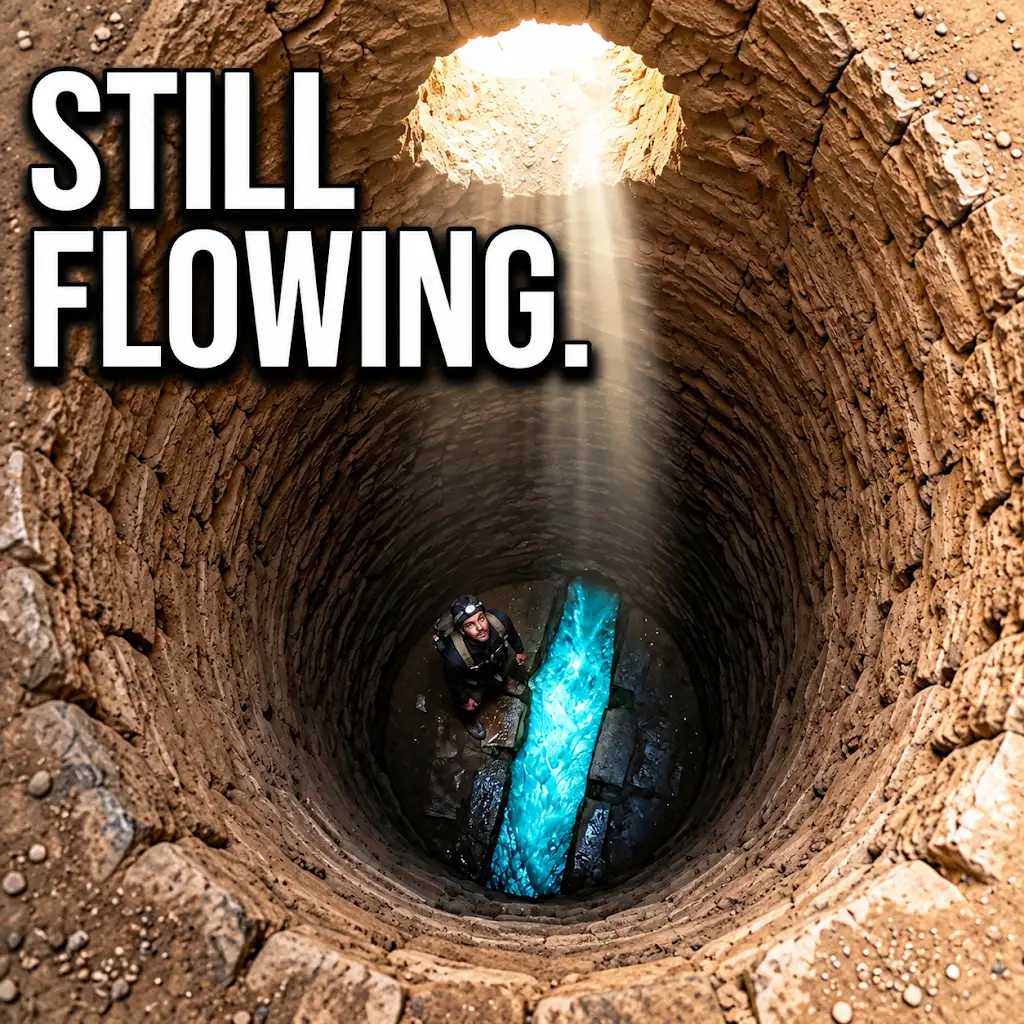
They Dug Water Tunnels Under the Desert… And They Still Flow
FAQs
What is the Faculty of Qanat Taft?
The Faculty of Qanat Taft is a renowned educational institution located in Iran, specifically in the city of Birjand. It offers a variety of undergraduate and graduate programs in different fields of study.
When was the Faculty of Qanat Taft established?
The Faculty of Qanat Taft was established in 1991, making it a relatively young institution compared to some other universities in Iran. Despite its recent establishment, it has quickly gained recognition for its academic excellence.
What are some of the popular programs offered at the Faculty of Qanat Taft?
Some of the popular programs offered at the Faculty of Qanat Taft include engineering, agriculture, literature, and social sciences. Students have the opportunity to pursue a wide range of academic interests and specializations.
Is the Faculty of Qanat Taft a research-oriented institution?
Yes, the Faculty of Qanat Taft places a strong emphasis on research and innovation. Faculty members are actively involved in research projects, and students are encouraged to participate in research activities to enhance their academic experience.
What facilities are available to students at the Faculty of Qanat Taft?
The Faculty of Qanat Taft provides students with access to modern classrooms, laboratories, libraries, and recreational facilities. Additionally, students can benefit from academic support services and extracurricular activities to enrich their university experience.