
The arid landscapes of many ancient civilizations stand as a testament to human ingenuity in overcoming the scarcity of water. Among the most remarkable of these achievements are qanats, intricate underground aqueduct systems that have sustained communities for millennia. Historically constructed using rudimentary tools and immense manual labor, the excavation of these life-giving tunnels was a monumental undertaking. Today, a revival of these ancient water systems is not only underway but is being propelled by a wave of innovative excavation techniques, blending historical wisdom with modern engineering prowess. These advancements are making the rehabilitation and even the construction of new qanats more efficient, safer, and economically viable, thereby reconnecting contemporary societies with a vital legacy of sustainable water management.
The Enduring Legacy of the Qanat
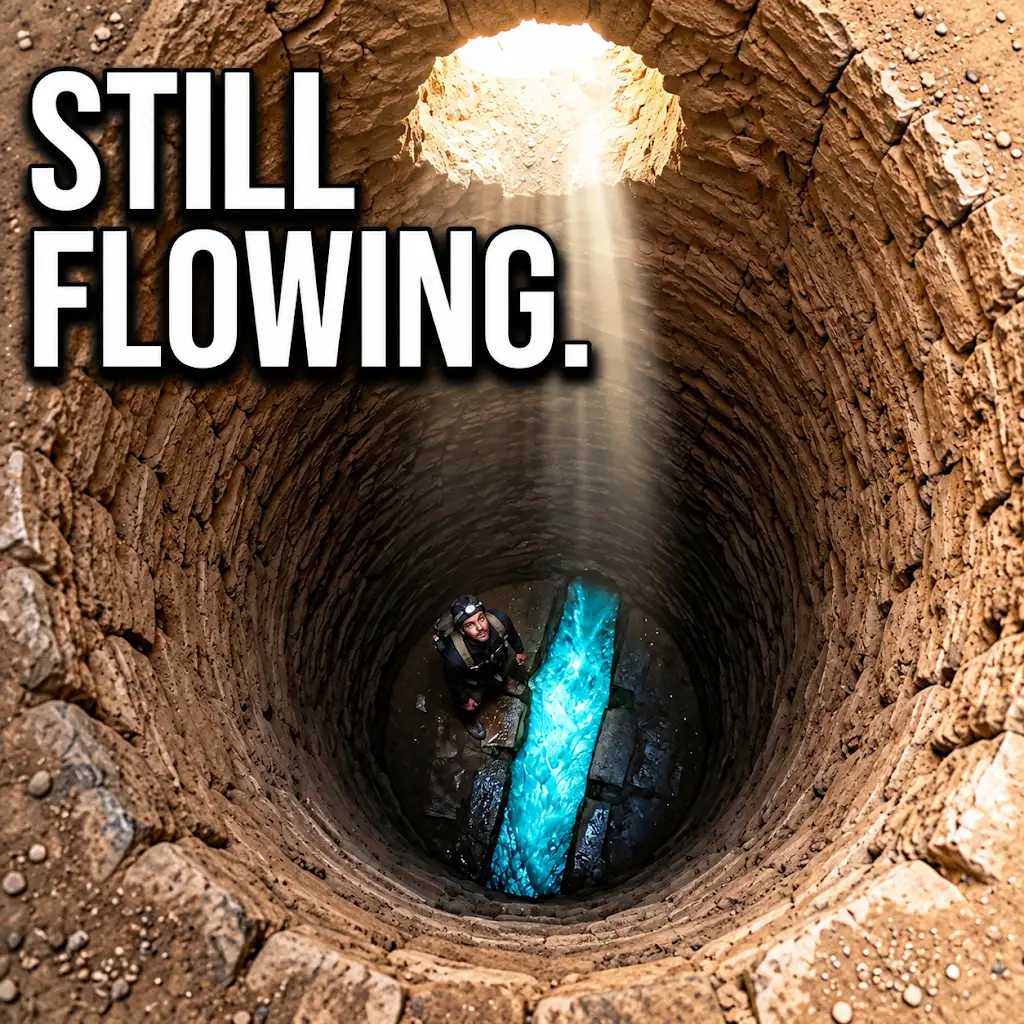
The concept of the qanat, also known as a kariz, karez, or foggaras depending on the region, originated in Persia, likely around the 8th century BCE. These subterranean channels are ingeniously designed to tap into underground water sources, such as aquifers located at higher elevations, and transport water by gravity to settlements and agricultural lands situated at lower elevations. The system typically comprises three main components: the mother well (or source well), which is dug vertically into the aquifer; the tunnel, excavated horizontally underground to channel the water; and ventilation shafts, dug vertically at regular intervals to allow for air circulation and access for maintenance.
The brilliance of the qanat lies in its ability to minimize water loss through evaporation, a critical advantage in hot and dry climates. Unlike open canals, which are exposed to the sun and wind, the underground nature of qanats ensures that almost all the transported water reaches its destination. This efficiency has been the cornerstone of agriculture and settlement in vast arid and semi-arid regions, including Iran, Afghanistan, Pakistan, Iraq, Egypt, and parts of North Africa and Spain. These systems not only provided water for drinking and irrigation but also played a crucial role in shaping the socio-economic and cultural fabric of these societies, fostering the development of thriving oases and sustainable livelihoods.
The Challenges of Traditional Qanat Excavation
The construction of a qanat in antiquity was an arduous and dangerous endeavor. The process involved a dedicated team of skilled laborers, often referred to as “muqannīs,” who possessed an intimate understanding of geology and water flow. Their primary tools were basic implements like pickaxes, shovels, and baskets for removing excavated material. The excavation proceeded from both ends: the vertical wells were dug downwards, and the horizontal tunnel was advanced from the well face. This simultaneous approach allowed for the removal of debris and provided ventilation, albeit rudimentary, to the workers deep underground.
The dangers faced by these ancient excavators were manifold. Cave-ins were a constant threat, with the unstable earth posing a significant risk. Gas pockets, such as methane, could accumulate in the tunnels, leading to suffocation. The confined spaces and lack of proper lighting also contributed to the hazardous working conditions. Moreover, the precision required to maintain the correct gradient for gravity flow over long distances demanded exceptional skill and meticulous attention to detail. The labor-intensive nature of this process meant that the construction of a single qanat could take years, even decades, and involved hundreds of individuals. The economic and human cost was substantial, highlighting the immense value placed on water in these historical contexts.
The Decline and Rediscovery of Qanat Systems
With the advent of modern irrigation technologies, such as motorized pumps and extensive canal networks, many qanat systems fell into disuse and disrepair starting in the mid-20th century. The perceived inefficiency and labor-intensiveness of traditional qanats, coupled with the ease of access to water provided by new technologies, led to their gradual abandonment. The intricate knowledge and skills associated with their construction and maintenance began to fade, threatening to erase this invaluable heritage.
However, in recent decades, a growing awareness of the environmental and social challenges associated with conventional water management practices has led to a resurgence of interest in qanats. Concerns about the depletion of groundwater tables due to over-extraction, the salinization of soils from surface irrigation, and the energy consumption associated with pumping have prompted a re-evaluation of qanat systems. Their inherent sustainability, minimal evaporation losses, and reliance on gravity make them an attractive alternative, especially in water-scarce regions. This rediscovery has spurred efforts to preserve existing qanats and explore the feasibility of constructing new ones, a task that necessitates modernizing the excavation process.
The qanat tunnel excavation is a fascinating aspect of ancient engineering that showcases the ingenuity of early civilizations in managing water resources. For those interested in exploring more about remarkable ancient structures, you can read a related article that delves into the wonders of the ancient world, highlighting various architectural feats, including the qanat system. Check it out here: Discovering the Seven Wonders of the Ancient World.
Modernizing Qanat Construction: Innovation Takes Root
The revival of qanat systems is inextricably linked to the development of innovative excavation techniques. While the fundamental principles of qanat design remain the same, the methods employed to create these underground arteries have been revolutionized, making them safer, faster, and more efficient. These modern approaches leverage advancements in tunneling machinery, surveying, and construction management. The goal is not to replace the historical essence of qanats but to make their construction and restoration accessible and practical for contemporary needs, often by adapting existing technologies or developing specialized equipment.
Advanced Tunneling Machinery and Robotics
The most significant breakthroughs in qanat excavation lie in the adoption of specialized tunneling machinery. While full-scale Tunnel Boring Machines (TBMs) might be an overkill for many qanat projects due to their small diameter, scaled-down versions and specialized micro-TBMs are proving to be transformative. These machines can mechanically excavate soil and rock with greater speed and precision than manual labor. They are particularly effective in stable ground conditions and can significantly reduce the risk of cave-ins. Robotic excavation systems are also being explored, offering the potential for increased automation and enhanced safety by keeping human workers out of the most hazardous areas.
Precision Surveying and Geotechnical Analysis
Modern surveying techniques, including GPS, laser scanning, and drone-based photogrammetry, play a crucial role in the planning and execution of qanat excavations. These technologies allow for highly accurate mapping of the terrain, precise alignment of the tunnel path, and meticulous monitoring of excavation progress. Advanced geotechnical analysis, utilizing seismic surveys, ground-penetrating radar, and detailed soil sampling, provides engineers with a comprehensive understanding of the subsurface conditions. This knowledge is critical for selecting the most appropriate excavation methods, designing appropriate support systems, and mitigating potential risks such as encountering unexpected geological formations or groundwater inflows. This data-driven approach ensures that the qanat is designed and constructed to be structurally sound and hydraulically efficient.
Integrated Support and De-watering Systems
Contemporary qanat excavation increasingly integrates advanced structural support and de-watering systems. Mechanized excavation can be paired with the installation of precast concrete segments or steel ribs to reinforce the tunnel walls, preventing collapses. In areas with significant groundwater presence, sophisticated de-watering techniques, such as well points or submersible pumps, are employed to manage water ingress during excavation. These systems are designed to be efficient and environmentally sensitive, minimizing the impact on the surrounding water table. The integration of these systems allows for continuous excavation and ensures the stability of the tunnel throughout the construction process, dramatically improving safety and speed.
Reviving and Restoring Ancient Qanat Networks
Beyond new constructions, a significant aspect of the qanat revival involves the restoration and rehabilitation of existing, often disused, ancient qanat systems. Many of these historical networks have fallen into disrepair due to neglect, natural sedimentation, or damage to their infrastructure. Modern techniques are proving invaluable in breathing new life into these vital water sources, extending their lifespan and re-establishing their functionality for communities. This process requires careful assessment, targeted repairs, and often, the integration of new technologies to overcome challenges that traditional methods could not address.
Assessment and Mapping of Deteriorated Systems
The first step in restoring an ancient qanat is a comprehensive assessment of its current condition. This involves detailed mapping of the entire network, including identifying the locations of defunct wells, collapsed tunnel sections, and areas of sedimentation or structural weakness. Non-destructive testing methods, such as acoustic tomography or infrared thermography, can be employed to assess the integrity of the tunnel lining and identify hidden defects. Geophysical surveys can also help locate buried sections of the qanat and assess the surrounding soil conditions. This meticulous assessment provides a blueprint for the restoration efforts, prioritizing the most critical areas for repair.
Targeted Repair and Reinforcement Strategies
Once the assessment is complete, targeted repair and reinforcement strategies are developed. For collapsed sections, modern excavation equipment, like mini-excavators or vacuum excavators, can be used to carefully clear debris and access the damaged areas. For tunnels suffering from structural instability, techniques such as shotcreting (spraying concrete onto the tunnel walls) or the insertion of modern lining materials can provide enhanced support. In areas where sedimentation has blocked the flow, specialized cleaning equipment, including robotic inspection and cleaning vehicles, can be deployed to remove accumulated silt and debris efficiently. The choice of repair strategy is often dictated by the specific geological conditions and the extent of the damage.
Integration of Modern Monitoring and Control
To ensure the long-term sustainability of restored qanats, modern monitoring and control systems are increasingly being integrated. Sensors can be installed at various points along the qanat to measure water flow, water quality, and pressure. These sensors transmit data to a central monitoring station, allowing operators to track the performance of the qanat in real-time. Automated control systems can then be used to regulate water flow, manage diversions, and alert maintenance crews to any anomalies or potential problems. This integration of technology transforms ancient, passive water systems into actively managed and responsive resources, ensuring their efficient operation and prolonging their useful life for generations to come.
Economic and Environmental Benefits of Modernized Qanat Revival
The modernization of qanat excavation and restoration offers a compelling array of economic and environmental benefits, particularly for arid and semi-arid regions grappling with water scarcity. These benefits extend beyond the mere provision of water, influencing agricultural productivity, community resilience, and ecological sustainability. By re-establishing or enhancing qanat systems, societies can tap into a traditional yet remarkably efficient form of water management, adapting it to contemporary challenges.
Sustainable Water Resource Management
One of the most significant advantages of revitalized qanat systems is their contribution to sustainable water resource management. Unlike deep groundwater extraction, which can lead to aquifer depletion and land subsidence, qanats typically tap into shallow aquifers or springs and operate on gravity, minimizing human intervention and energy consumption. Their ability to deliver water with minimal evaporation loss ensures that precious water resources are utilized efficiently, reducing waste and promoting long-term water security. This approach aligns perfectly with the principles of sustainable development, ensuring that water availability is maintained for future generations.
Enhanced Agricultural Productivity and Food Security
The reliable and consistent supply of water provided by qanats is crucial for enhancing agricultural productivity. The consistent flow and reduced evaporation ensure that farmlands receive a steady supply of moisture, supporting crop growth and increasing yields. This improved agricultural output directly contributes to food security, particularly in regions where traditional agriculture is heavily dependent on unpredictable rainfall or unsustainable irrigation practices. Furthermore, the revival of qanats can revitalize traditional agricultural landscapes and support the cultivation of drought-resistant crops, further bolstering resilience.
Reduced Energy Consumption and Carbon Footprint
A key environmental benefit of qanat systems is their reliance on gravity for water transport, eliminating the need for energy-intensive pumps. This significantly reduces the carbon footprint associated with water distribution, especially when compared to conventional irrigation methods that often depend on fossil fuels. The reduced energy consumption translates into lower operational costs for water management and contributes to global efforts to mitigate climate change. This makes qanats an attractive and environmentally responsible solution for water supply in a world increasingly focused on renewable energy and decarbonization.
The ancient technique of qanat tunnel excavation has fascinated historians and engineers alike, showcasing an ingenious method of transporting water in arid regions. This innovative system not only highlights the importance of sustainable water management but also reflects the advanced engineering skills of ancient civilizations. For those interested in understanding the broader implications of resource management, a related article discusses the complexities of government-controlled assets and their impact on society. You can read more about it in this insightful piece on government-controlled assets.
The Future of Qanats: A Fusion of Heritage and Innovation
| Metric | Value | Unit | Description |
|---|---|---|---|
| Average Tunnel Length | 500 | meters | Typical length of qanat tunnels |
| Excavation Rate | 1.5 | meters/day | Average daily progress of excavation |
| Tunnel Diameter | 1.2 | meters | Average internal diameter of the tunnel |
| Gradient | 0.002 | m/m | Typical slope to ensure water flow |
| Number of Vertical Shafts | 20 | count | Vertical access shafts per 500m tunnel |
| Excavation Method | Manual Digging | – | Common method used in traditional qanat construction |
| Water Flow Rate | 0.05 | cubic meters/second | Typical water discharge through qanat |
| Construction Time | 12 | months | Average time to complete a qanat tunnel |
The ongoing revival of qanat systems, powered by innovative excavation techniques, signals a promising future for these ancient water arteries. This fusion of heritage and innovation offers a sustainable and resilient model for water management, particularly relevant in an era of increasing environmental challenges and water scarcity. As technology continues to evolve and our understanding of the value of these systems deepens, the qanat is poised to reclaim its rightful place as a cornerstone of water infrastructure in many parts of the world.
Education, Training, and Knowledge Transfer
For the long-term success of qanat revival, comprehensive programs for education, training, and knowledge transfer are essential. This involves not only training a new generation of engineers and technicians in modern qanat excavation techniques but also preserving and documenting the invaluable traditional knowledge passed down through generations of muqannīs. Universities, research institutions, and local communities must collaborate to develop curricula, workshops, and apprenticeships that bridge the gap between historical wisdom and contemporary engineering practices. This ensures that the skills and understanding required to build, maintain, and manage qanats are not lost and can be effectively applied.
Policy Support and Community Engagement
Effective policy support and robust community engagement are critical for the widespread adoption and sustainability of qanat revival projects. Governments and local authorities need to recognize the strategic importance of qanats and integrate them into national water management strategies. This can include providing financial incentives, streamlining regulatory processes, and supporting research and development in qanat technologies. Equally important is the active involvement of local communities, who are the primary beneficiaries and custodians of these systems. Empowering communities to participate in the planning, construction, and maintenance of qanats fosters ownership and ensures that these projects are tailored to local needs and contexts, leading to greater success and long-term viability.
Global Collaboration and Knowledge Sharing
The challenges of water scarcity are global, and the solutions offered by qanat systems have the potential to benefit numerous regions. Fostering global collaboration and knowledge sharing among countries with qanat heritage and those facing similar water challenges is crucial. International organizations and research networks can play a pivotal role in facilitating the exchange of best practices, technological innovations, and successful case studies. By sharing expertise and lessons learned, the global community can accelerate the revival and widespread adoption of qanat systems as a sustainable and time-tested solution for water security, ensuring that this ancient ingenuity continues to serve humanity for centuries to come.
They Dug Water Tunnels Under the Desert… And They Still Flow
FAQs
What is a qanat tunnel excavation?
A qanat tunnel excavation is the process of digging underground tunnels to access and maintain qanat systems, which are ancient water management systems used for irrigation and water supply.
How are qanat tunnels excavated?
Qanat tunnels are excavated using manual labor and simple tools such as picks, shovels, and buckets. Workers dig vertically from the surface to reach the underground water source and then horizontally to create the tunnel.
What are the benefits of qanat tunnel excavation?
Qanat tunnel excavation allows for the sustainable extraction of groundwater, reduces water loss due to evaporation and seepage, and provides a reliable water supply for agriculture and communities in arid regions.
Where are qanat tunnel excavations commonly found?
Qanat tunnel excavations are commonly found in arid and semi-arid regions of the Middle East, North Africa, Central Asia, and parts of Europe. Countries such as Iran, Morocco, and Afghanistan have a long history of using qanat systems.
What are some challenges associated with qanat tunnel excavation?
Challenges associated with qanat tunnel excavation include the high cost of maintenance, the risk of tunnel collapse, and the potential depletion of groundwater resources if not managed sustainably. Additionally, modern infrastructure development and urbanization have led to the neglect and abandonment of many qanat systems.