
Unpacking Our Past: What Acadian Population Genetics Tells Us
Ever wondered about the deep roots of Acadian heritage? Recent population genetics studies are shedding a bright, albeit complex, light on this very question, revealing fascinating ancestral links that paint a richer picture of who we are. Essentially, these studies show that while the Acadians have a distinct genetic fingerprint, it’s a mosaic formed from a blend of European populations, with significant contributions from France, Britain, and even surprising pockets of ancestry from further afield. It’s not a simple story of just French settlers; it’s a dynamic narrative of migration, settlement, and interaction over centuries.
The Foundations of Acadian Identity
The Acadians, a vibrant cultural group with origins in eastern Canada (primarily what are now Nova Scotia, New Brunswick, and Prince Edward Island), have a unique history that sets them apart. Their story is one of settlement by French colonists in the early 17th century, followed by centuries of interaction with British authorities, Indigenous peoples, and subsequent waves of European migration. Understanding their genetic makeup is like reading a living history book, where each DNA segment tells a part of the journey.
Early French Colonization: The First Footprints
The initial European settlement in Acadia was primarily driven by the French, who established colonies in the early 1600s. These early settlers, coming from various regions of France, laid the groundwork for the Acadian population. Their motivations were varied, including economic opportunity, religious freedom, and the desire for a new life. The genetic legacy of these pioneers is a fundamental part of what we see in Acadian DNA today.
Beyond France: Other European Influences
While French ancestry is often considered the cornerstone of Acadian heritage, genetic studies consistently highlight the presence of other European origins. This is a crucial insight that moves beyond the commonly held narrative. The influences are not solely from France but also from the British Isles, including England, Scotland, and Ireland. This reflects the complex historical context of Acadia, which saw periods of British control and subsequent migration from these regions.
A fascinating related article that delves into the broader implications of population genetics can be found at this link: Anticipated Global Map Shifts. This article explores how shifts in global demographics and environmental factors can influence genetic diversity and population structure, providing valuable context for studies like those focusing on the Acadian population. Understanding these dynamics is crucial for comprehending the evolutionary trajectories of various populations, including the unique genetic makeup of the Acadians.
Unraveling the Genetic Tapestry
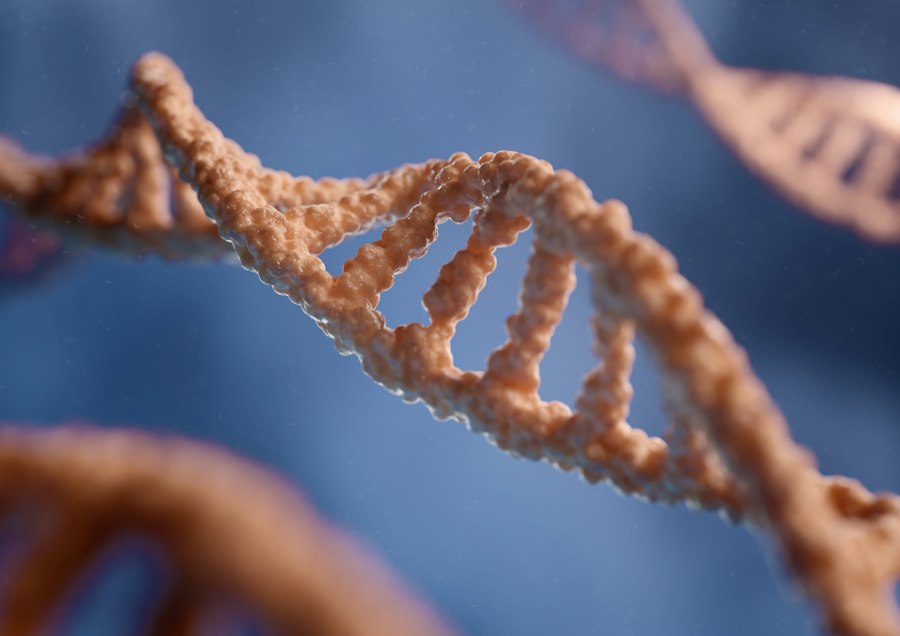
Population genetics uses the variations in DNA across different groups of people to trace their origins and relationships. For Acadians, this has involved analyzing DNA samples from individuals who identify with Acadian heritage and comparing these patterns to those found in populations around the world. The results are intricate, revealing not just broad strokes of ancestry but also more nuanced connections.
The French Connection: A Deeper Dive
It’s not just a general “French” origin. Studies have begun to pinpoint the specific regions within France that contributed most significantly to the Acadian gene pool. This often points towards western France, particularly regions like Normandy, Poitou, and Brittany. This level of detail helps to refine our understanding of where these early settlers originated and their specific migration routes. The genetic signatures from these areas are some of the most prominent.
The British Isles Contribution: A Significant Factor
The presence of British Isles ancestry is a recurring and significant finding. This isn’t surprising given the historical shifts in control over Acadia. After the British took control in the mid-18th century, there was increased migration from Britain and Ireland. Furthermore, some Acadians were deported to British colonies, and later, some returned or their descendants reintegrated into Acadian communities. These interactions have left a discernible mark on Acadian genetics.
A fascinating aspect of Acadian population genetics is how historical migration patterns have shaped genetic diversity in this community. For those interested in understanding the broader implications of historical events on modern populations, a related article discusses the lessons we can learn from history in the context of climate change. You can read more about this intriguing connection in the article found here: learning from history. This exploration highlights the importance of understanding our past to better navigate future challenges.
Unexpected Ancestry: Surprising Genetic Signatures
Beyond the expected French and British influences, some studies have also identified more unexpected genetic contributions. These can include smaller, but nonetheless important, influences from other parts of Europe. While the exact origins of these fainter signals are still being investigated, they speak to the dynamic nature of migration and settlement in the historical period. It’s a reminder that historical populations were rarely isolated and often intermingled.
The Impact of the Great Deportation
The expulsion of the Acadians by the British in the mid-1700s is a defining event in their history. Known as Le Grand Dérangement, this forced removal had profound consequences, scattering Acadian communities across North America and even to Europe. The genetic impact of this event is also visible in population studies, showing how the dispersal and subsequent regrouping of people shaped their genetic landscape.
Scattering and Reconnection: Genetic Footprints of Exile
The deportation led to Acadians being sent to various British colonies, including the thirteen original colonies of what would become the United States, as well as to Britain and France. Many eventually found their way back to maritime Canada, or their descendants did. This pattern of dispersal and eventual reconnection means that Acadian genetics can be found in pockets across North America, and studying these dispersed groups can reveal more about their ancestral journeys.
Regional Genetic Variations: Differences Across Acadian Communities
The Great Deportation and subsequent resettlement efforts have led to some degree of genetic differentiation between various Acadian communities. For instance, Acadians who ended up in Louisiana (Cajuns) have a distinct genetic profile, shaped by their unique history of migration and cultural development

Cajun or French Canadian? The DNA Looked the Same—Until Researchers Looked Closer
FAQs
What is the purpose of the Acadian population genetics study?
The purpose of the Acadian population genetics study is to analyze the genetic makeup of the Acadian population to understand their ancestry, migration patterns, and genetic diversity.
How is the genetic data collected for the Acadian population genetics study?
The genetic data for the Acadian population genetics study is collected through DNA samples provided by volunteers from the Acadian community. These samples are then analyzed to extract genetic information for research purposes.
What are some potential implications of the findings from the Acadian population genetics study?
The findings from the Acadian population genetics study can have implications for understanding the history and evolution of the Acadian population, as well as shedding light on their genetic health, predisposition to certain diseases, and potential genetic connections to other populations.
Who is conducting the Acadian population genetics study?
The Acadian population genetics study is being conducted by a team of researchers and geneticists from various institutions and universities who specialize in population genetics, ancestry studies, and genetic diversity analysis.
How can the results of the Acadian population genetics study benefit the Acadian community?
The results of the Acadian population genetics study can benefit the Acadian community by providing insights into their genetic heritage, helping to preserve their cultural identity, and potentially contributing to personalized healthcare based on genetic predispositions identified in the study.