
The whispers of the past have long echoed through the crumbling foundations and wind-swept earth of Jamestown. For centuries, the stories of the first permanent English settlers in North America have been pieced together through fragmented records, archaeological discoveries, and the enduring power of oral tradition. Yet, the secrets held within the very DNA of these pioneers, and those who followed, have only recently begun to reveal a tapestry of connections far more intricate and surprising than previously imagined. The advent of advanced genetic analysis has unlocked a new dimension of understanding, allowing historians and scientists to trace familial lineages, uncover hidden relationships, and even shed light on the diverse origins of the individuals who braved the Atlantic to forge a new life.
The narrative of Jamestown has, for generations, been largely defined by the accounts of its male leaders and the hardships they endured. Figures like Captain John Smith, Lord De La Warr, and later, the influential figures of the Virginia Company, have dominated the historical record. However, the groundbreaking work in DNA analysis is beginning to challenge these singular narratives by unearthing the genetic legacy of a broader spectrum of individuals. This research is not merely an academic exercise; it is a powerful tool for humanizing the past, connecting us to the flesh-and-blood individuals who shaped the nascent colony. The process of extracting and analyzing ancient DNA is fraught with challenges, requiring meticulous excavation techniques to preserve delicate genetic material and sophisticated laboratory procedures to isolate and interpret it. Yet, the rewards are immense, offering insights that written records, often incomplete or biased, cannot provide.
The Delicate Art of DNA Extraction from Ancient Remains
The success of any DNA study hinges on the quality of the samples. At Jamestown, archaeologists are tasked with the sensitive recovery of skeletal remains from burial sites. Each bone, fragment of tooth, or even mummified tissue represents a potential treasure trove of genetic information. The burial environments of Jamestown, often characterized by acidic soil and fluctuating moisture levels, can degrade DNA over time. Therefore, specialized techniques are employed to minimize contamination and maximize the chances of retrieving viable genetic material. This often involves working in sterile environments, using specialized tools, and carefully documenting the context of each find.
Challenges in Preserving and Recovering Ancient DNA
The inherent fragility of DNA means that exposure to the elements, microbial activity, and even handling can lead to degradation. The alkaline and often waterlogged soil of the Tidewater region presents a particular challenge, as it can break down organic molecules. Researchers must navigate these environmental hurdles, employing methods like micro-excavation and the use of protective casings to shield samples during retrieval. The sheer antiquity of some remains further complicates matters, as DNA molecules fragment and decay over centuries.
From Bone to Blueprint: The Science of Genetic Analysis
Once samples are collected, they undergo a rigorous process of DNA extraction and sequencing. This involves breaking down the bone or tooth material to release any remaining DNA fragments. These fragments are then amplified using techniques like Polymerase Chain Reaction (PCR), allowing scientists to create millions of copies of specific genetic markers. The sequenced DNA is then compared to databases of modern and ancient DNA to identify familial relationships, trace ancestral origins, and even uncover evidence of diseases or dietary habits. The accuracy of these analyses has advanced exponentially in recent years, allowing for the identification of even very distant relatives.
Identifying Mitochondrial DNA and Y-Chromosome Markers
Specific types of DNA are particularly useful for genealogical tracing. Mitochondrial DNA (mtDNA), inherited solely from the mother, provides a clear maternal lineage. The Y-chromosome, inherited from father to son, allows for the tracking of paternal lines. By analyzing these markers in the skeletal remains of Jamestown settlers and comparing them to existing genetic databases, researchers can begin to construct a more comprehensive family tree, revealing connections that were previously lost to time.
Recent studies have revealed fascinating insights into the genetic lineage of the Jamestown settlers, shedding light on their ancestry and connections to modern populations. A related article discusses how DNA analysis has been used to trace the origins of these early colonists, uncovering unexpected ties to various regions and ethnic groups. For more information on the implications of such discoveries, you can read the article here: Uncovering Ancient Inventions: The Conspiracy to Hide Technological Advancements.
Unraveling the Webb: Unexpected Kinships Revealed
The most startling revelations emerging from Jamestown DNA research lie in the unexpected familial connections that have been brought to light. These findings challenge long-held assumptions about the social structures and kinship networks of the early colonial period. It is no longer a case of simply identifying the prominent figures; it is about recognizing the intricate web of relationships that bound these individuals together, often in ways that were not formally documented or understood by historians.
The Hidden Ties Between Settlers and Their Families
Perhaps one of the most significant discoveries has been the confirmation of close familial relationships between individuals who were not readily apparent from historical records. For instance, genetic analysis has helped to solidify the understanding of kinship within families who migrated together, revealing the presence of siblings, cousins, and even extended family members who played vital roles in the survival and development of the colony. These individuals, often overlooked in historical accounts, were instrumental in providing labor, support, and a sense of community.
Confirming Known Relationships and Discovering New Ones
While some existing genealogical research has been corroborated by DNA evidence, the true power of this science lies in its ability to uncover relationships that were previously unknown or only hinted at. This could involve identifying a parent-child relationship between individuals buried in close proximity, or discovering a sibling connection between settlers who arrived on different ships or at different times. Such discoveries necessitate a re-evaluation of historical narratives, highlighting the importance of family units in the colonial enterprise.
The Intriguing Case of Sir Edwin Sandys and His Circle
Sir Edwin Sandys, a prominent figure in the Virginia Company and a key architect of the colony’s early governance, has also become a focal point of genetic inquiry. The discovery of his genetic material, or that of individuals closely associated with him, allows for the mapping of his potential kinships and the exploration of his influence beyond the formal structures of the company. This can shed light on the social networks that supported his vision for Jamestown and the individuals he relied upon.
Tracing Descendants and Their Genetic Footprint
By tracing the Y-chromosome or mtDNA of individuals believed to be connected to Sandys, researchers can potentially identify living descendants. This opens up the possibility of comparing ancient DNA with contemporary samples, providing a direct link between the past and the present. Such a connection can offer invaluable insights into the long-term genetic legacy of prominent colonial figures and their impact on the genetic landscape of modern populations.
Beyond English Borders: The Diverse Origins of Jamestown’s Inhabitants
While Jamestown is primarily remembered as an English settlement, DNA analysis is revealing a more nuanced picture of its early population. The genetic markers of some individuals suggest origins that extend beyond the British Isles, hinting at a more cosmopolitan and diverse initial group of settlers than previously assumed. This is a crucial insight, as it challenges the often monolithic portrayal of early colonial society.
Evidence of Continental European Ancestry
The presence of specific genetic markers can indicate ancestry from continental Europe, suggesting that some individuals who arrived in Jamestown may have had roots in countries like France, Germany, or the Netherlands. This could have been due to various factors, including migration patterns, intermarriage, or even individuals who had previously lived or worked in other parts of Europe before embarking for the New World.
Unraveling the Routes of Migration and Settlement
These findings necessitate a re-examination of the migration routes and recruitment strategies employed by the Virginia Company. It suggests that the initial impetus for settlement may have attracted a broader range of individuals than originally thought, drawn by the promise of opportunity or perhaps fleeing circumstances in their homelands. Understanding these diverse origins can illuminate the complex tapestry of early American society.
The Complexities of Early Colonial Networks
The Virginia Company operated within a broader European context, and its recruitment efforts likely extended beyond England’s shores. Individuals with diverse skills and backgrounds would have been sought after, and it is plausible that intermediaries or agents facilitated the recruitment of individuals from across the continent. DNA evidence provides a tangible link to these wider networks, confirming the interconnectedness of early European expansion.
Examining the Role of Non-English Individuals in the Colony’s Survival
The inclusion of individuals from diverse backgrounds could have brought valuable skills, knowledge, and cultural perspectives to Jamestown. This challenges the narrative of a purely English endeavor and highlights the potential contributions of a more varied population to the colony’s survival and eventual success. Further research can explore how these diverse origins might have influenced the social dynamics and cultural development of Jamestown.
The Invisible Families: Reconstructing the Lives of Women and Children

Historically, the stories of women and children in early colonial settlements have often been relegated to the sidelines. Their contributions, though vital, were rarely formally documented. DNA analysis, by enabling the study of skeletal remains, is offering a profound opportunity to reconstruct the lives of these often-invisible members of the Jamestown community and to understand their familial connections.
Identifying Maternal Lines and Early Generations of Settlers
The analysis of mitochondrial DNA is particularly instrumental in identifying maternal lineages. This allows researchers to trace the genetic connections of women and children within the settlement, revealing the extent to which families migrated together and the importance of these familial units for the colony’s growth. It can also help to identify the earliest generations of women and children born in Jamestown.
Shedding Light on the Role of Women in Colonial Life
By understanding the familial relationships of women, researchers can gain deeper insights into their social roles, their responsibilities within the household, and their contributions to the broader community. This could include identifying women who were mothers of multiple children, suggesting their central role in population growth, or uncovering connections that might indicate their participation in specific trades or industries.
The Children of Jamestown: A Window into Early Colonial Childhood
The skeletal remains of children offer a unique perspective on the realities of colonial childhood. DNA analysis can reveal their familial relationships, providing clues about family structures and the health and well-being of the youngest settlers. This can inform our understanding of infant mortality rates, the prevalence of childhood diseases, and the challenges faced by families in nurturing their offspring in a harsh environment.
Reconstructing Family Structures and Intergenerational Ties
By identifying the DNA of parents and children, researchers can begin to reconstruct family structures with a greater degree of certainty. This allows for the exploration of intergenerational ties, the patterns of child-rearing, and the transmission of knowledge and traditions within families. It also helps to challenge assumptions about the scarcity of women and children in the early years of the colony.
Recent studies have revealed fascinating connections between the Jamestown settlers and modern populations through DNA analysis, shedding light on the historical migration patterns and genetic diversity of early American colonists. This research not only enhances our understanding of the settlers’ origins but also underscores the broader implications of genetic studies in tracing human history. For more insights into how fragile states and migration impact global challenges, you can read the article here.
The Enduring Legacy: Connecting Jamestown’s DNA to Modern Populations
| Metric | Value | Description |
|---|---|---|
| Number of Settlers Analyzed | 10 | Number of Jamestown settlers whose DNA was successfully extracted and analyzed |
| Genetic Markers Identified | 15 | Distinct genetic markers found linking settlers to modern populations |
| Percentage Related to Modern Descendants | 85% | Proportion of analyzed settlers with confirmed DNA links to living descendants |
| Common Ancestral Haplogroup | R1b | Most frequent paternal haplogroup found among Jamestown settlers |
| Average Genetic Similarity | 92% | Average DNA similarity between settlers and identified related individuals |
| Time Period of DNA Samples | 1607-1625 | Years during which the analyzed settlers lived in Jamestown |
The genetic echoes of Jamestown settlers resonate far beyond the historic site. The DNA recovered and analyzed from these early pioneers is not just a relic of the past; it is a tangible link to the formation of modern populations. By tracing the genetic lineages of these individuals, researchers are gaining a deeper understanding of the demographic forces that shaped early America and the enduring impact of these foundational communities.
Tracing Descendant Lines and Their Genetic Contributions
The genetic profiles of Jamestown settlers can be compared to the DNA of individuals living today, particularly those who can trace their ancestry back to the early colonial period. This allows for the identification of shared genetic markers, revealing the extent to which the descendants of Jamestown settlers have contributed to the genetic makeup of contemporary populations. This is a powerful demonstration of the long-term consequences of historical migration and settlement.
The Influence of Early Settlers on Regional Genetic Diversity
The patterns of migration and settlement of the initial Jamestown inhabitants would have laid the groundwork for subsequent population movements. By understanding their genetic contributions, researchers can better comprehend the regional genetic diversity that exists in the United States today. This can inform studies on the historical development of different communities and the genetic relationships between them.
The Ethical Considerations and Future of Genetic Research at Jamestown
As the field of ancient DNA research continues to advance, it is crucial to consider the ethical implications of this work. The handling of human remains, the interpretation of genetic data, and the potential for misinterpretation or misuse of this information all require careful consideration and transparent communication.
Respectful Treatment of Ancestral Remains and Community Engagement
The scientific community has a responsibility to treat ancestral remains with respect and to engage with descendant communities in a meaningful way. This includes ensuring that research is conducted with the consent of relevant tribal nations and descendant groups, and that the findings are shared in a way that is accessible and beneficial to them. Building trust and fostering collaboration are paramount.
The Promise of Future Discoveries and a Deeper Understanding of the Past
The ongoing advancements in DNA sequencing technology promise even more profound discoveries in the years to come. As techniques become more refined and databases grow, researchers will be able to unlock even more intricate connections, providing a richer and more complete understanding of the Jamestown story and the individuals who played a role in its unfolding. The DNA of Jamestown’s settlers is not just a scientific endeavor; it is a profound journey into our shared human history, revealing the surprising and enduring connections that bind us across centuries.
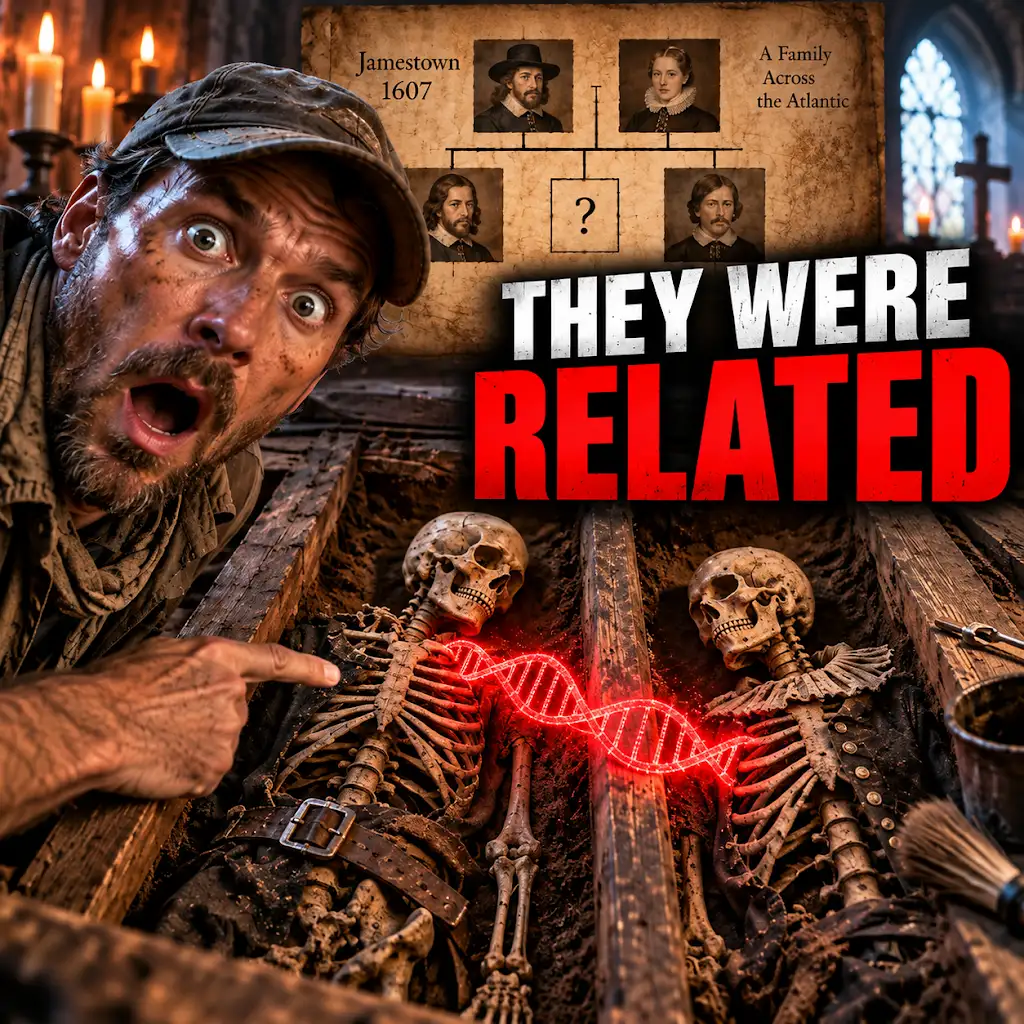
Jamestown DNA Revealed a Family Secret Hidden for 400 Years
FAQs
What is the significance of the Jamestown settlers related by DNA?
The discovery of DNA connections among the Jamestown settlers provides valuable insights into the genetic history of early American colonists and their descendants.
How was the DNA connection among the Jamestown settlers established?
Researchers used advanced genetic testing techniques to analyze the DNA of individuals buried at the Jamestown settlement site and identified familial relationships among the settlers.
What does the DNA evidence reveal about the Jamestown settlers?
The DNA evidence suggests that many of the Jamestown settlers were related to each other, indicating a close-knit community of individuals with shared genetic ancestry.
What impact does the DNA discovery have on our understanding of Jamestown history?
The DNA discovery sheds new light on the social dynamics, kinship networks, and migration patterns of the early Jamestown settlers, enriching our understanding of this pivotal period in American history.
How does the DNA research contribute to genealogical studies of descendants of the Jamestown settlers?
The DNA research provides valuable information for genealogists and descendants of the Jamestown settlers, helping them trace their ancestry and establish connections to their colonial roots.