The Karuk Tribe, an indigenous people with deep ancestral ties to the Klamath River watershed in Northwestern California, has long been recognized for its profound understanding and stewardship of the natural world. This understanding extends to a sophisticated and innovative approach to fire management, a practice honed over millennia and demonstrably effective in maintaining the health and resilience of their ancestral lands. Far from fearing fire, the Karuk have historically embraced it as a vital ecological tool, employing traditional knowledge to harness its power for ecological benefit, cultural preservation, and the well-being of their communities. This article delves into the multifaceted and forward-thinking strategies the Karuk Tribe employs in their fire management practices, highlighting their deep connection to the land and their continued commitment to innovative solutions.
The Karuk worldview is intricately woven with the presence and influence of fire. For generations, fire has not been viewed as a destructive force to be eradicated, but rather as a fundamental element of the ecosystem, essential for the regeneration of plant life, the maintenance of biodiversity, and the continuation of cultural practices. This perspective is rooted in a deep spiritual understanding of the interconnectedness of all living things and the role fire plays in this intricate web.
Fire as a Creator and Maintainer of Ecosystems
The Karuk understand that fire, when applied intentionally and strategically, plays a crucial role in shaping and maintaining the diverse ecosystems of their ancestral territory. Many plant species in the region are fire-adapted, meaning they rely on periodic fires for germination, nutrient release, and the suppression of invasive or less desirable species.
Beneficial Plant Adaptations to Fire
- Seed Scarification: Certain seeds require the heat of fire to break dormancy. Without regular burns, these plants may struggle to reproduce, leading to a decline in their populations.
- Nutrient Cycling: Fires release essential nutrients locked up in dead organic matter back into the soil, providing a fertile ground for new growth.
- Understory Management: Controlled burns prevent the accumulation of dense undergrowth, which can lead to more intense and destructive wildfires. This also promotes the growth of beneficial plants used for food, medicine, and cultural crafts.
Promoting Biodiversity Through Controlled Burning
The Karuk’s understanding of fire’s ecological impact extends to its role in fostering biodiversity. By preventing the dominance of a few select species, controlled burns create a mosaic of habitats that support a wider range of flora and fauna.
Habitat Creation for Wildlife
- Forage for Herbivores: New growth following a burn provides fresh, nutritious forage for deer, elk, and other grazing animals.
- Insect and Pollinator Support: The clearing of dense brush opens up areas for the growth of flowering plants, which in turn attract beneficial insects and pollinators.
- Avian Habitats: The mosaic of burned and unburned areas provides diverse nesting and foraging opportunities for various bird species.
Fire and Karuk Cultural Continuity
Beyond its ecological functions, fire is deeply embedded in the cultural fabric of the Karuk people. Its presence is intertwined with spiritual beliefs, storytelling, traditional ceremonies, and the transmission of knowledge across generations.
Ceremonial Significance of Fire
- Purification and Renewal: Fire is often used in ceremonies for purification and to symbolize renewal and the cycle of life.
- Connection to the Spiritual Realm: The smoke and flames of fire can be seen as a conduit connecting the earthly realm with the spiritual world.
The Role of Fire in Traditional Knowledge Transmission
The knowledge of when, where, and how to use fire has been passed down through oral traditions, practical demonstrations, and deep observation. Elders and cultural practitioners play a vital role in imparting this wisdom to younger generations, ensuring its continuity.
Passing Down Best Practices
- Observational Learning: Younger generations learn by observing elders as they conduct prescribed burns.
- Storytelling and Anecdotes: Traditional stories often contain embedded lessons about fire behavior, ecological responses, and cultural protocols.
- Hands-on Experience: Direct participation in controlled burns under the guidance of experienced individuals is crucial for skill development.
The Karuk Tribe’s fire management practices are rooted in traditional ecological knowledge that has been passed down through generations. This approach not only helps in maintaining the health of the forests but also plays a crucial role in mitigating the impacts of climate change. For a deeper understanding of how ancient wisdom can inform modern strategies for surviving climate change, you can read a related article here: Surviving Climate Change: Ancient Wisdom.
Traditional Ecological Knowledge (TEK) as the Foundation for Innovation
The Karuk Tribe’s fire management strategies are not static; they are dynamic and continually evolving, built upon a bedrock of Traditional Ecological Knowledge (TEK). TEK is a cumulative body of knowledge, practice, and belief, evolving by adaptive processes and handed down through generations by cultural transmission, about the relationship of living beings (including humans) with one another and with their environment. For the Karuk, TEK is not merely an academic concept but a living, breathing system of understanding that guides their actions.
The Depth and Breadth of Karuk TEK in Fire Management
The Karuk’s understanding of fire is not limited to simple ignition and suppression. It encompasses a profound awareness of ecological processes, weather patterns, fuel types, and the long-term consequences of fire.
Understanding Fire Behavior and Ecology
- Seasonal Rhythms: The Karuk possess an intimate knowledge of the seasonal cycles that influence fire behavior, including vegetation moisture content, wind patterns, and drought conditions.
- Fuel Load Assessment: Their elders can intuitively assess the amount and type of combustible material in different areas, determining the appropriate intensity and scope of a burn.
- Plant Community Dynamics: They understand how different plant communities respond to various fire regimes, recognizing that some areas benefit from more frequent, lower-intensity fires, while others require less frequent, higher-intensity burns.
Intergenerational Transfer of Knowledge
The transmission of TEK is a cornerstone of Karuk society. This knowledge is passed down through direct observation, oral traditions, storytelling, and apprenticeships.
Mentorship and Apprenticeship Programs
- Elder-Youth Partnerships: Formal and informal mentorship programs pair experienced elders with younger tribal members eager to learn traditional practices.
- Learning by Doing: The most effective way TEK is transmitted is through hands-on experience, where learners participate directly in land management activities under the guidance of knowledgeable mentors.
TEK as a Framework for Modern Adaptation
While deeply rooted in tradition, Karuk TEK is not resistant to modern scientific advancements. Instead, it serves as a powerful framework for integrating new knowledge and adapting to changing environmental conditions.
Integrating Western Science with TEK
The Karuk Tribe actively collaborates with scientists and researchers, bridging the gap between traditional knowledge and modern scientific methodologies. This synergy leads to more robust and effective fire management strategies.
Collaborative Research Initiatives
- Co-production of Knowledge: Researchers and tribal members work together to design and implement research projects, ensuring that traditional knowledge is respected and integrated.
- Validation of TEK: Scientific studies often validate the efficacy and accuracy of TEK, providing empirical evidence for its long-held principles.
Adapting to Climate Change Through TEK
Climate change presents new challenges, including more frequent and intense wildfires. The Karuk Tribe utilizes their TEK, combined with an understanding of climate science, to develop adaptive strategies.
Proactive Strategies for a Changing Climate
- Increased Prescribed Burning: Recognizing the increased risk of megafires, the Karuk are advocating for and implementing more frequent prescribed burns to reduce fuel loads.
- Diversification of Management Techniques: They are exploring a wider range of fire management techniques, including those that mimic natural fire regimes more closely.
Innovative Prescribed Burning Techniques
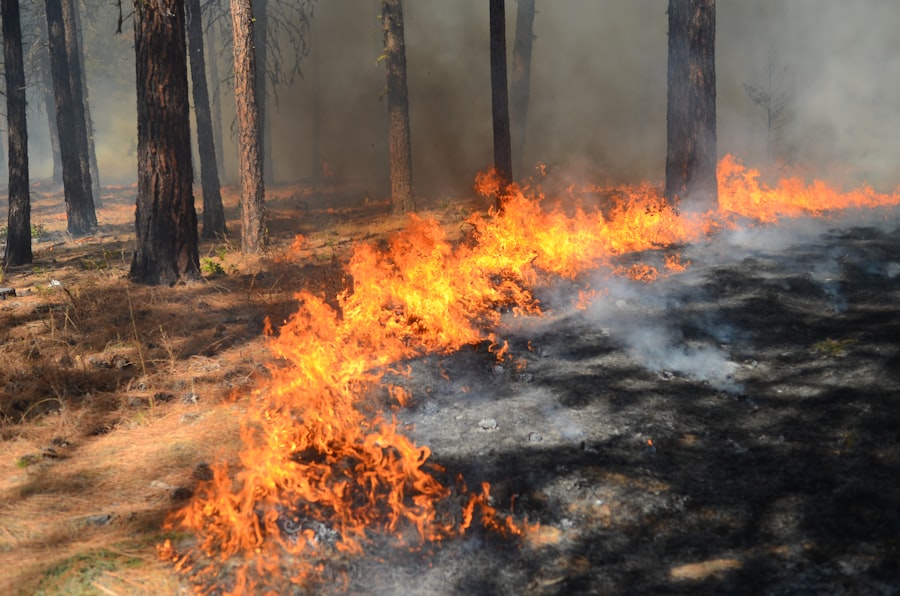
The Karuk Tribe’s approach to fire management is characterized by its innovative application of prescribed burning. This is not simply about setting fires; it’s about artful application, informed by a deep understanding of ecological processes and cultural objectives.
Strategic Fuel Reduction and Vegetation Management
Prescribed burning, also known as controlled burning, is a central element of the Karuk’s fire management strategy. This technique involves the intentional application of fire under specific weather conditions and with careful planning to achieve desired ecological outcomes.
Targeted Burns for Specific Outcomes
- Understory Thinning: Burns are designed to remove excess underbrush and small trees, reducing competition for resources and creating more open forest stands.
- Meadow Restoration: Fire is used to clear encroaching shrubs and trees from meadows, restoring them to their natural open state and supporting native grasses and wildflowers.
- Oak Woodland Management: Prescribed fires are employed to maintain the health of oak woodlands, which are crucial for food (acorns) and habitat.
Mimicking Natural Fire Regimes
The Karuk aim to replicate the historical fire regimes of their ancestral lands, understanding that natural fires, when allowed to burn within certain parameters, were beneficial.
Understanding Historical Fire Frequency and Intensity
- Paleoecological Data: The tribe consults with scientists who study historical fire records from tree rings and sediment cores to understand past fire patterns.
- Oral Histories: Elders’ recollections and stories often provide valuable insights into past fire events and their ecological impacts.
The Art of “Good Fire” Application
The Karuk conceptualize “good fire” as fire that is beneficial to the land and people. This concept guides their decision-making process for implementing prescribed burns.
Factors Influencing “Good Fire” Decisions
- Ecological Goals: Is the primary goal to regenerate certain plant species, reduce fuel loads, or improve habitat?
- Cultural Values: Are there specific cultural sites or resources that need to be protected or enhanced by the burn?
- Community Safety: Ensuring the safety of tribal members and surrounding communities is paramount.
- Weather and Environmental Conditions: Burn plans are meticulously developed based on current and forecasted weather patterns, fuel moisture, and air quality.
Techniques for Achieving Specific Fire Effects
- Backing Fires: Fires that move slowly against the wind, creating low-intensity, smoldering burns that are highly effective for understory thinning.
- Flanking Fires: Fires that move parallel to the wind, creating a more rapid burn that can be used to clear larger areas.
- Strip Headfires: Fires that move with the wind, creating intense, fast-moving flames that are used sparingly and with extreme caution for specific ecological objectives.
Innovative Tools and Techniques in Prescribed Burning
While relying on ancient knowledge, the Karuk Tribe is also embracing new technologies and techniques to enhance their prescribed burning efforts.
Utilizing Modern Equipment and Technology
- GPS and GIS Mapping: Precision mapping tools help identify burn perimeters, fuel types, and potential hazards.
- Weather Monitoring Stations: Advanced weather monitoring provides real-time data to inform burn decisions.
- Drones for Monitoring and Ignition: Drones are increasingly being used for aerial reconnaissance before, during, and after burns, and for igniting remote areas.
Developing New Ignition Strategies
- Ring Firing: A technique where a ring of fire is created around a target area, then the interior is ignited to create a more controlled burn.
- Manual Ignition with Modern Tools: While traditional methods are still employed, the use of drip torches and other modern ignition devices enhances precision.
Cultural Revitalization Through Traditional Fire Management

The Karuk Tribe’s commitment to traditional fire management is intrinsically linked to their cultural revitalization efforts. By reviving these ancestral practices, they are not only restoring their lands but also reclaiming their cultural identity and strengthening their community.
Reconnecting with Ancestral Lands and Practices
The practice of prescribed burning is a tangible way for the Karuk to reconnect with their ancestral lands and the ways of their ancestors. This reconnection fosters a sense of belonging and pride.
Intergenerational Knowledge Sharing and Skill Building
- Cultural Camps and Gatherings: Fire management is often integrated into cultural camps and gatherings, providing hands-on learning opportunities for youth.
- Reviving Traditional Language and Stories: The practices associated with fire management are often explained using traditional Karuk language, helping to preserve and revitalize it.
Strengthening Community Bonds Through Shared Endeavor
The collaborative nature of prescribed burning brings tribal members together, fostering a sense of shared responsibility and community cohesion.
Working Together for a Common Goal
- Volunteer Burn Crews: Many tribal members volunteer their time and effort to participate in prescribed burns.
- Community Planning Sessions: Regular community meetings are held to discuss burn plans, address concerns, and ensure collective buy-in.
Preserving Cultural Heritage Sites and Resources
The Karuk Tribe uses fire management to protect and enhance culturally significant sites and resources that are vital to their heritage.
Protecting Sacred Sites from Uncontrolled Wildfires
- Strategic Fuel Breaks: Prescribed burns are used to create fuel breaks around sacred sites, protecting them from the destructive intensity of wildfires.
- Maintaining Access to Ceremonial Areas: Fire management helps ensure that access to important ceremonial areas remains clear and safe.
Enhancing the Growth of Culturally Important Plants
- Medicinal Plants: Many traditional medicinal plants thrive in burned areas, and prescribed fires help to ensure their continued availability.
- Food Sources: Plants like camas and acorns are vital food sources, and fire management practices can promote their growth and yield.
Ensuring the Availability of Traditional Foods and Medicines
- Regeneration of Edible Roots: Certain root vegetables used by the Karuk require fire to stimulate their growth.
- Promoting Berry Production: Fire can encourage the growth of berry-producing shrubs, a vital food source.
Empowering the Next Generation of Stewards
By actively involving younger generations in traditional fire management, the Karuk Tribe is ensuring the continuity of their cultural practices and fostering a new generation of environmental stewards.
Developing Leadership and Decision-Making Skills
- Participatory Planning: Youth are involved in the planning stages of prescribed burns, learning to consider various ecological and cultural factors.
- Field Leadership Roles: As they gain experience, young tribal members are given opportunities to take on leadership roles during burns.
Inspiring Environmental Stewardship and Cultural Pride
The experience of actively managing their lands through fire instills a deep sense of responsibility and pride in young Karuk individuals, connecting them to their heritage and their environment.
Fostering a Sense of Connection to Place
- Understanding the Land’s Needs: Youth learn that fire is not a destructive force but a tool for nurturing the land.
- Inheriting a Legacy of Stewardship: They are empowered to carry forward the legacy of responsible land management passed down from their ancestors.
The Karuk Tribe has long been recognized for its innovative fire management practices, which are deeply rooted in their cultural traditions and ecological knowledge. These practices not only help in maintaining the health of the forests but also play a crucial role in preventing catastrophic wildfires. For a broader understanding of how indigenous practices can influence modern approaches to environmental management, you might find this article on historical game changers insightful. It highlights various lost inventions and ideas that have shaped our world, similar to how the Karuk Tribe’s methods are reshaping contemporary fire management strategies. You can read more about it here.
Collaboration and Advocacy for Indigenous-Led Fire Management
| Year | Number of Controlled Burns | Acres Managed | Number of Fire Crews |
|---|---|---|---|
| 2018 | 15 | 500 | 3 |
| 2019 | 20 | 700 | 4 |
| 2020 | 25 | 900 | 5 |
The Karuk Tribe understands that effective fire management requires collaboration and advocacy at local, regional, and national levels. They are at the forefront of advocating for policies that support Indigenous-led fire management and recognize the invaluable role of TEK.
Building Partnerships with Agencies and Organizations
The Karuk actively engage in partnerships with government agencies, non-profit organizations, and other tribal nations to share knowledge and resources.
Joint Fire Management Projects
- Cooperative Prescribed Burns: The Karuk collaborate with agencies like the U.S. Forest Service and the Bureau of Indian Affairs on joint prescribed burning projects.
- Data Sharing and Knowledge Exchange: They actively participate in forums and workshops to share their TEK and learn from others.
Leveraging Diverse Expertise for Broader Impact
- Ecological Research Collaboration: Working with scientists to monitor the effectiveness of their burns and gather data.
- Resource Mobilization: Partnering to secure funding and resources for fire management initiatives.
Advocating for Policy Changes and Resource Allocation
The Karuk Tribe is a powerful voice in advocating for policy changes that support Indigenous-led fire management and the integration of TEK into land management decisions.
Recognition of Traditional Ecological Knowledge
- Policy Integration: Pushing for policies that officially recognize and incorporate TEK into federal and state land management plans.
- Supporting Indigenous Authority: Advocating for the right of Indigenous tribes to lead and manage fire on their ancestral lands.
Ensuring Adequate Funding for Indigenous Fire Programs
- Securing Grant Opportunities: Actively pursuing grants and funding streams to support their fire management programs.
- Influencing Budgetary Decisions: Engaging with policymakers to ensure that Indigenous fire stewardship is adequately funded.
Sharing Knowledge and Inspiring Other Tribes
The Karuk Tribe’s innovative fire management practices serve as an inspiration to other Indigenous communities facing similar ecological and cultural challenges.
Hosting Workshops and Training Sessions
- Knowledge Transfer: The Karuk regularly host workshops and training sessions to share their expertise with other tribes.
- Demonstration Sites: Their ancestral lands serve as living laboratories and demonstration sites for effective Indigenous fire management.
Empowering Other Indigenous Communities
- Building Capacity: Helping other tribes develop their own capacity for Indigenous-led fire management.
- Promoting Cultural Resilience: Inspiring other communities to reconnect with their traditional ecological knowledge and practices.
The Karuk Tribe has long been recognized for its traditional fire management practices, which play a crucial role in maintaining the health of their ancestral lands. These practices not only help in reducing the risk of catastrophic wildfires but also promote biodiversity and ecosystem resilience. For a broader understanding of how indigenous knowledge can inform modern environmental management, you might find it interesting to read about the impact of climate change on natural resources in this related article on ice sheet mass balance, which highlights the interconnectedness of various ecological systems. You can access it here.
The Future of Karuk Fire Management: Resilience and Adaptation
The Karuk Tribe’s approach to fire management is not just about addressing current challenges; it is a forward-looking strategy designed to build long-term resilience and foster adaptation in the face of a changing climate and evolving ecological landscapes. Their innovative spirit, deeply rooted in tradition, positions them as leaders in ecological stewardship.
Embracing a Dynamic and Adaptive Approach
The Karuk recognize that fire management is an ongoing process, requiring continuous learning, adaptation, and refinement of practices.
Monitoring and Evaluation of Burn Effects
- Ecological Monitoring: Regularly assessing the impact of prescribed burns on vegetation, wildlife, and soil health.
- Adaptive Management: Using monitoring data to adjust future burn plans and strategies based on observed outcomes.
Continuous Learning and Improvement
- Post-Burn Analysis: Conducting thorough reviews after each burn to identify successes and areas for improvement.
- Incorporating New Research: Staying abreast of scientific research and incorporating relevant findings into their practices.
Building Climate Change Resilience Through Fire
The Karuk Tribe’s fire management strategies are inherently designed to enhance the resilience of their ecosystems to the impacts of climate change, particularly increased wildfire frequency and intensity.
Reducing the Risk of Catastrophic Wildfires
- Proactive Fuel Management: By regularly conducting prescribed burns, they are actively reducing the amount of combustible material that can fuel large, uncontrollable wildfires.
- Creating Fire-Resistant Landscapes: Healthy, diverse ecosystems managed with traditional fire practices are often more resilient to disturbances.
Adapting to Shifting Weather Patterns
- Flexibility in Burn Timing: Developing burn plans that can be adapted to unpredictable weather shifts.
- Diversified Fire Regimes: Implementing a range of fire frequencies and intensities to suit different ecological conditions and future climate scenarios.
The Karuk Model: A Blueprint for Sustainable Land Stewardship
The Karuk Tribe’s innovative fire management practices offer a compelling model for sustainable land stewardship, not only for Indigenous communities but for all who seek to harmonize human activity with the natural world. Their deep respect for traditional knowledge, coupled with their embrace of innovation and collaboration, provides a powerful example of how to manage landscapes for ecological health, cultural vitality, and community well-being.
A Legacy of Stewardship for Future Generations
The Karuk Tribe’s commitment to fire management is a testament to their enduring connection to their ancestral lands and their unwavering dedication to ensuring the health and vitality of these lands for generations to come. Their innovative and culturally rich approach serves as a beacon of hope and a practical blueprint for a more sustainable future.

The Wilderness Was Engineered
FAQs
What is the Karuk Tribe’s approach to fire management?
The Karuk Tribe utilizes traditional ecological knowledge and modern science to implement cultural burning practices that promote forest health and reduce the risk of catastrophic wildfires.
How does the Karuk Tribe’s fire management differ from conventional methods?
The Karuk Tribe’s fire management approach focuses on using low-intensity prescribed burns to mimic natural fire patterns, promote biodiversity, and reduce fuel loads, as opposed to the suppression-focused approach of conventional fire management.
What are the benefits of the Karuk Tribe’s fire management practices?
The benefits of the Karuk Tribe’s fire management practices include improved forest health, reduced wildfire risk, enhanced biodiversity, and the preservation of cultural traditions and knowledge.
What role does traditional ecological knowledge play in the Karuk Tribe’s fire management practices?
Traditional ecological knowledge is central to the Karuk Tribe’s fire management practices, as it informs the timing, location, and methods of prescribed burns based on centuries of observation and experience.
How does the Karuk Tribe collaborate with other organizations and agencies in their fire management efforts?
The Karuk Tribe collaborates with federal, state, and local agencies, as well as non-profit organizations, to implement and advocate for the use of cultural burning practices and to integrate traditional ecological knowledge into broader fire management strategies.