The wind howled a relentless symphony against the rattling windowpanes, each gust a stark reminder of the winter storm’s ferocity. Snow, driven by the gale, plastered itself against the glass in thick, opaque sheets, transforming the familiar world outside into an alien landscape. Inside, a primal need for warmth and security begins to assert itself, a deep-seated instinct honed over millennia. For many, this means relying on the comforting embrace of a fire. But keeping that fire alive, a beacon against the encroaching cold and darkness, is not always as simple as striking a match. A well-prepared and actively managed fire is essential, not just for comfort, but for safety and survival when winter’s grip tightens its hold. This article will explore the vital strategies and practical advice for ensuring a steady, life-sustaining flame throughout the duration of a severe winter storm, from the crucial preparation stages to the finer points of efficient burning and emergency preparedness.
Building a Foundation: The Art of Firewood Preparation
The most critical element in any successful fire is the fuel it consumes. During a winter storm, with the potential for prolonged outages and difficult outdoor conditions, the quality and quantity of firewood become paramount. Simply having logs in the shed is not enough; they must be seasoned, dry, and readily accessible to maintain a consistent burn.
The Importance of Seasoned Wood
Seasoned firewood, meaning wood that has been dried for at least six to twelve months, is the bedrock of an efficient and clean-burning fire. Green wood, fresh from the tree, contains a high moisture content. When burned, this moisture must first evaporate, a process that consumes a significant amount of energy and significantly reduces the heat output. This inefficient burning also leads to increased smoke production, creosote buildup in the chimney (a fire hazard), and a generally less satisfying fire.
Identifying Properly Seasoned Wood
Recognizing seasoned wood is a skill that can be learned through observation and practice. One of the most telling signs is the sound. When two seasoned logs are knocked together, they should produce a clear, resonant “clack” or “ring.” Green wood, in contrast, will produce a dull “thud.” Visually, seasoned wood will often have a lighter color than green wood, and the bark may be loose or peeling. Cracks, or checks, are also common on the ends of seasoned logs, indicating that the wood has dried and shrunk. Finally, seasoned wood is significantly lighter in weight than green wood of the same size due to the loss of moisture.
Storing Firewood for Optimal Drying
Proper storage is as crucial as the initial drying process. Firewood should be stacked off the ground to prevent moisture absorption from the soil and to allow for air circulation. A simple wood rack or even a few sturdy pallets can serve this purpose. The stack should be open on at least one side, ideally facing prevailing winds, to encourage airflow. Covering the top of the stack with a tarp or a dedicated wood shelter will protect the wood from rain and snow, preventing re-absorption of moisture, but it is crucial that the sides remain open for ventilation. Stacking wood in a damp, unventilated shed can actually hinder the drying process.
Assessing and Stockpiling Sufficient Quantities
A winter storm implies an extended period where external resources may be unavailable. Therefore, an adequate stockpile of firewood is non-negotiable. The amount needed will vary depending on the size of the home, the efficiency of the heating system, the severity and duration of the storm, and personal comfort levels. A good rule of thumb is to have enough to burn continuously for at least 48 to 72 hours, and ideally, a week’s worth or more if possible.
Estimating Burn Time
Estimating burn time requires some experimentation. A standard cord of seasoned firewood, which is a stack of wood measuring 4 feet high, 8 feet long, and 4 feet deep, can provide anywhere from 15 to 30 million BTUs of heat, depending on the species of wood. Hardwoods like oak, maple, and hickory tend to burn longer and hotter than softwoods like pine and fir. Understanding the density and burn characteristics of the wood being used will help in estimating how long a given volume will last. Keeping a rough log of daily wood consumption can be invaluable for future storm preparedness.
Creating an Accessible Staging Area
During a storm, venturing far into the snow to retrieve wood can be arduous and dangerous. It is wise to create a smaller, more accessible staging area closer to the house. This could be a covered porch, a small shed adjacent to the woodpile, or even a designated corner of the garage. This area should be stocked with a few days’ worth of the driest, most easily ignitable wood, including kindling and smaller split pieces. This makes it much easier to replenish the fire quickly without exposing oneself to harsh weather for extended periods.
As winter storms approach, it’s essential to ensure that you can keep the fire alive, both literally and figuratively. For those interested in understanding the broader implications of crisis management, including how government actions can affect personal safety and property rights during emergencies, you may find this article insightful: Government’s Seizure of Private Property in Crisis. It highlights the importance of being prepared not just for the storm itself, but also for the potential challenges that may arise in its aftermath.
Mastering the Art of Ignition and Maintenance
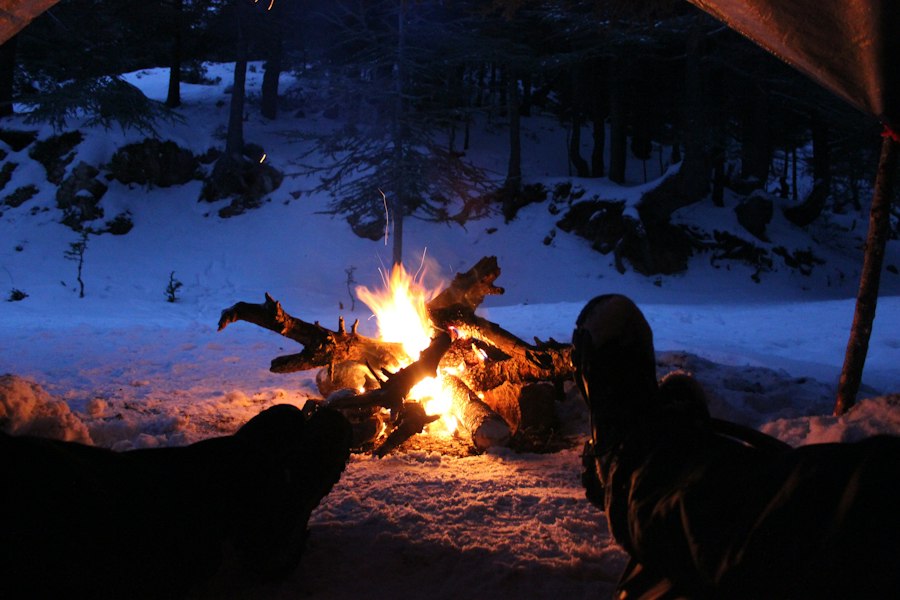
Once the foundation of well-prepared firewood is established, the next crucial step is the effective ignition and ongoing maintenance of the fire itself. This involves not just getting the fire started, but also ensuring it burns efficiently and safely throughout the storm.
The Crucial Role of Kindling and Tinder
The initial spark or flame needs something to catch onto before it can ignite the larger logs. This is where kindling and tinder come into play. Tinder is the most easily combustible material, designed to catch a flame from a match or lighter. Examples include dry leaves, shredded paper (avoiding glossy or heavily inked paper), cotton balls soaked in petroleum jelly, or commercially available fire starters. Kindling consists of small, dry twigs and split pieces of wood, progressively larger than the tinder.
Preparing Abundant Kindling
During a storm, having a ready supply of dry kindling is essential. It should be gathered and stored indoors or in a dry, accessible location. The best kindling is often made from splitting larger pieces of seasoned wood into thin, pencil-sized sticks. These provide more surface area for ignition and will quickly catch fire from the tinder. Avoid using wet or damp kindling, as it will smolder and produce smoke without effectively transferring heat to the larger fuel.
Layering for Success
A successful fire ignition often relies on proper layering. Start with a generous amount of tinder at the base of the firebox or hearth. Then, arrange the kindling loosely over the tinder, creating a small, airy structure. This allows oxygen to circulate, which is essential for combustion. Finally, introduce progressively larger pieces of split wood around the kindling, ensuring they are not packed too tightly, as this will stifle the flame.
Maintaining an Efficient Burn
Once the fire is lit, the goal shifts to maintaining an efficient burn that provides consistent heat without wasting fuel or creating excessive smoke. This involves understanding how to manage airflow and fuel replenishment.
Controlling Airflow
Fire requires oxygen to burn. The amount of airflow can be controlled through the damper in the fireplace or stove, and by adjusting the position of the logs. Opening the damper more will allow more air in, leading to a hotter, faster burn. Closing it down will reduce airflow, resulting in a slower, longer-lasting fire. During a storm, it is often beneficial to maintain a steady, moderate burn rather than an intensely hot fire, which consumes wood more rapidly. Finding the sweet spot for optimal airflow will maximize heat output and minimize fuel consumption.
Strategic Log Placement and Addition
The way logs are placed in the firebox and when new logs are added significantly impacts the burn. Avoid simply piling logs on top of each other. Instead, arrange them to allow for good airflow between them. Coals from a previous burn provide an excellent bed for igniting new logs. When adding new wood, place it on top of the existing hot coals. This allows the new wood to catch fire more easily. Avoid smothering the existing flames with too many new logs at once. Observe the fire; if it is starting to die down, it is time to add more fuel.
Safety First: Chimney Care and Carbon Monoxide Awareness

A roaring fire, while comforting, carries inherent risks, especially during prolonged use in a storm. Prioritizing safety is paramount to ensuring the fire remains a source of warmth and not a hazard.
The Importance of a Clean Chimney
Creosote, a flammable tar-like substance, builds up in chimneys as a byproduct of burning wood. This buildup can ignite, leading to a dangerous chimney fire. During a storm, when fires are burned more frequently and for longer durations, the risk of creosote accumulation increases.
Recognizing Signs of Chimney Buildup
Signs of significant creosote buildup include a strong, smoky smell emanating from the fireplace even when it is not in use, a visible black, tarry substance on the inside of the chimney flue, and a rattling or roaring sound when the fireplace is in operation. If any of these signs are present, it is a strong indication that the chimney needs to be cleaned.
Professional Inspection and Cleaning
While some minor creosote can be burned off with certain chemicals or by burning very hot fires, the safest and most effective way to deal with significant buildup is professional chimney cleaning. A certified chimney sweep has the tools and expertise to thoroughly clean the flue and inspect for any damage or blockages. Ideally, chimneys should be inspected and cleaned annually, but during a prolonged storm, a proactive check might be warranted if concerns arise.
Understanding and Preventing Carbon Monoxide Poisoning
Carbon monoxide (CO) is an odorless, colorless, and tasteless gas produced by the incomplete combustion of fossil fuels, including wood. It is a silent killer, and without proper ventilation and detection, it poses a serious threat during extended periods of fire use.
The Role of Ventilation
Adequate ventilation is crucial for preventing carbon monoxide buildup. This means ensuring that the fireplace or stove damper is fully open when the fire is burning and that there is sufficient airflow into the room. Keeping a window slightly ajar, even in a cold storm, can provide the necessary exchange of air. Modern, tightly sealed homes can exacerbate CO issues if not properly ventilated.
Installing and Maintaining Carbon Monoxide Detectors
The most effective defense against carbon monoxide poisoning is the installation and proper maintenance of carbon monoxide detectors. These devices are designed to sound an alarm if CO levels reach dangerous concentrations. Detectors should be installed on every level of the home, especially near sleeping areas. It is vital to test these detectors regularly and replace batteries as recommended by the manufacturer. During a winter storm, having working CO detectors provides an essential layer of protection.
Expanding Your Fire’s Capabilities: Supplemental and Emergency Uses
While the primary purpose of a fire during a winter storm is often warmth, its utility can extend beyond simply heating a living space. With foresight and preparation, a fire can become a vital resource for cooking and even for emergency signaling.
Cooking Over an Open Fire
In situations where the power is out for an extended period, the ability to cook food without electricity becomes a significant advantage. A well-managed fire can be adapted for this purpose, offering a primitive but effective cooking solution.
Creating a Safe Cooking Surface
Directly cooking over flames can be challenging and can lead to burnt food. A safer and more controllable cooking surface can be created by allowing the fire to burn down to a bed of hot coals. These coals provide consistent, radiant heat. A sturdy grate placed over the coals, or a cast-iron skillet or Dutch oven placed directly on the coals, can serve as a cooking surface.
Safe Food Preparation and Storage
When cooking with a fire, it is essential to maintain food safety. Ensure all cooking surfaces are clean and that food is cooked thoroughly to kill any harmful bacteria. Plan meals that are relatively simple to prepare and require minimal ingredients that might spoil without refrigeration. Storing any remaining cooked food or raw ingredients in a cool, safe place, away from the direct heat of the fire, is also important.
Utilizing Fire for Emergency Signaling
In extreme situations where rescue might be necessary, a fire can serve as a powerful signaling device. The smoke produced during the day and the light of the flames at night can attract attention from a distance.
Daytime Smoke Signals
During daylight hours, the most effective signal is smoke. By carefully adding green, leafy material or damp wood to a well-established fire, a large plume of white smoke can be generated. This contrasting color against a snowy landscape can be highly visible. Three distinct puffs of smoke are universally recognized as a distress signal.
Nighttime Light Signals
At night, the visible flames of a fire are the primary signaling method. To maximize visibility, the fire should be built in an open area where it can be seen from a distance. Again, three distinct, large fires arranged in a triangular pattern are an internationally recognized distress signal. Maintaining a fire large enough to be seen from afar requires a significant amount of fuel, so this is a strategy best reserved for dire emergencies.
As winter storms approach, it’s essential to know how to keep the fire alive and stay warm during harsh weather conditions. For those interested in understanding the broader implications of resilience in challenging times, you might find this article on Kurdistan’s quest for independence insightful. It highlights the importance of perseverance and community support, which can be just as vital when facing the elements. To read more about this topic, visit Kurdistan’s quest for independence.
Beyond the Hearth: Storing Fuel and Maintaining Equipment
| Metric | Value | Notes |
|---|---|---|
| Average Firewood Consumption | 5-7 kg/hour | Depends on fire size and wood type |
| Optimal Fire Temperature | 600-800 °C | Ensures efficient burning and heat output |
| Burn Time per Load | 1.5-3 hours | Varies with wood moisture and airflow |
| Recommended Wood Moisture Content | Below 20% | Drier wood burns better and produces less smoke |
| Airflow Rate | Moderate (adjustable) | Controls combustion rate and smoke |
| Safety Distance from Flammable Materials | At least 1 meter | Prevents accidental fires |
| Carbon Monoxide Levels | Should be minimal | Ensure proper ventilation to avoid poisoning |
| Fire Maintenance Frequency | Every 30-60 minutes | Adding wood and adjusting airflow |
The ongoing battle against the winter storm’s chill requires not only a well-managed fire but also the foresight to ensure continued access to fuel and the reliability of the equipment used to harness its power.
Protecting Your Firewood Reserve
Even the best-prepared woodpile can be compromised by the relentless onslaught of a prolonged storm. Proactive measures are needed to ensure the fuel remains dry and usable.
Reinforcing Coverings
If a tarp or other covering is used for the woodpile, ensure it is securely fastened. High winds can tear tarps, exposing the wood to snow and rain. Consider using ropes, bungee cords, or even heavy objects to keep the covering in place. If the covering is damaged, attempt to patch it or replace it as soon as it is safe to do so.
Creating a Secondary Indoor Stash
As mentioned earlier, having a small, readily accessible stash of dry kindling and smaller split pieces indoors is crucial. This should be replenished regularly from the main outdoor pile. Consider using a waterproof bin or container to store this indoor supply, protecting it from accidental spills or moisture within the house.
Maintaining Fireplace and Stove Integrity
The appliances that house and direct the fire are just as important as the fuel itself. Their proper functioning ensures safety and efficiency.
Checking for Blockages and Damage
Before and during a storm, it is prudent to visually inspect the fireplace or stove. Check the flue for any obvious blockages caused by debris, animal nests, or ice. Ensure that the damper operates smoothly and can be fully opened and closed. Look for any signs of damage to the firebox, stovepipe, or chimney that might have occurred due to the weather.
Ensuring Proper Draft
A good draft is essential for a fire to burn efficiently and safely. The draft is the upward movement of air and smoke through the chimney. A weak draft can lead to smoke backing up into the room. If the fire is not drawing well, check for obstructions in the chimney or ensure the damper is fully open. Sometimes, simply adding more fuel can help to create a stronger draft as the fire intensifies. If the draft remains poor, it may indicate a more significant issue with the chimney or ventilation system that requires professional attention after the storm has passed.
In conclusion, keeping a fire alive during a winter storm is a multi-faceted endeavor that requires careful planning, diligent execution, and a constant awareness of safety. From the foundational preparation of seasoned firewood and accessible stockpiles to the nuanced art of ignition and maintenance, each step plays a vital role. By understanding the importance of a clean chimney, recognizing the silent threat of carbon monoxide, and preparing for the fire’s supplemental uses, individuals can transform a potential ordeal into a period of relative comfort and security. The enduring flame, a symbol of resilience and ingenuity, becomes a powerful ally against the harsh realities of a winter storm when treated with respect and knowledge.