The flickering light of a campfire is a primal comfort, a beacon against the encroaching darkness. For our ancestors, it was more than just warmth and light; it was a lifeline, a tool, and a source of security. The ability to keep fire alive overnight, without the constant need to forage for fuel or painstakingly restart the flames each morning, was a monumental achievement. This skill, honed over millennia, involved a deep understanding of fuel types, ember management, and an intuitive grasp of airflow. Examining these prehistoric techniques offers a fascinating glimpse into the ingenuity and resourcefulness of early humans.
The Genesis of Overnight Fire Retention: Early Human Innovations
The earliest humans, likely around 1.5 million years ago, were probably reliant on natural fires for warmth and cooking. However, the ability to create and control fire was a game-changer, marking a significant evolutionary leap. The transition from simply using existing fires to actively maintaining them overnight was a gradual process, driven by the need for continuous warmth, protection from predators, and the ability to cook food more effectively. This development wasn’t a single eureka moment but a series of accumulated knowledge and refined practices.
The Crucial Role of Ember Preservation
At the heart of keeping fire alive overnight lies the concept of the ember. Unlike a roaring flame, which consumes fuel rapidly, embers are smoldering pieces of charcoal or wood that retain heat for extended periods. Prehistoric peoples understood that by carefully nurturing these glowing remnants, they could avoid the arduous task of fire ignition at dawn. This meant selecting the right wood, managing its combustion, and protecting the embers from wind and moisture. The discovery and mastery of ember preservation was a cornerstone of early human survival and technological advancement. It allowed for a more consistent use of fire, impacting everything from diet to social structures.
Early Evidence and Archaeological Insights
While direct archaeological evidence of overnight fire retention is scarce due to the ephemeral nature of embers and ash, indirect clues provide compelling support. The discovery of hearths, often found in protected locations like caves or rock shelters, suggests intentional and long-term fire use. The composition of ash deposits can also reveal patterns of fuel consumption, indicating sustained burning. Furthermore, the presence of tools associated with fire maintenance, such as poker-like sticks and specialized stones for grinding tinder, hints at the effort invested in keeping fires going. The sheer longevity of human occupation in certain sites, often associated with evidence of fire, underscores the importance of this technology.
The Social and Practical Implications of Sustained Fire
The ability to maintain a fire overnight had profound social and practical implications. It provided a constant source of warmth, crucial for surviving colder climates and extending human range. The light from the fire offered protection against nocturnal predators, making settlements safer and allowing for activities to continue after dark. Furthermore, it enabled the continuous cooking of food, potentially leading to improved nutrition and the development of new culinary techniques. This sustained resource likely fostered a greater sense of community, with people gathering around the hearth for warmth, storytelling, and shared activities, solidifying social bonds and the transmission of knowledge.
In prehistoric times, the ability to keep fire embers alive overnight was crucial for survival, as it allowed early humans to maintain warmth, cook food, and ward off predators. This practice not only showcased their ingenuity but also laid the groundwork for advancements in metallurgy and tool-making. For a deeper understanding of how ancient civilizations harnessed fire and developed metallurgical techniques, you can explore the article on ancient metallurgy techniques at Uncovering Lost Ancient Metallurgy Techniques.
Selecting the Right Fuel: The Foundation of Long-Lasting Embers
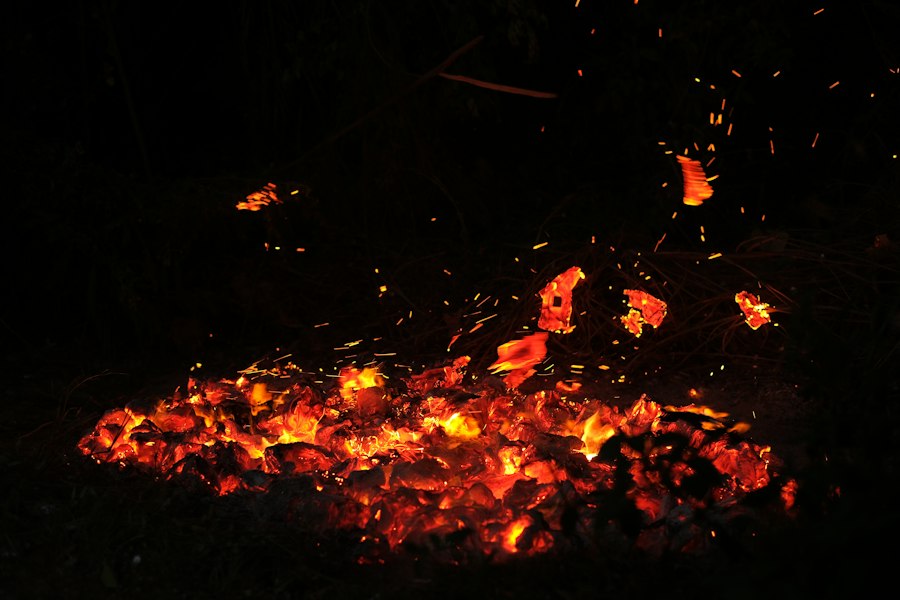
The cornerstone of keeping fire alive overnight was the judicious selection of fuel. Not all wood is created equal when it comes to producing enduring embers. Prehistoric peoples, through generations of observation and experimentation, developed an intimate knowledge of the combustion properties of various plant materials. Their choices were dictated by availability, climate, and the desired outcome – a slow, steady burn that would preserve heat.
Hardwoods vs. Softwoods: A Prehistoric Dilemma
Prehistoric fire keepers understood the fundamental difference between hardwoods and softwoods. Softwoods, like pine or fir, ignite easily and burn quickly, producing a vibrant flame but little in the way of long-lasting embers. Hardwoods, such as oak, maple, or beech, are denser and contain less resin. While they may be more challenging to ignite, they burn at a lower temperature and for a significantly longer duration, producing a bed of hot, glowing coals. The preference for hardwoods for overnight fires was a practical decision based on their superior ember-retention capabilities. A slow, smoldering burn from hardwood was far more valuable than a fleeting, intense flame.
The Role of Dense, Dry Wood
Beyond the broad classification of hardwood, the density and dryness of the wood were paramount. Prehistoric individuals likely sought out mature, seasoned wood that had been dried by the elements. Green wood contains a high moisture content, which needs to be evaporated before combustion can occur, leading to inefficient burning and a short-lived fire. Dense, dry hardwoods would smolder for hours, releasing their stored heat slowly. They would also be less prone to bursting into flames, which would rapidly consume them. Finding such wood often involved foraging for deadfall or carefully seasoning harvested wood over time.
Recognizing the Characteristics of Ideal Fuel
Prehistoric fire tenders would have developed a keen sense for identifying wood that possessed the ideal characteristics for overnight embers. This would involve more than just visual cues. They would likely have learned to judge the weight of wood to assess its dryness, to listen for the hollow sound of dry wood when tapped, and to feel the texture of the bark. The presence of certain types of fungi or moss could indicate moisture, making the wood unsuitable. They would also have been attuned to the subtle differences in how various woods burned when initially ignited, learning to predict which would hold their embers best. This empirical knowledge, passed down through generations, was invaluable.
Mastering Ember Management: The Art of Controlled Smoldering

Once the ideal fuel was secured, the next critical step was the art of ember management. This involved creating a concentrated mass of glowing embers and then carefully controlling their environment to prevent them from extinguishing prematurely. It was a delicate balance of supplying just enough oxygen to keep them smoldering without allowing them to burn too fiercely.
Creating the Ember Bed: A Deliberate Process
The process of building an effective ember bed would have been deliberate. After the main fire had died down, leaving a good base of coals, the fire keeper would have carefully gathered these glowing remnants into a compact pile. This concentration of heat was crucial. They would then strategically add small pieces of their chosen hardwood, allowing them to smolder and contribute to the ember mass. The goal was not to reignite a large flame but to foster a deep, glowing core that radiated heat. This might involve breaking larger pieces of wood into smaller, ember-friendly sizes to ensure even combustion.
Insulating the Embers: Protecting the Heat
Protection from the elements was as important as the embers themselves. Prehistoric peoples would have employed various methods to insulate their ember beds. A common technique was to cover the embers with a thick layer of ash. Ash acts as an excellent insulator, trapping heat and preventing the embers from losing too much temperature to the surrounding air. It also acts as a barrier against wind, which can quickly draw oxygen to the embers and cause them to burn too rapidly or be extinguished. In colder climates, they might have also used natural materials like large leaves, sod, or even packed earth to further insulate the hearth.
Controlling Airflow: The Breath of the Fire
The subtle manipulation of airflow was a key element in sustained ember smoldering. Too much air, and the embers would burn themselves out quickly. Too little, and they would extinguish entirely. Prehistoric fire keepers would have learned to control airflow by partially covering their ember beds, leaving just enough gaps for a gentle ingress of oxygen. They might use a flat stone, a piece of bark, or even their hand to regulate the air supply. The slow, rhythmic intake of air would keep the embers alive and glowing without encouraging a full flame. This required constant attention and an intuitive understanding of how the fire “breathed.”
Advanced Techniques and Protective Structures
As humans became more adept at fire management, they developed more sophisticated techniques and even constructed rudimentary protective structures to safeguard their precious embers. These advancements demonstrate a growing understanding of fire dynamics and a desire to optimize the process for greater reliability and efficiency.
The Use of Clay and Stone Structures
Evidence suggests that some prehistoric groups began to utilize materials like clay and stone to create more permanent hearths and protective structures. The construction of a stone-lined pit or a clay dome could serve multiple purposes. The stones and clay would absorb and radiate heat, helping to maintain the embers’ temperature. More importantly, these structures could provide a significant barrier against wind and rain, protecting the embers from the most common causes of premature extinction. Such engineered hearths represent a significant step up from simply covering embers with ash.
Creating “Fire Pots” and Portable Hearth Features
The concept of a “fire pot” or a portable hearth likely emerged as a way to transport embers and maintain fire on the move. This could involve a sturdy basket lined with clay or packed earth, or a hollowed-out log. Embers placed within these containers, carefully insulated, could be moved between campsites or used to rekindle a fire at a new location. This innovation would have been particularly valuable for nomadic groups, allowing them to carry the essential element of fire with them without the need for constant re-ignition. This demonstrates a sophisticated understanding of heat transfer and insulation.
Strategic Placement and Shelter
The placement of a fire and its ember bed was also a critical consideration. Prehistoric peoples would have chosen sheltered locations, such as the lee of a large rock, within a cave entrance, or beneath an overhang. These natural shelters provided a degree of protection from the wind and rain, reducing the amount of effort required to keep the embers alive. They would also have considered the orientation of the hearth to the prevailing winds, ensuring that drafts were minimized. The selection of a suitable location was an integral part of the overall strategy for overnight fire retention.
In prehistoric times, the ability to keep fire embers alive overnight was crucial for survival, providing warmth and protection from predators. This ancient skill allowed early humans to cook food and create a sense of community around the fire. For those interested in exploring more about survival techniques and their historical significance, a fascinating article can be found here, which delves into various aspects of preparedness and resilience in the face of challenges. Understanding these practices not only connects us to our ancestors but also informs modern survival strategies.
The Legacy of Prehistoric Fire Keeping: Lessons for Today
| Metric | Description | Typical Value / Range | Notes |
|---|---|---|---|
| Ember Temperature | Temperature range of embers kept alive overnight | 300°C – 600°C (572°F – 1112°F) | Maintains combustion without open flame |
| Fuel Type | Material used to sustain embers | Hardwood charcoal, dry twigs, bark | Dense hardwood preferred for longer burn |
| Oxygen Flow | Amount of air allowed to reach embers | Minimal, controlled airflow | Too much airflow causes flames; too little causes extinguishing |
| Insulation Method | Technique to retain heat and protect embers | Covering with ash, soil, or leaves | Prevents heat loss and protects from wind |
| Duration | Time embers can be kept alive overnight | 8 – 12 hours | Depends on fuel and insulation quality |
| Rekindling Ease | Effort required to revive embers into flame | Low to moderate | Properly maintained embers ignite quickly |
The prehistoric techniques for keeping fire embers alive overnight, though seemingly simple, represent a profound understanding of natural principles and a remarkable display of human ingenuity. These methods, honed through millennia of trial and error, offer valuable lessons that resonate even in our modern world.
The Importance of Resourcefulness and Observation
The primary takeaway from prehistoric fire keeping is the paramount importance of resourcefulness and keen observation. Our ancestors did not have access to modern tools or manufactured igniters. They relied on their innate ability to observe the natural world, to understand the properties of different materials, and to adapt their techniques accordingly. This emphasis on direct experience and empirical knowledge is a powerful reminder of the value of understanding the fundamentals.
Simplicity and Efficiency in Practice
The effectiveness of prehistoric fire keeping lies in its inherent simplicity and efficiency. By focusing on the core principles of ember preservation and controlled smoldering, they achieved a remarkable level of success. This stands in contrast to some modern approaches that might rely on complex gadgets or excessive fuel consumption. The prehistoric methods demonstrate that often, the most elegant solutions are the most effective.
A Connection to Ancestral Skills and the Natural World
Learning about these ancient techniques provides a tangible connection to our ancestral past and a deeper appreciation for the natural world. It allows us to step back from our reliance on technology and engage with the fundamental elements of survival. Understanding how our forebears sustained life through fire can foster a sense of respect for the natural resources we often take for granted and inspire a more mindful approach to their use. This knowledge can also inform modern bushcraft and survival skills, offering practical applications for those who seek to reconnect with more primitive ways of living. The continuity of this knowledge, from ancient hearths to modern campfires, highlights its enduring significance.

Life 20,000 Years Ago: How Humans Survived the Ice Age
FAQs
Can fire embers be kept alive overnight?
Yes, it is possible to keep fire embers alive overnight by following certain techniques and practices.
What are some prehistoric methods for keeping fire embers alive overnight?
Prehistoric methods for keeping fire embers alive overnight include burying the embers in ashes, using a fire pit with good ventilation, and adding certain types of wood that burn slowly.
Why would prehistoric people want to keep fire embers alive overnight?
Prehistoric people would keep fire embers alive overnight for various reasons such as warmth, protection from predators, cooking food, and as a source of light.
What materials were commonly used by prehistoric people to keep fire embers alive overnight?
Prehistoric people commonly used materials such as dry wood, animal dung, and dried grass to keep fire embers alive overnight.
Are there any modern techniques inspired by prehistoric methods for keeping fire embers alive overnight?
Yes, some modern techniques for keeping fire embers alive overnight are inspired by prehistoric methods, such as using a Dutch oven or a slow-burning stove.