
Global markets, a complex tapestry woven from the threads of international commerce, are perpetually shaped by the ebb and flow of trade policies. These decisions, crafted in the halls of government and debated in international forums, act as powerful currents, redirecting the flow of goods, services, and capital across borders. Understanding these key trade policy changes is crucial for navigating the ever-shifting economic landscape. This article will delve into some of the most significant recent shifts, examining their underpinnings, their immediate effects, and their potential long-term implications for businesses, consumers, and nations alike.
A defining characteristic of recent global trade policy has been a discernible shift away from multilateralism and towards more protectionist measures. This trend, often framed as a response to domestic economic anxieties and a desire to safeguard national industries, has manifested in a variety of forms, each with its own set of implications.
Tariffs: The Blunt Instrument of Trade Restriction
The imposition of tariffs, duty taxes levied on imported goods, has been a prominent tool in the recent protectionist arsenal. These tariffs, often implemented under the guise of national security or to address perceived unfair trade practices, serve to increase the cost of imported products, ostensibly making domestic alternatives more competitive.
Understanding the Rationale Behind Tariff Hikes
Governments implementing tariffs often cite a desire to reduce trade deficits, protect nascent domestic industries from foreign competition, or retaliate against tariffs imposed by other nations. The argument is that by making imports more expensive, domestic production will be stimulated, leading to job creation and economic growth.
The Ripple Effect of Increased Import Duties
However, tariffs are not a simple lever that only affects imported goods. They create ripple effects throughout the economy. Importers face higher costs, which are often passed on to consumers in the form of higher prices. Businesses that rely on imported components for their manufacturing processes also experience increased production costs, potentially impacting their competitiveness both domestically and internationally. Furthermore, retaliatory tariffs by trading partners can lead to a tit-for-tat escalation, harming both economies. The metaphor of a boomerang comes to mind; what is thrown outwards with the intention of striking another can, in fact, return with unexpected force to harm the thrower.
Non-Tariff Barriers: The Subtle Art of Hindrance
Beyond direct tariffs, a suite of non-tariff barriers (NTBs) has emerged as a significant impediment to global trade. These barriers, often more subtle and complex than tariffs, can include stringent regulatory standards, complex customs procedures, quotas, and subsidies for domestic industries.
Regulatory Divergence as a Form of Protection
One pervasive NTB is the increasing divergence in regulatory standards. As nations set their own rules for product safety, environmental protection, and labor standards, these can become de facto barriers to trade. A product that is perfectly compliant in one market might require significant modification to meet the standards of another, adding considerable cost and complexity for exporters.
The Labyrinth of Customs and Administrative Hurdles
Bureaucratic hurdles and complex customs procedures can also act as significant barriers. Lengthy inspection processes, opaque paperwork requirements, and inconsistent application of rules can create delays, increase costs, and deter businesses, particularly smaller ones with limited resources to navigate such complexities.
Recent trade policy changes have significant implications for global markets, influencing everything from tariffs to import regulations. For a deeper understanding of these shifts and their potential impact on international trade dynamics, you can read a related article that explores the nuances of current trade agreements and their effects on various industries. Check it out here: Trade Policy Changes and Their Impact.
The Shifting Sands of Geopolitical Alignments and Trade Blocs
The global trade landscape is not solely shaped by economic considerations; geopolitical realities play an equally, if not more, significant role. Emerging geopolitical tensions and a recalibration of existing alliances are profoundly impacting trade flows and the very structure of global trade agreements.
The Rise of Strategic Trade Alliances and Economic Blocs
In response to perceived threats and opportunities, nations are increasingly forming or strengthening strategic trade alliances and economic blocs. These groupings aim to deepen economic integration among member states, often through preferential trade agreements that reduce or eliminate tariffs and other barriers to trade within the bloc.
Examining the Motivations Behind Bloc Formation
The motivations behind these blocs are multifaceted. They can serve to bolster economic resilience, create larger, more integrated markets for domestic producers, and enhance the collective bargaining power of member states in international trade negotiations. They can also be driven by a desire to counter the influence of other major economic powers or to forge stronger political ties.
The Impact on Extraterritorial Trade
The creation and expansion of these blocs can have a significant impact on trade with countries outside the bloc. As preferential agreements take hold, goods from non-member nations may face higher tariffs or more stringent requirements, potentially diverting trade away from more efficient global suppliers towards less efficient bloc members. This can lead to the fragmentation of global supply chains and a less dynamic international marketplace.
The Weaponization of Trade Policy in Geopolitical Disputes
Increasingly, trade policy is being employed as a tool in broader geopolitical disputes. Sanctions, export controls, and the use of trade disputes as leverage in negotiations are becoming more commonplace, demonstrating how economic instruments can be wielded for strategic advantage.
Sanctions and Export Controls: The Economic Arms Race
Sanctions, imposed to punish or coerce a target nation, can effectively sever trade ties, disrupting supply chains and impacting economies on both sides. Similarly, export controls, particularly on sensitive technologies, can be used to limit the technological advancement of rival nations. This creates an environment of uncertainty and can lead to a costly arms race in technological innovation and economic resilience.
Trade Disputes as Diplomatic Levers
Trade disputes, even those with ostensibly economic roots, are often intertwined with broader diplomatic objectives. The threat of tariffs or trade restrictions can be used to pressure other nations on issues ranging from human rights to territorial disputes. This blurring of lines between economic and diplomatic policy adds another layer of complexity to the global trade environment.
The Digital Revolution and its Trade Policy Implications
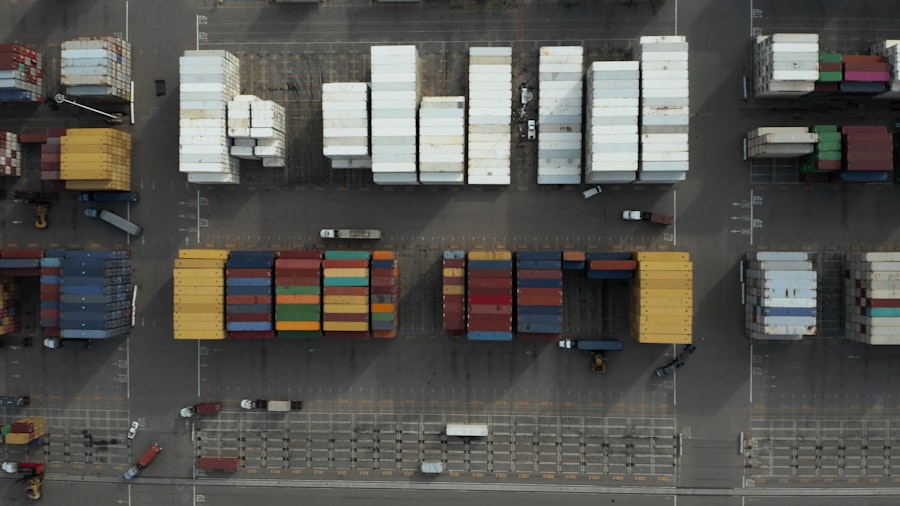
The rapid advancement of digital technologies has opened up new frontiers for trade, but it has also presented policymakers with unprecedented challenges. The flow of data, digital services, and the rise of e-commerce necessitate a reimagining of traditional trade policy frameworks.
Data Localization and Cross-Border Data Flows
One of the most contentious issues in digital trade policy revolves around data localization requirements. Many nations are enacting laws that mandate data generated within their borders be stored and processed domestically. While proponents argue this is necessary for national security and privacy, critics contend it erects significant barriers to the global trade of digital services.
The Rationale for Data Sovereignty
The push for data localization stems from concerns about the privacy of citizens’ data, the potential for foreign governments to access sensitive information, and the desire to foster domestic digital industries. The idea of “data sovereignty” suggests that a nation has the right to control data generated within its territory.
The Chilling Effect on Digital Trade
However, imposing strict data localization rules can create significant hurdles for companies that rely on seamless cross-border data flows to operate their digital services. Cloud computing, online advertising, and numerous other digital businesses are built on the ability to process and store data wherever it is most efficient. Such regulations can fragment the internet, increase costs, and stifle innovation in the digital economy.
E-commerce and the Challenge of Taxation and Regulation
The explosive growth of e-commerce has also presented significant policy challenges, particularly in the areas of taxation and consumer protection. Traditional tax frameworks, designed around physical borders, struggle to adequately capture revenue from online transactions.
Navigating the Complexities of Online Taxation
Determining where to tax online sales and how to enforce these taxes across jurisdictions is a complex undertaking. International bodies and individual nations are grappling with how to ensure a “level playing field” between online and brick-and-mortar retailers and how to prevent tax avoidance by multinational e-commerce giants.
Consumer Protection in the Digital Marketplace
Ensuring consumer protection in the burgeoning online marketplace is another critical policy area. Issues such as product authenticity, dispute resolution for online purchases, and the protection of consumer data are at the forefront of regulatory discussions. Establishing clear and enforceable rules for online transactions is essential for fostering trust and sustained growth in e-commerce.
The Evolving Landscape of Supply Chains and Resilience Strategies

Recent global events, from the COVID-19 pandemic to geopolitical disruptions, have exposed the vulnerabilities inherent in complex, globally integrated supply chains. This has prompted a significant reevaluation of these chains and the emergence of new trade policy strategies focused on resilience.
Diversification and Reshoring: A Dual Approach to Risk Mitigation
Businesses and governments are actively pursuing strategies to mitigate supply chain risks. Diversification, spreading production and sourcing across multiple countries, is a key strategy. Simultaneously, there is a growing trend towards “reshoring” or “near-shoring” certain critical production activities back to domestic or neighboring countries.
The Imperative of Supply Chain Diversification
The rationale for diversification is straightforward: by not having all one’s eggs in a single basket, the impact of disruptions in any one location is lessened. This requires a more distributed manufacturing and sourcing model, even if it means increased complexity and potentially higher initial costs.
The Reshoring Debate: Costs vs. Security
The move towards reshoring is more contentious. While it can enhance national security by ensuring access to critical goods and technologies, it often comes at a higher cost due to differences in labor, regulatory, and operational expenses. However, the desire for greater control and less reliance on potentially volatile overseas markets is a powerful driver.
Industrial Policy and Strategic Sector Development
Governments are increasingly adopting industrial policies to promote the development of strategic sectors deemed vital for national economic security and competitiveness. This can involve direct subsidies, tax incentives, and preferential procurement policies aimed at fostering domestic champions in areas such as advanced manufacturing, semiconductors, and renewable energy.
The Rationale for Targeted Industrial Support
The argument for industrial policy is that certain sectors are critical for long-term economic growth and national security and require government support to overcome market failures and compete on a global stage. This can be seen as a necessary intervention to ensure a nation’s future prosperity and technological independence.
Potential Pitfalls and Competitive Distortions
However, industrial policies can also lead to market distortions, protectionism, and accusations of unfair competition from trading partners. The risk of picking winners and losers incorrectly, or of creating inefficient domestic industries through excessive protection, is a significant concern. The success of such policies often hinges on astute implementation and a clear understanding of global market dynamics.
Recent trade policy changes have sparked significant discussions among economists and policymakers, particularly regarding their impact on global markets. For those interested in exploring this topic further, a related article can provide valuable insights into the implications of these changes on various industries. You can read more about it in this informative piece on trade dynamics at Real Lore and Order. Understanding these shifts is crucial for businesses and consumers alike as they navigate the evolving landscape of international trade.
The Rise of Regional Trade Agreements and their Global Implications
| Year | Country | Policy Change | Tariff Rate Change (%) | Impact on Exports (%) | Impact on Imports (%) | Notes |
|---|---|---|---|---|---|---|
| 2022 | United States | Increased tariffs on steel and aluminum | +15 | -5 | -10 | Retaliatory tariffs from trading partners |
| 2023 | China | Reduced tariffs on electronic components | -8 | +12 | +7 | Boost to tech manufacturing exports |
| 2023 | European Union | Implemented carbon border adjustment mechanism | Varies by sector | -2 | -3 | Aimed at reducing carbon emissions in imports |
| 2024 | India | Increased tariffs on agricultural imports | +10 | +4 | -15 | Protecting domestic farmers |
| 2024 | Brazil | Signed new free trade agreement with Mercosur partners | -5 | +8 | +6 | Facilitated regional trade |
While multilateral trade agreements have faced challenges, the landscape of regional trade agreements (RTAs) has continued to evolve, with new agreements being forged and existing ones being strengthened. These RTAs, by their nature, create preferential trading relationships among a defined group of countries, with significant implications for the broader global trading system.
Deepening Integration Within Regional Blocs
Existing blocs, such as the European Union and ASEAN, continue to pursue deeper economic integration among their members. This often involves removing remaining barriers to trade in goods and services, harmonizing regulations, and fostering greater investment flows within the bloc. The goal is to create more seamless and efficient markets for member economies.
The Benefits of Internal Market Harmonization
The benefits of such integration can be substantial, leading to increased economies of scale, greater competition, and improved efficiency for businesses operating within the bloc. Consumers can also benefit from a wider variety of goods and services at potentially lower prices.
External Trade Implications of Bloc Expansion
However, the deepening of these blocs also has external implications. As internal trade barriers fall, external trade can become less competitive. This can lead to trade diversion, where trade shifts from more efficient non-member suppliers to less efficient member suppliers due to preferential treatment. The expansion of blocs can thus reshape global trade patterns, concentrating trade within specific geographical or economic spheres.
The Proliferation of Bilateral and Plurilateral Agreements
Beyond large, integrated blocs, there has been a notable proliferation of bilateral trade agreements (between two countries) and plurilateral agreements (among a subset of countries). These agreements allow for more tailored and specific trade arrangements, often addressing unique economic linkages and priorities between the participating nations.
Tailoring Trade to Specific Economic Linkages
Bilateral and plurilateral agreements offer a degree of flexibility that is often difficult to achieve in broad multilateral negotiations. They can be used to address sector-specific issues, harmonize standards in niche areas, or liberalize trade in services where there are strong economic interdependencies.
The Fragmentation of the Global Trade Order
The sheer number and variety of these agreements can, however, lead to a complex and fragmented global trade order. Businesses must navigate a patchwork of different rules, regulations, and tariff regimes, which can increase compliance costs and create uncertainty. This intricate web of agreements can sometimes prove more challenging to untangle than a simpler, more unified system.
In conclusion, the global trade policy landscape is a dynamic and ever-changing arena. The resurgence of protectionist sentiments, the recalibration of geopolitical alliances, the transformative impact of digital technologies, and the strategic redefinition of supply chains are all powerful forces reshaping international commerce. Navigating this complex terrain requires a keen understanding of these key policy shifts and their intricate interplay. Businesses and policymakers alike must remain agile, adaptable, and forward-thinking to thrive in this evolving global marketplace.
FAQs
What is trade policy?
Trade policy refers to the set of rules, regulations, and agreements that a country uses to govern its international trade. It includes tariffs, import and export restrictions, trade agreements, and other measures that affect the flow of goods and services across borders.
Why do countries change their trade policies?
Countries may change their trade policies to protect domestic industries, respond to economic conditions, comply with international agreements, address trade imbalances, or promote economic growth. Changes can also be influenced by political considerations or shifts in global trade dynamics.
What are common types of trade policy changes?
Common trade policy changes include adjusting tariff rates, implementing or removing quotas, entering or withdrawing from trade agreements, imposing sanctions or embargoes, and modifying customs procedures or standards.
How do trade policy changes impact the economy?
Trade policy changes can affect prices, employment, and competitiveness in various sectors. For example, increasing tariffs may protect local industries but can lead to higher consumer prices. Conversely, reducing trade barriers can encourage competition and innovation but may challenge domestic producers.
What role do international organizations play in trade policy changes?
International organizations like the World Trade Organization (WTO) provide a framework for negotiating trade rules and resolving disputes. They encourage member countries to adhere to agreed-upon standards and can influence trade policy changes by promoting fair and predictable trade practices.