
The Late Bronze Age Mediterranean, a period roughly spanning from 1600 BCE to 1200 BCE, was a vibrant and dynamic era characterized by an intricate web of interconnected civilizations. Far from being isolated entities, these societies engaged in extensive trade, diplomacy, and cultural exchange, weaving a rich tapestry of shared ideas, technologies, and artistic expressions across the vast expanse of the Mediterranean Sea. This period witnessed the zenith of several prominent cultures, each contributing unique threads to the overarching narrative of the ancient world. From the palatial centers of the Aegean to the sophisticated empires of the Near East, the Late Bronze Age Mediterranean stands as a testament to the power of connectivity and the enduring legacy of human ingenuity.
The Aegean world during the Late Bronze Age was dominated by a series of powerful palatial centers, most notably the Minoan civilization on Crete and the Mycenaean civilization on mainland Greece. These civilizations, though distinct in their origins and cultural nuances, shared a remarkable reliance on centralized, palace-based economies and a sophisticated administration.
The Minoan Flourishing: A Maritime Powerhouse
The Minoan civilization, centered on the island of Crete, emerged as a dominant maritime force during the Middle and Late Bronze Age. Their influence extended far beyond the island’s shores, a testament to their advanced seafaring capabilities and their mastery of long-distance trade. The iconic palaces of Knossos, Phaistos, and Malia were not merely royal residences but complex administrative, economic, and religious hubs. These sprawling structures, with their labyrinthine corridors, vibrant frescoes, and sophisticated plumbing systems, offer a glimpse into the opulence and organization of Minoan society.
The Minoans were renowned for their artistic prowess. Their frescoes, depicting scenes of nature, religious rituals, and everyday life, are characterized by their fluidity, naturalism, and vibrant colors. Marine life, bull-leaping, and processions are recurring motifs, suggesting a deep connection to the sea and a rich ceremonial culture. Their distinctive pottery, often adorned with polychrome designs of marine creatures and geometric patterns, was highly sought after throughout the Mediterranean, further solidifying their trading network.
Economically, the Minoan civilization was heavily reliant on maritime trade. They exported agricultural products, olive oil, wine, and luxury goods such as ceramics, textiles, and precious metals. In return, they imported raw materials like copper, tin, ivory, and exotic stones. This extensive trade network facilitated not only economic prosperity but also the dissemination of Minoan culture, influencing art, architecture, and religious practices in neighboring regions, particularly mainland Greece.
The Rise of the Mycenaeans: Warriors and Administrators
On mainland Greece, the Mycenaean civilization rose to prominence, drawing heavily on Minoan precedents but forging its own distinct identity. While also characterized by palatial centers, such as Mycenae, Tiryns, and Pylos, the Mycenaean palaces exuded a more militaristic aura. Fortifications, like the formidable Lion Gate at Mycenae, speak to a society that valued defense and military strength.
Mycenaean society was hierarchical, with a warrior aristocracy at its apex. Linear B tablets, the earliest form of Greek writing, discovered in administrative archives, reveal a complex bureaucratic system responsible for managing resources, collecting tribute, and organizing labor. These tablets provide invaluable insights into their economy, which was based on agriculture, animal husbandry, and crafts. They also indicate a significant military organization, with records of chariots, weaponry, and the mobilization of troops.
The Mycenaeans were skilled metalworkers, particularly in bronze, which gave them their name. They produced a wide range of weapons, armor, and tools, as well as exquisite gold artifacts, exemplified by the famous “Mask of Agamemnon.” Their pottery, while influenced by Minoan styles, developed its own distinct motifs, often featuring more stylized and narrative scenes, including depictions of warfare and hunting.
The relationship between the Minoans and Mycenaeans was complex, likely involving periods of both cooperation and conflict. While the Mycenaeans were initially influenced by Minoan culture, they eventually became the dominant power in the Aegean, with evidence suggesting a Mycenaean takeover of Minoan Crete around 1450 BCE. This transition marked a significant shift in the Aegean power balance, with Mycenaean influence spreading further.
The Late Bronze Age Mediterranean civilizations were marked by significant advancements in trade, culture, and technology, which laid the groundwork for future societies. An intriguing aspect of this era is the role of astronomy in shaping their understanding of the world. For a deeper exploration of how ancient civilizations utilized astronomical knowledge, you can read the article “Uncovering Ancient Astronomy Secrets” at this link. This article delves into the astronomical practices and beliefs that influenced various cultures during the Late Bronze Age, shedding light on their remarkable achievements.
The Grandeur of the Near Eastern Empires
Beyond the Aegean, the Late Bronze Age witnessed the flourishing of powerful empires in the Near East, whose influence rippled across the Mediterranean. These empires, characterized by their vast territories, sophisticated administrations, and monumental architecture, played a crucial role in shaping the political and economic landscape of the era.
The Hittite Empire: Masters of Anatolia and Diplomacy
The Hittite Empire, centered in Anatolia, emerged as a formidable military and political power during the Late Bronze Age. Their mastery of ironworking, though still in its nascent stages, provided them with a significant technological advantage, particularly in warfare. The Hittites were renowned for their chariot warfare and their formidable infantry, which allowed them to conquer vast territories and challenge the established powers of the region.
The Hittite capital of Hattusa was a monumental city, boasting impressive fortifications, temples, and royal palaces. Their administration was highly centralized, with a complex legal system and a bureaucracy that managed a vast empire. The Hittites were also skilled diplomats, engaging in extensive treaty-making and alliances with other major powers, most notably Egypt. The famous Treaty of Kadesh, signed with Ramses II of Egypt, is one of the earliest surviving peace treaties in history, a testament to their diplomatic acumen.
Hittite art and architecture, while bearing some Mesopotamian and Syrian influences, developed its own distinct style. Their monumental stone reliefs, often depicting religious processions, royal ceremonies, and mythological scenes, are characterized by their robust and powerful imagery. The Hittites were also accomplished metalworkers, producing bronze and gold artifacts, though their true innovation lay in their early adoption of iron technology.
The Egyptian New Kingdom: A Golden Age of Power and Prosperity
The Egyptian New Kingdom, spanning from the 16th to the 11th centuries BCE, represents one of the most glorious periods in ancient Egyptian history. This era was characterized by imperial expansion, immense wealth, and unprecedented artistic and architectural achievements. Pharaohs like Hatshepsut, Thutmose III, and Ramses II presided over an era of great power, extending Egyptian influence throughout the Levant and engaging in extensive trade and diplomatic relations with neighboring states.
The monumental temples of Karnak and Luxor, as well as the elaborate tombs in the Valley of the Kings, stand as enduring testaments to the wealth and power of the New Kingdom. Egyptian art of this period is renowned for its distinctive style, characterized by its adherence to rigid conventions, its vibrant colors, and its focus on religious and royal iconography. Wall paintings, reliefs, and statues depict pharaohs as divine rulers, interacting with gods and securing order for their kingdom.
Egyptian economy was primarily agricultural, with the Nile River providing fertile land for cultivation. However, their empire also thrived on extensive trade, both within Egypt and with foreign lands. Egypt imported timber, precious metals, and exotic goods, while exporting grain, papyrus, and manufactured goods. Their influence was felt across the Mediterranean, with Egyptian artifacts found in numerous archaeological sites, and Egyptian deities being venerated in some foreign lands.
The Crossroads of Trade and Diplomacy
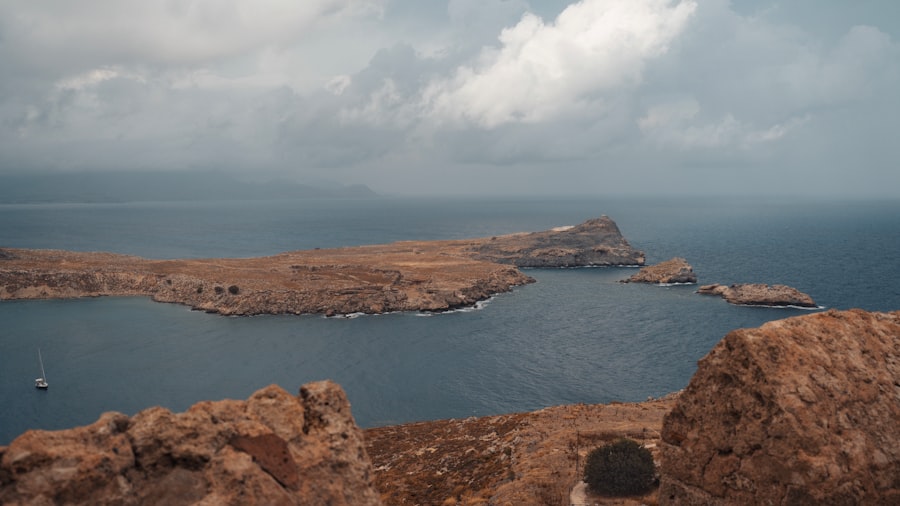
The Late Bronze Age Mediterranean was a vibrant marketplace where goods, ideas, and technologies flowed across vast distances. This interconnectedness was facilitated by a complex network of trade routes, both maritime and terrestrial, which brought together diverse cultures and fostered a degree of interdependence.
Maritime Networks: The Arteries of Exchange
The Mediterranean Sea itself served as the primary highway for inter-civilizational exchange. Phoenician, Minoan, and later Mycenaean mariners were instrumental in establishing and maintaining these maritime networks. Ships, built with sophisticated shipbuilding techniques, plied the waters, carrying a diverse array of commodities.
Copper, essential for bronze production, was a particularly valuable commodity, with sources in Cyprus and Anatolia being crucial. Tin, another vital component of bronze, was sourced from more distant regions, possibly as far west as Britain, highlighting the extraordinary reach of Late Bronze Age trade. Other traded goods included grain, wine, olive oil, textiles, pottery, precious metals, and luxury items such as ivory, ebony, and aromatic resins.
The discovery of shipwrecks, such as the Uluburun shipwreck off the coast of Turkey, provides tangible evidence of the scale and complexity of these maritime trade networks. The Uluburun wreck, dating to the late 14th century BCE, contained a cargo of over 10 tons of copper, more than a ton of tin, ebony logs, ivory, gold, and a wide array of pottery and other artifacts from across the Eastern Mediterranean, demonstrating the vast distances and diverse origins of the goods exchanged.
Diplomatic Ties and Inter-State Relations
Beyond trade, the Late Bronze Age was also characterized by a sophisticated system of diplomacy and inter-state relations. The major powers, such as Egypt, the Hittite Empire, and the Mycenaean kingdoms, engaged in regular diplomatic exchanges, often involving the exchange of ambassadors, lavish gifts, and marriage alliances. The Amarna Letters, a collection of diplomatic correspondence found at the Egyptian city of Amarna, offer unparalleled insight into these inter-state relations, revealing a complex web of alliances, rivalries, and requests for aid among the rulers of the Late Bronze Age world.
These diplomatic exchanges were not merely ceremonial; they were crucial for maintaining stability, securing trade routes, and resolving disputes. The constant threat of conflict, however, meant that military preparedness was always a paramount concern, and alliances were often forged with a clear understanding of mutual defense.
The Shared Cultural Landscape

Despite their individual distinctions, the civilizations of the Late Bronze Age Mediterranean shared a common cultural substratum that manifested in various aspects of their lives, from religious beliefs and artistic conventions to technological innovations.
Religious Syncretism and Shared Deities
Religious beliefs and practices, while possessing unique local characteristics, also exhibited a degree of syncretism and shared deities across the Mediterranean. Evidence suggests that deities associated with fertility, the sky, and the sea were venerated by multiple cultures. For instance, the Great Goddess figure, with her various epithets, appears in different forms across the Aegean and the Near East, highlighting a common reverence for feminine divine power.
The elaborate rituals and temple complexes found in Minoan, Mycenaean, and Near Eastern sites underscore the central role of religion in these societies. The exchange of religious ideas and iconography likely occurred through trade and diplomatic interactions, leading to a gradual blending and adaptation of divine concepts and worship practices.
Artistic Innovations and Stylistic Influences
The artistic output of the Late Bronze Age Mediterranean reveals a fascinating interplay of influences. While each civilization developed its own distinct style, there were also clear instances of cross-pollination. Minoan art, with its emphasis on naturalism and fluidity, had a profound impact on early Mycenaean art. Later, Mycenaean motifs and techniques, in turn, found their way into the art of other regions.
The shared use of materials such as bronze, gold, and precious stones, as well as common techniques in fresco painting, pottery production, and metalworking, further underscores the interconnectedness of these cultures. The development of writing systems, such as Minoan Linear A (still largely undeciphered) and Mycenaean Linear B, while serving distinct linguistic purposes, also reflects a shared interest in record-keeping and administration, a hallmark of complex Bronze Age societies.
The Late Bronze Age Mediterranean civilizations were marked by their intricate trade networks and cultural exchanges, which significantly influenced their development. A fascinating exploration of this era can be found in an article that delves into the mysterious secrets of ancient palace ruins. This piece highlights how these architectural remnants provide insight into the social and political dynamics of the time. For more information, you can read the article here.
The Decline and Legacy
| Civilization | Location | Major Cities | Notable Achievements |
|---|---|---|---|
| Mycenaean Greece | Mainland Greece | Mycenae, Tiryns, Pylos | Palace complexes, Linear B writing system |
| Minoan Crete | Crete | Knossos, Phaistos, Malia | Palace of Knossos, vibrant frescoes, advanced trade network |
| Hittite Empire | Anatolia (modern-day Turkey) | Hattusa, Sapinuwa, Carchemish | Iron production, diplomatic treaties, military campaigns |
| Phoenician Civilization | Levant, Mediterranean coast | Tyre, Sidon, Byblos | Seafaring, trade network, alphabet |
The Late Bronze Age Mediterranean world, despite its vibrancy and interconnectedness, was not immune to eventual decline. Around 1200 BCE, a period of widespread societal collapse, often referred to as the Late Bronze Age Collapse, occurred, leading to the decline or destruction of many major civilizations. The exact causes of this collapse are debated among scholars and likely involved a complex interplay of factors, including climate change, widespread invasions by mysterious groups often referred to as the “Sea Peoples,” internal rebellions, and economic disruption.
However, the legacy of these Late Bronze Age civilizations endured. The innovations in writing, metallurgy, seafaring, and administration laid the groundwork for future developments in the ancient world. The artistic styles, religious concepts, and myths that emerged from this era continued to influence subsequent cultures for centuries. The intricate cultural tapestry woven by these ancient peoples serves as a powerful reminder of the enduring human drive for connection, innovation, and the creation of complex and sophisticated societies. The Late Bronze Age Mediterranean was a crucible of civilization, shaping the trajectory of human history in profound and lasting ways.
How Scientists Found Neanderthals Where There Were No Bones
FAQs
What were the Late Bronze Age Mediterranean civilizations?
The Late Bronze Age Mediterranean civilizations were a group of advanced societies that flourished around the Mediterranean Sea from approximately 1600 BCE to 1100 BCE. These civilizations included the Mycenaeans in Greece, the Minoans on the island of Crete, the Hittites in Anatolia, and the Egyptians.
What were the key characteristics of these civilizations?
These civilizations were known for their advanced urban centers, sophisticated art and architecture, extensive trade networks, and complex political and social structures. They also developed writing systems, such as Linear B for the Mycenaeans and Linear A for the Minoans, and left behind rich archaeological remains.
What were the major achievements of these civilizations?
The Late Bronze Age Mediterranean civilizations made significant contributions to the development of early Western civilization. They were skilled in metalworking, particularly in bronze, and produced intricate pottery and artwork. They also engaged in long-distance trade, exchanging goods such as pottery, textiles, and precious metals.
What led to the decline of these civilizations?
The Late Bronze Age Mediterranean civilizations experienced a period of upheaval and decline around 1200 BCE, often referred to as the Bronze Age Collapse. This decline was likely caused by a combination of factors, including invasions by the Sea Peoples, internal unrest, and environmental changes such as droughts and earthquakes.
What is the legacy of these civilizations?
Despite their eventual decline, the Late Bronze Age Mediterranean civilizations left a lasting impact on the development of Western civilization. Their art, architecture, and writing systems influenced later cultures, and their trade networks laid the foundation for the interconnected world of the ancient Mediterranean.