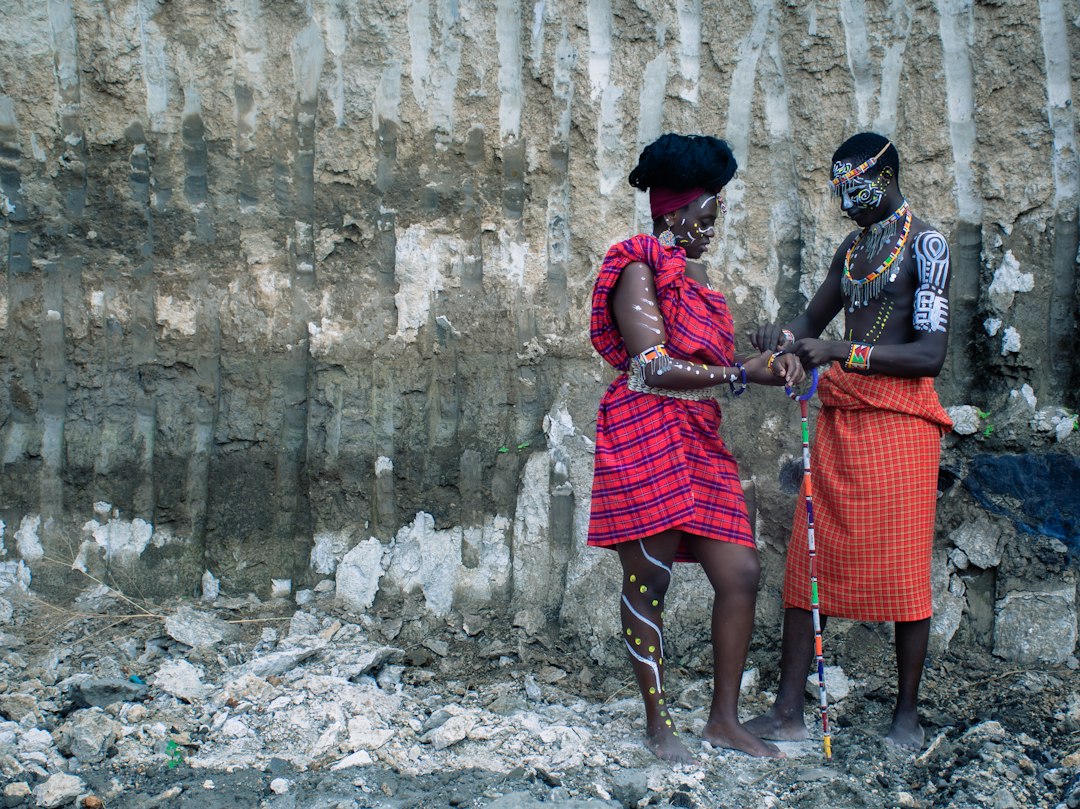
The biting wind whipped across the savanna, carrying the scent of rain and, more importantly, the faint, yet distinct, aroma of smoke. For a lone band of hominids, this was the smell of opportunity, a beacon in the vast, unforgiving wilderness. Survival in the Stone Age was a precarious dance, and while individual prowess was vital, the ability to forge alliances with other, unknown groups – stranger tribes – could mean the difference between thriving and succumbing to the myriad dangers of their world. Learning to trust these unfamiliar kin was not a matter of sentiment; it was a fundamental survival strategy, a complex negotiation of risk and reward etched into the very fabric of prehistoric existence.
Assessing the Unseen: First Impressions and Subtle Signs
The initial encounter with a stranger tribe was a high-stakes gamble. A wrong move, a misinterpreted gesture, could lead to hostility, injury, or even death. Therefore, an almost instinctual, yet highly refined, process of assessment was paramount. This began long before any direct contact, with the careful observation of their approach and outward presentation.
Decoding Distant Signals: Smoke, Sound, and Silhouette
The first clue to the presence of others often came from a distance. The tell-tale plume of smoke rising against the horizon was a universal sign of human habitation, a marker of resource utilization and, potentially, a source of information. The direction of the smoke, its density, and its consistency could speak volumes. A small, carefully managed fire suggested a settled, perhaps cautious, group. A large, uncontrolled blaze might indicate a more boisterous, or even desperate, band. Similarly, the sounds carried on the wind, the distant cries of children, the rhythmic chanting of work, or the sharp bark of warning, provided fragmented auditory clues. Even the silhouettes glimpsed through the trees or across a valley offered a preliminary visual. Were they moving in a coordinated manner? Did they appear armed and aggressive? The subtle differences in posture and movement could signal intent, even from afar.
The Art of the Approach: Deliberate and Non-Threatening
When direct contact became inevitable, the manner of approach was critical. A headlong, aggressive charge was a clear invitation to conflict. Instead, prehistoric peoples likely employed a strategy of deliberate, non-threatening approaches. This might involve emerging from cover slowly, with hands visible and empty, signaling a lack of immediate weapons. The pace of movement was also important; a leisurely, unhurried gait conveyed a sense of calm and lack of fear, whereas a hurried, anxious stride might be interpreted as weakness or hostility. Proximity was also a calculated risk. Too close too soon could be perceived as an invasion of space, while maintaining excessive distance might breed suspicion. Finding that Goldilocks zone, where visibility was good but not overwhelming, was key.
The Language of the Body: Universal Gestures and Facial Expressions
While spoken language was likely still in its nascent stages, or varied wildly between groups, the language of the body was a more universal form of communication. Observing the facial expressions and gestures of the strangers was paramount. Wide eyes, a bared teeth grin that was not accompanied by other aggressive cues, might signify surprise or even a tentative greeting. A relaxed posture, a slow nod, or an open palm extended upward were likely universally understood as non-aggressive gestures. Conversely, a furrowed brow, a clenched fist, or a direct, unblinking stare would be interpreted as signs of imminent danger. Even the way a stranger held their head and shoulders could convey dominance or submission, openness or defensiveness.
In exploring the dynamics of social interactions during the Stone Age, understanding how early humans learned to trust stranger tribes is crucial. This concept is intricately linked to the broader patterns of trade and cooperation that emerged in subsequent periods, particularly during the Bronze Age. For a deeper insight into how trade networks collapsed and the implications for social trust among different groups, you can read the article on the collapse of Bronze Age trade networks at this link.
Bridging the Divide: The Tentative Steps of Diplomacy
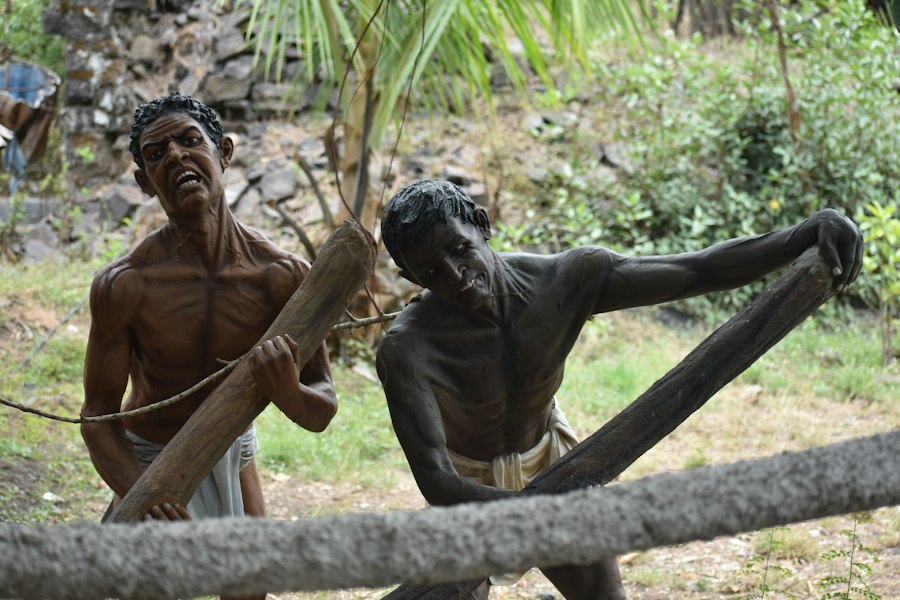
Once initial assessments were made, the challenging work of establishing a rudimentary form of communication and diplomacy began. This was a delicate process, built on patience, observation, and a willingness to interpret often ambiguous signals. The goal was to move from suspicion to a tentative understanding, laying the groundwork for potential cooperation.
The Offering of Gifts: Symbolism and Reciprocity
The practice of offering gifts, a deeply ingrained human custom, likely played a significant role in early inter-group relations. These were not merely random objects; they were often items of practical value or symbolic importance. A hunter might offer a portion of his kill, signifying generosity and a desire to share resources. A gatherer might present rare medicinal herbs or particularly sweet fruits. The act of offering was a tangible demonstration of goodwill, an investment in a future relationship. Crucially, the expectation of reciprocity was inherent. The recipient tribe, if they accepted the offering, was then implicitly bound to respond in kind, creating a cycle of exchange that fostered interdependence and mutual reliance.
Shared Sustenance: The Power of the Communal Meal
Perhaps one of the most powerful tools for building trust was the act of sharing food. Breaking bread, or in this context, sharing roasted meat or gathered roots, in a communal setting transcended linguistic barriers. It was a fundamental act of sustenance, a moment when vulnerability was shared and cooperation was essential for survival. A stranger tribe willing to share their food was signaling a profound level of trust, inviting others into the intimacy of their daily lives. The process of preparing and consuming food together, the careful observation of how others ate, and the willingness to accept what was offered, all contributed to a growing sense of familiarity and solidarity.
Mimicry and Observation: Learning the Ropes
In the absence of explicit language, mimicry and careful observation became invaluable tools for understanding and integration. Observing the daily routines of the stranger tribe – how they hunted, gathered, built shelters, and cared for their young – provided a wealth of information. Mimicking their actions, albeit cautiously, could demonstrate an eagerness to learn and adapt, signaling a desire for peaceful coexistence. This could range from adopting their preferred tool-making techniques to understanding their social hierarchy through observing interactions. The willingness to learn their ways, rather than imposing one’s own, was a powerful indicator of respect and a desire for genuine connection.
Navigating the Unpredictable: Shared Threats and Collective Solutions
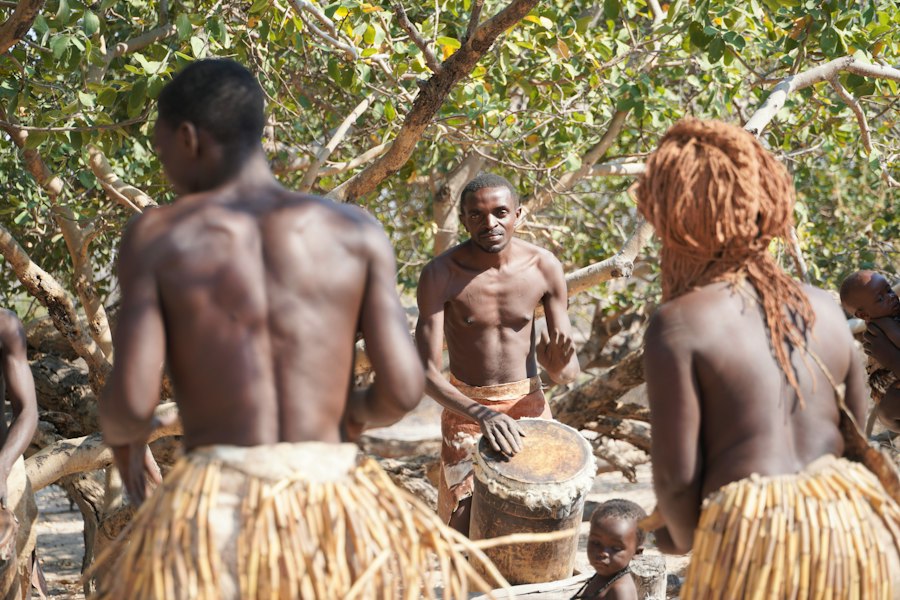
The harsh realities of the Stone Age environment provided a constant backdrop against which inter-tribal relationships were forged and tested. Shared threats, whether from predators, natural disasters, or rival groups, often served as catalysts for cooperation, transforming hesitant strangers into invaluable allies.
The Predator’s Shadow: United Against a Common Foe
The lurking presence of dangerous predators – saber-toothed cats, cave bears, packs of wolves – was a constant existential threat. A coordinated defense against such a threat could forge bonds stronger than any spoken oath. Imagine a scenario where two disparate tribes, initially wary of each other, find themselves defending a shared water source from a territorial pride of lions. The necessity of unified action, the shared adrenaline, the mutual reliance in the face of immediate peril, would quickly dissolve ingrained suspicion. The success of such a joint defense would leave a lasting impression, a tangible reminder of what could be achieved through collaboration.
The Fury of Nature: Surviving Together Through Catastrophe
Natural disasters, such as flash floods, droughts, or unusually harsh winters, could decimate isolated groups. In such extreme circumstances, the desperation for survival would often override initial reservations. A tribe facing starvation due to a prolonged drought might seek refuge and sustenance from a group that had managed to secure a more stable food supply. Conversely, a tribe displaced by a flood might offer unique skills or knowledge in return for sanctuary. These shared experiences of vulnerability and resilience, of facing the uncontrollable forces of nature together, could create profound and lasting connections, cementing alliances forged in the crucible of shared hardship.
The Threat from Within: The Nuances of Inter-Tribal Conflict and Alliance
While external threats were significant, the dynamics of conflict and alliance between tribes were complex. Not all stranger tribes were benevolent. Some might be expansionist, resource-hungry, or simply more aggressive. The ability to discern these potential threats was as crucial as the ability to foster alliances. However, even in conflict, there was often a delicate balance. Inter-tribal warfare was rarely about annihilation; it was often about asserting dominance, securing resources, or resolving disputes. Understanding the unwritten rules of engagement, the potential for shifting allegiances, and the value of strategic partnerships, even with groups that were occasionally rivals, was a hallmark of successful Stone Age diplomacy.
Building Lasting Bonds: The Evolution of Trust and Reciprocity
The transition from initial cautious interaction to genuine, lasting trust was a gradual process, built on consistent positive interactions and a deepening understanding of mutual needs and benefits. It was a long-term investment, requiring continuous effort and adaptation.
The Rituals of Belonging: Marking the Passage of Time and Trust
Over generations, specific rituals and practices would likely emerge to solidify inter-tribal bonds. These could be annual gatherings for trade and feasting, ceremonies marking important life events, or shared responsibilities for maintaining sacred sites. Such rituals served to reinforce the collective identity of the allied groups, creating a sense of shared history and belonging that transcended individual lifespans. The predictable rhythm of these gatherings would provide reassurance, a constant reminder of established relationships and the benefits of continued cooperation.
The Exchange of Knowledge and Skills: A Foundation for Progress
The pooling of knowledge and skills between allied tribes was a significant driver of innovation and progress. A group that excelled at tool-making might share their techniques with a tribe skilled in hunting, leading to more efficient procurement of food. Knowledge of medicinal plants, agricultural practices, or even rudimentary navigation techniques could be exchanged, benefiting all involved. This cross-pollination of expertise fostered a dynamic environment where learning was continuous, and survival strategies became more sophisticated and resilient.
The Intergenerational Legacy: Raising the Next Generation of Allies
Perhaps the most profound aspect of building lasting trust was its transmission to the next generation. Children raised in environments where inter-tribal interaction was commonplace would naturally inherit a less fearful, more open perspective. Storytelling, shared games, and joint participation in community activities would instill in young minds the value of these alliances. The children of one tribe playing with the children of another, sharing their food and their laughter, were laying the foundation for a future where trust was not an exception, but the norm. This intergenerational legacy ensured the continuity of these vital networks, a testament to the enduring power of cooperation in the face of a challenging world.
In exploring the dynamics of early human societies, understanding how our ancestors learned to trust stranger tribes during the Stone Age can provide valuable insights into social cooperation and conflict resolution. A fascinating article discusses the importance of building trust in uncertain environments, which can be seen as a precursor to modern economic strategies. For those interested in how these ancient principles might apply today, you can read more about it in this insightful piece on protecting your finances during turbulent times. Check it out here.
The Unwritten Rules of Stone Age Diplomacy: A Complex Social Contract
| Metric | Description | Estimated Value | Significance |
|---|---|---|---|
| Frequency of Inter-Tribal Encounters | Average number of meetings between different tribes per year | 5-10 encounters/year | Higher frequency increased opportunities for trust-building |
| Trust-Building Rituals | Common practices used to establish trust (e.g., gift exchange, shared meals) | 3-5 distinct rituals | Facilitated peaceful interactions and alliances |
| Conflict Resolution Rate | Percentage of disputes resolved peacefully between tribes | 60-75% | Indicates effectiveness of trust and communication |
| Trade Volume | Amount of goods exchanged between tribes annually | Moderate (e.g., tools, food, ornaments) | Economic interdependence fostered trust |
| Intermarriage Rate | Percentage of marriages between members of different tribes | 10-20% | Strengthened social bonds and alliances |
| Shared Language or Symbols | Extent of common communication methods developed | Partial (e.g., gestures, symbols) | Improved understanding and trust |
Ultimately, learning to trust stranger tribes in the Stone Age was not about naive optimism; it was about understanding and adhering to a complex, unwritten social contract. This contract was built on a foundation of pragmatism, mutual benefit, and a keen awareness of the risks involved. It was a testament to the remarkable adaptability and intelligence of our prehistoric ancestors, who recognized that in the grand, often brutal, theatre of survival, solidarity was not just an advantage – it was a necessity. The ability to look beyond the immediate difference, to find common ground in shared vulnerability and shared aspirations, was the key to not just surviving, but to truly thriving, in the wild, untamed world of the Stone Age. This ancient art of diplomatic engagement, of forging bonds with the unfamiliar, laid the groundwork for the complex social structures that would eventually define humanity.
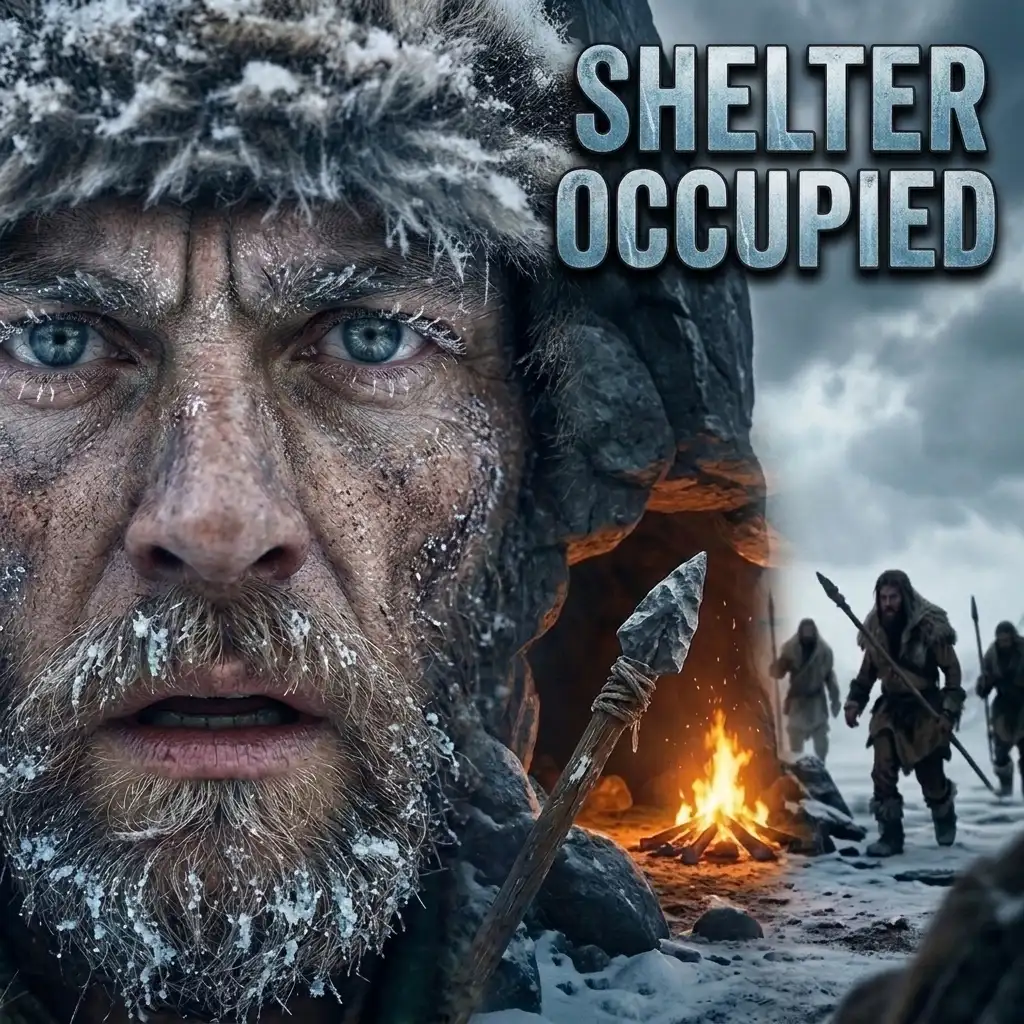
➡️Life 20,000 Years Ago | When Strangers Claim Your Winter Shelter 🚨
FAQs
What were the primary challenges of trusting stranger tribes in the Stone Age?
In the Stone Age, the primary challenges of trusting stranger tribes included the lack of established communication methods, differing cultural practices, and the potential for conflict over resources. These factors made it difficult for tribes to form alliances or engage in trade without fear of betrayal or violence.
How did early humans develop trust among different tribes?
Early humans developed trust among different tribes through shared experiences, such as trade, intermarriage, and mutual defense against common threats. Rituals and social norms also played a crucial role in establishing trust, as they helped to create a sense of community and shared identity among different groups.
What role did kinship play in fostering trust between tribes?
Kinship played a significant role in fostering trust between tribes by creating networks of alliances through marriage and familial ties. These connections often facilitated cooperation and reduced the likelihood of conflict, as individuals were more inclined to trust those who were related or connected through mutual acquaintances.
Were there any specific strategies used by tribes to build trust?
Yes, tribes employed various strategies to build trust, such as engaging in gift-giving, participating in communal activities, and establishing trade agreements. These practices helped to reinforce social bonds and demonstrate goodwill, making it easier for tribes to collaborate and coexist peacefully.
How did the ability to trust stranger tribes impact survival and development?
The ability to trust stranger tribes significantly impacted survival and development by enabling resource sharing, collaboration in hunting and gathering, and the exchange of knowledge and technology. This cooperation allowed for greater resilience against environmental challenges and contributed to the overall advancement of human societies during the Stone Age.