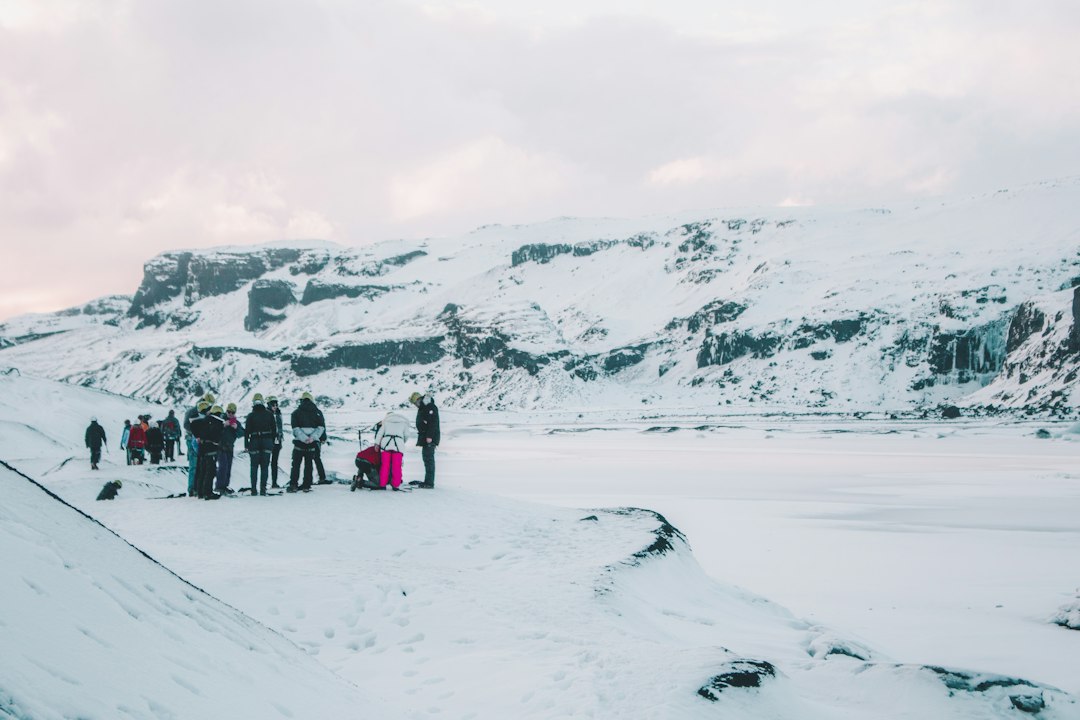
The biting wind, a relentless sculptor of the frozen world, tore across the vast, treeless plains. A small band of figures, cloaked in the thick hides of hunted beasts, trudged through the ankle-deep snow. This was the family of Kaelen, and their journey, undertaken in the heart of a Pleistocene winter, was not a matter of choice but of survival. Twenty thousand years ago, life was a constant negotiation with nature’s formidable power, and the approach of winter demanded a profound understanding of the land and its rhythms. Their world was a tapestry of stark beauty: rolling tundras dusted with white, jagged mountain ranges piercing the icy sky, and the occasional, precious shelter of a sheltered valley or a cave.
The Ancestral Hearth and the Urgency of Migration
The family, a unit bound by blood and the shared struggle for existence, numbered seven souls. Kaelen, the patriarch, his face a roadmap etched by sun and wind, led the way. His keen eyes scanned the horizon, a practiced vigilance honed by years of hunting and observation. Beside him, his mate, Lyra, her movements economical and strong, carried their youngest, a bundled infant whose soft breaths plumed in the frigid air. Their older children, Elara and Bran, their young limbs hardened by the demands of their environment, followed closely, their own senses alert for any sign of danger or opportunity. The extended family included Kaelen’s aging father, Arlo, his wisdom a valuable, though sometimes fragile, asset, and Lyra’s younger sister, Mara, whose skill with flint knapping was essential for their tools.
The Whispers of Changing Seasons
The decision to migrate had not been made lightly. For generations, their clan had followed the great herds of mammoth and reindeer, their lives dictated by the animals’ migratory patterns. But this year, the signs were unsettling. The reindeer herds, usually abundant in their summer hunting grounds, had thinned considerably. The mammoths, their colossal forms a source of sustenance for weeks, seemed to have veered further north than usual. Arlo, his memory stretching back to droughts and harsh winters of his youth, had spoken of a similar scarcity decades ago, a harbinger of a particularly brutal season. The elders’ counsel was unanimous: the time had come to move, to seek new hunting grounds before the deepest freeze rendered the land impassable and the food sources entirely depleted. This migration was not a casual expedition; it was a desperate gambit for survival, a testament to their deep connection with the land and their reliance on its bounty. The ancestral hearth, the warmth and security of their familiar dwelling, had to be abandoned, its embers carefully extinguished as they turned their faces towards an uncertain, frozen horizon.
Preparing for the Unseen and the Unforeseen
The preparations for such a journey were immense and multifaceted. Hides, meticulously prepared and stitched with bone needles, formed their protective clothing. Animal fat, rendered and stored in gut pouches, would serve as vital fuel for their fires and a crucial source of calories. Dried meat, painstakingly preserved from their summer hunts, would supplement their diet on the move. Tools, sharpened flints for spears and scrapers, bone awls for sewing, and stone axes for felling smaller wood, were meticulously checked and repaired. Lyra and Mara spent days ensuring their flint knapping was at its peak, the sharp edges of their tools a matter of life and death. Elara and Bran practiced their archery, their small bows surprisingly effective against smaller game. The knowledge of edible plants, even those buried beneath the snow, was passed down from generation to generation, a vital skill for supplementing their diet when hunting proved fruitless. Every member of the family, from the youngest child to the eldest elder, had a role to play, a contribution to make to the collective effort of survival.
Traveling as a family 20,000 years ago during the winter months was a challenging yet essential part of survival, as ancient humans sought food and shelter in harsh climates. The dynamics of family life during this period were shaped by the need for cooperation and resourcefulness, with each member playing a vital role in the journey. For a deeper understanding of how ancient societies adapted to their environments, you might find the article on the role of artificial intelligence in modern autonomous systems interesting, as it draws parallels between survival strategies in the past and technological advancements today. You can read more about it here: AI’s Role in Autonomous Space Defense.
Navigating the Frozen Expanse
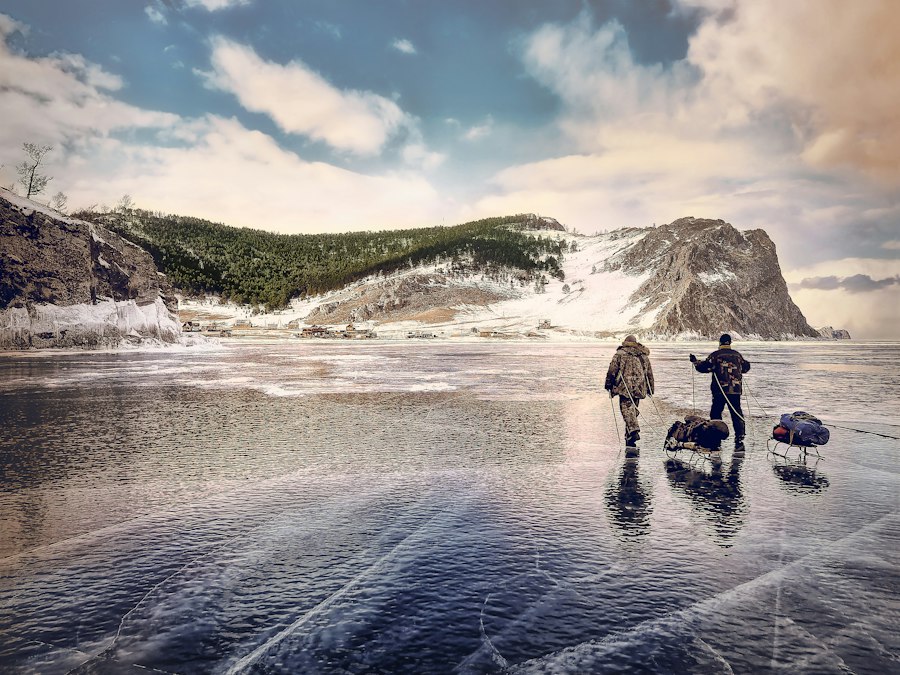
The landscape of twenty thousand years ago was a formidable adversary. Glacial meltwaters, even in winter’s grip, carved temporary channels, their currents deceptively strong. Vast, windswept plains offered little in the way of natural shelter, exposing travelers to the elements. The skeletal remains of long-dead trees, bleached by sun and wind, stood as silent sentinels in the frozen expanse. The family’s journey was a constant act of navigation, guided by the sun’s arc, the stars at night, and an intimate knowledge of the terrain passed down through oral tradition. Kaelen’s unerring sense of direction, honed by a lifetime spent in this environment, was their most valuable compass.
The Silent Language of the Land
The land spoke a silent language, a complex interplay of subtle signs that only those attuned to its rhythms could understand. The direction of the wind, the patterns of the snowdrifts, the distant call of a bird, the tracks of animals – all these held vital information. Kaelen could read the subtle shift in the snow’s texture, indicating a potential ice floe or a hidden crevice. He observed the bent grasses, a testament to the passage of a herd that had moved weeks ago, offering clues to their potential destination. Lyra, with her knowledge of plants, could identify the hardy roots that might still be accessible beneath the snow, a source of nourishment when fresh meat was scarce. Even the behavior of insects, though few and far between in winter, could offer subtle hints about the prevailing weather patterns. This intimate understanding was not learned from books or maps, but from generations of lived experience, a deep, almost spiritual connection to the earth.
Shelter and Sustenance on the Move
Finding shelter each night was a critical part of their daily routine. Caves and rock overhangs were prized possessions, offering respite from the wind and a place to build a fire. If no natural shelter was available, they would construct a rudimentary lean-to from branches and hides, painstakingly camouflaging it against the snow. Fire was their most precious ally, a beacon of warmth and a deterrent to predators. Gathering fuel was a constant chore, the wood often frozen and brittle, requiring skill and effort to break. The evening meal was a communal affair, the shared warmth of the fire and the sustenance of roasted meat a potent balm against the day’s hardships. The children would huddle close, listening to the elders’ stories, their minds absorbing the lessons of survival that would one day be their own. The procurement of food was a constant gamble. They relied on their hunting skills, their spears tipped with sharpened stone, their aim deadly accurate. Small game, like arctic hares and ptarmigans, provided smaller but more frequent meals. The presence of larger prey, like reindeer or even the rare, solitary mammoth, was a cause for great celebration and a promise of sustained nourishment for weeks.
Encounters in the Ancient Wilderness
The ancient landscapes were not empty; they teemed with life, both prey and predator. The family’s journey was punctuated by encounters, some fleeting and non-threatening, others demanding immediate and decisive action. The presence of large predators, like cave lions and dire wolves, was a constant, low-level threat, a stark reminder of their precarious position in the food chain.
The Shadow of the Apex Predators
The formidable presence of apex predators cast a long shadow over their journey. The guttural roar of a cave lion echoing through the frozen hills was enough to send a shiver down their spines, prompting them to seek the safety of a well-fortified shelter. Dire wolves, their packs a formidable force, were a more persistent danger, often drawn by the scent of their kills. Kaelen and the other hunters would take precautions, ensuring their campfires were large and well-tended, their spears always within reach. The children were taught to remain close, their playful instincts tempered by the ingrained knowledge of danger. Mara’s skill with flint knapping was crucial, as sharp stone points were their primary defense. The strategic use of fire, its flickering flames and smoke, was a potent deterrent, but it was not an infallible shield. They had learned to read the signs of their presence – tracks in the snow, disturbed vegetation, the unnerving silence that often preceded an attack.
The Fleeting Dance with Prey
More often, their encounters were with the animals that sustained them. The majestic reindeer, their coats thick against the cold, moved in large herds across the plains, a promise of meat, hides, and bone. Hunting them required coordinated efforts, the hunters using the terrain to their advantage, driving the herds towards natural traps or ambushes. The colossal mammoth, a rare but magnificent quarry, represented a significant undertaking. Its sheer size demanded the collective effort of multiple hunters, their spears designed to inflict maximum damage. The successful hunt of a mammoth was not just a meal; it was a victory that could sustain the family for weeks, providing meat for consumption and hides for clothing and shelter. Even smaller game, like the swift arctic hare or the camouflaged ptarmigan, were important sources of sustenance, requiring speed and precision to capture. These encounters were not always successful. The unpredictable nature of the wild meant that sometimes days would pass with little or no food, testing their resilience and their faith in the land’s ability to provide.
The Rhythms of Daily Life in the Ice Age
Despite the constant threat of the elements and the ever-present possibility of danger, life for Kaelen’s family followed a discernible rhythm. Each day was a finely tuned balance of essential tasks, from gathering food and fuel to maintaining their tools and ensuring the well-being of the youngest members. Their world was one of immediate needs and tangible actions, a stark contrast to the abstract concerns of later civilizations.
The Art of Toolmaking and Firecraft
The creation and maintenance of tools were central to their survival. Mara’s expertise in flint knapping was a highly valued skill. With precise blows of a hammerstone, she would shape flakes of flint into sharp spearheads, scrapers for preparing hides, and small, delicate blades for intricate work. The selection of the right stone, its hardness and grain, was as important as the skill of the knapper. Bone was also a vital resource, used for needles, awls, and even the shafts of spears. Lyra’s meticulous sewing, using sinew as thread, transformed rough animal hides into functional and protective clothing, expertly stitched to ward off the biting cold. Firecraft was an equally crucial skill. Knowing how to find dry tinder, even in a damp environment, and how to ignite it with friction – either through a fire drill or by striking flint against a specific type of rock – was a knowledge passed down through generations. The maintenance of the fire, ensuring it never died out unnecessarily, was a communal responsibility.
The Importance of Storytelling and Knowledge Transmission
Evenings were often dedicated to the passing down of knowledge and the reinforcement of community bonds through storytelling. As the fire crackled, casting flickering shadows on the cave walls or their makeshift shelters, the elders would recount tales of heroic hunts, encounters with formidable beasts, and the wisdom of their ancestors. These stories were not mere entertainment; they were living history, lessons in survival, and a way of instilling courage and resilience in the younger generation. Arlo, with his long memory, would share his experiences of past winters, the strategies that had saved his people, and the dangers to avoid. Kaelen would describe the habits of different animals, the best hunting grounds, and the subtle signs of changing weather. Elara and Bran absorbed these narratives, their minds absorbing crucial information that would guide their own lives. The creation of art, often found etched into cave walls or carved onto bone, also served a similar purpose, depicting successful hunts, the animals they revered, and perhaps even spiritual beliefs.
Traveling as a family 20,000 years ago during the winter months would have presented unique challenges and experiences, as they navigated through harsh climates in search of food and shelter. The dynamics of family life back then were heavily influenced by the need for survival, fostering strong bonds and cooperation among members. For a deeper understanding of how modern families manage their resources and security, you might find it interesting to read about the safety of retirement accounts in today’s world. This article provides insights that can help you plan for the future while reflecting on the resilience of families throughout history. You can read more about it here.
The Bonds of Kinship and the Future’s Promise
| Aspect | Details | Metrics/Estimates |
|---|---|---|
| Family Size | Nomadic groups traveling together | 5-15 individuals |
| Travel Distance | Daily movement during winter for resources | 5-15 kilometers per day |
| Winter Temperature | Estimated average temperatures in inhabited regions | -10°C to 0°C (14°F to 32°F) |
| Clothing Materials | Used for warmth during winter travel | Animal hides, furs, woven grasses |
| Food Sources | Winter diet during travel | Stored dried meat, nuts, roots, occasional hunting |
| Travel Mode | Methods of moving across terrain | On foot, possibly using sleds or dragging loads |
| Shelter | Temporary winter shelters during travel | Animal skin tents, caves, snow shelters |
| Fire Use | For warmth and cooking | Controlled fire maintained nightly |
In the harsh realities of the Pleistocene, family was more than just a biological unit; it was the bedrock of survival. The deep bonds of kinship provided emotional support, practical assistance, and a collective strength that no single individual could possess. The future, though uncertain, was always contemplated, with the hope that their children would inherit the knowledge and resilience to thrive in their world.
The Strength of the Extended Family Unit
The extended family unit was the primary social and economic structure. Kaelen’s family, with its seven members, represented a significant workforce and a robust support system. Lyra’s knowledge of edible plants complemented Kaelen’s hunting prowess. Arlo’s wisdom offered guidance, and Mara’s crafting skills were invaluable. The children, even at a young age, contributed through gathering firewood, assisting with childcare, and learning the essential skills of their future roles. This interdependence was not a burden but a source of profound strength. In times of scarcity or danger, the collective effort of the family was far more likely to ensure their survival than individual attempts. The inherent trust and loyalty within the family unit were paramount, fostering a sense of security in an otherwise precarious world.
Whispers of Hope for Generations to Come
As the family journeyed, their eyes, though focused on the immediate challenges of survival, also held a glimmer of hope for the future. Kaelen and Lyra watched their children, Elara and Bran, grow stronger and more capable with each passing day. They saw in them the potential to carry on their traditions, to adapt to the ever-changing landscape, and to perpetuate the cycle of life. The stories they shared, the skills they taught, and the values they instilled were all investments in the generations to come. They understood that their own existence was part of a larger continuum, a thread woven into the tapestry of time. Their journey through the ancient landscapes, though arduous and fraught with peril, was a testament to the enduring power of human resilience, the unwavering strength of family bonds, and the eternal hope for a future where life, in whatever form it took, would continue to flourish. The icy wind, though fierce, could not extinguish the warmth of their shared purpose and the quiet determination to face whatever lay ahead.
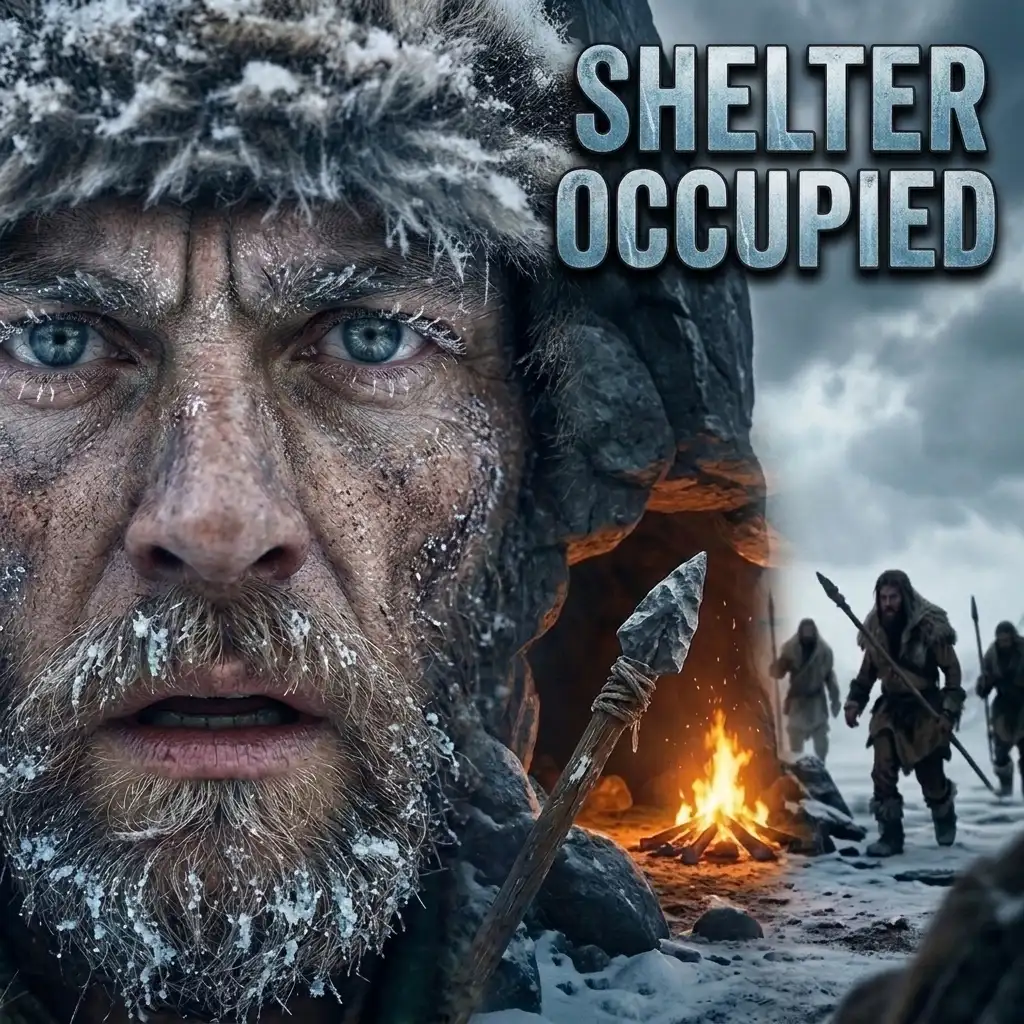
➡️Life 20,000 Years Ago | When Strangers Claim Your Winter Shelter 🚨
FAQs
What was the typical family structure like 20,000 years ago?
Families during this time were often small, consisting of close-knit groups typically made up of parents and their children. Extended family members, such as grandparents or aunts and uncles, might also live together or nearby, forming a community that provided support and shared resources.
How did families travel during the winter 20,000 years ago?
Traveling families relied on foot for mobility, often moving in search of food and shelter. They used sledges or dragged their belongings on makeshift sleds over snow and ice. Their travel routes were influenced by the availability of resources and the migration patterns of animals.
What were the primary survival strategies for families in winter 20,000 years ago?
Survival strategies included hunting, gathering, and fishing. Families would hunt large game such as mammoths or reindeer and gather edible plants, nuts, and berries. They also built shelters from available materials like wood, animal hides, and stone to protect themselves from harsh winter conditions.
What types of clothing did families wear during the winter?
Families wore clothing made from animal hides and furs, which provided insulation against the cold. They often layered their garments for added warmth and used materials like wool and plant fibers when available. Footwear was typically made from animal skins to protect against the cold ground and snow.
What role did community play in the survival of families during this time?
Community was crucial for survival, as families often banded together for hunting and gathering. They shared resources, knowledge, and skills, which enhanced their chances of survival. Cooperation in building shelters and caring for children also strengthened social bonds and ensured mutual support during harsh winters.