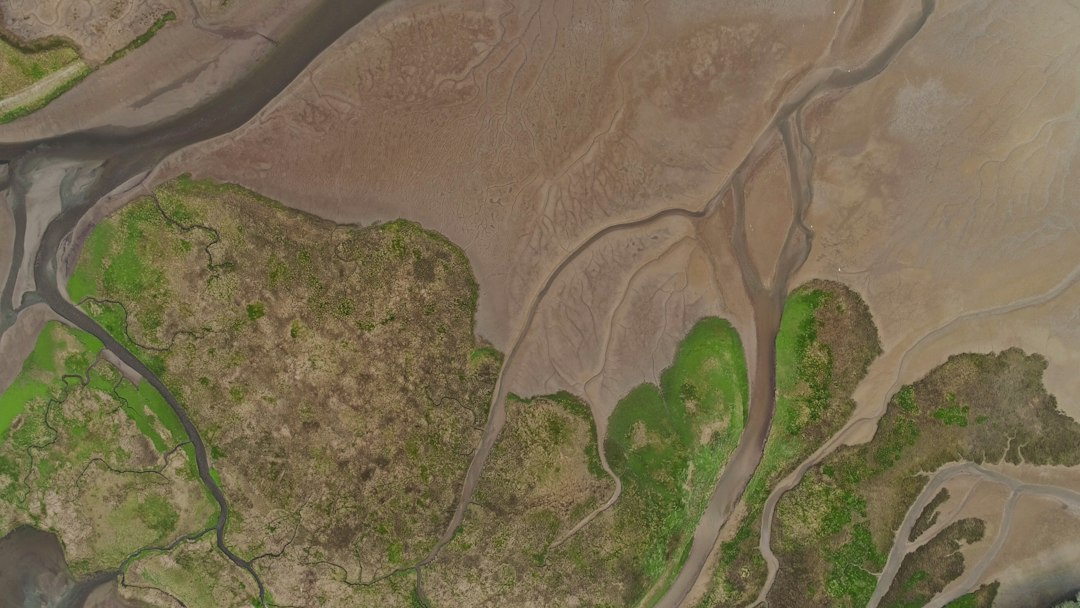
The Earth, 20,000 years ago, was a dramatically different place than the one inhabited today. This epoch, nestled within the Pleistocene, was defined by the grip of the Last Glacial Maximum, a period when vast ice sheets, kilometers thick in places, locked up immense quantities of Earth’s water, shaping landscapes and profoundly influencing the lives of the planet’s nascent human inhabitants. The world was colder, drier, and in many regions, drastically reshaped by the immense power of ice. Survival for early humans was a constant, intricate dance with these formidable environmental conditions, a testament to their burgeoning ingenuity and adaptability.
The Frozen Dominion: Landscapes Under Ice
The most striking feature of Earth 20,000 years ago was the pervasive presence of glacial ice. These colossal frozen masses were not confined to the poles but extended far into the temperate latitudes, carving out the very topography that would define continents for millennia to come. Understanding the extent and impact of these ice sheets is crucial to grasping the challenges faced by early humans.
The Great Ice Sheets and Their Reach
At the peak of the Last Glacial Maximum, North America was largely submerged beneath two colossal ice sheets: the Laurentide Ice Sheet, covering most of Canada and extending into the northern United States, and the Cordilleran Ice Sheet, blanketing the western mountain ranges. In Europe, the Scandinavian Ice Sheet dominated, stretching across Scandinavia, Finland, parts of northern Germany, Poland, and the British Isles. These ice sheets were not static entities; they advanced and retreated over millennia, driven by complex climatic cycles. Their immense weight depressed the Earth’s crust, creating vast, shallow seas and altering drainage patterns.
Sculpting the Surface: Glacial Landforms
The relentless grind of glacial ice sculpted the Earth’s surface into a myriad of distinctive landforms. As glaciers advanced, they scraped away soil and bedrock, leaving behind U-shaped valleys, cirques (bowl-shaped depressions at the heads of valleys), and fjords along coastlines where ice flowed into the sea. Upon retreat, the ice deposited the accumulated debris as moraines – ridges of sediment marking the edges of the ice sheet. Erratics, large boulders transported miles from their origin, became stranded on the landscape, silent witnesses to the glacier’s journey. Lakes, such as the Great Lakes of North America, were formed in depressions carved by retreating ice. These sculpted landscapes, while appearing barren and harsh to modern eyes, offered unique resources and challenges to early human populations.
Periglacial Environments: The Fringe of the Ice
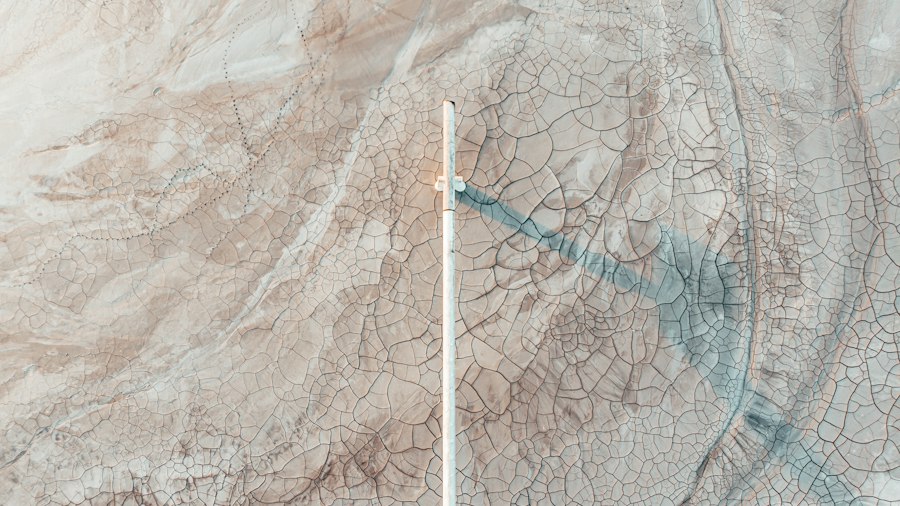
Beyond the immediate reach of the ice sheets lay the periglacial zones. These were areas not directly covered by ice but profoundly influenced by its presence. Characterized by permafrost – permanently frozen ground – these regions experienced extreme temperature fluctuations. The surface layer, the active layer, would thaw and refreeze seasonally, leading to unique soil formations like patterned ground (polygons and stripes), solifluction lobes (slow downslope movement of saturated soil), and pingos (ice-cored hills). Vegetation in periglacial zones was typically tundra-like, dominated by grasses, sedges, mosses, lichens, and low-lying shrubs, interspersed with dwarf trees in more sheltered areas. These environments were crucial hunting grounds and provided important resources, albeit with their own set of survival challenges.
Twenty thousand years ago, the world was a vastly different place, characterized by the last Ice Age, which shaped the landscape and influenced human migration patterns. For a deeper understanding of how ancient civilizations adapted to their environments, you can explore the article on ancient water management systems, which highlights the ingenuity of early societies in harnessing water resources. To read more, visit this article.
Navigating the Cold: Early Human Adaptations
The prevailing frigid conditions of the Ice Age demanded remarkable adaptations from early humans. Their physical and behavioral responses to this challenging environment were critical for their survival and dispersal across the globe. This was a period where human ingenuity truly began to shine through in the face of immense environmental pressures.
The Hunter-Gatherer Lifestyle: A Precarious Existence
The human populations of 20,000 years ago were predominantly nomadic hunter-gatherers. Their lives revolved around the seasonal movements of game animals and the availability of plant resources. This lifestyle was dictated by the need to follow their food sources and exploit the bounty of the land as it became available. The harshness of the climate meant that food acquisition was a constant and often dangerous endeavor. Success relied on deep knowledge of animal behavior, plant life, and the intricate workings of the ecosystems they inhabited.
Tools of Survival: Stone, Bone, and Innovation
The development and refinement of tools were paramount to human survival during the Ice Age. Stone tools, meticulously crafted through knapping, formed the backbone of their toolkit. Blades, scrapers, awls, and projectile points were essential for processing game, preparing hides, and crafting other implements. The development of more sophisticated tools, such as the spear-thrower (atlatl), significantly increased hunting efficiency and safety, allowing hunters to deliver projectiles with greater force and at a safer distance. Bone and antler were also extensively utilized, fashioned into needles for sewing, harpoons for fishing, and decorative items. The ingenuity displayed in toolmaking reflects a profound understanding of material properties and a remarkable capacity for problem-solving.
Shelter from the Storm: Caves and Constructed Dwellings
Protection from the biting cold was a fundamental requirement. Caves and rock shelters provided natural havens, offering a degree of insulation and defense against the elements. However, human ingenuity also led to the construction of artificial shelters. In open areas, nomadic groups often erected tents or huts fashioned from animal hides stretched over frames of wood or bone. In some regions, particularly where wood was scarce, structures were built using mammoth bones and tusks as structural elements, creating surprisingly robust and well-insulated dwellings. Evidence of these structures, such as the circular arrangements of mammoth bones found at sites like Mezhirich in Ukraine, speaks to the resourcefulness of these early populations.
The Importance of Fire: Warmth, Light, and Cooking
Fire was arguably the most transformative technology of the Ice Age. It provided essential warmth in frigid environments, allowing humans to inhabit colder regions and extend their activity into the night. Fire also served as a source of light, a powerful tool for deterring predators, and critically, for cooking. Cooking not only made food more digestible and palatable but also unlocked nutrients that would otherwise be inaccessible, contributing to improved health and diet. The ability to control and maintain fire was a hallmark of human evolution and a cornerstone of their survival strategy.
The Fauna of the Frozen World: Giants and Their Pursuers
The animal kingdom of 20,000 years ago was populated by a remarkable array of megafauna, creatures of immense size and power that were both a vital food source and a significant threat to early humans. The interactions between these giants and their human pursuers shaped the ecosystems and the very existence of the populations that coexisted with them.
Mammoths and Mastodons: Pillars of the Ecosystem
The woolly mammoth, with its shaggy coat, curved tusks, and formidable size, was a keystone species of the Ice Age landscape. These herbivores roamed in herds across the steppes and tundra, their grazing patterns influencing vegetation. Closely related, mastodons, with their more robust build and flatter teeth, occupied different niches. For human populations, mammoths represented a massive source of food, providing meat, fat, hides, and bone. The successful hunting of these animals was a significant undertaking, requiring coordinated group effort and a deep understanding of their behavior.
Other Ice Age Mammals: A Diverse and Dangerous Ensemble
Beyond the mammoths, a host of other impressive creatures shared the Ice Age world. Woolly rhinoceroses, with their two formidable horns, grazed on the open plains. Saber-toothed cats, like Smilodon, with their exaggerated canine teeth, were apex predators, posing a significant threat to both animals and humans. Cave bears, often larger than modern brown bears, inhabited caves and were a formidable prey animal. Horses, bison, reindeer, and various species of deer were also abundant and formed the core of the diet for many human groups. The presence of these diverse and often dangerous animals demanded constant vigilance and a sophisticated understanding of predator-prey dynamics.
The Role of Carnivores: Competition and Coexistence
Large carnivores, such as lions, wolves, and hyenas, were also present, competing with humans for food resources and posing a direct danger. While often viewed as adversaries, the relationship was more complex. Humans likely scavenged from kills made by carnivores, and conversely, carnivores may have occasionally preyed on lone or vulnerable humans. The development of advanced hunting techniques and the use of fire likely allowed humans to deter or outcompete some of these predators, contributing to their eventual dominance.
The Human Family Tree: Early Homo sapiens and Their Relatives
At 20,000 years ago, the evolutionary story of humankind was still unfolding. While Homo sapiens was clearly emerging and spreading, other hominin species may have still persisted in certain regions, or their recent extinction would have profoundly impacted the ecological landscape.
The Rise of Homo sapiens: Anatomically Modern Humans
By this period, Homo sapiens had developed into anatomically modern humans, characterized by a high, rounded skull, a small face tucked beneath a prominent forehead, and a gracile skeleton. These physical attributes were likely accompanied by advanced cognitive abilities, including complex language, abstract thought, and sophisticated social organization. The dispersal of Homo sapiens across the globe, including their eventual migration into the Americas and Australia, was well underway by this time, demonstrating their remarkable adaptability to diverse environments.
The Neanderthal Enigma: Coexistence and Extinction
The fate of Neanderthals, our closest extinct relatives, is a subject of ongoing scientific inquiry. While their dominance in Europe and Western Asia waned as Homo sapiens expanded, there is evidence of Neanderthals persisting until relatively recently. It is plausible that some overlap and interaction, including interbreeding, occurred between Homo sapiens and Neanderthals during this period. The eventual extinction of Neanderthals remains a complex puzzle, with theories ranging from competition with Homo sapiens, climate change, to disease.
Other Hominin Possibilities: The Denisovans and Beyond
The discovery of Denisovans, known primarily from genetic evidence and a few fossil fragments, suggests that other hominin groups were also present in Asia during the Pleistocene. The extent of their range and their interactions with Homo sapiens and Neanderthals are still being elucidated. The genetic legacy of Denisovans is found in some modern human populations, particularly in Southeast Asia and Oceania, indicating past interbreeding events. This complex tapestry of hominin evolution highlights the dynamic nature of human origins.
Twenty thousand years ago, the world was a vastly different place, characterized by the last Ice Age, where massive glaciers covered large portions of the northern hemisphere. This period saw the emergence of early human societies that adapted to their harsh environments, relying on hunting and gathering for survival. To explore how human innovation continues to shape our future, you might find it interesting to read about sustainable strategies for economic development in space, as discussed in this article on building a sustainable lunar economy. For more insights, you can check it out here.
Culture and Beliefs: The Dawn of Symbolic Thought
| Aspect | Description | Estimated Data / Metrics |
|---|---|---|
| Climate | Last Glacial Maximum, colder global temperatures | Average global temperature ~4-7°C cooler than today |
| Sea Level | Significantly lower due to large ice sheets | Sea levels approximately 120 meters lower than present |
| Ice Sheets | Extensive ice coverage in Northern Hemisphere | Laurentide Ice Sheet covered much of North America; Fennoscandian Ice Sheet covered Northern Europe |
| Human Population | Hunter-gatherer societies, early human migration | Estimated global population around 1-5 million |
| Flora and Fauna | Megafauna prevalent, many species now extinct | Mammoths, saber-toothed cats, giant ground sloths present |
| Geography | Land bridges exposed due to low sea levels | Bering Land Bridge connected Asia and North America; Doggerland connected Britain to mainland Europe |
| Atmospheric CO2 | Lower than pre-industrial levels | Approximately 180-190 ppm (parts per million) |
Beyond the pragmatic demands of survival, the evidence from 20,000 years ago also hints at the burgeoning development of culture and symbolic thought, the foundations of human spirituality and artistic expression. These aspects, though harder to reconstruct, offer a glimpse into the inner lives of our ancient ancestors.
The Art of the Caves: Expression and Meaning
The stunning cave paintings and engravings found in sites like Lascaux in France and Altamira in Spain, dating back to this period, offer profound insights into the minds of Ice Age humans. These artworks, often depicting animals with remarkable detail and dynamism, suggest a sophisticated understanding of the natural world and a capacity for symbolic representation. The purpose of these paintings remains debated, with theories ranging from hunting magic and shamanic rituals to storytelling and the transmission of knowledge. Regardless of their precise function, they represent a profound leap in human creativity and expression.
Rituals and Burial Practices: Evidence of Belief Systems
The archaeological record also provides clues about the spiritual lives of Ice Age peoples through their burial practices. The intentional burial of the dead, often accompanied by grave goods such as tools, ornaments, or ochre pigments, suggests a belief in an afterlife or a reverence for the deceased. The positioning of the body, the inclusion of specific items, and the elaborate nature of some burials indicate complex rituals and a developing understanding of mortality and existence beyond the physical. These practices point to the emergence of early forms of religion and the beginnings of human attempts to grapple with the mysteries of life and death.
Social Structures and Communication: The Foundations of Society
While direct evidence of language is elusive, the complexity of their tools, their art, and their coordinated hunting strategies imply sophisticated communication and social organization. The ability to cooperate effectively in hunting large game, to share resources, and to transmit knowledge across generations would have required complex communication systems, likely involving vocalizations and gestures, evolving towards spoken language. These social bonds and communication networks were the bedrock upon which their survival and the continuation of their lineage depended. The Ice Age was not just a time of physical struggle, but also a period of profound cognitive and cultural development, laying the groundwork for all that was to come in human history.

20,000 Years Ago | The Coldest Journey in Human History
FAQs
1. What was the climate like 20,000 years ago?
Twenty thousand years ago, the world was experiencing the peak of the last glacial period, commonly known as the Ice Age. This meant that the climate was much colder than it is today, with large ice sheets covering much of North America, Europe, and Asia.
2. What was the geography of the world like during that time?
Due to the extensive ice sheets, sea levels were significantly lower than they are today. This led to the exposure of land bridges, such as the Bering Land Bridge between Asia and North America, which allowed for the migration of humans and animals between continents.
3. What kind of animals roamed the Earth 20,000 years ago?
During this time, the world was home to a variety of now-extinct megafauna, such as woolly mammoths, saber-toothed cats, giant ground sloths, and woolly rhinoceroses. These animals thrived in the cold, grassy steppes that covered much of the Earth.
4. Were there any human civilizations or societies 20,000 years ago?
While there were no advanced civilizations like those that would later develop, there were early human societies scattered across the globe. These hunter-gatherer groups lived in small bands, relying on hunting, fishing, and gathering for survival.
5. How did humans adapt to the harsh conditions of 20,000 years ago?
To survive in the cold and challenging environment of 20,000 years ago, early humans developed innovative tools and techniques. They created warm clothing from animal hides, built shelters out of bones and hides, and used fire for warmth, cooking, and protection.