
The world, twenty thousand years ago, was a canvas painted with ice and fire, a stage where colossal beasts roamed alongside the nascent stirrings of modern humanity. This was the height of the Last Glacial Maximum, a period of profound climatic extremes that shaped both the landscape and the life that inhabited it. To step back in time to this era is to enter a realm both familiar and alien, a world where survival was a daily, intricate dance with nature, and where the seeds of our future were being sown in the harsh, unyielding soil of prehistory.
The Reign of Giants: Megafauna of the Ice Age
Twenty thousand years ago, the Earth was populated by a cast of incredible megafauna, creatures that dwarf many of their modern descendants. These animals, adapted to the cold, open environments of the Pleistocene epoch, were integral to the ecosystems they inhabited and played a crucial role in the lives of the humans who shared their world. Their sheer scale and power were a constant presence, a testament to the raw forces of nature that governed life on this planet.
Woolly Mammoths and Their Cousins
Perhaps no animal is more synonymous with the Ice Age than the woolly mammoth ( Mammuthus primigenius ). These colossal herbivores, with their shaggy, reddish-brown coats, long, curved tusks, and distinctive high-domed skulls, were perfectly suited to the frigid tundra-steppe. They were migratory creatures, their vast herds traversing immense distances in search of the grasses and sedges that formed their diet. Imagine a living mountain, moving across the landscape, its breath misting in the frigid air. Their sheer size and strength made them a formidable presence, but they were also a vital resource for early humans. Mammoth bones provided tools and shelter, their hides offered warmth, and their meat was a crucial source of sustenance.
The Saber-Toothed Predator: Smilodon
Alongside the gentle giants, apex predators stalked the frozen plains. The most iconic of these was undoubtedly the saber-toothed cat, specifically species like Smilodon fatalis. With its extraordinary canine teeth, which could extend up to seven inches, and powerful muscular build, the Smilodon was a highly specialized hunter. These teeth were not for shearing meat like those of modern cats, but rather for delivering a deep, precise stab to the throat or belly of its prey, often large herbivores like ground sloths or bison. The Smilodon was a creature of immense power, a silent hunter capable of taking down prey that far outweighed it. Its presence instilled a primal fear, a constant reminder of the predatory nature of the wild.
Other Remarkable Ice Age Mammals
The world of twenty thousand years ago was not limited to mammoths and saber-toothed cats. The landscape teemed with other fascinating megafauna. The woolly rhinoceros (Coelodonta antiquitatis), another shaggy behemoth, shared territories with the mammoths, its formidable horn a fearsome weapon. Giant ground sloths, some reaching the size of elephants, lumbered through the forests and open woodlands, their powerful claws capable of stripping bark from trees or defending themselves from predators. The dire wolf (Aenocyon dirus), a larger and more robust cousin of the modern wolf, hunted in packs, their formidable jaws capable of crushing bone. And then there were the steppe bison (Bison priscus), vast herds of which migrated across the plains, a primary food source for both predators and humans. These animals, in their diversity and scale, painted a picture of a vibrant, albeit challenging, ecosystem, a world where life was often lived on the edge.
Exploring the fascinating world of prehistoric life, particularly around 20,000 years ago, reveals the intricate relationships between early humans and their environments. During this time, various species, including mammoths and saber-toothed cats, roamed the Earth, shaping the ecosystems they inhabited. For a deeper understanding of how geographic factors influenced the development of human societies and their interactions with prehistoric fauna, you can read the article on geographic determinism at this link.
The Dawn of Modern Humanity: Our Ancestors in the Cold

Twenty thousand years ago, anatomically modern humans, Homo sapiens, were a relatively recent arrival on the global stage, but they were rapidly adapting and spreading. These were not the technologically advanced humans of today, but rather resourceful and intelligent beings who were beginning to master their environment through ingenuity and cooperation. Their lives were intrinsically tied to the cycles of nature, their survival dependent on their understanding of animal behavior, plant cycles, and the ever-present threat of the harsh climate.
Hunter-Gatherer Lifestyles
The human societies of this era were primarily nomadic hunter-gatherers. They lived in small, mobile bands, following the migratory patterns of game animals and the seasonal availability of edible plants. Their existence was characterized by a deep understanding of the land, an intricate knowledge of the properties of plants for food and medicine, and the ability to track and hunt a wide variety of animals. The ability to cooperate within the group was paramount, with tasks divided based on skill and necessity. Sharing of resources was essential for survival, fostering strong social bonds.
Ingenuity in Stone and Bone
The tools and technology of these early humans, while seemingly rudimentary to our modern eyes, were remarkably sophisticated for their time. Stone tools were central to their survival, meticulously crafted from flint, chert, and other suitable rocks. These ranged from simple hand axes and scrapers used for butchering and processing hides, to more specialized implements like spear points and burins for engraving. Bone and antler were also vital materials, fashioned into needles for sewing clothing and shelter, harpoon points for fishing, and decorative items that hinted at early artistic expression and symbolic thought. The creation of these tools required not only physical dexterity but also a profound understanding of material properties and a keen observational ability.
The Significance of Fire
Fire was a transformative element in the lives of prehistoric humans. It provided warmth in the frigid climate, a crucial defense against predators, and a means to cook food, making it more digestible and safer to consume. The ability to control and maintain fire allowed humans to extend their territories into colder regions and to process a wider range of foodstuffs. Campfires were also central gathering places, fostering social cohesion and the transmission of knowledge and stories across generations. The flickering flames illuminated the darkness, both literally and figuratively, providing a sense of security and community in a wild and often dangerous world.
Navigating a Frozen World: Shelter and Settlement
The extreme conditions of the Last Glacial Maximum necessitated innovative solutions for shelter. While nomadic bands often utilized temporary camps, some evidence suggests the beginnings of more semi-permanent settlements, particularly in areas rich with resources. The choice of location and the materials used for construction were dictated by the environment and the availability of natural shelters.
Caves and Rock Shelters: Nature’s Embrace
Natural caves and rock shelters were invaluable resources for prehistoric peoples. They offered immediate protection from the elements and predators, requiring minimal modification. Archaeological sites within these formations have yielded a wealth of information about human life, from discarded tools and hearth remains to cave paintings that offer glimpses into their beliefs and artistic expressions. These sheltered spaces provided a sense of safety and permanence, becoming focal points for social gatherings and the development of cultural practices.
Mammoth Bone Dwellings: Architectural Marvels
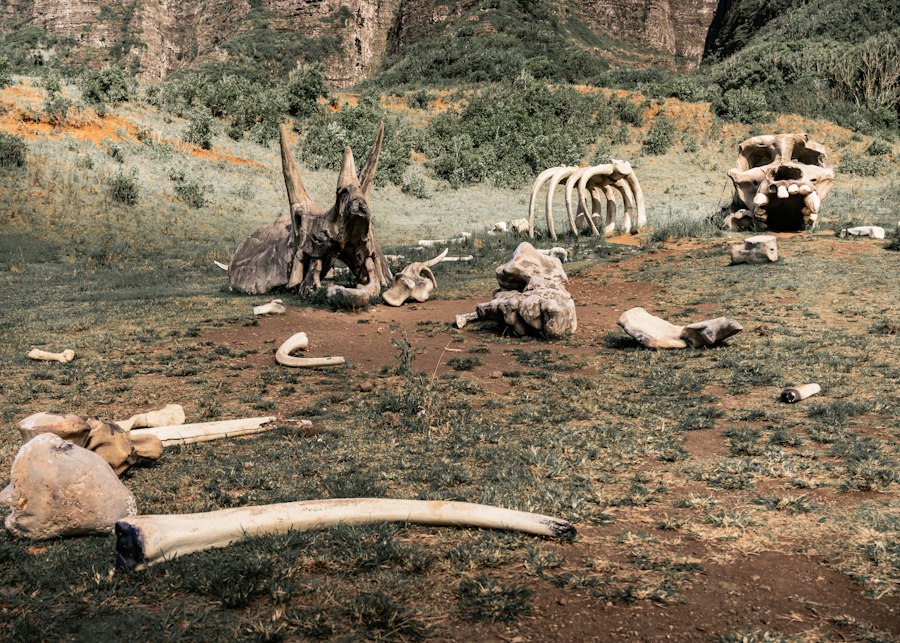
In open landscapes, far from natural caves, prehistoric humans developed remarkable architectural solutions. One of the most striking examples is the construction of dwellings using the bones of large animals, particularly mammoths. These structures, often circular or rectangular in shape, were built using massive mammoth skulls and long leg bones as supporting pillars and ribs, with hides and turf forming the roofing and walls. The sheer scale of these dwellings, some large enough to house an extended family or even a small community, demonstrates an advanced understanding of engineering and resource utilization. These mammoth bone huts provided robust protection against the harsh winds and biting cold, allowing humans to establish a presence in previously inhospitable regions.
The Importance of Location
The selection of settlement sites was a strategic decision, driven by access to vital resources. Proximity to water sources, hunting grounds, and areas with abundant plant life were key considerations. Settlements were often located along rivers or near lakes, providing access to both water and fish. Sites with good visibility offered early warning of approaching predators or migrating herds. The strategic placement of these early human habitats underscores their deep connection to the natural world and their ability to read and respond to its cues.
The Sparks of Culture: Art, Ritual, and Belief
Twenty thousand years ago, human existence was not solely defined by the struggle for survival. Emerging from the depths of prehistory, there are undeniable signs of developing cultural complexity, including sophisticated art, intricate rituals, and the nascent stirrings of spiritual beliefs. These expressions offer a tantalizing glimpse into the inner lives of our ancestors.
Cave Art: Windows to the Past
The cave walls of Europe, in particular, provide some of the most breathtaking evidence of prehistoric artistry. Sites like Lascaux in France and Altamira in Spain, created around this period, feature stunningly realistic depictions of animals – horses, bison, aurochs, and deer – rendered with remarkable skill and detail. These paintings, often executed using natural pigments like ochre and charcoal, suggest a deep respect for and fascination with the animal world. The purpose of this art remains a subject of debate, with theories ranging from hunting magic and shamanistic rituals to simply aesthetic expression and storytelling. Regardless of their original intent, these images serve as invaluable windows into the minds and experiences of our ancient forebears.
The Significance of Figurines and Ornaments
Beyond the grand murals of cave walls, smaller artifacts also speak to the development of human culture. Small portable sculptures, often depicting female figures with exaggerated breasts and hips (sometimes referred to as “Venus figurines”), have been found at numerous sites. These may represent fertility symbols, goddesses, or even self-portraits, highlighting a focus on reproduction and the continuation of the species. Personal adornments, such as beads made from shells, teeth, and bone, suggest a desire for self-decoration and social signaling, indicating the beginnings of personal identity and group affiliation.
Hints of Ritual and Spirituality
While direct evidence of religious practices is scarce, the context in which certain artifacts are found, combined with the symbolic nature of cave art, suggests the presence of ritualistic behavior. The careful burial of the dead, sometimes accompanied by grave goods, indicates a belief in an afterlife or a respect for the deceased. The repetition of certain motifs in art and the deliberate placement of objects in specific locations hint at ceremonies and gatherings that held spiritual or social significance. These early expressions, however enigmatic, point to a growing human capacity for abstract thought, symbolism, and a search for meaning beyond the immediate demands of survival.
Exploring the fascinating world of prehistoric life 20,000 years ago reveals a time when early humans coexisted with megafauna and adapted to dramatic climate changes. This period, marked by the last Ice Age, saw the emergence of innovative survival strategies among hunter-gatherer societies. For those interested in how technological advancements have shaped our understanding of history, a related article discusses revolutionary tech breakthroughs that are changing our perspective on the past. You can read more about these developments in the article here.
The Enduring Legacy: What We Inherct from 20,000 Years Ago
| Category | Details | Approximate Timeframe | Notes |
|---|---|---|---|
| Human Species | Homo sapiens (modern humans), Neanderthals (in some regions) | 20,000 years ago | Modern humans were widespread; Neanderthals mostly extinct by this time |
| Climate | Last Glacial Maximum (cold and dry) | Approximately 26,500 to 19,000 years ago | Glaciers covered large parts of North America, Europe, and Asia |
| Fauna | Mammoths, saber-toothed cats, giant ground sloths, cave bears | 20,000 years ago | Many large mammals (megafauna) roamed the Earth |
| Human Lifestyle | Hunter-gatherer societies | 20,000 years ago | Use of stone tools, hunting large game, gathering plants |
| Vegetation | Tundra, steppe, and sparse forests in glaciated regions | 20,000 years ago | Vegetation adapted to cold, dry climate |
| Sea Levels | Approximately 120 meters lower than today | 20,000 years ago | Exposed land bridges such as Beringia between Asia and North America |
The world of twenty thousand years ago, though vastly different from our own, laid the groundwork for much of what defines humanity today. The ingenuity, adaptability, and social cooperation that characterized these early humans were the very qualities that enabled our species to survive, thrive, and ultimately dominate the planet. Their legacy is not just etched in the ancient cave walls or the fossilized remains of megafauna, but is woven into the fabric of our own existence.
The Foundation of Human Resilience
The survival of Homo sapiens through the extreme conditions of the Pleistocene epoch is a testament to our species’ remarkable resilience. The ability to adapt to changing environments, to innovate in the face of challenges, and to cooperate within social groups were crucial skills that have been passed down through generations. This inherent adaptability is a cornerstone of human success, allowing us to colonize diverse habitats and overcome numerous obstacles throughout history.
The Genesis of Innovation and Technology
The sophisticated stone tools, bone implements, and even the early architectural endeavors of our ancestors represent the very beginnings of technological advancement. These innovations, born out of necessity, sparked a continuous cycle of invention and improvement that has accelerated over millennia. The spirit of problem-solving and creative tool-making that began with flint knapping continues to drive human progress today, albeit with vastly different materials and complexities.
The Enduring Human Spirit: Art, Culture, and Meaning
The emergence of art, ritual, and early forms of symbolic expression twenty thousand years ago highlights the innate human drive to create, to connect, and to seek meaning. These cultural foundations have evolved into the rich tapestry of human societies we see today, encompassing diverse languages, religions, philosophies, and artistic traditions. The very act of seeking understanding, of questioning our place in the universe, can be traced back to those flickering campfires and the enigmatic images painted on cave walls. The humans of twenty thousand years ago, in their struggle and their triumphs, were, in many ways, the architects of our present, their enduring spirit echoing through the ages, a reminder of the deep roots of our shared humanity.