Life 20,000 Years Ago: Insights from Prehistoric and Paleolithic Lore
The World of Ice and Fire: Navigating the Upper Paleolithic Landscape
Twenty thousand years ago, the world was a vastly different place. Humanity, represented by various groups of Homo sapiens, existed at the zenith of the Upper Paleolithic period, a time often characterized by dramatic climatic shifts, megafauna herds, and the blossoming of sophisticated toolmaking and symbolic expression. This era, stretching from roughly 50,000 to 10,000 years ago, was not a static existence but a dynamic period of adaptation and innovation. The remnants of their lives, preserved in the archaeological record and echoed in the nascent forms of lore, offer us glimpses into a world both challenging and surprisingly rich.
The dominant environmental feature of this period was the Last Glacial Maximum, a time when immense ice sheets covered significant portions of the Northern Hemisphere. Vast landscapes that are now temperate were buried under kilometers of ice, pushing habitable zones southward. This created a mosaic of environments, from the frozen expanses of glaciated regions to the more temperate steppes and woodlands of lower latitudes. These were not barren wastelands; they teemed with life, albeit life adapted to harsh conditions. Mammoth steppe, a vast grassland ecosystem, stretched across much of Eurasia and North America, supporting herds of woolly mammoths, rhinoceros, bison, horses, and reindeer. These animals were not merely wildlife; they were the very foundation of human survival.
The Hearth as the Center of Existence
The nomadic lifestyle of Upper Paleolithic hunter-gatherers meant that shelter was often temporary, dictated by the seasonal movements of game and the availability of resources. However, evidence suggests that certain locations were repeatedly occupied, forming semi-permanent camps or seasonal bases. The hearth, the carefully managed fire, was the undisputed heart of these encampments. It provided warmth against the biting cold, a means to cook food, thereby increasing its nutritional value and digestibility, and a deterrent against predators. Archaeological excavations frequently reveal concentrated areas of ash, charcoal, and heat-altered stones, attesting to the centrality of fire in their daily lives.
More than just a utilitarian tool, the hearth likely held significant social and symbolic importance. It was the gathering place where stories were shared, knowledge was passed down, and social bonds were reinforced. Imagine the flickering light of the fire illuminating faces, casting shadows that danced with the tales of successful hunts, dangerous encounters, and ancestral spirits. This communal experience around the fire would have been crucial for maintaining group cohesion and transmitting the collective wisdom necessary for survival in such a challenging environment. The development of more efficient ways to create and maintain fire, such as the use of fire drills and bow drills, would have been a significant technological advancement, allowing for greater control over this vital resource.
Migratory Rhythms and the Hunt
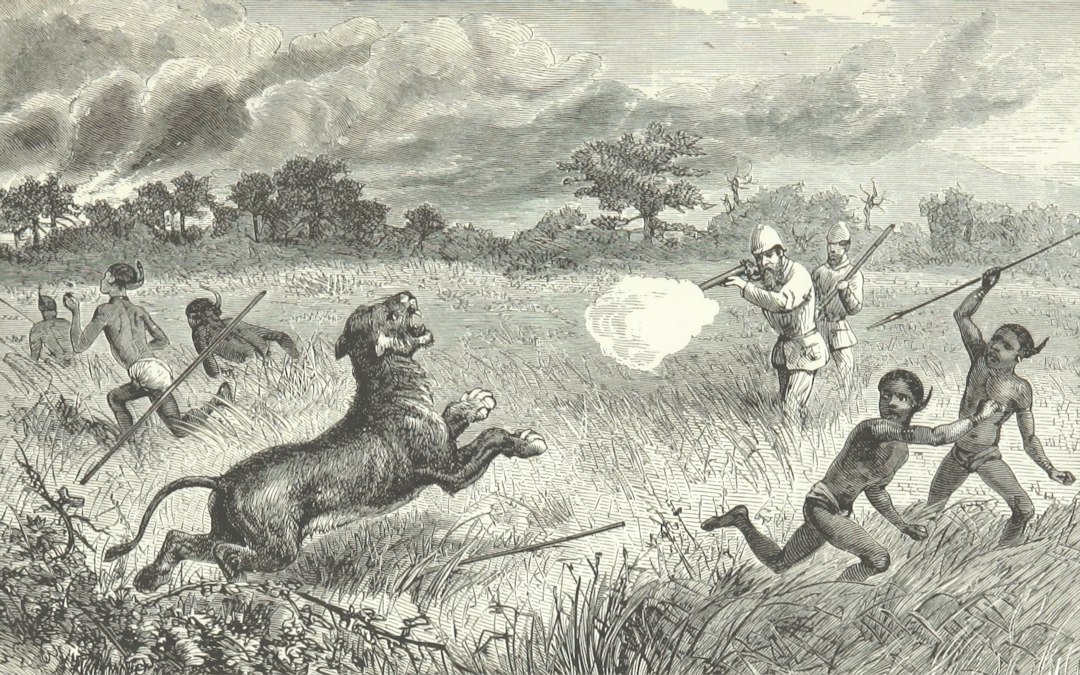
The lives of Upper Paleolithic people were inextricably linked to the migratory patterns of the animals they depended upon. These were not solitary hunters stalking individual prey. Instead, evidence points to sophisticated cooperative hunting strategies. Large game like mammoths, bison, and reindeer required coordinated efforts to bring down. This involved understanding animal behavior, their preferred routes, and the best methods to ambush or drive them into traps. Techniques such as spear-throwing devices, like the atlatl, greatly increased the range and power of projectile weapons, allowing hunters to engage prey from a safer distance.
The sheer scale of some kills, as evidenced by bone assemblages at kill sites, suggests that these hunts were major events, requiring significant planning and participation from the entire group. The success of a hunt meant not only sustenance for a period but also the acquisition of valuable materials. Hides for clothing and shelter, bones for tools and weapons, and sinew for cordage were all derived from their prey. The knowledge of these animals – their habits, their anatomy, their seasonal cycles – would have been encyclopedic, passed down through generations via oral traditions. The stories of great hunts, of heroic feats, and of the respect shown to the animals that provided life would have been central to their developing lore.
The Dawn of Symbolic Thought: Art and Ornamentation
Perhaps the most compelling evidence for the intellectual and spiritual lives of Upper Paleolithic people comes from the explosion of art and ornamentation. Cave paintings, such as those found at Lascaux, Chauvet, and Altamira, depict a vibrant and detailed world of animals, often rendered with remarkable naturalism and artistic skill. These are not mere scribbles; they are sophisticated representations that suggest a deep understanding of animal anatomy and behavior. The purpose of these paintings remains a subject of debate among archaeologists. Theories range from shamanistic rituals and sympathetic magic aimed at ensuring successful hunts, to storytelling, initiation rites, and the mapping of territories.
Beyond cave art, personal adornment played a significant role. Beads made from shell, bone, and ivory have been found in abundance, often arranged in intricate patterns. These objects suggest a sense of aesthetics, identity, and social status. The creation of these ornaments would have required fine motor skills and an understanding of materials. The portability of these items also implies that they were carried by individuals, perhaps carrying personal or group significance. The existence of these beautiful and intricate objects, far removed from purely utilitarian concerns, is a powerful testament to the emerging complexity of human consciousness and the development of symbolic communication. The stories associated with these decorations, perhaps representing clan totems, spiritual beliefs, or personal achievements, would have been integral to their cultural fabric.
Exploring the historical lore that describes life twenty thousand years ago reveals fascinating insights into the human experience during the last Ice Age. This period was marked by significant climatic changes and the adaptation of early humans to their environments. For a deeper understanding of how ancient climates influenced human societies and the potential cover-ups surrounding these events, you can read the article “Uncovering Ancient Climate Collapse Cover-Up” at this link.
The World of the Nomads: Understanding Paleolithic Shelter and Mobility
The life of an Upper Paleolithic individual was largely defined by movement. The nomadic existence was not a matter of choice in the modern sense but a necessity dictated by the pursuit of food and other vital resources. The ebb and flow of game herds, the seasonal availability of plants, and the need to avoid overhunting an area all contributed to a mobile lifestyle. This required a sophisticated understanding of the landscape, its resources, and its potential hazards.
Adaptable Dwellings for a Transient Life
While many Upper Paleolithic groups likely lived in temporary shelters made from perishable materials such as animal hides stretched over wooden frames or brushwood, archaeological evidence also points to more substantial, though still portable, structures. The discovery of mammoth bone huts in Eastern Europe, particularly in regions like Mezhirich in Ukraine, provides a fascinating glimpse into more permanent, albeit seasonally occupied, dwellings. These structures were ingeniously constructed using the large bones of mammoths, often the skulls and leg bones, as structural supports, with mammoth hides likely forming the roofing and walls. These were not haphazard constructions but carefully planned shelters, often with distinct living areas, hearths, and even storage pits.
The existence of such substantial dwellings suggests a degree of resourcefulness and ingenuity in utilizing the available materials. The mammoth bone huts, while large, were likely designed to be dismantled and moved if necessary, or at least to be reoccupied seasonally. The selection of these specific sites, often near water sources and in areas frequented by game, indicates a deep knowledge of the environment and its optimal locations for settlement. These structures would have offered significant protection from the harsh Paleolithic climate, providing a communal space for families or small groups to live, cook, and sleep. The stories associated with these homes, perhaps of their construction, their protective qualities, or the generations who lived within their walls, would have been woven into the oral traditions of these communities.
Tracks and Trails: Navigating the Vastness
The mobility of Paleolithic peoples meant that a deep understanding of geography and the ability to navigate vast distances were essential skills. They would have relied on a variety of cues to find their way, including celestial bodies, prominent landforms, and the behavior of animals. The establishment of seasonal hunting grounds and migratory routes would have been passed down through generations, forming a cognitive map of their world. This knowledge would have been embedded in their stories, with tales of journeys, encounters with unfamiliar landscapes, and the challenges of traversing vast territories.
The existence of interconnected networks of nomadic groups is also suggested by the distribution of certain raw materials, such as specific types of flint or obsidian, found far from their original geological sources. This implies a system of trade or exchange, which would have necessitated extensive travel and interaction between different communities. The shared understanding of routes and safe passage would have been crucial for the continuation of these exchanges. The lore of these ancient travelers would likely have contained detailed accounts of their journeys, the landmarks that guided them, and the people they encountered along the way. These narratives would have served as guidebooks, imparting vital knowledge for survival and connection in a sparsely populated and geographically diverse world.
The Inner World: Beliefs, Rituals, and the Spiritual Landscape
While we cannot directly access the thoughts and beliefs of our Paleolithic ancestors, the archaeological evidence provides tantalizing clues about their spiritual and symbolic lives. The human mind, even 20,000 years ago, was clearly capable of abstract thought, wonder, and a desire to understand the world beyond the immediate material needs.
Totems, Spirits, and the Ancestral Connection
The prevalence of animal imagery in Upper Paleolithic art strongly suggests that animals held significant cultural and spiritual importance. Whether these were seen as deities, ancestral spirits, or embodiments of powerful forces is difficult to ascertain definitively. However, it is plausible that various animals were revered for their strength, speed, cunning, or other perceived qualities. The concept of totemic animals, where a group or individual claims a spiritual connection to a particular animal species, is a widespread phenomenon in human societies and likely had roots in the Paleolithic.
The stories of these connections would have been central to their identity. Tales of how their ancestors were transformed into animals, or how a particular animal guided their people, would have reinforced their sense of belonging and their place in the natural world. The act of hunting, while a necessity, may have also been imbued with ritualistic elements, with prayers or offerings made to the spirits of the animals being hunted, seeking their permission or guidance. This would have fostered a sense of reciprocity and respect for the natural world, recognizing that their survival was dependent on the lives of other beings.
The Shaman and the Spirit Realm
The presence of elaborate burial practices, sometimes with grave goods, suggests a belief in an afterlife or a continued existence beyond death. The careful placement of the deceased, sometimes adorned with ornaments, indicates a respect for the dead and a desire to accompany them into the next realm. The figures of shamans, individuals who are believed to mediate between the human and spirit worlds, are likely to have existed in Paleolithic societies.
The cave paintings themselves are often interpreted as having shamanistic connections. The act of entering deep, often dark and secluded, caves to create art could be seen as a journey into a sacred space, a liminal zone where communication with the spirit world was possible. The depictions of hybrid human-animal figures, or of figures in altered states of consciousness, further support this interpretation. The lore of these societies would undoubtedly have contained intricate narratives about these journeys, the spirits encountered, the visions seen, and the wisdom gained, all of which would have been crucial for the well-being and spiritual health of the community. The stories of the shaman’s power to heal, to divine the future, or to bring good fortune would have been vital elements of their oral traditions.
Tools of Survival and Ingenuity: Crafting a Life from the Earth
The Upper Paleolithic period witnessed remarkable advancements in toolmaking technology. The human capacity for innovation and adaptation is vividly illustrated by the diverse array of tools that have been unearthed, each meticulously crafted to address specific needs. These were not crude implements but sophisticated instruments that enabled survival in a challenging environment.
The Art of Lithics: Blades, Scrapers, and Points
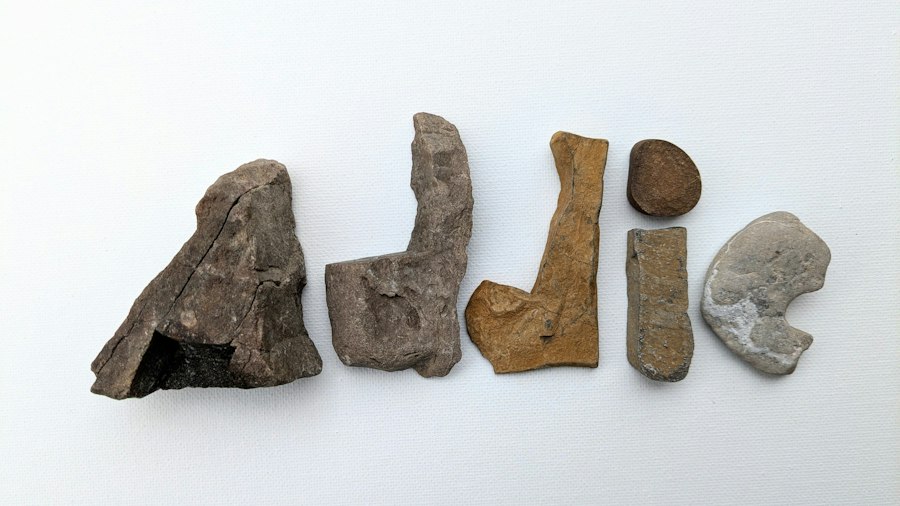
Stone, primarily flint and chert, was the primary material for tool production. The technique of knapping, the controlled fracturing of stone to create sharp edges and specific shapes, reached a high degree of sophistication during this period. The development of the blade technique, where long, parallel-sided flakes were struck from a core, provided a ready source of sharp cutting edges. These blades were then further shaped into a variety of tools.
Scrapers, with their convex or concave edges, were essential for preparing hides, removing flesh and fat to make clothing and shelter. Knives, with their straight or slightly curved blades, were used for butchering animals, preparing food, and woodworking. Projectile points, meticulously shaped for spears and later likely for bows, were crucial for hunting. The variety in the size and form of these points suggests specialization for different types of prey. The knowledge of where to find the best quality stone, how to transport it, and the precise techniques for shaping it would have been a vital part of the lore, passed down through master craftsmen to apprentices. Stories of particularly successful hunts, enabled by exceptionally well-crafted tools, would have reinforced the importance of these skills.
Beyond Stone: Bone, Antler, and Ivory
While stone tools are the most durable and thus most frequently found, evidence suggests that Upper Paleolithic peoples were also adept at working with other materials. Bone, antler, and ivory were fashioned into a wide range of implements. Awls, made from sharpened bone or antler, were used for piercing holes in hides for sewing. Needles, often with delicate eyes, are testament to the development of tailored clothing, a critical adaptation for survival in colder climates. Harpoons, with their barbed points, were effective for fishing and hunting aquatic animals.
The aesthetic qualities of these materials were also recognized. Carvings on bone and antler, often depicting animals or abstract designs, are found alongside utilitarian tools. This further underscores the dual nature of their creations, serving both practical and symbolic purposes. The lore surrounding these objects might have included tales of the animals from which these materials were derived, imbuing the tools with a spiritual connection to the creature. The stories of master artisans who could coax such beauty and utility from seemingly simple materials would have been part of the cultural tapestry. The development of sophisticated techniques for carving and polishing these materials highlights a refined understanding of their properties and a dedication to craftsmanship.
Exploring the historical lore that describes life twenty thousand years ago reveals fascinating insights into the human experience during the last Ice Age. This period was marked by the migration of early humans, their adaptation to harsh climates, and the development of tools and social structures. For a deeper understanding of this era, you can read about the intriguing connections between ancient civilizations and their environments in the article on the glacier mystery, which provides a captivating look at how these factors shaped human life. To learn more, visit this article.
Sustenance and the Cycles of Nature: Food Gathering and Early Agriculture
| Type of Historical Lore | Description | Key Characteristics | Examples |
|---|---|---|---|
| Archaeological Lore | Information derived from artifacts, fossils, and ancient tools. | Stone tools, cave paintings, burial sites, early human remains. | Clovis culture tools, Lascaux cave paintings. |
| Mythological Lore | Oral traditions and myths passed down through generations describing ancient life. | Creation myths, ancestral stories, nature spirits, and early human struggles. | Indigenous Australian Dreamtime stories, Native American origin myths. |
| Anthropological Lore | Studies of early human behavior, social structures, and cultural practices. | Hunter-gatherer societies, clan systems, early rituals. | Studies of Paleolithic hunter-gatherers, Neanderthal social behavior. |
| Geological Lore | Information about the environment and climate conditions affecting life. | Ice Age climate, flora and fauna, migration patterns. | Last Glacial Maximum data, megafauna extinction records. |
| Genetic Lore | Insights from DNA analysis tracing human ancestry and migration. | Genetic markers, population bottlenecks, interbreeding with archaic humans. | Studies on mitochondrial Eve, Denisovan and Neanderthal DNA. |
The subsistence strategies of Upper Paleolithic peoples were primarily based on hunting and gathering, a practice that required an intimate knowledge of the environment and its seasonal rhythms. This was a life lived in close connection with the natural world, understanding its cycles and its bounty.
The Hunter’s Bounty and the Gatherer’s Wisdom
The diet of these early humans was varied and dependent on their geographical location. In colder regions, large game like mammoths, reindeer, and bison formed a significant part of their diet. The successful hunting of these animals provided not only meat but also fat, a crucial source of energy, and bone marrow. However, hunting was a precarious endeavor, and reliance on a single food source would have been risky.
Complementing the hunter’s success was the gatherer’s knowledge. Wild plants, berries, nuts, roots, and tubers provided essential vitamins, minerals, and carbohydrates. The ability to identify edible plants and distinguish them from poisonous varieties was a critical skill, learned through years of observation and passed down through generations. The lore of these peoples would have been rich with information about the edible plants in their territories, their seasonal availability, and their preparation methods. Stories of particularly abundant harvests or of the challenges of finding food during lean times would have been common. The timing of these harvests, dictated by the seasons, would have informed their migratory patterns and their annual cycle of life.
The Seeds of Change: Early Food Management and Precursors to Agriculture
While full-blown agriculture as we understand it today was still millennia away, there is evidence to suggest that some Upper Paleolithic groups were beginning to actively manage their food resources. This could have involved practices such as encouraging the growth of desirable wild plants by clearing competing vegetation, or even collecting and storing seeds for future use. While not true cultivation, these actions represent a nascent understanding of controlling and influencing food production.
The development of more sedentary lifestyles in some areas towards the end of the Upper Paleolithic, particularly in regions with abundant resources like the Levant, may have been a precursor to the Neolithic Revolution. The lore of these more settled groups might have begun to reflect a deeper connection to specific places, with stories of the land itself, its fertility, and its enduring bounty. The understanding of plant life cycles, the preparation of food, and the organization of communal meals would have been central to their daily lives and would have found expression in their evolving traditions and narratives. The shift from a purely nomadic existence to a more settled one, even if seasonal, would have undoubtedly influenced the stories they told and the knowledge they sought to preserve.

Life 20,000 Years Ago | When an Ice Age Wildfire Traps Your Primitive Family
FAQs
What types of evidence do historians use to understand life twenty thousand years ago?
Historians and archaeologists rely on various types of evidence to reconstruct life twenty thousand years ago, including archaeological artifacts, cave paintings, tools, and remains of ancient structures. Additionally, they study fossilized remains of plants and animals, as well as environmental data from sediment cores, to gain insights into the climate and ecosystems of that era.
What were the primary lifestyles of humans twenty thousand years ago?
Twenty thousand years ago, during the Upper Paleolithic period, humans primarily lived as hunter-gatherers. They relied on hunting wild animals and foraging for edible plants, fruits, and nuts. This nomadic lifestyle required them to move frequently in search of food and resources, often following migratory patterns of animals.
How did climate change affect human life twenty thousand years ago?
During this period, the Earth was experiencing the last Ice Age, which significantly impacted human life. The colder climate led to the expansion of glaciers and a reduction in habitable land. Humans adapted by developing new hunting strategies, creating specialized tools for ice and snow, and seeking shelter in caves or constructing temporary dwellings.
What role did art play in the lives of people twenty thousand years ago?
Art played a crucial role in the lives of people twenty thousand years ago, serving both practical and symbolic purposes. Cave paintings, carvings, and portable art objects often depicted animals and hunting scenes, which may have held spiritual significance or been used in rituals. Art also served as a means of communication and expression within their communities.
What were some of the technological advancements made by humans during this time?
Humans twenty thousand years ago made significant technological advancements, including the development of sophisticated stone tools, such as blades and points made from flint. They also created specialized tools for hunting, such as atlatls (spear-throwers) and fishing gear. Additionally, the use of fire for cooking and warmth was essential for survival during this period.