The World As They Knew It: Landscapes and Climate 20,000 Years Ago
Twenty thousand years ago, the planet was a dramatically different place, shaped by the relentless forces of the Last Glacial Maximum. This period, often referred to as the “Ice Age,” profoundly influenced the environments in which early humans lived, dictating their migratory patterns, the resources available to them, and the very challenges they faced daily. Understanding these prehistoric landscapes is crucial for appreciating the resilience and adaptability of our ancestors.
Glacial Dominance and Its Reach
The most striking feature of the Earth’s geography 20,000 years ago was the immense extent of glaciation. Vast ice sheets, thousands of feet thick, covered significant portions of North America, Europe, and Asia. In North America, the Laurentide Ice Sheet stretched from the Arctic down to what is now the Ohio River Valley, burying much of Canada and the northern United States under its frigid embrace. Similarly, the Fennoscandian Ice Sheet dominated Northern Europe, extending its icy grip across Scandinavia, parts of the British Isles, and into Russia. These colossal ice masses acted as powerful sculptors of the land, carving out fjords, creating vast moraines, and shaping the topography for millennia to come.
Shifting Coastlines and Exposed Land Bridges
The enormous volume of water locked up in glacial ice had a significant impact on global sea levels. Sea levels were approximately 120 meters (around 400 feet) lower than they are today. This dramatic drop exposed vast areas of continental shelves, creating land bridges that facilitated human migration and the movement of fauna. The most famous of these is Beringia, the land bridge connecting Siberia and Alaska, which served as a crucial corridor for the peopling of the Americas. Other submerged landmasses, like Doggerland in the North Sea, which once connected Britain to mainland Europe, and Sundaland in Southeast Asia, which linked the islands of Indonesia to the mainland, were also exposed, offering new territories for exploration and resource exploitation. These exposed regions were not barren wastelands; they were likely rich in resources, supporting diverse ecosystems and offering new hunting grounds.
Tundra, Steppe, and the Megafauna Realm
The climate, while generally colder and drier than today, was not uniformly icy. Beyond the glacial margins, vast expanses of tundra and cold steppe dominated much of the landscape. These were open, treeless environments characterized by permafrost, low-growing vegetation, and harsh winds. However, these seemingly inhospitable regions were teeming with life, particularly the now-extinct megafauna. Herds of woolly mammoths, woolly rhinoceroses, steppe bison, and giant deer roamed these plains, their massive bodies adapted to the cold and their grazing a vital part of the ecosystem. These animals were not just part of the landscape; they were the primary source of sustenance for many human groups, forming the cornerstone of their hunting strategies and their entire way of life. The presence of these large herbivores also influenced the vegetation, keeping the grasslands open and preventing the encroachment of dense forests.
Refuge Areas and Emerging Forests
While the dominant theme was cold and ice, there were also significant refuge areas where conditions were slightly more temperate, allowing for the survival of forests. In parts of southern Europe, for instance, coniferous and deciduous forests persisted, providing shelter, fuel, and different types of game. Similarly, in parts of Asia, pockets of forests offered alternative resources and habitats. As the ice sheets began their slow retreat towards the end of this period, these forest refuges expanded, and new ecological zones emerged, leading to shifts in both human and animal populations. The transition out of the glacial maximum saw the gradual warming of the planet, the melting of ice sheets, and the subsequent rise in sea levels, fundamentally altering the world once again.
Prehistoric human life around 20,000 years ago was marked by significant developments in social structures, tool-making, and survival strategies as our ancestors adapted to changing climates and environments. A fascinating exploration of how these early humans navigated their world can be found in the article “The Threat of State Collapse,” which discusses the implications of societal structures and their vulnerabilities throughout history. To learn more about the connections between ancient human life and modern societal challenges, you can read the article here: The Threat of State Collapse.
The Human Condition: Social Structures and Daily Life
Life 20,000 years ago was a constant negotiation with nature, a delicate balance of survival, cooperation, and innovation. While specific details of social organization remain elusive due to the nature of archaeological evidence, patterns in settlement, tool use, and artistic expression offer compelling insights into how these prehistoric humans lived, interacted, and structured their societies. Their existence was characterized by a profound connection to their environment and a reliance on the skills and knowledge passed down through generations.
Nomadic Existence and the Rhythms of Nature
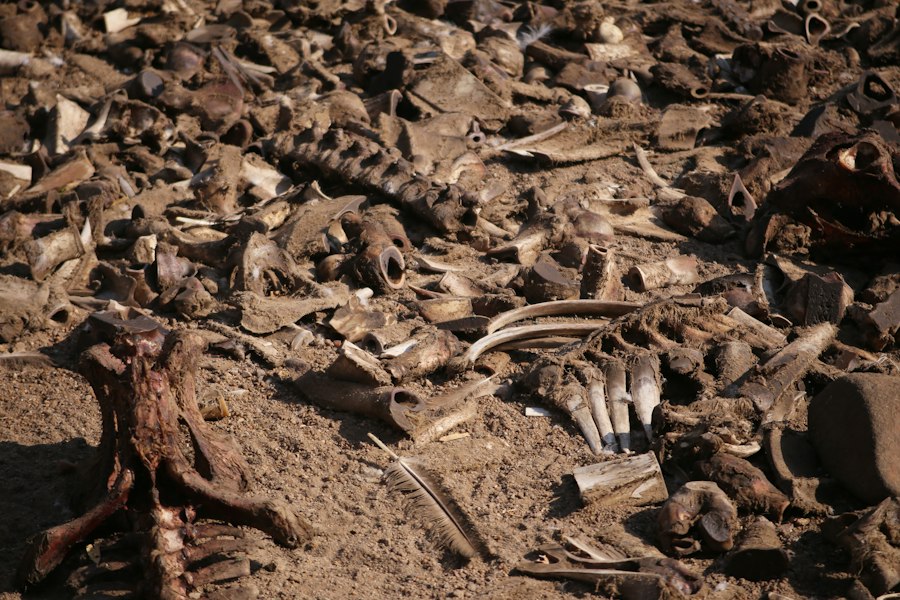
The vast majority of humans 20,000 years ago lived a nomadic or semi-nomadic existence. Their movements were dictated by the availability of resources, particularly the migratory patterns of their prey. They followed herds of mammoth, bison, and other large animals across the plains, adapting their lives to the seasonal cycles of the natural world. This nomadic lifestyle necessitated small, mobile social units, likely consisting of extended family groups or bands of related individuals. These groups would establish temporary camps in sheltered locations, near water sources and game trails. Their shelters were often simple, constructed from readily available materials such as animal hides, branches, and mammoth bones, designed for quick assembly and disassembly.
Hunter-Gatherer Economy: A Deep Understanding of the Environment
The economy of these prehistoric societies was entirely based on hunting and gathering. Their survival depended on an intimate and profound understanding of the natural world. Hunters possessed exceptional knowledge of animal behavior, tracking skills, and the effective use of their hunting tools. They understood the edible plants, roots, berries, and medicinal herbs available in their territories, knowing when and where to find them. This deep ecological knowledge was not merely practical; it was a form of sophisticated science, accumulated and refined over millennia. The division of labor within these groups likely followed gender lines, with men primarily engaged in hunting large game and women responsible for gathering, preparing food, processing hides, and caring for children. This cooperative interdependence was fundamental to their survival.
The Importance of Tools and Technology
Technological innovation was central to human adaptation 20,000 years ago. The lithic toolkit, composed of stone tools, was highly sophisticated and varied, reflecting the diverse needs of their lifestyle. The Levallois technique, a method of preparing a core to produce predictable flakes, was well-established, allowing for the efficient creation of sharp blades, scrapers, and points. Bone, antler, and ivory were also extensively used to craft implements such as needles, awls, harpoons, and spear throwers (atlatls). The atlatl, a lever that significantly increased the velocity and range of a spear, was a crucial technological advancement, enhancing hunting success and safety. Furthermore, the mastery of fire was indispensable. Fire provided warmth, light, protection from predators, and a means to cook food, making it more digestible and safer to consume. It also played a vital role in shaping landscapes, clearing vegetation, and hardening tool tips.
Social Bonds and the Transmission of Knowledge
While archaeological evidence for complex social structures is limited, the presence of shared cultural practices, such as burial rituals and the creation of art, suggests a level of social cohesion and shared identity. The careful burial of the dead, often with grave goods, indicates a reverence for ancestors and a belief system that extended beyond the immediate present. The transmission of knowledge, skills, and cultural traditions was primarily oral, passed down from elders to younger generations through storytelling, demonstrations, and shared activities. This ensured the continuity of their way of life and the preservation of crucial survival information. Rituals and ceremonies likely played a significant role in reinforcing social bonds, celebrating successful hunts, and marking important life events.
The Art of Survival: Tools, Technology, and Innovation
The lives of humans 20,000 years ago were inextricably linked to their ability to craft and utilize tools and technologies. These innovations were not mere conveniences; they were the very engines of their survival, enabling them to hunt, prepare food, build shelter, and navigate their challenging environments. The archaeological record is a testament to their ingenuity, revealing a sophisticated understanding of materials and a remarkable capacity for problem-solving.
Lithic Mastery: The Foundation of Prehistoric Technology
Stone tools, or lithics, formed the bedrock of prehistoric technology. For millennia, humans refined their techniques for shaping stone into functional implements. By 20,000 years ago, this mastery was highly advanced. The Upper Paleolithic period, to which this era belongs, is characterized by the production of blades and blade cores, allowing for the creation of a wide array of sharp cutting edges. The Levallois technique, a highly sophisticated method of core preparation to produce specific flake shapes, continued to be employed, demonstrating a deep understanding of fracture mechanics. Tools like scrapers, used for preparing animal hides for clothing and shelter, knives for butchering, and spear points for hunting, were meticulously crafted. Different stone types, such as flint, chert, and obsidian, were chosen for their specific properties, showcasing a nuanced understanding of material science.
Beyond Stone: The Versatility of Bone, Antler, and Ivory
While stone was paramount, humans 20,000 years ago also exploited the potential of organic materials with remarkable skill. Bone, antler, and ivory from hunted animals were transformed into a diverse range of tools and artifacts. Needles with finely pierced eyes, often found at sites, demonstrate the ability to sew animal hides into durable clothing and shelters, providing crucial insulation against the cold. Awls, used for piercing holes, and chisels, for carving, were also fashioned from these materials. The development of the spear thrower, or atlatl, was a significant technological leap. Made from bone, antler, or wood, this device acted as a lever, greatly increasing the force and distance with which a spear could be thrown. This innovation not only made hunting larger and more dangerous prey more feasible but also increased the safety margin for hunters. Harpoons, barbed points designed to secure prey, particularly fish and marine mammals, were also skillfully crafted from bone and antler.
The Indispensable Power of Fire
The control and utilization of fire was a defining achievement of early humans and remained absolutely essential 20,000 years ago. Fire provided warmth in the frigid landscapes, extending the usable hours of the day and allowing for survival in colder climates. It offered protection from predators, its flickering flames acting as a deterrent. Fire was crucial for cooking food, rendering tough meats more digestible and killing harmful pathogens, which likely contributed to improved health and longevity. Furthermore, fire was used in tool production, to harden wooden spear tips, to shape bone implements, and even in some instances, for land management to encourage the growth of certain edible plants. The creation of fire itself, whether through friction methods like the fire drill or by striking specific types of stone, was a skill requiring considerable knowledge and practice.
Shelter and Construction: Engineering with Nature
The need for shelter was paramount, and humans 20,000 years ago demonstrated remarkable ingenuity in their construction methods. In areas with readily available wood, they would construct more substantial structures. However, in the treeless tundra and steppe environments, they adapted by utilizing the bones of large animals. Mammoth bones, in particular, were used as structural elements for semi-subterranean dwellings, often covered with animal hides or sod. These structures provided essential insulation and protection from the harsh elements. The careful placement of these bone huts suggests an understanding of wind patterns and snow drift. Evidence of hearths within these structures indicates the central role of fire in domestic life. The ability to design and construct these shelters, often for extended periods, highlights their capacity for planning and communal effort.
The Inner World: Beliefs, Rituals, and Artistic Expression
Beyond the practicalities of survival, the humans of 20,000 years ago possessed a rich inner world, evidenced by their evolving belief systems, their ritualistic practices, and their profound artistic expression. These elements offer glimpses into their understanding of life, death, the cosmos, and their place within it, revealing a depth of thought and emotion that resonates with us even today.
The Enigma of Early Belief Systems
While direct evidence of religious doctrines is absent, the archaeological record offers compelling clues about the spiritual lives of these prehistoric peoples. The careful treatment of the dead, often accompanied by grave goods such as tools, ornaments, or ochre, suggests a belief in an afterlife or a continued existence beyond death. These burials were not haphazard; they were deliberate acts that indicate a reverence for ancestors and a desire to equip them for their journey into the next realm. The presence of ochre, a natural pigment, in burials is particularly noteworthy. Its symbolic meaning is debated, but it is often associated with blood, life force, and possibly, as a means of preserving the deceased or marking them as special. The consistency of these practices across different geographical regions suggests a shared or at least influenced understanding of fundamental spiritual concepts.
Ritual and Ceremony: Binding Communities Together
Rituals and ceremonies likely played a crucial role in the social and spiritual fabric of these communities. These events would have served to strengthen social bonds, reinforce group identity, and mark significant transitions in life, such as births, coming-of-age ceremonies, and deaths. Successful hunts would undoubtedly have been celebrated with elaborate rituals, giving thanks to the spirits of the animals and ensuring continued favor for future endeavors. These gatherings provided opportunities for the transmission of knowledge, the sharing of stories, and the strengthening of collective memory. The rhythmic chanting, dancing, and communal feasting associated with such events would have fostered a sense of belonging and shared purpose.
The Dawn of Art: Cave Paintings and Engravings
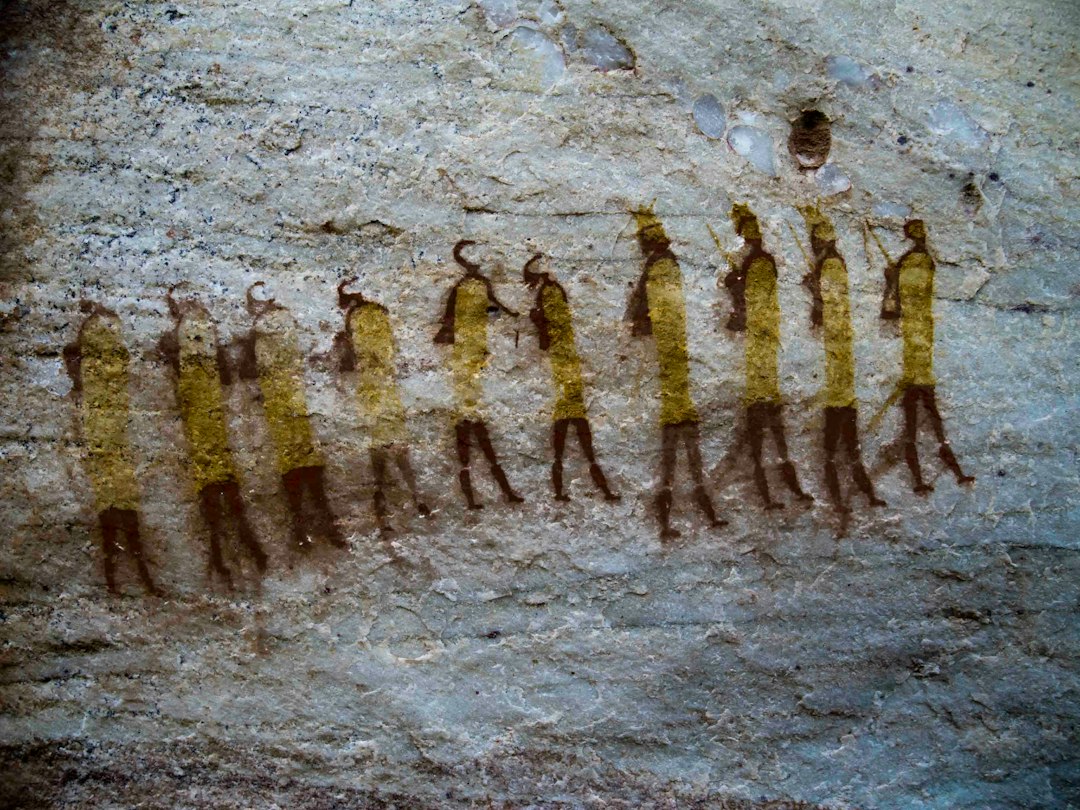
The most breathtaking evidence of the inner world of these early humans comes from their artistic creations, particularly the spectacular cave paintings and engravings that adorn the walls of caves across Europe and other parts of the world. Sites like Lascaux and Chauvet in France, dating to this period, feature incredibly lifelike depictions of animals such as horses, bison, mammoths, and deer. These artworks are not merely decorative; they are rich in symbolism and suggest a deep connection to the natural world and the animals that sustained them. The skill and artistic talent displayed are remarkable, demonstrating a sophisticated understanding of perspective, form, and movement. The placement of some of these paintings in deep, inaccessible parts of caves suggests that they were part of ritualistic practices, perhaps intended to ensure hunting success, to communicate with the spirit world, or to serve as a form of shamanic journey.
Portable Art: A Personal Connection to the Abstract
Alongside the grand cave art, there exists a wealth of portable art, objects that could be carried and perhaps used in personal or small-group rituals. These include small figurines carved from bone, ivory, or stone, often depicting animals or stylized human forms, the famous “Venus” figurines being a prime example. These figurines, with their exaggerated feminine features, are often interpreted as symbols of fertility and abundance, reflecting the vital importance of reproduction for the survival of their groups. Engraved tools, weapons, and personal ornaments also feature intricate designs, suggesting a desire to imbue everyday objects with meaning and beauty. These artistic expressions, whether monumental or intimate, reveal a capacity for abstract thought, imagination, and a profound engagement with the world around them, both tangible and intangible.
Recent studies have shed light on prehistoric human life, particularly focusing on the adaptations and survival strategies of our ancestors around 20,000 years ago. These findings highlight the significance of environmental changes during that period, which played a crucial role in shaping human behavior and migration patterns. For a deeper understanding of how ancient climates influenced human development, you can explore this insightful article on the seismic profiling of the Antarctic ice cap, which provides valuable context on the Earth’s climatic history. Check it out here.
The Legacy of the Ice Age: Human Adaptation and Evolution
| Aspect | Details |
|---|---|
| Time Period | Approximately 20,000 years ago (Late Upper Paleolithic) |
| Human Species | Homo sapiens (modern humans), Neanderthals extinct by this time |
| Population Estimate | Approximately 1-10 million globally |
| Primary Subsistence | Hunter-gatherer lifestyle; hunting large game, gathering plants |
| Tools and Technology | Stone tools (blade technology), bone and antler tools, early sewing needles |
| Clothing | Animal hides and furs, sewn with bone needles |
| Habitat | Caves, rock shelters, temporary campsites |
| Art and Culture | Cave paintings, carvings, personal ornaments like beads |
| Climate | Last Glacial Maximum, colder and drier global climate |
| Social Structure | Small bands or tribes, cooperative hunting and gathering |
The period 20,000 years ago, situated at the height of the Last Glacial Maximum and the cusp of the deglaciation, represents a pivotal moment in human history. It was a time of immense environmental pressure, but it was also a crucible of adaptation, innovation, and ultimately, the shaping of our species. The challenges and opportunities presented by this era left an indelible mark on human biology, behavior, and the trajectory of our evolution.
Biological Adaptations to a Harsh World
The extreme cold and scarcity of resources during the Ice Age likely exerted significant selective pressures on early human populations. While direct evidence of specific biological adaptations from this period is limited, general trends can be inferred from skeletal remains. Cranial and post-cranial morphology of Upper Paleolithic peoples, compared to earlier hominins, often exhibits features that could be interpreted as adaptations to colder climates, such as broader torsos and shorter limbs, reducing surface area to volume ratio and conserving heat. Similarly, dietary adaptations were crucial. The reliance on large game provided essential fats and proteins, and the development of cooking techniques likely improved nutrient absorption and digestibility. The development of robust immune systems, capable of fending off infections in challenging conditions, would also have been advantageous.
The Cognitive Leap: Problem-Solving and Social Complexity
The technological and artistic achievements of this era point to significant cognitive advancements. The development of complex toolkits, the creation of symbolic art, and the sophisticated hunting strategies all indicate enhanced problem-solving abilities, abstract thinking, and planning capabilities. The increasing complexity of social interactions, evidenced by shared artistic styles and burial practices, suggests the evolution of more intricate communication skills and the capacity for cooperation on a larger scale. These cognitive developments were not merely a consequence of environmental pressure; they were also crucial drivers of adaptation, allowing humans to overcome obstacles and exploit new opportunities. The social learning and transmission of knowledge became increasingly important, ensuring that successful strategies were passed down and refined.
Migration and the Peopling of the Globe
The dramatic shifts in sea levels and the emergence of land bridges during this period facilitated human migration across vast distances. The exposure of Beringia, as mentioned earlier, was instrumental in the peopling of the Americas, a remarkable feat of exploration and endurance. Similarly, exposed landmasses elsewhere would have opened up new territories for settlement and resource exploitation. These migrations were not simply passive movements; they involved a deep understanding of geography, navigation, and the ability to adapt to diverse and often unfamiliar environments. The genetic diversity observed in human populations today is a direct legacy of these ancient migratory waves, a testament to the restless spirit and adaptability of our ancestors.
The Precursor to Modernity: Laying the Foundations
The period 20,000 years ago was not an end point but a crucial phase in the development of human civilization. The innovations in technology, the development of complex social structures, the emergence of symbolic thought and artistic expression, and the expansion across the globe all laid the groundwork for subsequent human development. The eventual warming of the climate, the retreat of the glaciers, and the rise of sea levels would bring about new challenges and opportunities, leading to the development of agriculture, settled communities, and the complex societies we recognize today. The resilience, ingenuity, and adaptability displayed by humans during the height of the Ice Age are fundamental to understanding our species’ remarkable journey and our enduring capacity to thrive in even the most challenging circumstances. Their lives, though vastly different from our own, offer a profound reminder of the deep roots of human achievement and the enduring power of the human spirit.

Life 20,000 Years Ago: The Ultimate Ice Age Fight to Survive
FAQs
What tools did prehistoric humans use 20,000 years ago?
Prehistoric humans 20,000 years ago used tools made of stone, bone, and wood. These tools included hand axes, spears, knives, and scrapers, which were essential for hunting, gathering, and crafting.
How did prehistoric humans communicate with each other 20,000 years ago?
Prehistoric humans 20,000 years ago communicated through a combination of gestures, vocalizations, and possibly early forms of language. They used these methods to convey information, coordinate activities, and build social bonds within their communities.
What did prehistoric humans eat 20,000 years ago?
Prehistoric humans 20,000 years ago had a diet that consisted mainly of wild plants, fruits, nuts, seeds, and roots. They also hunted animals such as mammoths, bison, deer, and fish for meat, which provided them with essential nutrients for survival.
How did prehistoric humans shelter themselves 20,000 years ago?
Prehistoric humans 20,000 years ago built shelters using materials such as animal hides, branches, and grass. These shelters, which could be simple huts or caves, provided protection from the elements and served as living spaces for families or small groups.
What evidence do we have of prehistoric art and culture from 20,000 years ago?
Archaeological findings such as cave paintings, sculptures, and artifacts like jewelry and pottery provide evidence of prehistoric art and culture from 20,000 years ago. These creations reflect the creativity, symbolism, and spiritual beliefs of early human societies during that time.