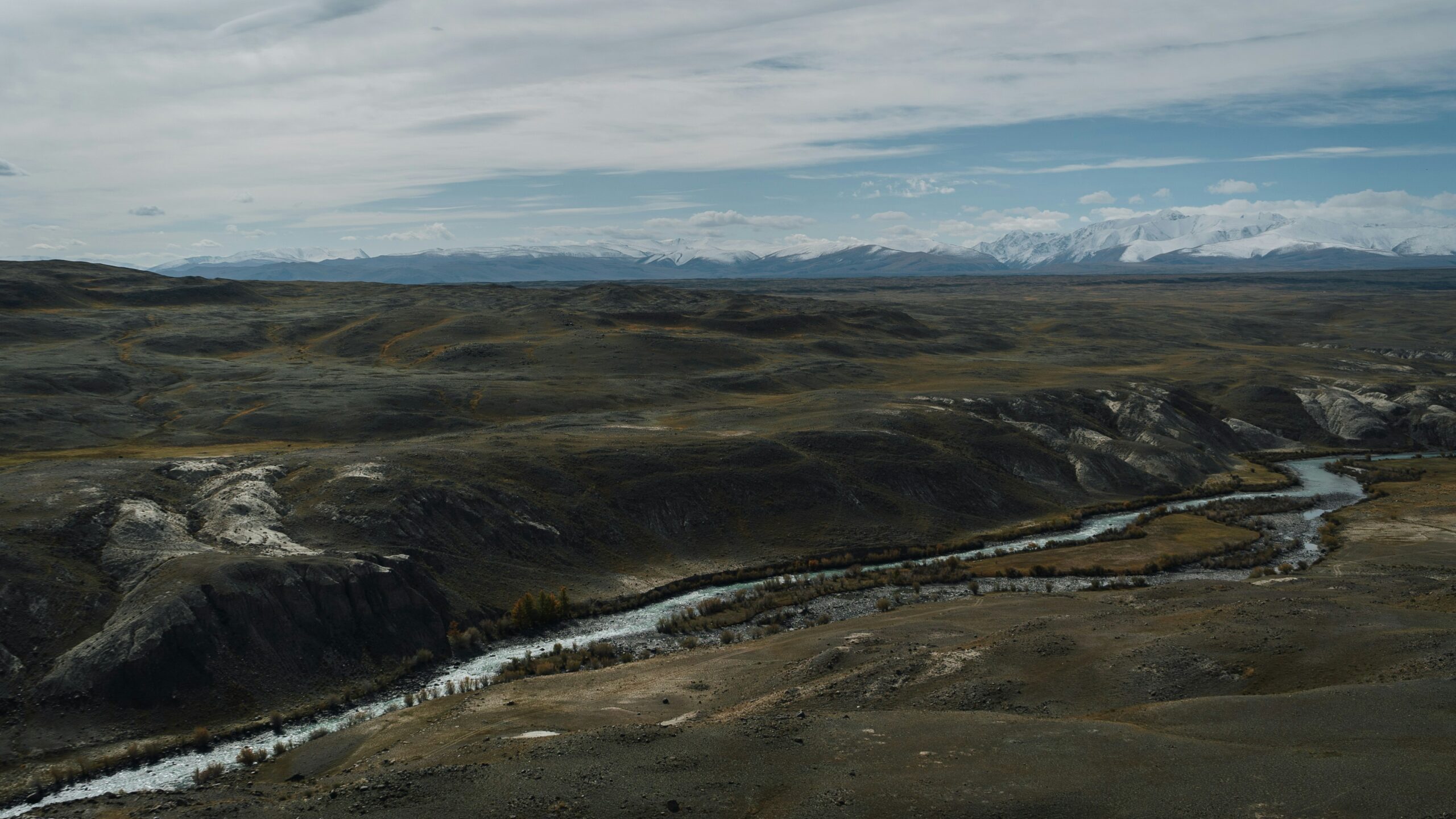
The Echoes of an Ice Age: Unraveling Pleistocene Life and Climate
The Pleistocene Epoch, a sprawling epoch of Earth’s history, stretched from approximately 2.6 million to 11,700 years ago. It is a period etched in our collective imagination as the “Ice Age,” a time of colossal glaciers, colossal beasts, and dramatic environmental flux. Yet, beneath the surface of this well-known narrative lies a complex tapestry of life’s resilience and adaptation, shaped by a climate that oscillated wildly between frigid extremes and brief, warmer interludes. Scientists, through meticulous study of geological records, fossilized remains, and ancient DNA, are continually unearthing the secrets of this transformative era, painting a vivid picture of a world both alien and surprisingly familiar. The insights gained from the Pleistocene are not merely academic curiosities; they offer profound lessons about the interconnectedness of life and climate, and the potential consequences of rapid environmental change, holding relevance for our current planetary trajectory.
During the Pleistocene Epoch, the Earth experienced significant climatic changes that shaped the environment and influenced the evolution of various species. One intriguing aspect of this period is how the shifting landscapes and rising sea levels affected island ecosystems, leading to unique adaptations among flora and fauna. For a deeper understanding of contemporary issues related to island vulnerability, you can explore the article on this topic at Island Vulnerability: A Growing Concern. This article highlights the ongoing challenges faced by island communities in the context of climate change, drawing parallels to the ecological shifts that occurred during the Pleistocene.
Glacial Cycles and Their Terrestrial Footprints
The defining characteristic of the Pleistocene was its cyclical glaciation. Vast ice sheets, sometimes kilometers thick, advanced and retreated across the continents, profoundly altering landscapes and influencing ecosystems on a global scale. These cycles, driven by subtle variations in Earth’s orbit (Milankovitch cycles), were not uniform but rather comprised a series of glacial periods (stadials) and warmer interglacial periods (interstadials). The sheer scale of these ice sheets meant that immense volumes of water were locked away, leading to significantly lower global sea levels. This had a transformative effect on coastlines, creating land bridges that facilitated the migration of animals and humans, and isolating vast swathes of land, leading to unique evolutionary pathways.
The Mechanics of an Expanding Ice Age
The waxing and waning of ice sheets were not simply passive responses to orbital shifts. A complex interplay of feedback mechanisms amplified and sustained these glacial episodes. Lower temperatures led to increased snow accumulation, which, upon compaction, formed ice. The highly reflective surface of ice (albedo) bounced more solar radiation back into space, further cooling the planet and encouraging more ice growth. Conversely, during interglacial periods, warming temperatures led to ice melt, exposing darker land and ocean surfaces that absorbed more solar radiation, accelerating the warming process. Atmospheric composition also played a role, with lower concentrations of greenhouse gases like carbon dioxide during glacial periods contributing to the colder conditions. The sheer mass of ice exerted immense pressure on the Earth’s crust, causing isostatic depression – the sinking of land under the weight of ice – and subsequent rebound during warmer periods.
Shaping the Modern World: Pleistocene Landscapes
The direct physical consequences of Pleistocene glaciation are still evident today. U-shaped valleys, fjords, drumlins, eskers, and moraines are all testament to the erosive and depositional power of glaciers. As ice sheets advanced, they scraped away soil and rock, carving out dramatic valleys. As they retreated, they deposited vast quantities of sediment, forming the rolling hills and fertile plains that characterize many regions. The redistribution of sediment by meltwater rivers also played a significant role in shaping riverine and deltaic environments. Furthermore, the immense weight of the ice compressed the Earth’s crust, and its removal led to isostatic rebound, a slow upward movement of the land that continues in some areas. This geological dynamism created a constantly shifting mosaic of habitats, forcing life to either adapt, migrate, or perish.
Megafauna: Giants of the Pleistocene

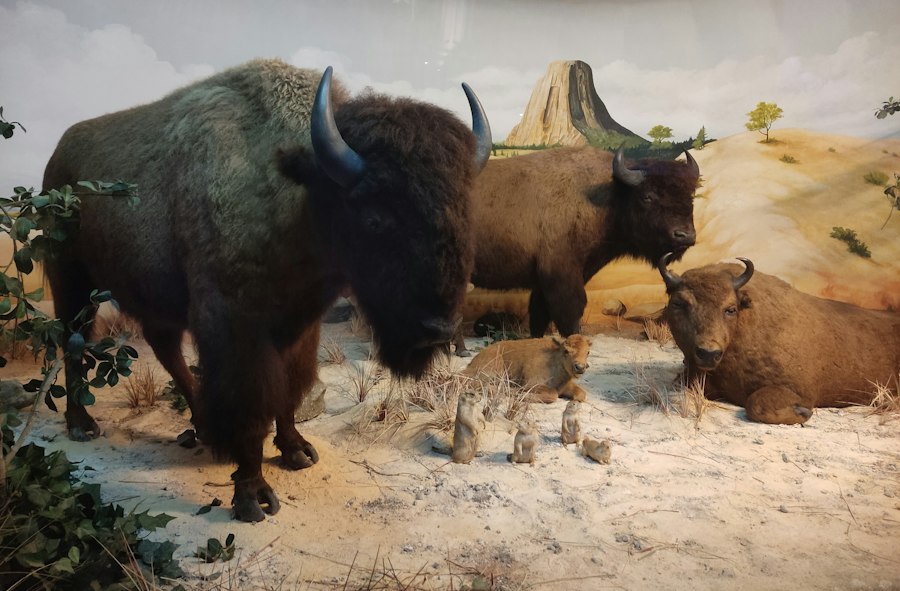
Perhaps the most iconic inhabitants of the Pleistocene were its colossal megafauna. These were animals of immense size, many of which are now extinct. Mammoths, mastodons, giant sloths, saber-toothed cats, cave bears, and woolly rhinoceroses roamed the landscapes, each adapted to specific niches within the fluctuating Pleistocene environments. Their existence provides a fascinating glimpse into the productivity and ecological dynamics of the time, and their eventual demise has long been a subject of scientific debate, with theories ranging from climate change to human impact.
Mammoths and Mastodons: The Prehistoric Elephants
The mammoth and mastodon lineages, both distant relatives of modern elephants, were incredibly successful during the Pleistocene. Mammoths, such as the well-known woolly mammoth (Mammuthus primigenius), were adapted to cold environments, possessing thick fur coats, small ears to minimize heat loss, and specialized molars for grinding tough vegetation. They were grazers, and their distribution was closely tied to the open grasslands and tundras that characterized much of the glacial landscapes. Mastodons, on the other hand, were generally browsers, preferring more wooded habitats, and possessed a different dental structure suited for stripping leaves and twigs from trees. The fossil record reveals their widespread presence across Eurasia and North America, their diets, and their migratory patterns, offering insights into the plant communities they depended on.
The Apex Predators: Saber-Tooth Cats and Giant Bears
The Pleistocene also hosted a formidable array of predators. Saber-toothed cats, such as Smilodon, are perhaps the most famous. Their elongated, dagger-like canine teeth were likely used to dispatch large prey, possibly by inflicting a deep bite to the throat. The exact hunting strategies and prey preferences of these formidable felines are still debated, but their presence underscores the abundance of large herbivores available to sustain them. Similarly, the cave bear (Ursus spelaeus) was a significant presence in Eurasia. While some paleontologists suggest they were primarily herbivorous or omnivorous, evidence from fossilized remains points to a diet rich in plants, fruits, and possibly insects. Their hibernation in caves provided shelter during the harsh winters, and their skeletal remains are abundant in many Pleistocene cave sites.
The Mystery of Extinction: Climate vs. Humans
The extinction of Pleistocene megafauna remains one of paleontology’s most enduring puzzles. While the rapid climate shifts of the Pleistocene undoubtedly placed immense pressure on these large animals, many species thrived through multiple glacial-interglacial cycles. This has led to the “overkill hypothesis,” which posits that the arrival and expansion of anatomically modern humans, with their sophisticated hunting tools and techniques, played a significant role in the extinction of many megafauna species. The precise balance between climate-induced stress and human predation is likely a complex interplay, with regional variations and specific species vulnerabilities playing crucial roles. Understanding this extinction event is vital for comprehending the resilience of ecosystems and the impact of human activity.
Human Migrations and Adaptations
The Pleistocene was not just the age of megafauna; it was also the era of human evolution and dispersal. Early hominins, such as Homo erectus, began their journey out of Africa during the Pleistocene, with later species, including Neanderthals and finally Homo sapiens, expanding across the globe. The dramatic climate shifts and the opening of land bridges presented both challenges and opportunities for these developing human populations, shaping their cultures, technologies, and even their physical adaptations.
The Dawn of Tool Use and Technological Innovation
Throughout the Pleistocene, human technological capabilities underwent a remarkable evolution. Early hominins in the Lower Paleolithic developed simple stone tools, such as handaxes and choppers, used for cutting, scraping, and hammering. The Middle Paleolithic saw the emergence of more sophisticated techniques, like the Levallois method, allowing for the production of standardized flakes that could be hafted onto spears. The Upper Paleolithic, particularly with the rise of Homo sapiens, witnessed an explosion of innovation: the development of projectile weapons like the spear-thrower (atlatl) and eventually the bow and arrow, bone and antler tools, and the creation of art and personal adornment. These technological advancements were crucial for hunting, toolmaking, and survival in diverse and challenging environments.
Adapting to Diverse Climates: From Ice Age Europe to Tropical Asia
The migrations of hominins across the Pleistocene world meant encountering a vast range of climatic conditions. Neanderthals, for instance, adapted remarkably well to the cold, glacial environments of Ice Age Europe. Their robust builds, specialized nasal passages to warm and humidify inhaled air, and potentially short, stocky limbs to conserve heat are evidence of this adaptation. They developed sophisticated hunting strategies to procure large game like mammoths and reindeer, and evidence suggests they used fire for warmth and cooking. In contrast, Homo sapiens migrating into tropical regions of Asia and Australia had to contend with different challenges, including heat, humidity, and a different suite of flora and fauna. Their ability to adapt to such diverse environments speaks to their remarkable cognitive flexibility and technological ingenuity.
The Interplay of Migration and Genetics
The Pleistocene was a period of significant gene flow and population movement. As human groups migrated and encountered each other, interbreeding occurred, most notably between Homo sapiens and Neanderthals. Modern humans of non-African descent carry a small percentage of Neanderthal DNA, a testament to these ancient encounters. Analyzing ancient DNA from Pleistocene hominin remains allows scientists to reconstruct migration routes, understand population structures, and trace the genetic legacy of these early humans. The genetic diversity observed in Pleistocene populations also provides clues about their adaptations to different environments and their evolutionary trajectories.
During the Pleistocene epoch, significant climatic changes and the advance and retreat of ice sheets shaped the landscape and influenced the evolution of various species. This period saw the rise and fall of megafauna, which adapted to the harsh conditions of the Ice Age. Interestingly, the study of ancient civilizations, such as the Minoans, provides insights into how early humans navigated their environments, much like the adaptations seen during the Pleistocene. For a deeper understanding of ancient navigation techniques, you can explore this fascinating article on Minoan celestial navigation.
The Pleistocene-Holocene Transition: A World Renewed
| Aspect | Details |
|---|---|
| Time Period | Approximately 2.58 million to 11,700 years ago |
| Climate | Repeated glacial cycles with ice ages and interglacial periods |
| Glaciation | Large ice sheets covered much of North America, Europe, and Asia |
| Flora | Expansion of tundra and steppe vegetation; forests retreated during glaciations |
| Fauna | Megafauna such as mammoths, saber-toothed cats, giant ground sloths, and woolly rhinoceroses thrived |
| Human Evolution | Emergence and evolution of Homo sapiens and other hominins; development of tools and culture |
| Sea Levels | Significant fluctuations due to glacial melting and formation; lower sea levels during glaciations |
| Extinctions | Mass extinction of many large mammals towards the end of the epoch |
The end of the Pleistocene, around 11,700 years ago, marked a profound shift in Earth’s climate. The vast ice sheets began to retreat rapidly, global sea levels rose, and temperatures warmed, ushering in the Holocene Epoch, the relatively stable interglacial period in which we currently live. This transition was not without its challenges, however, and had significant consequences for the ecosystems and life forms that had adapted to the ice age.
The Retreat of the Ice and the Rise of the Seas
The melting of the massive Pleistocene ice sheets was a gradual but dramatic process. This meltwater significantly increased the volume of the oceans, leading to a substantial rise in global sea levels. Coastal landscapes were inundated, and land bridges that had facilitated migration during glacial periods disappeared. This isolation of landmasses led to the diversification of species and the evolution of endemic flora and fauna on islands and peninsulas. The reshaping of coastlines also created new estuarine and marine habitats, influencing the distribution and evolution of marine life.
Ecological Reorganization: New Habitats and New Niches
As the climate warmed and ice retreated, the distribution of vegetation dramatically changed. The vast tundras and steppes of the glacial periods gave way to forests, grasslands, and wetlands. This ecological reorganization created new habitats and niches, favoring different species. Some animals adapted to the changing conditions, while others, unable to cope with the rapid shifts or facing increased competition, faced extinction. The recolonization of deglaciated areas by plants and animals was a slow but vital process, laying the groundwork for the ecosystems of the Holocene.
The Long Shadow of the Ice Age
While the Holocene is characterized by its relative climatic stability, the legacy of the Pleistocene continues to shape our planet. The geological features carved by glaciers remain. The patterns of biodiversity distribution are, in part, a consequence of Pleistocene migrations and extinctions. Even the human societies of the Holocene, in their development and resource utilization, are influenced by the geological and ecological inheritance from the ice age. Understanding the Pleistocene’s dynamic life and climate is therefore not just an exercise in looking back, but a crucial step in comprehending the processes that have shaped our present and will influence our future.
During the Pleistocene epoch, significant climatic changes and the advance and retreat of glaciers shaped the landscape and ecosystems of the Earth, leading to the extinction of many species, including the woolly mammoth and saber-toothed cat. This period of dramatic transformation laid the groundwork for the modern world we know today. Interestingly, the ongoing evolution of our environment continues to be influenced by human activity, as highlighted in a recent article discussing Mexico’s growing role in electric vehicle manufacturing. To learn more about this contemporary shift in industry and its implications for the future, you can read the article here.
Unearthing the Past: Scientific Methods and Discoveries
The remarkable insights we have gained into the Pleistocene are the result of a diverse array of scientific disciplines and innovative research methods. From the meticulous excavation of fossil sites to the analysis of ancient DNA and the interpretation of geological data, scientists are constantly pushing the boundaries of our understanding. Each new discovery adds another piece to the intricate puzzle of this pivotal epoch.
Fossil Evidence: Windows into Pleistocene Biodiversity
Fossil remains are the most direct evidence of Pleistocene life. Paleontologists meticulously excavate sites, carefully preserving and analyzing bones, teeth, shells, and plant imprints. The discovery of well-preserved specimens, such as the famously frozen mammoths of Siberia, provides unparalleled opportunities to study anatomy, physiology, diet, and even soft tissues. The sheer volume and diversity of Pleistocene fossils found across continents allow scientists to reconstruct entire ecosystems, identify evolutionary lineages, and track the distribution of species over time.
Paleoenvironmental Reconstruction: Reading the Earth’s History
Beyond fossils, scientists employ a range of techniques to reconstruct the past climate and environment of the Pleistocene. Ice cores drilled from glaciers in Greenland and Antarctica contain trapped air bubbles that reveal atmospheric composition and temperature records stretching back hundreds of thousands of years. Sediments from ocean floors and lake beds provide clues about past sea levels, ocean currents, and the types of pollen and microfossils present, indicating vegetation and climate conditions. The study of stalagmites and stalactites in caves can also offer detailed climate records. These paleoenvironmental proxies are crucial for understanding the context in which life evolved and adapted.
The Revolution of Ancient DNA
The advent of ancient DNA (aDNA) analysis has revolutionized our understanding of Pleistocene life, particularly hominins. By extracting and sequencing DNA from fossilized remains, scientists can now directly trace evolutionary relationships, understand population movements, and even detect interbreeding between different hominin species. This technology has provided definitive proof of Neanderthal and Denisovan ancestry in modern human populations and has shed light on the genetic makeup of extinct megafauna, offering insights into their adaptations and evolutionary history. The ongoing advancements in aDNA research promise even more groundbreaking discoveries in the years to come, continuing to illuminate the vibrant and dynamic world of the Pleistocene.
