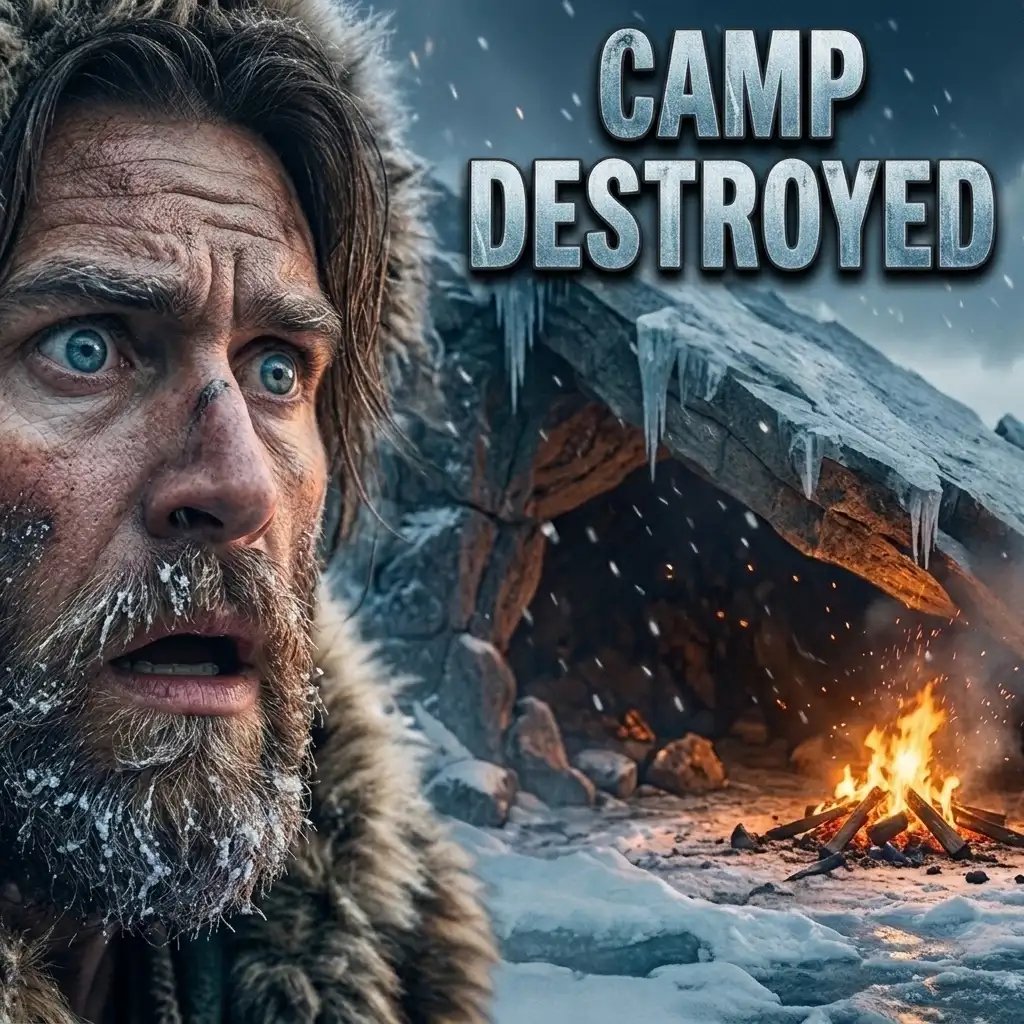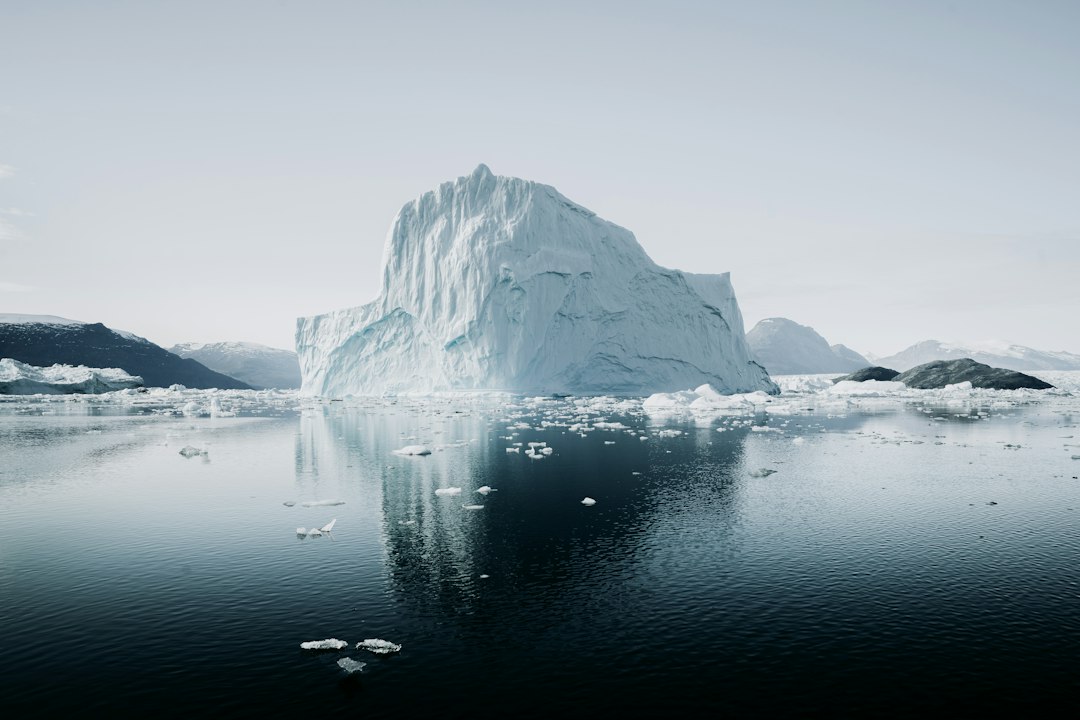
The wind howled across a landscape sculpted by ice. Immense glaciers, vast sheets of frozen water miles thick, dominated the northern continents. This was the world of the Last Glacial Maximum (LGM), a period roughly 26,500 to 19,000 years ago, where nearly a third of Earth’s landmass was covered by ice. For the early humans who lived during this epoch, survival was a daily, brutal challenge. Yet, they not only endured but thrived, developing remarkable adaptations and leaving behind a legacy etched in stone and bone. Their story is one of resilience, ingenuity, and an intimate understanding of a world far harsher than our own.
The Icy Embrace: Environmental Realities of the LGM
The LGM was characterized by a drastically different global climate. Temperatures plummeted, and sea levels dropped as water was locked up in the massive ice sheets. This created new land bridges, altering coastlines and connecting regions previously separated by water. The world was a mosaic of extreme environments, from frozen deserts to frigid grasslands, each presenting unique obstacles and opportunities for its human inhabitants.
Vast Ice Sheets and Their Impact
The most defining feature of the LGM was the colossal extent of glacial ice. In North America, the Laurentide Ice Sheet stretched from the Atlantic to the Pacific, while the Scandinavian Ice Sheet covered much of northern Europe. These behemoths were not static; they advanced and retreated, constantly reshaping the land. The sheer weight of the ice depressed the Earth’s crust, creating vast plains and valleys. Glacial meltwater carved out powerful rivers and lakes, some of which were seasonal or temporary. The presence of these ice sheets profoundly influenced weather patterns, leading to drier conditions in many regions due to reduced evaporation and altered atmospheric circulation. This dryness, paradoxically, often supported grasslands and tundra ecosystems that could sustain large herbivores, a crucial food source for human populations.
Shifting Landscapes and Exposed Continents
As sea levels fell by as much as 120 meters, vast areas of the continental shelf were exposed, creating land bridges that facilitated human migration. Beringia, the land bridge connecting Asia and North America, was significantly wider and longer during the LGM, allowing for the eastward movement of early peoples into the Americas. Similarly, Doggerland, a landmass that once connected Britain to continental Europe, became accessible. These exposed regions were not necessarily barren ice fields. Many supported diverse ecosystems, particularly in interglacial periods or on the fringes of the ice sheets. These areas became vital migratory routes for both animals and humans, acting as corridors for dispersal and cultural exchange. The exposed seafloor also offered new hunting grounds for marine life, supplementing terrestrial resources.
Climate Extremes and Resource Scarcity
The LGM was a period of significant climatic instability. While the overall trend was one of extreme cold, there were fluctuations, with periods of relative warming and intense cooling. These shifts had a direct impact on the availability of resources. Plants struggled to grow in the frozen ground and short growing seasons, leading to a reliance on animal protein. Water could be scarce in frozen regions, or in contrast, abundant but dangerously cold in glacial meltwater streams. Humans had to contend with harsh blizzards, prolonged periods of darkness in higher latitudes, and the constant threat of starvation. This environmental pressure was a powerful selective force, driving the development of specialized adaptations in both humans and the animals they hunted.
During the Last Glacial Maximum, approximately 26,500 years ago, the Earth was enveloped in vast ice sheets, profoundly impacting the climate and ecosystems of the time. This period saw significant adaptations in human behavior and technology as communities navigated the challenges posed by harsh conditions. For a deeper understanding of how ancient civilizations responded to environmental changes, you can explore the article on ancient engineering marvels, which highlights the ingenuity of early humans in overcoming obstacles. To read more, visit Uncovering Ancient Engineering Marvels.
Human Ingenuity: Tools, Technology, and Survival Strategies

Faced with such formidable environmental challenges, early humans demonstrated extraordinary innovation. Their survival depended on mastering the harsh conditions through the development of sophisticated tools, effective hunting techniques, and a deep understanding of their environment. These adaptations were not merely about enduring; they were about actively shaping their relationship with the natural world.
The Art of the Hunt: Specialized Tools and Techniques
Hunting was the cornerstone of LGM survival. The megafauna of the Pleistocene – mammoths, mastodons, woolly rhinoceroses, and giant deer – were prime targets, providing meat, hides, bone, and ivory. The development of specialized hunting tools was paramount. Spear throwers (atlatls) allowed hunters to propel spears with greater force and accuracy, increasing their range and the lethality of their projectiles. Finely crafted stone points, often made from flint or obsidian, were attached to these spears, designed to inflict maximum damage. The development of hafting techniques, where stone points were securely attached to wooden shafts, was a significant technological leap. Beyond individual hunting, evidence suggests the use of coordinated group strategies, likely involving driving herds towards natural traps like cliffs or bogs. The ability to track animals, understand their behavior, and predict their movements was a vital skill passed down through generations.
Shelter and Warmth: Ingenious Dwellings
Protection from the extreme cold was a fundamental necessity. LGM humans developed a range of ingenious solutions for shelter. In some areas, they utilized natural features like caves and rock overhangs, which provided ready-made protection. However, they were also masters of constructing artificial shelters. These often included temporary structures made from animal hides stretched over frameworks of bone or wood. In areas with abundant mammoth bones, these massive skeletal elements were incorporated into the construction of more durable dwellings. Remains of such structures, found in Eastern Europe, suggest large, circular huts with walls of mammoth skulls and ribs, often covered with hides and turf for insulation. These structures were strategically located to take advantage of prevailing winds and sun exposure, maximizing their thermal efficiency. The careful management of fire was also crucial for warmth, cooking, and light, and evidence suggests the construction of specialized hearths within these dwellings.
Clothing and Personal Adornment: Adapting to the Cold
To survive the biting winds and sub-zero temperatures, LGM humans needed effective protection for their bodies. This meant the creation of sophisticated clothing. Animal hides, carefully prepared and tanned, were the primary material. Sewing needles, made from bone or ivory, and sinew for thread, allowed for the construction of fitted garments. Evidence from the Gravettian culture in Europe, for example, points to the creation of complex clothing, possibly including fur-lined parkas and trousers. The meticulous flaking of stone tools suggests the ability to create sharp blades for skinning animals and preparing hides for clothing. Beyond practical protection, clothing also played a role in social signaling and personal expression. Beads made from bone, shell, and teeth, found in burials, indicate the use of adornments, adding a cultural dimension to their material existence.
The Human Footprint: Migration and Cultural Diffusion
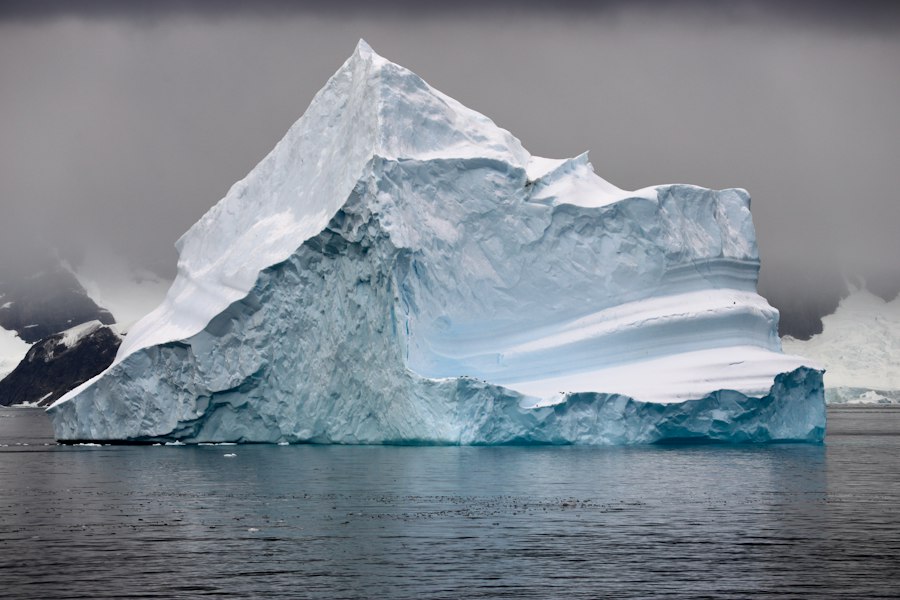
The harsh conditions of the LGM did not prevent human expansion; in fact, they may have spurred it. As ice sheets shifted and land bridges emerged, early humans embarked on ambitious migrations, spreading across continents and establishing new populations. These movements led to the diffusion of technologies, ideas, and cultural practices, shaping the human story across vast distances.
Across Beringia: The Peopling of the Americas
One of the most significant migrations of the LGM was the journey of humans from Asia into the Americas. The Beringian land bridge, a vast expanse of exposed continental shelf, provided a pathway. While the exact timing and routes are still debated, it is widely accepted that humans crossed into North America during the LGM, likely between 20,000 and 15,000 years ago, though earlier dates are increasingly being considered. These early pioneers faced a challenging landscape, initially limited by the massive ice sheets that blocked direct southward movement. They likely followed ice-free corridors that opened up periodically or skirted the glaciated regions along the Pacific coast. The populations that settled in the Americas diversified, giving rise to the rich tapestry of indigenous cultures that would flourish for millennia.
European Migrations and the Gravettian Phenomenon
In Europe, the LGM witnessed the flourishing of cultures like the Gravettian, which spread across a wide geographical area. This period is characterized by a remarkable degree of cultural uniformity, suggesting extensive movement and interaction among populations. Gravettian sites are found from the Pyrenees to Siberia, indicating a widespread presence. This cultural diffusion facilitated the sharing of hunting techniques, tool-making traditions, and possibly even symbolic behaviors. The movement of people may have been driven by the search for new hunting grounds as game herds migrated or by environmental pressures forcing relocation. The widespread distribution of distinctive Gravettian artifacts, such as the characteristic leaf-shaped points, is a testament to the mobility and connectivity of these ancient populations.
Southern Migrations and Island Hopping
While the focus is often on northern migrations, human populations also adapted to and moved through the more southerly regions that were not covered by ice. In Africa and Australia, human populations continued to evolve and expand. The reduced sea levels also opened up new opportunities for island colonization in regions like Southeast Asia and the islands of the Pacific, though much of this took place in the post-glacial period. However, the principles of seafaring and adaptation to coastal environments were being honed during the LGM, laying the groundwork for future expansion. The ability to exploit marine resources, even in the frigid waters of the LGM, would have been crucial for coastal populations.
Art, Symbolism, and the Emergence of Abstract Thought
The LGM was not just a period of material survival; it was also a time when early humans began to express themselves through art and symbolic representation. The cave paintings of Lascaux and Chauvet, the sculpted figurines, and the decorated tools offer profound insights into the minds of these ancient peoples, revealing a rich inner life and a developing capacity for abstract thought.
Cave Art: Windows into the LGM Mind
The spectacular cave art found in Europe, dating back to the Upper Paleolithic period, provides some of the most compelling evidence of LGM human creativity. These are not mere crude sketches; they are sophisticated depictions of animals, often rendered with remarkable anatomical accuracy and dynamism. The images of bison, horses, deer, and even extinct megafauna like woolly mammoths are breathtaking in their execution. The purposes of this art are debated – were they for hunting magic, shamanistic rituals, storytelling, or simply aesthetic expression? Regardless of their exact function, they demonstrate a deep connection to the natural world and a complex understanding of animal forms and behaviors. The use of natural pigments, carefully applied to cave walls, speaks to a deliberate and artistic intent.
Figurines and Personal Adornment: Early Expressions of Identity
Beyond cave paintings, LGM humans created portable art objects, most notably the famous Venus figurines. These small, often voluptuous female statuettes, carved from bone, ivory, or stone, are found across a wide geographical area. Their interpretation is also complex, with theories ranging from fertility symbols to representations of goddesses or even self-portraits. Regardless of their specific meaning, they indicate a capacity for abstract representation and the creation of objects imbued with symbolic meaning. The personal adornments found in burials, such as carved beads and pendants, also suggest a desire for self-expression and the development of personal or group identity. These objects were not utilitarian; they served a symbolic purpose, connecting individuals to their community and their beliefs.
The Dawn of Abstract Reasoning
The creation of art and symbolic objects suggests a significant leap in cognitive abilities. The ability to represent something abstractly – to depict an animal on a cave wall or carve a figurine – requires the capacity for symbolic thought and imagination. This ability to think beyond the immediate present and to conceive of ideas and concepts that are not physically present is a hallmark of advanced human cognition. The development of complex tools, the planning required for successful hunting, and the creation of shelters all point to sophisticated problem-solving skills and foresight. The art of the LGM, therefore, serves as a tangible testament to the intellectual and creative capacities of our ancient ancestors.
During the Last Glacial Maximum, the Earth’s climate was drastically different, with vast ice sheets covering significant portions of the Northern Hemisphere. This period not only shaped the landscape but also influenced human migration patterns and the development of early societies. For a deeper understanding of how glacial processes affected topography and ecosystems, you can explore the article on isostatic rebound and Antarctic topography, which discusses the ongoing changes in our planet’s landscape as a result of glacial activity.
Legacy of Resilience: Adapting for the Future
| Aspect | Details | Estimated Time Period | Impact on Life |
|---|---|---|---|
| Temperature | Global average temperatures were approximately 4-7°C colder than today | 26,500 to 19,000 years ago | Colder climate led to expansion of ice sheets and glaciers |
| Ice Sheet Coverage | Ice sheets covered about 30% of Earth’s land surface | Peak around 21,000 years ago | Large parts of North America, Europe, and Asia were glaciated |
| Sea Levels | Sea levels were approximately 120 meters lower than present | During the Last Glacial Maximum | Exposed continental shelves and land bridges (e.g., Bering Land Bridge) |
| Human Populations | Small, scattered hunter-gatherer groups adapted to cold environments | Throughout the Last Glacial Maximum | Migration routes altered; some populations isolated |
| Flora and Fauna | Cold-adapted species thrived; tundra and steppe environments expanded | During the Last Glacial Maximum | Megafauna such as mammoths and saber-toothed cats were common |
| Atmospheric CO2 Levels | Approximately 180-190 ppm, lower than pre-industrial levels | During the Last Glacial Maximum | Contributed to colder global temperatures |
The Last Glacial Maximum, despite its overwhelming challenges, was a crucible that forged remarkable human resilience and adaptability. The innovations, migrations, and cultural developments of this era laid the groundwork for subsequent human history. The lessons learned, the technologies developed, and the populations that endured would go on to populate the Earth and shape its future.
The Seeds of Modernity: Technological and Cultural Foundations
Many of the technologies and strategies honed during the LGM became foundational for later human development. The principles of toolmaking, shelter construction, and resource management developed by LGM populations were refined and adapted by their descendants. The ability to exploit a wide range of environments, from frozen tundras to coastal plains, established a precedent for human expansion and adaptation. Furthermore, the emergence of symbolic thought and artistic expression during this period laid the groundwork for the development of language, complex social structures, and the rich cultural tapestry of human civilization. The very notion of “humanity” as we understand it, with its capacity for abstract thought, creativity, and social organization, was significantly shaped by the trials and triumphs of the LGM.
Long-Term Evolutionary Pressures and Human Variation
The extreme environmental pressures of the LGM likely exerted significant selective forces on human populations. While direct genetic evidence from this period is scarce, it is plausible that adaptations to cold climates, such as changes in metabolism or body morphology, may have been favored in certain regions. The migrations and subsequent isolation of populations also contributed to the development of distinct human genetic variations. The human story is one of continuous adaptation, and the LGM represents a critical chapter in this ongoing evolutionary process, shaping the diversity of human populations we see today.
Lessons for the Present and Future
The story of survival and adaptation during the Last Glacial Maximum offers invaluable lessons for contemporary society. It highlights the remarkable capacity of humans to innovate and persevere in the face of adversity. The deep understanding of natural systems demonstrated by LGM peoples – their ability to read the weather, track animals, and utilize resources sustainably – is a stark contrast to some of our modern approaches. As we face our own environmental challenges, from climate change to resource depletion, the ingenuity and resilience of our ancestors during the LGM serve as a powerful reminder of our capacity to adapt and thrive, provided we cultivate a similar respect for and understanding of the natural world. Their enduring legacy is a testament to the indomitable spirit of humanity.