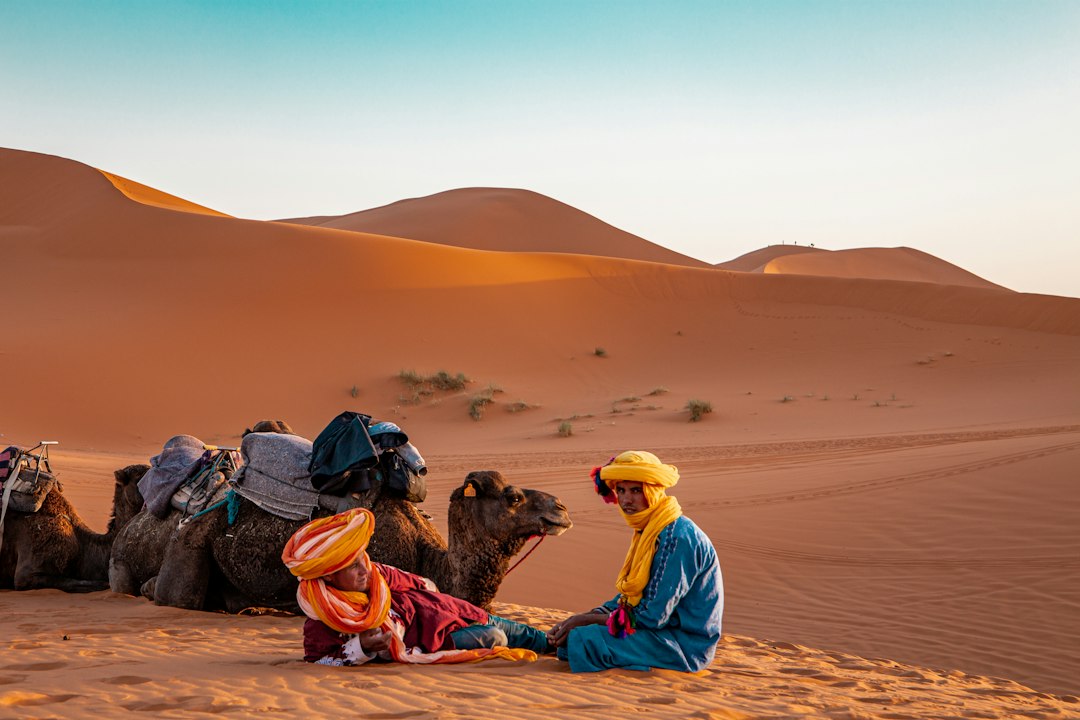
The desert, a vast expanse of sand and rock, has always presented a formidable challenge to human habitation. Before the advent of electricity, life in these arid lands was a testament to resilience, ingenuity, and an intimate understanding of the natural world. Without the hum of generators or the glow of artificial light, inhabitants adapted to a rhythm dictated by the sun, the moon, and the scarce resources available. Their existence was a delicate dance with survival, where every action, every innovation, was born out of necessity.
For those who called the desert home before the electrifying convenience of modern technology, the sun was a constant, overwhelming presence, a force that shaped every aspect of their lives. It was both the ultimate source of energy and a relentless adversary, demanding respect and careful management.
Harnessing the Sun’s Power
While the concept of solar panels was centuries away, the desert dwellers were masters of passively harnessing the sun’s immense power. Their homes, often constructed from adobe or stone, were designed to absorb heat during the day and radiate it slowly back into living spaces at night. The thick walls acted as natural insulators, moderating extreme temperature fluctuations.
Architectural Innovations
Dwellings were frequently built with courtyards, providing shade and a cooler microclimate. Windcatchers, tall, narrow structures, were ingeniously designed to capture prevailing breezes and direct them downwards into the homes, creating a natural ventilation system. Roofs were often flat, providing space for sleeping under the stars in cooler months and for drying crops or other materials in the intense heat.
Water Management and the Sun
The sun’s heat accelerated evaporation, a significant concern in a water-scarce environment. Desert communities developed sophisticated systems for water conservation. Cisterns were dug deep into the earth to minimize surface evaporation, and often covered to further protect precious water reserves. In some regions, communities constructed elaborate systems of channels and dams to capture and store infrequent rainfall, understanding that the sun’s relentless presence meant every drop was vital.
The Sun’s Tyranny: Heat and Dehydration
The flip side of the sun’s power was its intense, often brutal heat. Prolonged exposure could lead to heatstroke and dehydration, constant threats that shaped daily routines and societal structures.
Adapting Daily Schedules
Life often revolved around the coolest parts of the day. Work in the fields, travel, and heavy labor were typically undertaken in the early morning and late evening hours, or during the night. The midday sun was a time for rest and respite indoors, often in the coolest parts of the dwelling. This rhythm fostered a deep appreciation for the transition from daylight to twilight.
Clothing and Protection
Specialized clothing was essential for survival. Loose-fitting garments made from natural fibers like cotton or wool provided a layer of protection from the sun’s rays. Head coverings, such as turbans or veils, were crucial for shielding the face and neck from direct sunlight and preventing dehydration. These garments were not just practical; they became integral to the cultural identity of desert peoples.
Before the advent of electricity, life in the desert was shaped by the harsh environment and the ingenuity of its inhabitants. Communities developed unique methods to cope with extreme temperatures, relying on natural resources and traditional practices. For instance, they constructed homes using local materials that provided insulation and utilized ancient water conservation techniques to survive in arid conditions. To explore more about how ancient civilizations adapted their technologies to thrive in challenging environments, you can read the article on the mystery of lost ancient technology at this link.
The Dance of Darkness: Light and Life After Sunset
As the sun dipped below the horizon, casting long shadows across the sand, a different kind of life emerged. The absence of electric light necessitated a profound reliance on natural illumination and ingenious artificial sources. Nighttime in the desert held its own beauty and its own set of challenges.
The Moon and Stars: Celestial Guides
The moon and stars were not just aesthetic wonders; they were vital navigational tools and sources of illumination. For travelers, the moon’s phases offered a predictable, albeit variable, source of light for journeys across the vast, featureless desert. Astute observers could learn to read the night sky for direction and even for predicting weather patterns.
Navigating by Starlight
Experienced desert guides could navigate by the constellations, recognizing patterns that remained constant over generations. The brilliance of the unpolluted desert sky meant that even on moonless nights, the starlight offered a faint but sufficient glow for those familiar with the terrain.
Lunar Rhythms and Social Life
The phases of the moon influenced social activities. During the full moon, when the desert was bathed in silvery light, communities might gather for celebrations, storytelling, or communal work that was difficult to undertake in the harsh daylight. These gatherings fostered a strong sense of community and shared experience.
Ingenuity in Artificial Light
When natural light was insufficient, desert dwellers turned to their own ingenuity to create light. These were not the effortless flickers of a light switch, but rather deliberate creations that required careful tending and resource management.
The Humble Flame: Fire and Oil Lamps
The most common source of artificial light was fire, carefully managed for warmth and illumination. Small, controlled fires in hearths provided light and heat within homes. For more portable light, oil lamps were essential. These lamps, often crafted from clay or metal, burned animal fats or plant-based oils. The fuel was a precious commodity, carefully collected and rationed.
Fuel Sources and Their Preparation
The collection and preparation of fuel for lamps was a significant undertaking. Animal fats, rendered from livestock, were a common option where animals were raised. For communities reliant on gathering, certain plants yielded oils that could be extracted through laborious processes. The efficiency of the wick and the quality of the oil were critical for maximizing light output and minimizing fuel consumption.
The Social Aspect of Light
The tending of lamps was often a communal or familial responsibility. Lighting a lamp in the evening signaled the end of the day’s strenuous activities and the beginning of a time for indoor pursuits. The soft glow of oil lamps created an intimate atmosphere, perfect for sharing stories, mending tools, or teaching younger generations.
Torches for Travel and Work
For journeys undertaken at night or for specialized tasks that required brighter illumination, torches were employed. These were typically made by binding flammable materials, such as dried grasses or animal hides, to a stick. While offering a powerful, albeit smoky, light, they were more temporary and resource-intensive than oil lamps.
Water: The Lifeblood of the Arid Lands

In the desert, water was not a commodity to be taken for granted; it was the ultimate determinant of survival, and its management was an art form honed over millennia. Without the constant flow from municipal pipes, every drop was fiercely protected and strategically utilized.
Securing Scarce Resources
The acquisition of water was a primary focus for desert communities. Their survival depended on their ability to locate, access, and preserve this most precious of resources.
Wells and Oases: Natural Havens
Oases, areas where underground water surfaces, were vital hubs of life and civilization. Communities often formed around these natural springs, their existence inextricably linked to their presence. Wells were also dug, often with remarkable depth and precision, to tap into subterranean water sources. The digging of a well was a significant communal undertaking, requiring immense labor and knowledge of geological signs.
The Labor of Well Digging
Digging a well was a dangerous and arduous process. Miners would descend into increasingly deep shafts, often using simple tools and relying on the strength of their companions above. The risk of cave-ins and lack of air were constant dangers, demanding courage and meticulous safety practices.
Maintaining Wells and Cisterns
Once dug, wells and cisterns required ongoing maintenance. Silt could accumulate, reducing their capacity, and structures needed to be reinforced against erosion. The responsibility for their upkeep was a shared one, ensuring the continued availability of water for the entire community.
Rainwater Harvesting: A Gift from the Sky
While rainfall was infrequent, its arrival was a cause for celebration and a critical opportunity for replenishment. Desert dwellers developed sophisticated methods for capturing and storing rainwater.
Building Cisterns and Reservoirs
Underground cisterns were the most effective way to store water, minimizing evaporation. These were often lined with plaster or clay to prevent seepage. In some areas, natural depressions in the rock were enhanced and used as collection points, channeling water into storage.
Managing Runoff
Even minimal rainfall could create significant runoff. Communities would construct small dams and channels to direct this precious water towards their storage systems, ensuring that no drop was wasted. This required a deep understanding of the desert landscape and its drainage patterns.
The Art of Water Conservation
Every drop of water was used with utmost care. Conservation was not a choice but a fundamental principle of desert life.
Reusing and Repurposing Water
Water used for washing or cooking was often reused for irrigation of small gardens or for animal watering. Nothing was considered waste.
Efficient Irrigation Techniques
For the few areas where agriculture was possible, highly efficient irrigation techniques were employed. Flood irrigation was carefully managed to minimize water loss, and in some cases, small-scale drip irrigation systems, using hollowed reeds or pottery, were developed to deliver water directly to plant roots.
Sustenance in the Sands: Food and Foraging
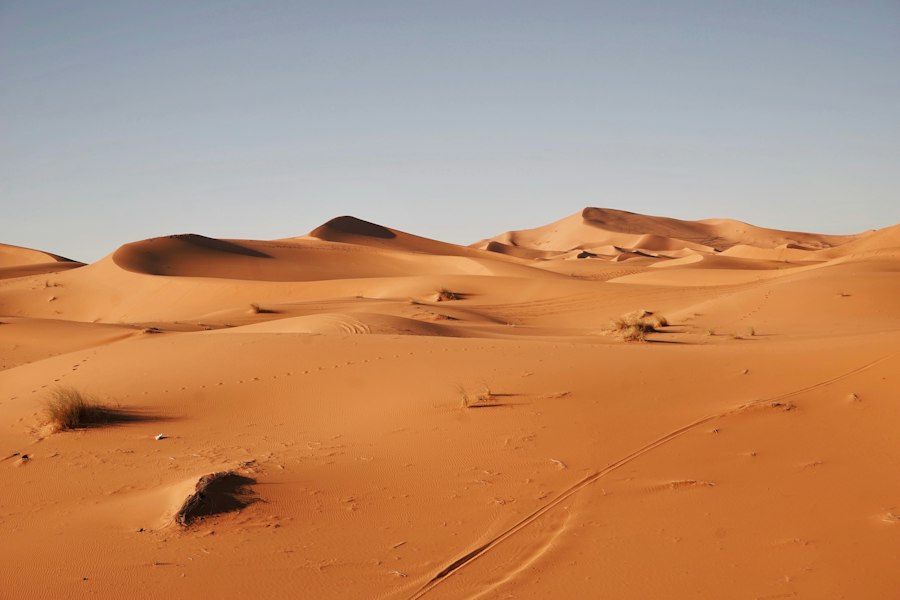
Without refrigerated storage or readily available supermarkets, obtaining and preserving food in the desert was a constant challenge that demanded resourcefulness and a deep understanding of edible plants and animals.
Hunting and Gathering: A Connection to the Wild
The desert ecosystem, though seemingly barren, provided sustenance for those who knew where to look and how to hunt.
Edible Flora: Discovering Desert Bounty
A variety of plants, often overlooked by outsiders, were vital sources of nourishment. Desert communities possessed intimate knowledge of which roots, seeds, fruits, and leaves were edible and when they were available. This knowledge was passed down through generations.
Identifying and Harvesting Edible Plants
Desert dwellers could identify plants that offered water content, carbohydrates, and essential nutrients. They knew the optimal times for harvesting different species to ensure maximum yield and to avoid poisonous look-alikes.
Seasonal Foraging and Adaptation
Foraging was a seasonal activity, adapting to the brief periods of plant growth following rainfall. This meant storing and preserving harvested goods for leaner times.
Wildlife: A Prudent Pursuit
Hunting provided protein and other essential nutrients. However, hunting practices were often sustainable, respecting the delicate balance of the desert ecosystem.
Tracking and Trapping Techniques
Skilled hunters could track animals across vast distances, utilizing signs invisible to the untrained eye. Trapping was also a common method, designed to catch animals without expending excessive energy or risking injury.
Utilizing Every Part of the Animal
Just as with plants, every part of a hunted animal was utilized. Meat was consumed fresh, dried, or preserved. Hides were used for clothing and shelter, and bones for tools and implements.
Preservation: Extending the Harvest
Preserving food was crucial for survival, allowing communities to endure periods of scarcity.
Drying and Salting: Time-Tested Methods
Drying was a primary method of preservation, taking advantage of the desert’s low humidity and intense sun. Meats, fruits, and vegetables were thinly sliced and spread out to dry. Salting was also employed, drawing out moisture and inhibiting bacterial growth.
The Art of Jerky Making
Drying meat into jerky was a skill that allowed for long-term storage and portable sustenance. The process required careful preparation and protection from insects and scavengers.
Sun-Dried Fruits and Vegetables
Fruits and vegetables were also sun-dried, concentrating their sugars and nutrients. These preserved items could be rehydrated later, providing flavor and sustenance.
Fermentation: A Natural Process
In some cases, fermentation was used to preserve food and enhance its digestibility. This process, often involving grains or dairy, relied on natural microorganisms to transform the food.
Before the advent of electricity, life in desert regions was shaped by the harsh environment and the ingenuity of its inhabitants. Communities relied on traditional methods for water conservation, shelter construction, and food gathering, often utilizing the natural resources available to them. For a deeper understanding of how ancient civilizations navigated and thrived in such challenging landscapes, you can explore this fascinating article on ancient navigation methods. This exploration sheds light on the remarkable adaptations that allowed people to survive and flourish in the desert. You can read more about it here.
The Fabric of Society: Community and Tradition
| Aspect | Description | Typical Practices | Challenges |
|---|---|---|---|
| Water Supply | Scarce and precious resource | Use of wells, cisterns, and collecting dew or rainwater | Limited availability, long distances to water sources |
| Housing | Structures adapted to extreme heat and cold | Thick mud-brick or stone walls, underground dwellings, tents | Maintaining cool interiors during day and warmth at night |
| Food | Limited agriculture and reliance on trade or livestock | Growing drought-resistant crops, hunting, gathering, herding camels or goats | Food scarcity, preservation without refrigeration |
| Lighting | No electric lighting available | Use of oil lamps, candles, and firelight | Limited light duration and safety concerns |
| Temperature Regulation | Extreme temperature fluctuations | Wearing loose, light-colored clothing; resting during hottest hours | Heat exhaustion, cold nights |
| Transportation | Travel across vast, harsh terrain | Use of camels, donkeys, and walking | Fatigue, dehydration, navigation difficulties |
| Social Structure | Often nomadic or semi-nomadic communities | Tribal organization, communal resource sharing | Maintaining cohesion and survival in harsh conditions |
In the absence of electricity, the bonds of community and the strength of tradition were paramount for survival and well-being in the desert. Without the distractions and conveniences of modern life, human connection and shared responsibility formed the bedrock of their societies.
Interdependence and Mutual Support
Life in the desert fostered a profound sense of interdependence. Individuals relied on each other for survival, creating strong social networks and a culture of mutual support.
Shared Labor and Resource Management
Tasks such as well digging, water collection, and food preservation were often communal efforts, requiring the combined strength and knowledge of the entire community. This fostered a sense of shared ownership and responsibility.
The Role of Elders and Skilled Individuals
Elders, with their accumulated wisdom and experience, played a crucial role in guiding decisions and passing down essential knowledge. Skilled individuals, such as hunters, healers, and craftspeople, were highly valued for their contributions to the community’s well-being.
Social Cohesion and Conflict Resolution
The harshness of the environment often necessitated a strong emphasis on social cohesion. Disputes were typically resolved through traditional means, mediated by respected members of the community, to maintain harmony and prevent internal divisions that could weaken their collective ability to survive.
The Oral Tradition: Preserving Knowledge and Culture
Without written records as we know them, knowledge, history, and cultural values were preserved and transmitted through oral tradition.
Storytelling and Folklore
Storytelling was a vital form of entertainment and education. Tales of ancestors, historical events, and moral lessons were passed down from generation to generation, shaping their understanding of the world and their place within it.
The Power of Myth and Legend
Myths and legends served to explain natural phenomena, reinforce cultural values, and provide a sense of identity and belonging. These stories often featured the desert itself as a character, imbuing it with spiritual significance.
Songs, Poetry, and Rituals
Music, poetry, and rituals played a significant role in their cultural lives. These artistic expressions served to commemorate important events, express emotions, and strengthen social bonds.
Ceremonies and Celebrations
From life-cycle events like births and marriages to seasonal celebrations and harvests, ceremonies and rituals marked the rhythm of life and reinforced collective identity.
The Importance of Craftsmanship
The creation of tools, clothing, and shelter demanded a high level of craftsmanship. Without mass production, each item was made with care and skill, reflecting the ingenuity and resourcefulness of the people.
Adaptable Tools and Implements
Tools were designed for specific purposes, often fashioned from local materials like stone, bone, or wood. Their designs were refined over centuries to maximize efficiency and durability in the challenging desert environment.
Weaving and Textile Production
The production of textiles, from spinning fibers to weaving cloth, was a vital skill. These textiles were not only for clothing but also for creating shelter, carrying goods, and for decorative purposes. The intricate patterns often held symbolic meaning.
Life in the desert before electricity was a profound demonstration of human adaptability and the deep connection that can exist between humanity and its environment. It was a life lived in close communion with nature, where the sun, moon, and stars were not mere celestial bodies but integral elements of daily existence. The challenges were immense, but the resilience, ingenuity, and strong sense of community that characterized these desert dwellers allowed them to not just survive, but to thrive, creating rich and enduring cultures that stand as a testament to the human spirit.
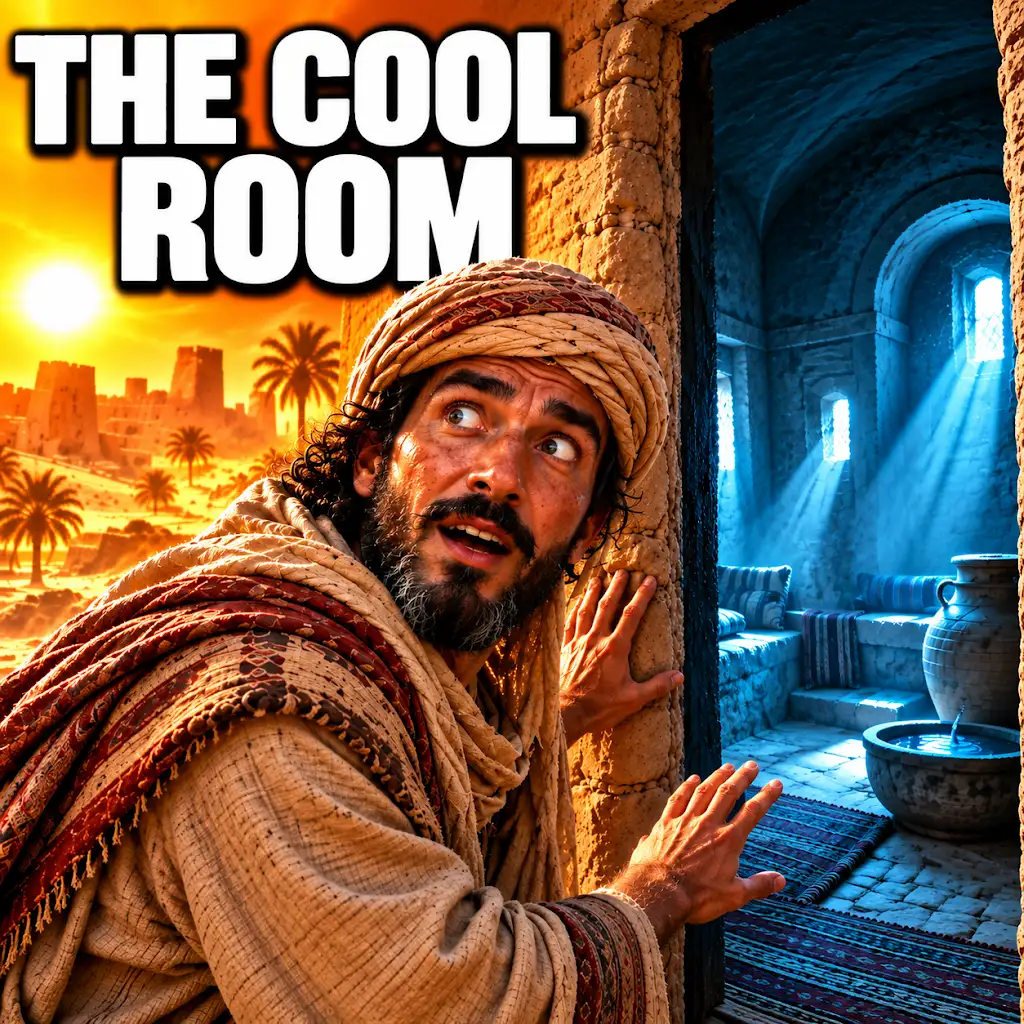
How Ancient Cities Stayed Cool Without Air Conditioning
FAQs
1. How did people in deserts obtain water before electricity?
Before electricity, people in deserts obtained water through various methods such as digging wells, collecting rainwater, and utilizing underground aquifers.
2. How did people in deserts keep cool without electricity?
To keep cool without electricity, people in deserts used natural methods like building homes with thick walls to insulate against heat, creating shade with trees or structures, and wearing loose, breathable clothing.
3. How did people in deserts cook food without electricity?
Before electricity, people in deserts cooked food using methods like open fires, clay ovens, and solar cookers. These methods utilized the natural heat sources available in the desert environment.
4. How did people in deserts navigate at night without electricity?
Before electricity, people in deserts navigated at night using tools like stars, the moon, and landmarks. They also used torches, lanterns, and oil lamps for lighting in the darkness.
5. How did people in deserts communicate over long distances before electricity?
Before electricity, people in deserts communicated over long distances using methods like smoke signals, signal fires, carrier pigeons, and relay runners. These methods allowed for effective communication in the vast desert landscapes.