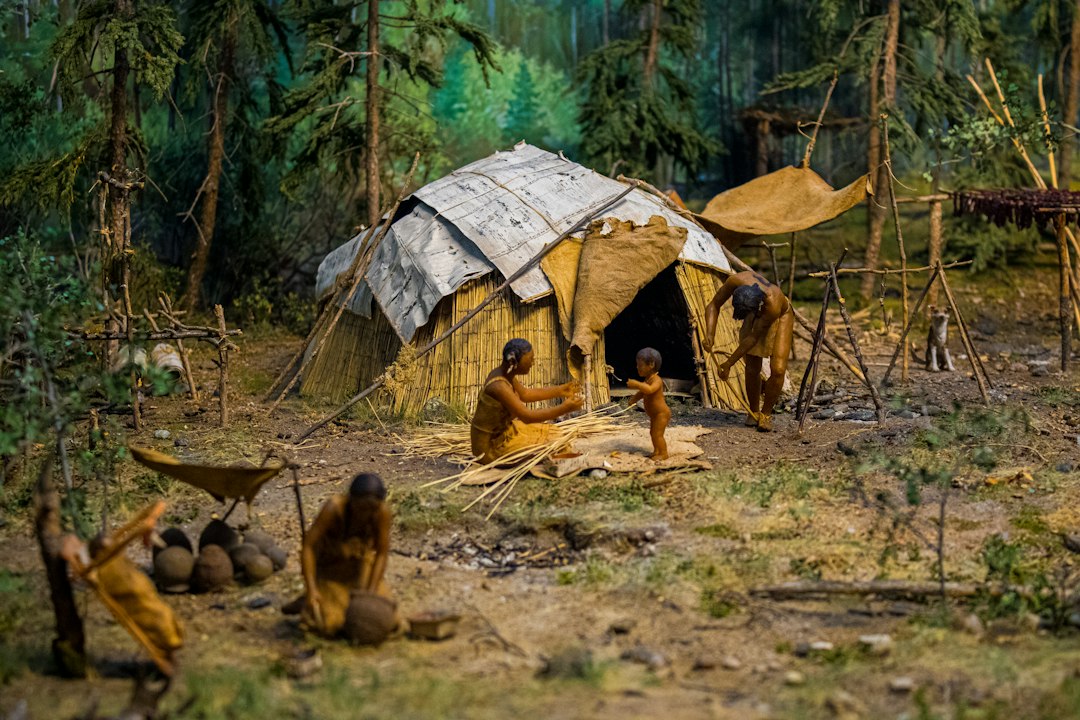
Imagine stepping back in time, to a world that feels both familiar and utterly alien. Fourteen thousand years ago, life for a prehistoric family was a constant dance with nature, a delicate balance of survival, community, and raising the next generation. It wasn’t a life of cave paintings and roaring mammoths every single day, though those elements certainly played their part. Instead, think of a life deeply rooted in the environment, where knowledge passed down through generations was as crucial as a sharp flint tool.
The Daily Grind: Finding Food and Shelter
Life for a family 14,000 years ago was fundamentally about meeting basic needs. This meant a relentless focus on securing food, water, and shelter, often in challenging and unpredictable conditions. Survival wasn’t guaranteed, and every day presented new hurdles to overcome.
Hunting and Gathering: A Cooperative Effort
The primary way these families sustained themselves was through a combination of hunting and gathering. This wasn’t a solitary pursuit; it was a coordinated effort involving multiple members of the family or larger kin groups. Men, and sometimes women, would venture out to hunt game, which could range from small animals like rabbits and birds to larger prey like deer and wild horses. The success of a hunt directly impacted the family’s well-being, providing essential protein and fats.
Gathering played an equally vital role. Women and children would spend considerable time collecting wild plants, fruits, nuts, seeds, and roots. This offered a diverse and often more reliable source of sustenance. Understanding which plants were edible, which were medicinal, and which were poisonous was a skill learned from infancy, passed down through keen observation and direct instruction. The local ecology, whether it was a surprisingly lush landscape supporting large animals or a more temperate zone with abundant plant life, dictated the specific strategies employed.
The Importance of Shelter and Fire
Where a family lived depended on the season and the available resources. They might utilize natural shelters like caves or rock overhangs, or they would construct temporary shelters from branches, animal hides, and other natural materials. These structures provided protection from the elements and a safe space for rest and communal activities.
Fire was an absolutely indispensable element of prehistoric life. It provided warmth, a way to cook food (making it more digestible and safer), a means of protection against predators, and a focal point for social interaction. Mastering the art of fire-making and maintaining it was a critical skill, and its presence undoubtedly made life far more comfortable and secure.
Life 14,000 years ago was marked by the challenges and triumphs of prehistoric families as they navigated a world shaped by the elements and their surroundings. These early humans relied heavily on their understanding of nature to survive, adapting their lifestyles to the changing climate and available resources. For a deeper insight into how ancient peoples interpreted the signs of nature, you can explore the article on ancient weather wisdom, which sheds light on the knowledge that guided their daily lives. Read more about it here: Ancient Weather Wisdom: Understanding Nature’s Signs.
Family Bonds and Social Structures
While survival was paramount, human beings are inherently social creatures. Prehistoric families weren’t isolated units but were part of larger social networks, which offered crucial support and defined their place in the world. These connections were essential for everything from raising children to sharing resources and knowledge.
Kinship and Community Ties
Evidence suggests that prehistoric families were often part of extended kin groups or small bands. These groups likely consisted of several related families, sharing territory and cooperating on tasks like hunting and defense. The concept of kinship was central, defining responsibilities and alliances. Ancient DNA studies are beginning to reveal these intricate relationships, showing how individuals were connected through bloodlines and how they lived and died within these familial units.
The size of these groups varied. While Neanderthals are thought to have lived in relatively small bands of around 10 to 20 individuals, other Homo sapiens groups might have been slightly larger or more fluid. Females, in some instances, are believed to have moved between communities upon marriage, forging new connections and ensuring genetic diversity within the broader social landscape. These social ties provided a safety net, crucial for surviving the uncertainties of prehistoric life.
Raising the Next Generation
The process of raising children was a communal endeavor. While mothers would have been the primary caregivers in early infancy, other members of the family and community would have contributed to a child’s upbringing. Children learned essential survival skills through observation, imitation, and direct guidance. They would learn how to identify edible plants, track animals, make tools, and understand the social norms of their group.
The health of children was always a concern. Sadly, infectious diseases were a reality even in these ancient times. Evidence from ancient DNA has shown that plagues were affecting hunter-gatherer populations as far back as 5,500 years ago, meaning the threat of deadly illness to family members was a long-standing concern, well before the advent of large cities. This underscores the constant vulnerability and the importance of robust community support networks.
Navigating a Changing World: Environment and Resources
The environment was not a static backdrop for prehistoric families; it was a dynamic force that profoundly shaped their lives and dictated their ability to survive. Understanding and adapting to these environmental shifts was a constant challenge and a key element of their success.
Adapting to Landscapes and Seasons
The landscapes these families inhabited were diverse, ranging from vast open plains to dense forests and rugged coastlines. Archaeological discoveries, such as the analysis of ancient animal remains, reveal that these environments could be surprisingly lush and capable of supporting a wide array of life, including now-extinct giant animals. This abundance was a double-edged sword; it provided resources but also presented dangers.
Seasonal changes were a critical factor. Families would likely have followed migratory patterns of game or moved to areas with more abundant plant resources as the seasons shifted. This nomadic or semi-nomadic lifestyle required an intimate knowledge of the land, its resources, and its cycles. They would have tracked the movement of stars and the changing angles of the sun to predict weather patterns and plan their movements accordingly.
Resource Management and Toolmaking
Survival depended on the effective use of available resources. This included not only hunting and gathering but also the development and use of tools. Stone tools were fundamental, crafted for a variety of purposes: scraping hides, butchering meat, cutting plants, and shaping other materials. Bone, antler, and wood were also utilized to create tools and implements.
The creation of these tools was a skilled craft, passed down through generations. The quality and type of tools available could significantly impact a family’s ability to secure food, process materials, and defend themselves. Understanding the properties of different stones and how to flake them precisely was a testament to their ingenuity and their deep connection to the materials at hand.
Challenges and Threats to Survival
Life 14,000 years ago was far from easy. Prehistoric families faced numerous challenges and threats that could quickly turn survival into a struggle. These dangers were ever-present and required constant vigilance and adaptation.
The Ever-Present Danger of Predators and Injury
Beyond the challenges of finding food and shelter, prehistoric families had to contend with dangerous predators. Large carnivores, such as wolves, bears, and big cats, would have posed a significant threat to both humans and their livestock (if they had any domesticated animals, which was less common at this specific time but becoming more so). Maintaining vigilant watches and utilizing fire and group defense strategies were crucial for safety.
Injuries were also a serious concern. A broken bone or a deep wound could incapacitate an individual, making them vulnerable and unable to contribute to the group’s survival. Without modern medicine, even seemingly minor injuries could become life-threatening if they became infected. The knowledge of medicinal plants and basic first aid would have been invaluable, but there were limits to what could be done.
The Impact of Disease and Environmental Catastrophes
As mentioned earlier, infectious diseases were a significant threat. While the plague might be a more recognized ancient disease, countless other pathogens would have circulated within communities. Factors like close living quarters (especially during colder months), limited sanitation, and malnutrition could have exacerbated the spread of illness. Ancient DNA analysis is increasingly revealing the prevalence and impact of these diseases, offering direct evidence of their toll on prehistoric populations.
Beyond disease, prehistoric families were also subject to the whims of nature. Severe weather events, such as prolonged droughts, harsh winters, or floods, could decimate food resources and make living conditions unbearable. These environmental catastrophes would have tested the resilience of families and communities, forcing them to adapt or face dire consequences.
Life 14,000 years ago was vastly different from today, as prehistoric families navigated the challenges of survival in a world filled with uncertainty. These early humans relied on their close-knit communities for support, sharing resources and knowledge to thrive in their environment. For a deeper understanding of how societal structures have evolved over time, you might find it interesting to explore the dynamics of power and corruption in ancient societies, as discussed in this article on elite corruption. This connection highlights how the foundations of human interaction have shaped our history, even from the earliest days of civilization.
Cognitive and Cultural Life
| Aspect | Details | Estimated Data / Metrics |
|---|---|---|
| Time Period | Approximate era of prehistoric family life | ~14,000 years ago (Late Upper Paleolithic) |
| Family Size | Typical number of individuals in a family group | 5-10 members |
| Diet | Main food sources | Hunting (large game), gathering (berries, nuts), fishing |
| Housing | Type of shelter used | Caves, temporary huts made from animal skins and wood |
| Tools | Common tools used by family members | Stone blades, bone needles, spears, scrapers |
| Social Structure | Organization within the family group | Kin-based, cooperative hunting and gathering |
| Life Expectancy | Average lifespan of individuals | 30-40 years |
| Clothing | Materials and style | Animal hides and furs sewn with bone needles |
| Communication | Methods of interaction | Early spoken language, gestures, symbolic art |
| Population Density | Estimated population per square kilometer | Less than 1 person/km² in most regions |
While survival was the primary focus, it’s important not to overlook the cognitive and cultural aspects of life 14,000 years ago. These families possessed complex minds and developed rich cultural traditions that helped them understand their world and connect with each other on a deeper level.
Communication and Knowledge Transmission
Even without written language, prehistoric families communicated effectively. They likely used a combination of spoken language, gestures, and facial expressions. The ability to communicate complex ideas, coordinate actions, and pass down knowledge was essential for their survival and development.
The transmission of knowledge was a cornerstone of their society. Skills, beliefs, stories, and practical wisdom were passed from elder to younger generations through oral traditions and direct demonstration. This ensured the continuity of their way of life and allowed them to build upon the experiences of their ancestors. The creation of art, such as cave paintings or carved figurines, also offers a glimpse into their symbolic thought and their efforts to document or express aspects of their world and beliefs.
Spirituality and Understanding the Cosmos
It is highly probable that prehistoric families had forms of spirituality or belief systems that helped them make sense of the natural world and their place within it. While we can only infer these aspects through archaeological evidence like burial practices or symbolic artifacts, it’s likely they held beliefs about the spirits of animals, the forces of nature, and perhaps an afterlife.
These belief systems could have been intertwined with their daily lives, influencing their hunting rituals, their social customs, and their understanding of life and death. The discovery of double burials, where a mother and daughter were interred together and later identified through DNA, not only reveals family structures but can also hint at how they viewed death and the continuity of life, perhaps believing in some form of connection beyond mortality. Their connection to the cosmos, understanding celestial cycles, and incorporating them into their lives speaks to a sophisticated level of observation and a desire to understand the grander order of existence.

Life 20,000 Years Ago | When Your Ice Age Family Can’t Feed the Dog
FAQs
What was the typical lifestyle of a prehistoric family 14,000 years ago?
A prehistoric family 14,000 years ago typically lived a nomadic lifestyle, relying on hunting, gathering, and foraging for food. They moved frequently in search of resources, such as game animals and edible plants, and often lived in temporary shelters made from natural materials like wood, animal hides, and stones.
What types of food did prehistoric families consume?
Prehistoric families primarily consumed a diet consisting of wild game, fish, fruits, nuts, seeds, and tubers. Their diet varied based on the season and geographical location, with some groups specializing in hunting large mammals like mammoths or bison, while others focused on gathering plant-based foods.
How did prehistoric families communicate?
Prehistoric families likely communicated through a combination of spoken language and non-verbal cues, such as gestures and facial expressions. While the exact nature of their language is unknown, evidence suggests that early humans had developed complex communication skills that facilitated social interaction and cooperation.
What tools did prehistoric families use for survival?
Prehistoric families used a variety of stone tools, such as hand axes, scrapers, and blades, which were essential for hunting, butchering, and processing food. They also created tools from bone and wood, and later developed techniques for making fire, which was crucial for cooking and protection.
What role did family structure play in prehistoric societies?
Family structure in prehistoric societies was likely matriarchal or patriarchal, depending on the culture and environment. Families often consisted of extended kin groups that worked together for survival, sharing resources and responsibilities. This social structure helped ensure the survival of the group through cooperation and mutual support.