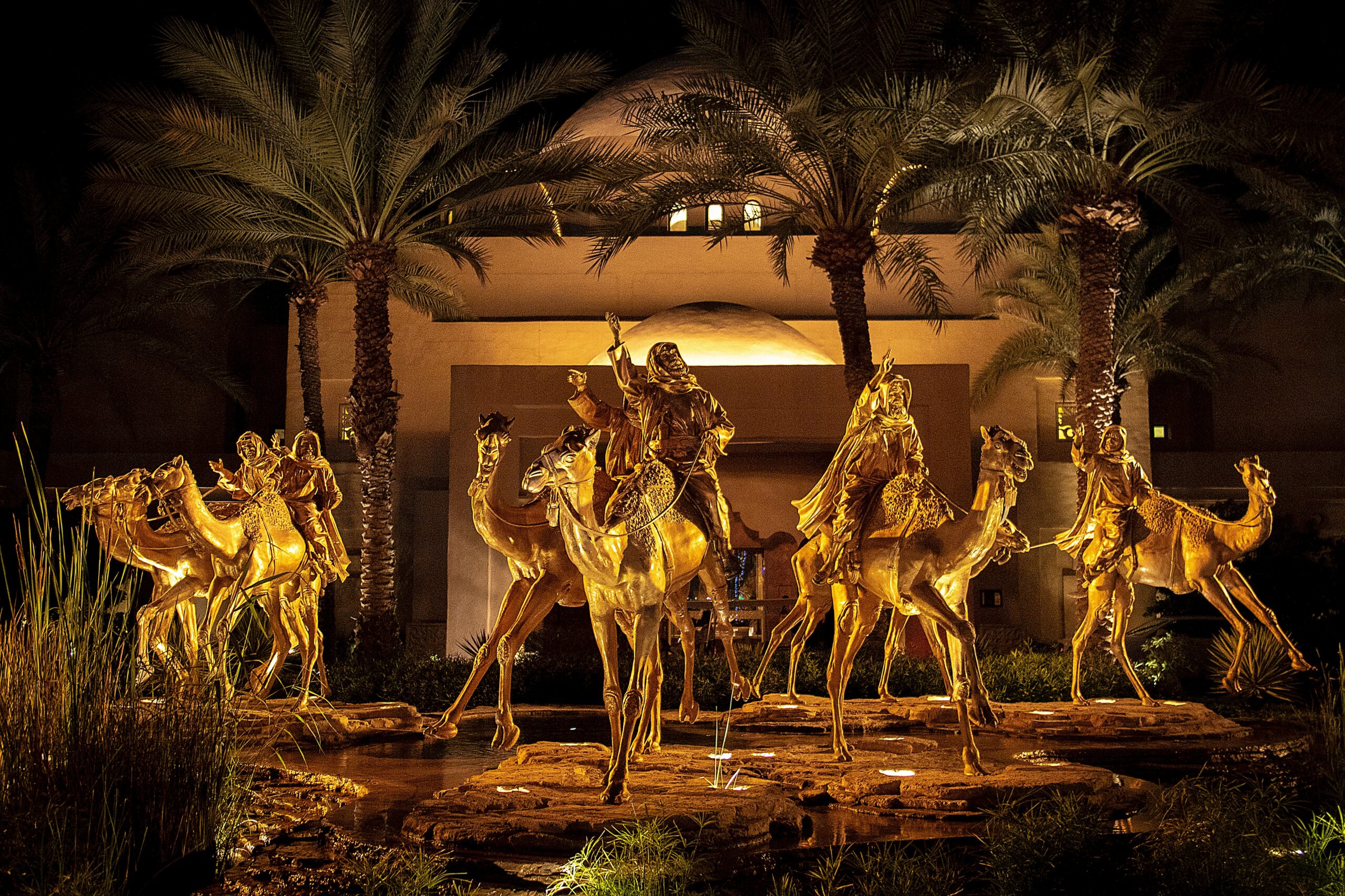
The shimmering heat haze above the dunes often tricks the eye, conjuring mirages of distant oases or phantom caravans. Yet, some visions that emerge from the desert’s embrace are undeniably real, carved not by wind and time, but by human hands with a profound connection to their environment. Among the most breathtaking of these artistic manifestations are the life-sized camel carvings, a testament to the ingenuity, patience, and deep cultural heritage of the desert peoples. These monumental sculptures, often weathered by sun and sand, stand as silent sentinels, recounting tales of nomadic life, trade routes, and the enduring spirit of the camel itself.
The Genesis of Giant Camels: An Ancient Art Form Emerges
The origins of large-scale rock carvings are as ancient as human civilization, found across continents in various forms. However, the specific tradition of depicting the camel in such grandiloquent scale is intrinsically linked to cultures that have relied on these animals for millennia. The desert, with its vast, open canvases of rock faces and cliffs, provides an ideal medium for such enduring artwork. The act of carving these colossal beasts is not merely an aesthetic pursuit; it is a profound act of veneration, a way of inscribing their importance onto the very landscape that defines their existence.
Desert Palettes: The Natural Canvas
The selection of a suitable site for these carvings is paramount. Artists meticulously scouted locations that offered not only a smooth, durable rock surface but also a commanding presence, visible from afar. Cliffsides overlooking ancient trade routes, strategic watering holes, or areas of significant cultural or spiritual importance were often chosen. The rock itself – often sandstone, granite, or limestone – dictated the techniques employed. The colour and texture of the stone also played a role, sometimes harmonizing with the desert hues, at other times providing a stark contrast that emphasized the sculpted form. The inherent beauty of the natural landscape was an integral part of the artwork, the rock face becoming a collaborative canvas between nature and humanity.
Tools of the Trade: Simplicity and Skill
The tools used by these ancient artisans were remarkably simple, a testament to their mastery over basic materials. Stone chisels, hammers fashioned from harder rocks, and perhaps even sharpened bone or antler were the primary instruments. The process would have been painstakingly slow, each strike carefully calibrated to remove layers of rock without compromising the integrity of the sculpture. The sheer physical exertion involved in shaping such large forms with such rudimentary tools is almost unimaginable. It speaks to a dedication that transcended mere craft, bordering on the spiritual. The repeated striking of stone against stone would have created a rhythmic soundscape, a meditative soundtrack to the creation of these monumental figures.
Cultural Significance: More Than Just Stone
The carvings were rarely created in isolation. They were embedded within a rich tapestry of cultural beliefs and practices. For nomadic tribes, the camel was the lifeblood of their existence – their mode of transport, their source of sustenance, and their companion in the harsh desert environment. Depicting these animals in stone was a way of honouring them, of acknowledging their vital role, and perhaps even of imbuing them with a spiritual power that would ensure safe passage and prosperity. These carvings served as markers, storytellers, and repositories of cultural memory, connecting generations to the past and to the sacredness of their ancestral lands.
Life-sized camel carvings are a fascinating aspect of art and culture, showcasing the intricate craftsmanship and historical significance of these majestic creatures. For those interested in exploring how environmental changes can impact landscapes and the artistry within them, a related article discusses the phenomenon of isostatic rebound and Antarctic topography. You can read more about this intriguing topic by following this link: Isostatic Rebound and Antarctic Topography: A Changing Landscape.
The Majestic Presence: Unveiling the Anatomy of Grandeur

The life-sized camel carvings are remarkable not only for their scale but also for the anatomical accuracy and artistic expression with which they are rendered. They are not static effigies but dynamic representations, capturing the essence of the camel’s strength, resilience, and distinctive form. Each curve of the hump, each flick of the ear, each powerful limb is imbued with a lifelike quality that commands admiration.
Form and Function: Capturing the Camel’s Spirit
The artists possessed an intimate understanding of camel anatomy. They meticulously observed the animals, noting the distinctive sway of their gait, the powerful musculature of their legs, and the characteristic shape of their heads. This keen observation translated into sculptures that are both aesthetically pleasing and functionally suggestive. The hump is often depicted with a sense of weight and volume, hinting at its vital role in storing fat for survival. The long, elegant neck is shown with a gentle curve, conveying the animal’s ability to reach for sparse vegetation. The broad, padded feet are suggested, crucial for navigating the sandy terrain. These carvings are more than just likenesses; they are interpretations that celebrate the camel’s remarkable adaptation to its environment.
The Art of Detail: Nuances in Stone
While the overall scale is impressive, it is often the finer details that elevate these carvings from mere carvings to true works of art. The texture of the camel’s hide might be subtly suggested through patterns of shallower incisions or the natural grain of the rock. The eyes, often a focal point, are rendered with care, conveying a sense of alertness or placid endurance. The drape of their robes or harnesses, if depicted, adds another layer of cultural context and artistic sophistication. Sometimes, even the subtle musculature beneath the skin is hinted at, giving the figures a sense of latent power. These meticulous details demonstrate a profound respect for the subject matter and a masterful command of the carving medium.
Variations in Style: Regional Signatures
Across different desert regions and cultures, subtle variations in carving style can be observed. Some carvings might be more stylized and abstract, emphasizing bold lines and essential forms. Others might lean towards a greater degree of naturalism, striving for a near-photographic representation. The tools available and the specific type of rock can also influence the aesthetic. These stylistic differences are not a reflection of artistic inferiority or superiority but rather a fascinating glimpse into the diverse artistic traditions and interpretations of the camel across different communities. They are like regional dialects of a shared language of stone.
Enduring Through Time: The Unseen Battles Against the Elements
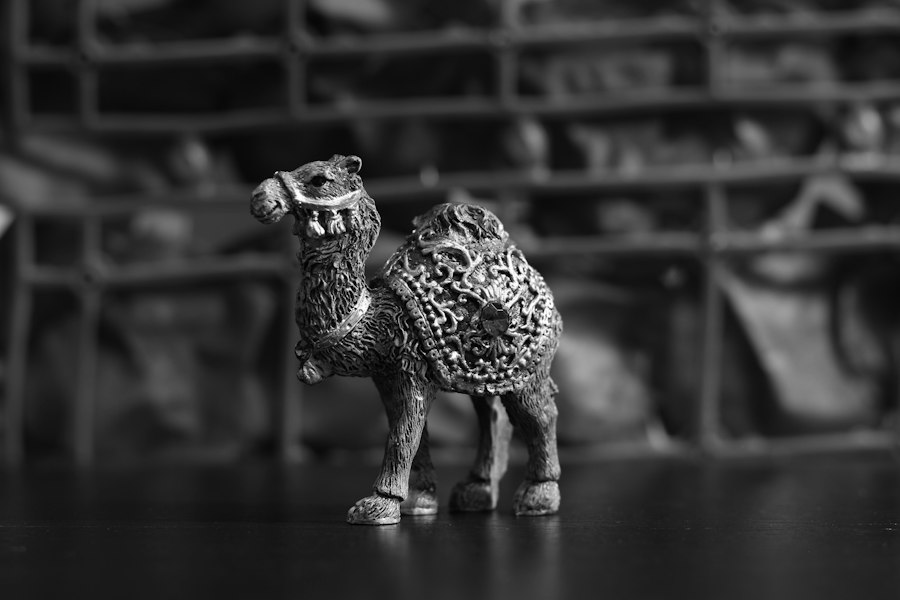
These magnificent carvings have withstood the relentless onslaught of the desert for centuries, a testament to the durability of their materials and the skill of their creators. However, they are not impervious to the ravages of time and the harsh environment. Their continued existence is a delicate balance between their inherent strength and the forces that seek to erode them.
The Sandblasting Effect: Nature’s Slow Erosion
The constant movement of sand, whipped by the desert winds, acts as a perpetual sandblaster. Over decades and centuries, these fine particles meticulously wear away at the surface of the rock, softening sharp edges and gradually obscuring intricate details. The iconic features of the carvings, once crisp and defined, can become smoother, rounded, and less distinct. This natural erosion is a slow, inexorable process that gradually reclaims the sculpted forms, transforming them back into part of the natural landscape. It’s a visual reminder of the impermanence of human endeavors in the face of geological time.
Climatic Extremes: The Toll of Sun and Storm
The desert climate presents its own set of challenges. Intense solar radiation can weaken and degrade certain types of rock, leading to flaking and cracking. Conversely, infrequent but intense rainstorms can cause flash floods that further erode the carvings or, in some cases, bury them under sediment. Temperature fluctuations, with their extreme highs and lows, also contribute to the stress on the rock, causing expansion and contraction that can lead to fracturing. These climatic extremes are silent adversaries, working in tandem with the wind and sand to test the resilience of these ancient artworks.
Human Impact: The Double-Edged Sword of Discovery
The discovery of these remarkable carvings by the wider world, while ensuring their preservation through documentation and study, also introduces a new set of threats. Increased tourism, even with the best intentions, can lead to accidental damage from touching, climbing, or leaning on the sculptures. The development of infrastructure to support tourism can also impact the surrounding environment. Responsible visitor practices and careful site management are crucial to mitigating these risks and ensuring that these treasures can be appreciated for generations to come.
Guardians of the Sands: Modern Preservation Efforts
Recognizing the immense cultural and historical value of these life-sized camel carvings, concerted efforts are being made by archaeologists, historians, and local communities to preserve them for posterity. These initiatives aim to protect the existing structures, document their current state, and learn from the past to inform future conservation strategies.
Archaeological Investigations: Unearthing the Stories
Archaeological expeditions play a vital role in understanding the context of these carvings. Excavations around the sites can reveal associated artifacts, settlements, or burial grounds, providing clues about the people who created them, their way of life, and their beliefs. This research helps to situate the carvings within their broader historical and cultural landscape, enriching our understanding of their purpose and significance. Dating techniques, where applicable, can help to establish timelines for the creation of these artworks.
Documentation and Mapping: A Digital Legacy
In the digital age, advanced technologies are revolutionizing the way cultural heritage is preserved. High-resolution photography, 3D scanning, and satellite imagery are used to create detailed records of the carvings. These digital models serve as invaluable references for monitoring changes over time, planning restoration efforts, and even reconstructing damaged sections virtually. This meticulous documentation creates a permanent record, safeguarding the visual information of these artworks even if the physical manifestations are altered by natural forces.
Community Involvement: Local Stewardship
The most effective preservation strategies often involve the active participation of local communities. These communities are the descendants of the people who created the carvings, and they hold invaluable traditional knowledge about the sites and their significance. Engaging them in conservation efforts fosters a sense of ownership and responsibility, ensuring that the long-term protection of these artworks is a collaborative endeavor. Local guides can educate visitors about the cultural importance of the carvings, promoting respect and discouraging harmful practices.
Life-sized camel carvings have captivated art enthusiasts and historians alike, showcasing the intricate craftsmanship and cultural significance of these magnificent creatures in various societies. For those interested in understanding the broader context of art and culture in regions where such carvings are prevalent, a compelling article discusses the urgent need for action in Sub-Saharan Africa. This piece highlights the challenges faced by communities and the importance of preserving their heritage. You can read more about this pressing issue in the article here.
Echoes in the Desert: The Lasting Legacy of Stone Camels
| Metric | Value | Unit | Notes |
|---|---|---|---|
| Average Height | 2.2 | meters | Typical height of life-sized camel carvings |
| Average Length | 3.5 | meters | From head to tail |
| Weight | 500 | kilograms | Depends on material used (e.g., stone, wood) |
| Material | Sandstone, Marble, Wood | – | Common materials for carvings |
| Average Carving Time | 120 | hours | Time taken by skilled artisans |
| Typical Location | Desert Museums, Cultural Parks | – | Where carvings are often displayed |
| Number of Details | 50+ | features | Includes eyes, fur texture, hooves, etc. |
The life-sized camel carvings are more than just ancient art; they are enduring symbols of human ingenuity, resilience, and a profound connection to the natural world. They stand as powerful reminders of the civilizations that once thrived in these seemingly barren landscapes and the vital role that the camel played in their survival and prosperity.
A Window into Nomadic Life: Honouring a Bygone Era
These monumental sculptures offer a unique and tangible glimpse into the nomadic cultures that shaped the desert. They capture the essence of a life dictated by the rhythm of the seasons, the search for water, and the constant movement across vast expanses. The depiction of the camel, in all its majestic glory, serves as an homage to the animal that made this challenging existence possible. They are silent chronicles of a way of life that, while largely transformed by modernity, continues to hold a powerful allure.
Inspiration for Contemporary Artists: A Timeless Muse
The raw power and striking simplicity of these desert carvings continue to inspire contemporary artists. Their monumental scale and deep connection to the land resonate with modern sensibilities, prompting new interpretations and explorations of form and material. Artists may draw inspiration from the techniques, the subject matter, or the philosophical underpinnings of these ancient artworks, breathing new life into their legacy. The camel, as a symbol of endurance and adaptation, remains a potent muse for creative expression.
A Call to Conservation: Protecting Our Shared Heritage
The continued existence of these life-sized camel carvings is a stark reminder of our responsibility to protect our shared cultural heritage. They are irreplaceable treasures that connect us to our past and offer valuable lessons for the future. By supporting conservation efforts, practicing responsible tourism, and advocating for the protection of these sites, we ensure that the echoes of these stone camels continue to resonate across the desert, inspiring awe and wonder for generations to come. Their silent presence serves as a profound testament to the enduring power of art to transcend time and connect humanity to the landscapes that sustain it.
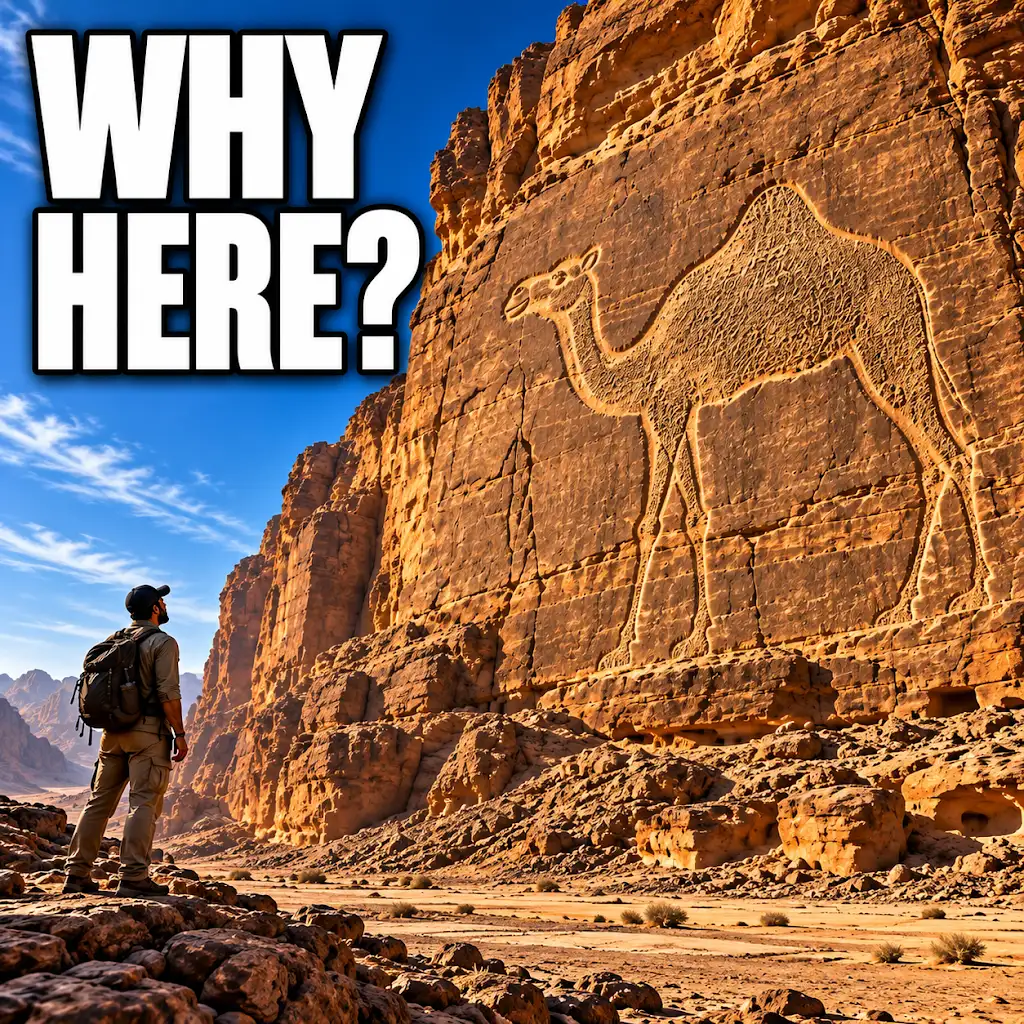
Why Were Giant Camels Carved Above the Desert?
FAQs
1. How are life-sized camel carvings typically made?
Life-sized camel carvings are usually made from materials such as wood, stone, or metal. Skilled artisans use tools like chisels, saws, and sanders to carefully sculpt the details of the camel’s body, fur, and facial features.
2. What is the significance of camel carvings in certain cultures?
In some cultures, camels are seen as symbols of endurance, strength, and resilience. Therefore, life-sized camel carvings may be created to honor these qualities or to serve as decorative pieces in homes, businesses, or public spaces.
3. Where can one typically find life-sized camel carvings on display?
Life-sized camel carvings can often be found in museums, art galleries, zoos, botanical gardens, and cultural centers. They may also be featured in outdoor parks, public squares, or as part of architectural designs in certain regions.
4. Are there different styles or designs of life-sized camel carvings?
Yes, there are various styles and designs of life-sized camel carvings depending on the cultural influences, artistic preferences, and materials used by the sculptors. Some carvings may depict realistic-looking camels, while others may be more abstract or stylized in nature.
5. How can one commission a custom life-sized camel carving?
To commission a custom life-sized camel carving, individuals or organizations can reach out to skilled sculptors or artists specializing in this type of work. They can discuss their specific requirements, budget, and timeline to create a unique camel carving tailored to their needs.