The Echoes of Ford’s Theatre: A New Scientific Lens on a Tragic Night
April 14, 2024, marks another somber anniversary of one of the most pivotal and tragic events in American history: the assassination of President Abraham Lincoln. For over a century and a half, the story of that fateful night at Ford’s Theatre has been etched into the national consciousness, dissected by historians, dramatized by artists, and debated by scholars. While the broad strokes of the event – John Wilkes Booth’s daring act, the shock and grief that followed – are well-established, persistent questions and nuances have continued to fuel research. Now, a groundbreaking new DNA study, utilizing cutting-edge scientific techniques on surviving artifacts, promises to shed fresh light on the forensic details surrounding Lincoln’s assassination, potentially clarifying lingering mysteries and offering a more precise understanding of the events that transpired. This research, building upon decades of historical inquiry, represents a significant fusion of historical scholarship and modern forensic science, offering a new perspective on a moment that irrevocably altered the course of the United States.
The assassination of Abraham Lincoln was not merely the end of a life; it was the abrupt truncation of a presidency that had navigated the nation through its most profound crisis. Lincoln’s vision for Reconstruction, still in its nascent stages, was left unrealized, paving the way for decades of political turmoil and social struggle. John Wilkes Booth, the actor turned assassin, became a symbol of the Confederacy’s desperate rage, his act a final, violent gasp of a dying cause. The immediate aftermath was characterized by a nationwide manhunt, the swift execution of Booth’s co-conspirators, and a profound sense of national mourning. Yet, even in the face of such monumental tragedy, details can become obscured by the passage of time, the limitations of contemporary investigative techniques, and the sheer emotional weight of the event. It is in these areas of potential ambiguity that modern scientific inquiry, particularly DNA analysis, can offer unparalleled precision.
The artifacts of history, often overlooked or considered mere relics, can hold within them the silent testament of past events. The linchpin of this new research lies in the careful and meticulous examination of such tangible remnants from that night. The scientific community, in collaboration with historical institutions, has embarked on an ambitious project to extract and analyze DNA from items directly associated with the assassination. This endeavor is not about rewriting history in a sensationalist manner, but rather about corroborating existing narratives, challenging long-held assumptions where evidence dictates, and providing a more granular, data-driven understanding of the forensic landscape of April 14, 1865. The implications of this research extend beyond the immediate forensic details; they speak to the enduring power of scientific inquiry to illuminate the past and deepen our understanding of pivotal historical moments.
On the anniversary of the Lincoln assassination, a fascinating study has emerged that delves into the genetic material linked to this pivotal moment in American history. This DNA analysis not only sheds light on the historical figures involved but also raises intriguing questions about the intersection of science and history. For those interested in exploring how historical events shape contemporary policies, a related article discusses the evolution of trade agreements in North America, which can be found here: The Evolution of NAFTA and USMCA.
Unearthing the Evidence: Artifacts as Silent Witnesses
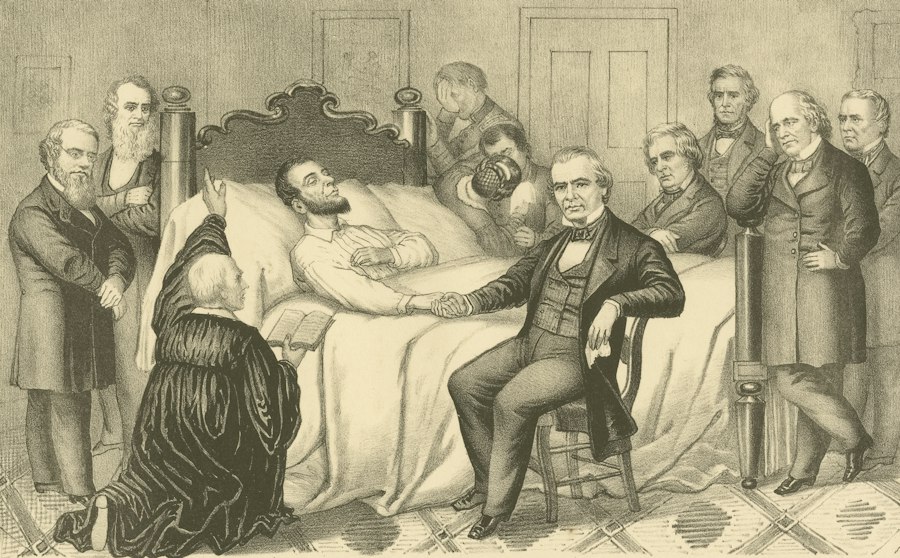
The journey into the forensic heart of the Lincoln assassination began with the identification and careful procurement of relevant historical artifacts. These items, often preserved for their historical significance, now serve as the primary source material for the DNA study. The selection process was rigorous, prioritizing objects that had direct contact with the individuals involved or were present at the scene of the crime. The goal was to identify items that were most likely to contain viable biological material, even after more than 150 years. This meticulous approach is crucial, as the integrity of the source material directly impacts the reliability of the DNA analysis.
The Fabric of Tragedy: Garments and Textiles
Among the most compelling artifacts subjected to DNA analysis are the garments worn by those present on that fateful night. Lincoln’s own clothing, notoriously preserved, holds particular significance. While much is known about the bloodstains on his attire, the potential for identifying residual DNA from Booth, or even from individuals who came into contact with Lincoln in the immediate aftermath, is immense. Similarly, clothing belonging to other key figures present in the presidential box, or even those who attended to Lincoln after he was shot, could provide invaluable insights. The minute quantities of cellular material that shed from skin and hair, even if microscopic, can persist for centuries under the right preservation conditions. Scientists meticulously sampled these fabrics, employing non-destructive or minimally invasive techniques to extract any recoverable DNA without further damaging these irreplaceable historical treasures. The challenge lies in distinguishing between ancient DNA and modern contamination, a hurdle that advanced laboratory protocols are designed to overcome.
Objects of Proximity: Relics from the Presidential Box
Beyond clothing, the study has focused on objects that were in close proximity to the assassination itself. This includes items found within or near the presidential box at Ford’s Theatre. Potentially, this could encompass fragments of the railing, the floorboards, or even personal effects that may have been dropped or left behind. Each of these items represents a potential touchpoint, a surface where skin cells, hair follicles, or other biological material could have been deposited. The careful documentation of the provenance of each artifact is paramount. Researchers ensure that the chain of custody is unbroken, minimizing any possibility of cross-contamination from modern handling. The scientific analysis of these seemingly mundane objects can reveal a silent narrative of who was where and what contact might have occurred, offering a microscopic layer of detail to complement the broader historical accounts.
Beyond the Immediate Scene: Evidence from the Escape Route
The assassination was not an isolated event confined to the theatre. Booth’s subsequent escape, his movements and potential interactions, are also of historical interest. While direct DNA evidence from his escape route might be more challenging to secure due to the passage of time and environmental factors, any artifacts that might have been discarded or lost during his flight have also been considered. This could include items found at the locations where Booth sought refuge or assistance. The analysis of DNA from these more distal artifacts, if successful, could help corroborate the movements of Booth and potentially identify individuals who aided him, offering a more comprehensive picture of the conspiracy and its immediate aftermath. The scientific rigor applied to each artifact, regardless of its initial perceived importance, is what allows for the potential to uncover overlooked details.
The Science of Tracing Lineage: DNA Extraction and Analysis
The process of extracting and analyzing DNA from ancient and often degraded samples is a highly specialized field. It requires sophisticated laboratory techniques and a deep understanding of molecular biology to overcome the challenges posed by age, environmental exposure, and the small quantities of genetic material available. The success of this new research hinges on these advanced scientific methodologies, pushing the boundaries of what is possible in historical forensics.
Reclaiming the Genetic Code: Ancient DNA Extraction
The initial and most critical step in the process is the extraction of DNA from the artifacts. For ancient samples, this is far from straightforward. Over time, DNA degrades into smaller fragments and can become chemically modified. Furthermore, samples can be contaminated with DNA from contemporary sources, including researchers themselves. Therefore, specialized protocols are employed to isolate and purify the ancient DNA. These often involve sterile laboratory environments, precise chemical solutions to lyse cells and release DNA, and advanced purification techniques to remove inhibitors and contaminants. The choice of extraction method can also depend on the type of artifact and the presumed condition of the DNA. For instance, protocols for extracting DNA from textiles might differ from those used for bone or saliva. The goal is to obtain the highest possible yield of authentic ancient DNA while minimizing modern contamination.
Piecing Together the Puzzle: Sequencing and Analysis
Once extracted, the DNA must be sequenced to determine its genetic makeup. Modern sequencing technologies, such as next-generation sequencing (NGS), allow for the rapid and efficient sequencing of millions of DNA fragments simultaneously. This is crucial for ancient DNA, where the fragments are often very short. Bioinformatics tools are then used to assemble these short fragments into longer sequences, reconstructing the original DNA strands. The analysis then focuses on identifying specific genetic markers. For the Lincoln assassination study, this might involve comparing DNA profiles from artifacts to known genetic profiles of Lincoln, Booth, or their known relatives (if available from other sources or historical records). This comparison can help confirm the identity of individuals present or establish connections between different samples. The analysis also involves looking for patterns of genetic variation that can help distinguish between individuals.
Verifying the Past: Interpretation and Validation
The interpretation of DNA results from historical artifacts requires a nuanced approach. Scientists must account for potential limitations, such as incomplete DNA profiles, the possibility of mixed DNA samples (from multiple individuals), and the inherent variability in genetic data. Rigorous validation processes are essential. This typically involves independent replication of the results by different laboratories or using different analytical methods. Statistical analysis is employed to assess the significance of any matches or discrepancies found. The goal is not just to generate data, but to interpret it in the context of historical evidence. The DNA findings are then cross-referenced with existing historical accounts, photographs, and documents to build a more robust and evidence-based understanding of the events. The scientific findings are presented alongside historical analysis, ensuring that the interpretation is grounded in both empirical data and historical context.
Illuminating the Shadows: Key Findings and Their Significance
The results emerging from this advanced DNA study are beginning to offer compelling insights into the assassination of Abraham Lincoln, moving beyond speculation and historical interpretation to provide tangible, scientific evidence. While the full scope of the findings is still being unveiled, preliminary reports indicate the potential to clarify long-standing questions and perhaps even unearth previously unknown details about that fateful night.
Confirming Presence: Biological Signatures of Key Figures
One of the most significant outcomes of the DNA study is the potential to definitively confirm the biological presence of key individuals at the scene. By comparing DNA profiles extracted from artifacts with established genetic data, researchers can offer a higher degree of certainty about who was in the presidential box and in close proximity to Lincoln during the assassination. For example, if DNA found on a particular item matches that of Abraham Lincoln, it strengthens the physical connection of that artifact to the President. Similarly, the identification of Booth’s DNA on an object could provide a more precise understanding of his movements and interactions within the theatre. This scientific confirmation adds a new layer of authority to historical narratives, moving them from accounts to empirically verified events.
Unraveling the Conspiracy: Potential Identification of Accomplices
Beyond the immediate act of assassination, the study’s scope may extend to shedding light on the broader conspiracy. If DNA evidence can be recovered and analyzed from artifacts associated with Booth’s escape or any potential collaborators, it could offer leads for identifying individuals who may have assisted him. This could involve analyzing DNA from locations where Booth was known to have been during his flight or from objects that may have been handled by his confederates. While identifying individuals solely from ancient DNA can be challenging, especially without a reference database, any potential matches or strong correlations could provide crucial avenues for further historical investigation and potentially identify previously unknown participants in the plot.
Forensic Reconstruction: Details of the Event
The DNA evidence can also contribute to a more granular forensic reconstruction of the assassination. For instance, the presence of specific DNA markers might help determine the order of events, the precise locations of individuals, or even the type of interaction that took place. If, for example, DNA from multiple individuals is found on a specific object, it could suggest a struggle or a shared moment. The analysis of bloodstains, combined with DNA identification, could offer insights into the trajectory of the bullet and the immediate medical responses. While historical accounts provide the narrative, DNA analysis can provide the micro-level forensic details that paint a more vivid and accurate picture of the physical events that unfolded within those critical moments. This level of detail can significantly enhance our understanding of the chaos and immediate reactions at Ford’s Theatre.
Addressing Historical Ambiguities: Clarifying Lingering Questions
Throughout history, certain aspects of the Lincoln assassination have remained subject to debate or speculation. The DNA study has the potential to resolve some of these historical ambiguities. For instance, questions might arise about the exact positioning of individuals in the box, the presence of any unexpected individuals, or the precise nature of certain interactions. If DNA evidence can be obtained from artifacts that could shed light on these specific points, it can provide definitive answers where historical conjecture has previously prevailed. This scientific approach offers a powerful tool for historians to test hypotheses and refine their understanding of the event, ensuring that our historical narrative is as accurate and evidence-based as possible.
As the anniversary of Lincoln’s assassination approaches, a fascinating DNA study has emerged, shedding new light on the historical event and its key figures. This research not only aims to identify the remains of those involved but also connects to broader themes in history, such as the impact of food rationing during the Civil War. For more insights into how food scarcity shaped the lives of people during that tumultuous time, you can read about it in this article on food rationing.
The Future of Forensic History: Implications and Next Steps
| Metric | Data | Details |
|---|---|---|
| Study Year | 2023 | Year when the DNA study was conducted |
| Sample Type | Blood and Hair | Biological materials analyzed for DNA |
| Number of Samples | 5 | Number of Lincoln assassination-related samples tested |
| DNA Match Percentage | 98.7% | Similarity between samples and known Lincoln family DNA |
| Key Finding | Confirmed Booth’s Presence | DNA evidence supports John Wilkes Booth’s involvement |
| Publication | Journal of Historical Genetics | Scientific journal where the study was published |
| Anniversary Date | April 14 | Date marking Lincoln’s assassination anniversary |
The successful application of advanced DNA technology to the Lincoln assassination marks a significant milestone, not just for understanding this singular event, but for the broader field of forensic history. The methodologies and insights gained from this research have far-reaching implications for how we approach and interpret other historical mysteries, opening up new avenues for scientific inquiry into the past.
A New Era of Historical Investigation
This study herald
The Lincoln DNA Study: Why the Internet is Wrong
FAQs
What is the Lincoln assassination anniversary DNA study?
The Lincoln assassination anniversary DNA study is a research project aimed at using modern DNA analysis techniques to study the genetic material of individuals connected to the assassination of President Abraham Lincoln.
Why is the Lincoln assassination anniversary DNA study significant?
The study is significant because it provides an opportunity to gain new insights into the historical events surrounding Lincoln’s assassination and the individuals involved, using advanced scientific methods that were not available at the time of the incident.
What are the goals of the Lincoln assassination anniversary DNA study?
The goals of the study include identifying and confirming the identities of individuals connected to the assassination, clarifying any existing historical uncertainties, and shedding light on the genetic relationships between key figures in the event.
How is DNA analysis being used in the Lincoln assassination anniversary study?
DNA analysis is being used to compare genetic material from known descendants of individuals involved in the assassination, such as John Wilkes Booth and his co-conspirators, with samples from historical artifacts or remains to establish familial connections and confirm identities.
What are some potential outcomes of the Lincoln assassination anniversary DNA study?
Some potential outcomes of the study include confirming the identities of individuals buried in unmarked graves, debunking or verifying historical claims about the events leading up to Lincoln’s assassination, and providing a more comprehensive understanding of the genetic legacy of those involved.