
The rolling hills and verdant valleys of Kentucky hold within them a profound historical tapestry, woven with threads of hardship, resilience, and foundational moments in American history. Among the most significant figures whose early life and lineage are indelibly linked to this Bluegrass State is Abraham Lincoln, the sixteenth President of the United States. Exploring the Lincoln family roots in Kentucky is not merely an exercise in genealogical tracing; it is an immersion into the very soil that shaped a man who would ultimately guide a nation through its darkest hour. This journey takes visitors and historians alike to places where the whispers of generations past still resonate, offering tangible connections to the humble beginnings of extraordinary individuals.
## The Early Settlers: Forging a Path in the Wilderness
The story of the Lincoln family in Kentucky begins with the arrival of Mordecai Lincoln, Abraham Lincoln’s great-grandfather. He, along with his family, ventured into the western territories seeking opportunity and a life free from the burgeoning societal constraints of the East Coast. The allure of undeveloped land, rich in natural resources, proved a powerful draw for many settlers during this period of westward expansion. Kentucky, with its fertile soil and abundant game, represented a frontier ripe for cultivation and settlement.
### The Journey West and Initial Land Claims
Mordecai Lincoln’s migration to Kentucky was part of a larger wave of immigration that characterized the late 18th century. Driven by land hunger and the promise of self-sufficiency, these pioneers faced immense challenges. The journey itself was arduous, often undertaken with rudimentary wagons and a spirit of sheer determination. Upon arrival, the process of establishing a homestead was equally demanding. Securing land involved surveying and claiming plots, a process that often led to disputes and the need for legal recourse. The Lincolns, like many of their contemporaries, navigated this complex landscape, laying the groundwork for future generations. Their early land acquisitions in what is now Lincoln County, named in honor of a different branch of the family, attest to their commitment to building a life in this new territory. These early settlements were not isolated outposts but often formed nascent communities where families relied on each other for survival and mutual support.
### Establishing a Footing: Farming and Frontier Life
Life on the Kentucky frontier was a constant negotiation with nature. Farming was the primary occupation, and the success of a harvest was directly tied to the vagaries of weather and the ability to clear and cultivate often dense wilderness. The Lincoln family, like their neighbors, would have engaged in subsistence farming, growing crops such as corn, wheat, and tobacco, while also relying on hunting and foraging to supplement their diet. The establishment of a homestead was a labor-intensive endeavor. Clearing land of trees and rocks, building shelters, and fencing fields were all critical tasks that required significant physical exertion and ingenuity. The harsh realities of frontier life, including the ever-present threat of disease and conflict, forged a strong sense of resilience and self-reliance within these early families. It was in this environment that the values of hard work, perseverance, and community were deeply ingrained, characteristics that would later be seen reflected in Abraham Lincoln’s own life.
The Lincoln family’s history in Kentucky is a fascinating aspect of American heritage, showcasing the roots of one of the nation’s most iconic presidents. For those interested in exploring how historical narratives evolve over time, a related article can be found at this link. It delves into the broader context of historical changes and their impact on cultural identities, which can provide valuable insights into the significance of the Lincoln family’s legacy in the context of Kentucky’s rich history.
## The Lincoln Homestead: A Humble Genesis
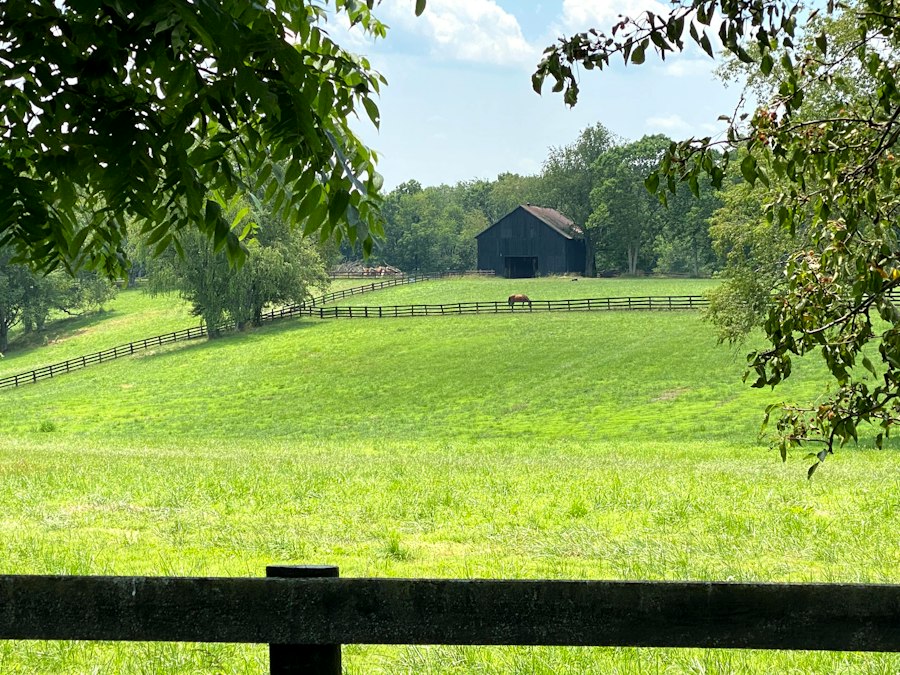
The physical spaces where the Lincoln family lived and worked in Kentucky offer a poignant glimpse into their lives. While grand estates were not the norm, these humble dwellings served as the crucible for forging family bonds and imparting essential life lessons. The locations themselves have become sites of historical significance, drawing those who wish to connect with the origins of one of America’s most revered presidents.
### The Lincoln Boyhood Home Site
Though the original structure no longer stands, the site of Abraham Lincoln’s boyhood home in Kentucky is a place of profound historical contemplation. Located near Athertonville in Hardin County (now Larue County), this was the farm where young Abraham spent his formative years. It was here that he experienced the joys and sorrows of childhood, learned the rudiments of reading and writing, and began to grasp the principles of morality and justice. The landscape itself, with its fields and woods, served as an outdoor classroom, shaping his observations of the natural world and the human condition. The preservation of this site, marked by a memorial, allows visitors to stand on the very ground where Lincoln’s character began to take shape, fostering a sense of tangible connection to his past. The interpretive programs and historical markers at the site provide valuable context, detailing the daily lives of the Lincoln family and the challenges they faced.
### The Birthplace Cabin: A Symbol of Simplicity
The cabin where Abraham Lincoln was born in 1809, though a reconstruction, stands as a powerful symbol of his humble origins. Located in Sinking Spring Farm near Hodgenville, the original cabin was a simple, one-room structure, emblematic of the modest dwellings of frontier families. This small, unadorned space represents the starting point of a life that would dramatically impact the course of American history. The preservation and reconstruction efforts at this site are dedicated to honoring the simplicity and resilience of the Lincoln family during this early period. Visitors often remark on the profound sense of awe they experience standing before the birthplace, a testament to the idea that greatness can indeed emerge from the most unassuming beginnings. The surrounding farm, restored to resemble its 19th-century appearance, further enhances the immersive experience, allowing visitors to imagine the Lincoln family’s daily routines in this rural setting.
## The Social and Political Landscape of Frontier Kentucky

Kentucky in the late 18th and early 19th centuries was a land of opportunity, but also a place with its own unique social dynamics and burgeoning political aspirations. The Lincolns, as settlers, were active participants in this evolving society, contributing to its development and being shaped by its currents.
### Early Kentucky Society: A Melting Pot of Cultures
The settlers who arrived in Kentucky came from diverse backgrounds, bringing with them a variety of customs, beliefs, and experiences. This convergence of cultures created a unique frontier society, characterized by both independence and a strong sense of community. The Lincolns, like many of these early pioneers, were English in origin, but their interactions with other groups, including Scots-Irish and German immigrants, contributed to the rich cultural tapestry of the region. Social life often revolved around religious gatherings, community events, and mutual assistance networks. While formal education was limited for many, the transmission of knowledge and values occurred through family, neighbors, and oral traditions. The development of early towns and settlements provided focal points for social interaction and the exchange of goods and ideas, further shaping the social fabric of the burgeoning state.
### Political Stirrings and Early Governance
Even in its nascent stages, Kentucky was a place of significant political activity. As a territory, it was under the jurisdiction of Virginia, but the desire for statehood and self-governance was a powerful driving force. The process of becoming a state involved multiple conventions, debates over constitutions, and the establishment of new governmental structures. The Lincolns, as engaged citizens, would have been aware of these political developments, even if their direct participation was limited by their focus on agriculture and family life. The issues debated during this period, such as land rights, slavery, and the relationship with the federal government, laid the groundwork for future political contests and shaped the identity of Kentucky as a state. Abraham Lincoln’s own later political career was undoubtedly influenced by the examples of public discourse and the principles of governance he witnessed or learned about from his family’s experiences in early Kentucky.
## The Lincoln Legacy: Echoes in the Bluegrass
The influence of the Lincoln family extends far beyond their immediate descendants, leaving an enduring legacy on Kentucky and the nation. The historical sites and preserved landmarks serve as constant reminders of their contributions and the values they embodied.
### Preserving the Past: Historical Sites and Museums
Kentucky has made significant efforts to preserve the historical sites associated with the Lincoln family. The Abraham Lincoln Birthplace National Historical Park, the Lincoln Boyhood Home site, and numerous other locations offer visitors the opportunity to walk in the footsteps of Abraham Lincoln and his ancestors. Museums and interpretive centers at these sites provide in-depth information about the family’s history, the challenges of frontier life, and the social and political context of the era. These institutions play a crucial role in educating the public and ensuring that the stories of the Lincoln family are not forgotten. The meticulous preservation of artifacts, documents, and reconstructed buildings allows for a deeper understanding of their lives and the enduring impact they have had. These sites are not just tourist attractions; they are vital repositories of American history, offering a tangible connection to the past and inspiring reflection on the principles that shaped the nation.
### The Enduring Impact on American Identity
Abraham Lincoln’s presidency, and his role in preserving the Union and ending slavery, cemented his place as one of America’s most important figures. His Kentucky roots, therefore, are not just a biographical detail but an integral part of the national narrative. The values of perseverance, integrity, and dedication to the common good that he demonstrated throughout his life are deeply associated with his frontier upbringing. The exploration of Lincoln family roots in Kentucky allows for a deeper appreciation of the man and the times that shaped him. It highlights the idea that profound leadership and transformative change can emerge from seemingly ordinary circumstances, reinforcing the democratic ideals upon which the United States was founded. The Bluegrass State, in this regard, serves as a foundational chapter in the story of American resilience and the pursuit of a more perfect union.
The Lincoln family’s history in Kentucky is a fascinating aspect of American heritage, showcasing the early life of one of the nation’s most revered presidents. Their roots in this region reflect the broader narrative of the time, including the struggles and triumphs faced by families in the early 19th century. For those interested in exploring themes of regional identity and autonomy, a related article discusses the importance of empowering regions in shaping their own destinies. You can read more about this compelling topic in the article found here.
## Beyond the Birthplace: Tracing the Family Tree
| Metric | Details |
|---|---|
| Family Origin | Lincoln family originally settled in Kentucky in the late 18th century |
| Notable Ancestor | Abraham Lincoln’s grandfather, Abraham Lincoln Sr., moved to Kentucky from Virginia |
| Settlement Location | Hardin County (now part of LaRue County), Kentucky |
| Time Period | Late 1700s to early 1800s |
| Family Occupation | Farming and landholding |
| Historical Significance | Lincoln family’s Kentucky roots influenced Abraham Lincoln’s early life and values |
| Migration | Family moved from Kentucky to Indiana in 1816 |
While the birthplace and boyhood home are central to understanding Lincoln’s Kentucky heritage, tracing the broader family tree reveals a more intricate network of connections and experiences within the state. The migrations and intermarriages of various Lincoln branches paint a fuller picture of their presence and influence.
### Branches of the Lincoln Family in Kentucky
The Lincoln lineage in Kentucky was not confined to Abraham Lincoln’s direct paternal line. Extended family members and cousins also settled in the state, contributing to the local economy and social fabric. Research into these branches reveals a pattern of land acquisition, farming, and participation in community life. Understanding these connections provides a more nuanced view of the Lincoln family as a collective entity within the historical context of Kentucky. Some branches remained in agriculture, while others moved into trades or began to engage more directly in local politics. This diversification of occupations reflects the evolving economic landscape of Kentucky itself. The historical records, such as land deeds, census data, and church registries, offer valuable clues for genealogists and historians seeking to map out these interconnected family lines.
### The Interplay of Kinship and Community Life
In frontier society, kinship ties were of paramount importance. Extended families often settled near one another, providing mutual support in times of hardship and celebrating together during periods of prosperity. The Lincolns were no exception. Their relationships with other families in their communities, both through blood and marriage, played a significant role in their lives. These alliances could be crucial for economic success, social standing, and even political influence. The concept of “neighbor helping neighbor” was not merely an adage but a practical necessity. The interactions between the Lincoln family and their kin, as well as their wider community, offer insights into the social dynamics of early Kentucky, demonstrating how individual lives were intricately woven into the larger fabric of shared experience and collective endeavor. The legacy of these early relationships and the community spirit they fostered continues to resonate in the cultural heritage of Kentucky.

The Lincoln DNA Study: Why the Internet is Wrong
FAQs
1. Who were the members of the Lincoln family in Kentucky history?
The Lincoln family in Kentucky history included Thomas Lincoln, Nancy Hanks Lincoln, and their son Abraham Lincoln, who would later become the 16th President of the United States.
2. Where did the Lincoln family live in Kentucky?
The Lincoln family lived in a one-room log cabin on the Sinking Spring Farm in Hardin County, Kentucky. This is where Abraham Lincoln was born on February 12, 1809.
3. What was the significance of the Lincoln family’s time in Kentucky?
The Lincoln family’s time in Kentucky was significant as it was where Abraham Lincoln spent his formative years and learned many of the values that would shape his character and leadership style as President.
4. How did the Lincoln family’s time in Kentucky influence Abraham Lincoln’s views on slavery?
The Lincoln family’s time in Kentucky exposed Abraham Lincoln to the institution of slavery, which he witnessed firsthand. This experience played a role in shaping his views on slavery and ultimately influenced his decision to issue the Emancipation Proclamation.
5. What is the legacy of the Lincoln family in Kentucky history?
The legacy of the Lincoln family in Kentucky history is profound, as it produced one of the most revered Presidents in American history. Their humble beginnings in Kentucky serve as a reminder of the potential for greatness that can arise from even the most modest of circumstances.