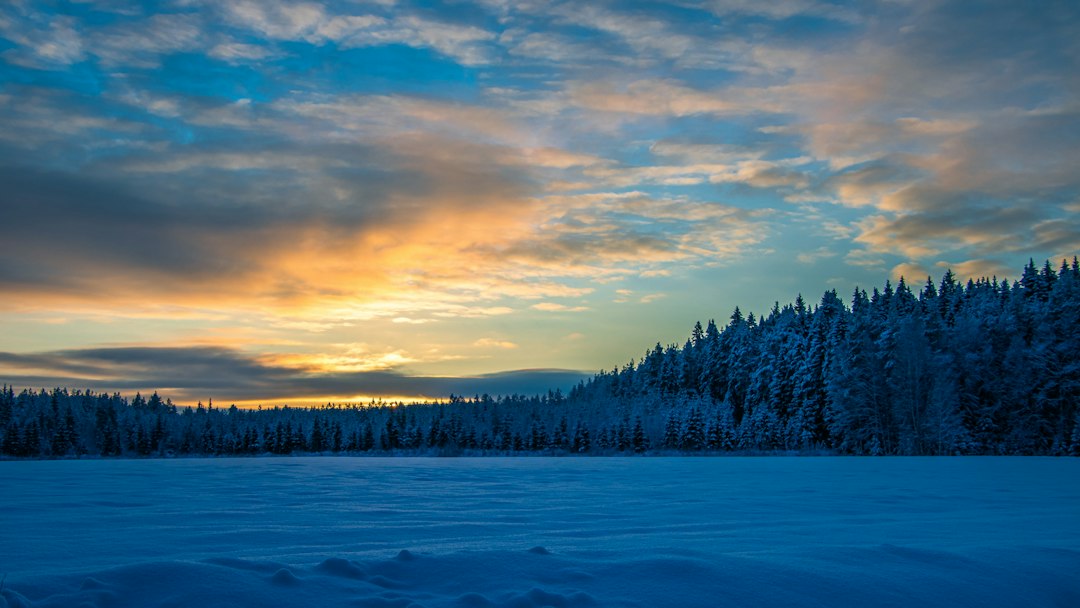
It sounds like you’re looking for information on a title, “Long Night Before Dawn: Surviving Prehistoric Winter Challenges,” but it’s not showing up in any of the usual places like news feeds, gaming sites, or book databases. This can happen for a few reasons. It might be a working title for something still in development, a project someone is creating at home or for a class, or perhaps a chapter within a larger work. Without knowing if it’s meant to be a book, game, film, or article, and where you first heard about it, it’s tough to track down.
However, the idea behind surviving prehistoric winters is a fascinating one. Let’s dive into what that might have actually been like, based on what we know about early humans and their environments.
The Breath of the Ice Age: Winter’s Reign
Prehistoric winters weren’t just a slightly colder version of today. Depending on the specific period and location, these could be brutal, extended periods of hardship that shaped human evolution and behavior. Imagine winters that lasted for months, with temperatures plummeting far below freezing, heavy snowfall, and limited daylight. Food would become scarce, and the constant threat of freezing or starvation would be a daily reality.
When Did “Prehistoric Winter” Really Bite?
The term “prehistoric” covers a vast span of time, and the climate varied significantly. However, many of the key developments in early human survival occurred during the Pleistocene epoch, which includes several ice ages. During these glacial periods, vast ice sheets covered much of the Northern Hemisphere, and the climate was dramatically colder and drier globally. These were the times when winter truly dominated the landscape and human life.
Adapting to the Cold: A Matter of Survival
For our ancestors, survival through these harsh winters depended on a complex interplay of biological adaptations and learned behaviors. It wasn’t just about enduring the cold; it was about actively combating it. This involved a deep understanding of their environment and a resourceful use of available materials.
The concept of the long night before dawn during prehistoric winters evokes a sense of mystery and intrigue, particularly in relation to how ancient civilizations adapted to harsh climates. A related article that delves into the impact of climate on early human societies is titled “Uncovering the Secret Inscription of Ancient Climate.” This piece explores how inscriptions and artifacts can reveal insights into the environmental challenges faced by our ancestors. For more information, you can read the article here: Uncovering the Secret Inscription of Ancient Climate.
Shelter: The First Line of Defense

Without effective shelter, surviving a prehistoric winter would have been nearly impossible. Protection from the wind, snow, and extreme cold was paramount. Early humans likely used a combination of natural features and constructed dwellings to stay warm and safe.
Utilizing Natural Cover
Caves and rock overhangs were invaluable natural shelters. They offered immediate protection from the elements and were often more insulated than exposed areas. However, these were not always available or ideal. Occupying a cave also meant dealing with any existing occupants, be they animals or previous human groups.
Building for Warmth: Early Dwellings
When natural shelters weren’t sufficient, early humans constructed their own. These could range from simple windbreaks made of branches and animal hides to more complex structures. Evidence suggests the use of mammoth bones, tusks, and hides, along with wood and stone, to create substantial dwellings that could withstand harsh weather. These structures were often strategically placed to take advantage of natural insulation, like snowdrifts, or to be protected from prevailing winds.
The Importance of Insulation
The key to any good shelter was insulation. Animal hides, fur, and even dried grasses were packed into walls and floors to trap heat. Smoke from fires, while a source of warmth and light, also played a role in preventing the buildup of moisture within shelters, which could lead to dampness and a chilling effect.
Fire: The Heart of the Camp
Fire was, without a doubt, one of the most revolutionary technologies for prehistoric humans. During winter, its importance was magnified a hundredfold. Fire provided warmth, light, a means of cooking food, and protection from predators.
Mastering the Flame: From Accidental to Intentional
The initial discovery of fire was likely accidental, perhaps from lightning strikes. However, learning to control, maintain, and intentionally create fire was a monumental achievement. This skill would have been passed down through generations, with dedicated individuals likely responsible for keeping the embers alive.
Fire’s Multifaceted Roles in Winter
- Warmth: The most obvious benefit. A well-maintained fire could raise the temperature inside a shelter significantly, making life bearable and even comfortable.
- Light: With limited daylight hours in winter, fire provided essential illumination, extending the usable time for activities like tool making, food preparation, and social interaction.
- Cooking: Fire allowed for the cooking of meat and other foods, making them more digestible, safer (killing parasites), and often more palatable. This was crucial for extracting maximum nutritional value from scarce winter resources.
- Predator Deterrent: The flickering flames and the smoke would have kept most dangerous animals at bay, offering a critical layer of security for vulnerable groups.
- Tool Making: Fire could be used to harden wooden spear tips or to heat stone for flaking, improving the efficiency of tool production.
Fueling the Fire: The Constant Need
Maintaining a fire required a constant supply of fuel. This meant significant effort spent gathering wood, dried dung, or other combustible materials, even in deep snow. The location of settlements would have been heavily influenced by access to fuel sources.
Sustenance: The Endless Hunt for Food
Winter presented the greatest challenge to prehistoric diets. Food sources that were abundant in warmer months became scarce or inaccessible. Survival depended on meticulous planning, effective hunting strategies, and the ability to preserve food.
Adapting Hunting Strategies
When migratory animals moved south or hibernated, hunters had to adapt. This might involve focusing on species that remained active year-round, such as reindeer, mammoths, or bison, which often congregated in herds in sheltered areas. These hunts would have been dangerous and required sophisticated group coordination.
The Role of Scavenging and Gathering
While hunting was crucial, scavenging from predator kills or taking advantage of carcasses found naturally would have supplemented diets. Gathering efforts would have shifted to roots, nuts, and dried berries that could be stored or found under the snow. The knowledge of where to find these hidden resources would have been invaluable.
Food Preservation: Storing for the Lean Times
The ability to preserve food was a game-changer. Drying meat and fish in the cold, windy conditions could extend their shelf life. Smoking meat over fires was another effective method. Storing food in frozen conditions, like in natural ice pits, could also have been a strategy in very cold climates.
The Importance of Fat
Fat was a crucial energy source during winter. Animals that survived the cold, like mammoths and woolly rhinoceroses, had thick layers of fat that provided not only calories but also insulation. Utilizing every part of a hunted animal, including fat and organs, would have been essential for maximizing nutritional intake.
The long night before dawn during prehistoric winters has always fascinated researchers, as it highlights the survival strategies of early humans in harsh climates. In exploring this topic, one can gain insights into how ancient societies adapted to their environments, including their innovative use of natural resources. A related article discusses the intriguing concept of harnessing ancient solar furnace technology, which sheds light on how prehistoric people might have utilized solar energy for warmth and cooking. For more information on this fascinating subject, you can read the article here.
Clothing and Gear: Staying Warm and Mobile
| Metric | Description | Estimated Value | Unit |
|---|---|---|---|
| Duration of Long Night | Estimated length of continuous darkness during prehistoric winter | 3-6 | Months |
| Average Temperature | Mean temperature during the long night before dawn in prehistoric winter | -30 to -50 | °C |
| Ice Sheet Coverage | Percentage of Earth’s surface covered by ice during prehistoric winter | 30-40 | % |
| Daylight Hours | Average daylight hours per day during the long night period | 0-2 | Hours |
| Precipitation | Average snowfall during the long night before dawn | 10-20 | cm/month |
| Human Activity Level | Estimated level of human activity during the long night | Low | Qualitative |
The right clothing and tools were essential for surviving the cold and facilitating movement. Prehistoric peoples were masters of using animal hides and furs to create effective garments.
The Power of Hides and Furs
Animal skins, when properly treated and sewn, offered excellent insulation. The thick fur of animals like mammoths, bears, and reindeer would have been ideal for winter wear. Clothing would have likely consisted of multiple layers to trap warm air. This would include tunics, leggings, and crucially, footwear to protect feet from the frozen ground.
Sewing and Crafting: Essential Skills
The development of tools like bone needles and awls was vital for sewing hides together to create clothing. This skill allowed for the creation of more fitted and functional garments, reducing heat loss and improving mobility. The use of sinew as thread would have provided strong and durable stitching.
Tools for the Environment
Beyond clothing, specific tools were developed to aid in winter survival. Sharpened stone or bone points for spears would have been essential for hunting. Scrapers for preparing hides, and possibly even primitive snowshoes or skis (though evidence for these is debated and often from later periods), would have helped with traversing snow-covered terrain.
Social Structures and Knowledge Transfer: The Unseen Tools
While tangible resources like shelter and fire were critical, the less visible aspects of social organization and knowledge transfer were equally, if not more, important for long-term survival.
The Strength of the Group
Prehistoric winters would have favored cooperation. Larger, organized groups would have been more successful at hunting large game, defending themselves from predators, and sharing resources. Social bonds and mutual reliance were likely strong.
Passing Down the Wisdom: Oral Traditions
The knowledge of how to find food, build shelters, make tools, and predict weather patterns was accumulated over millennia. This vital information was passed down from generation to generation, primarily through oral traditions. Elders and experienced individuals would have been repositories of this essential survival lore.
Psychological Resilience: The Long Night
The sheer duration and severity of prehistoric winters would have tested the psychological resilience of early humans. The limited daylight, constant struggle for survival, and the potential for isolation would have required a strong sense of community and a deep-seated will to endure. The “long night before dawn” was not just a physical challenge, but a mental one, requiring hope and perseverance.
Learning from Experience: The Cycle of Seasons
Each winter was a learning experience. The successes and failures of one season would have informed strategies for the next. This adaptive capacity, driven by observation and cumulative experience, was a key factor in humanity’s ability to spread across the globe and survive in diverse and challenging environments.
Conclusion: A testament to Human Ingenuity
Surviving prehistoric winters was an extraordinary feat of adaptation and ingenuity. It required a deep understanding of the natural world, the development of crucial technologies like fire and effective shelter, and the strength of social bonds. These ancient challenges, etched into the very fabric of human history, highlight the incredible resilience and resourcefulness of our ancestors who, through sheer determination and cleverness, managed to navigate the longest, coldest nights, always looking towards the promise of the returning dawn.

Life 20,000 Years Ago | When Your Ice Age Family Can’t Feed the Dog
FAQs
What does “long night before dawn” refer to in the context of prehistoric winters?
The phrase “long night before dawn” symbolizes the extended periods of darkness and harsh conditions experienced during prehistoric winters. It reflects the challenges faced by early humans and other species as they adapted to extreme cold, limited daylight, and scarce resources during these seasons.
How did prehistoric humans survive during long winters?
Prehistoric humans employed various survival strategies during long winters, including building shelters to protect against the cold, utilizing fire for warmth and cooking, and storing food during warmer months to ensure a supply during winter. They also relied on hunting and gathering, often targeting animals that were more accessible during the colder months.
What evidence do we have of prehistoric winters?
Evidence of prehistoric winters can be found in archaeological sites where researchers have uncovered tools, remnants of shelters, and animal bones. Ice cores and sediment layers also provide insights into past climate conditions, indicating periods of extreme cold and their impact on ecosystems and human populations.
How did climate change affect prehistoric winters?
Climate change played a significant role in shaping prehistoric winters by altering temperature patterns, precipitation levels, and the availability of resources. Fluctuations in climate could lead to harsher winters, impacting food supply and forcing human populations to adapt their lifestyles, migrate, or develop new survival strategies.
What lessons can modern society learn from studying prehistoric winters?
Studying prehistoric winters can provide valuable insights into human resilience and adaptability in the face of environmental challenges. It highlights the importance of resource management, community cooperation, and innovation in survival, which can inform contemporary approaches to climate change and sustainability.