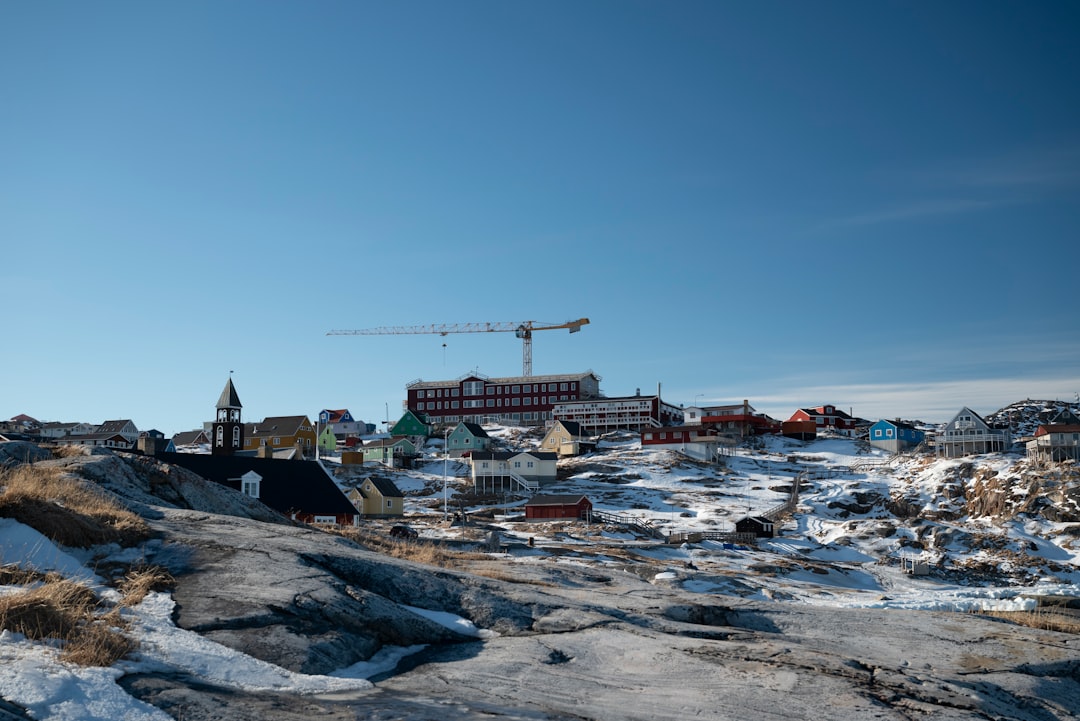
The frigid expanse of Greenland, a land synonymous with imposing glaciers and stark, icy landscapes, holds secrets far older and more profound than many realize. Beneath the shimmering, seemingly immutable ice lies not just frozen wilderness, but the spectral remnants of a lost civilization, an abandoned testament to human ingenuity and resilience in the face of an unforgiving planet. This is the story of a city, buried and forgotten, waiting to be rediscovered.
For centuries, the Greenland ice sheet has been a formidable barrier, concealing the land beneath it from casual observation. Yet, as scientific exploration has advanced and our understanding of geological time has deepened, tantalizing hints of something more have begun to emerge. These are not mere geological formations, but echoes of human presence, whispers from a time when this now frozen continent may have pulsed with life.
The Paradox of Greenland’s Past
The very name “Greenland” evokes images of verdant pastures and a temperate climate. This apparent contradiction fuels the imagination and has led to persistent theories about a vastly different past for the island. While it is widely accepted that Greenland experienced warmer periods in its geological history, the idea of a thriving human civilization existing there during such times remained largely in the realm of speculation until more concrete evidence began to surface.
Early Explorers and Unsettling Discoveries
Early explorers venturing into the Arctic, driven by curiosity and the pursuit of trade routes, sometimes stumbled upon artifacts that defied easy explanation. While often dismissed as isolated finds or misinterpretations, these objects—fragments of pottery, worked stone, and even unusual metallic debris—planted seeds of doubt in the minds of those who encountered them. Could these be remnants of a people who had long since vanished, their settlements swallowed by the encroaching ice?
The discovery of an abandoned city buried beneath the ice of Greenland has sparked significant interest in the study of ancient civilizations and their patterns of abandonment. This fascinating topic is further explored in a related article that delves into the trends and reasons behind the abandonment of ancient cities throughout history. For more insights, you can read the article here: Uncovering Ancient City Abandonment Trends.
The Ice Core Chronicles: Unveiling Hidden Histories
The advent of ice core drilling technology has revolutionized our ability to peer into Earth’s past. These cylindrical samples of ice, extracted from deep within the Greenland ice sheet, act as time capsules, preserving atmospheric conditions, volcanic ash, and even biological material from millennia ago. It is within these frozen archives that the most compelling evidence for a lost civilization has begun to emerge, painting a picture far richer and more complex than previously imagined.
Layers of Time: Reading the Ice
Each layer of an ice core represents a year, or sometimes even a season, of snowfall. By meticulously analyzing these layers, scientists can reconstruct past temperatures, the composition of the atmosphere, and even the prevalence of certain elements. It is within these stratifications that anomalies have begun to appear, patterns that do not align with natural geological processes alone.
Unusual Isotopic Signatures
Certain isotopic ratios found within ice cores have hinted at the presence of human industrial activity. For instance, elevated levels of specific isotopes of lead, often associated with smelting and metalworking, have been detected in layers corresponding to periods when human civilization was known to be flourishing in other parts of the world. While naturally occurring processes can produce some isotopic variations, the specific anomalies observed suggest a more deliberate source.
Microscopic Artifacts Trapped in Time
Beyond atmospheric data, some ice cores have yielded microscopic fragments that point directly to human creation. These include minute traces of processed minerals, altered organic compounds consistent with agriculture or food preparation, and even microscopic pieces of worked bone and stone. While individually these might be dismissed, their consistent presence in specific geological strata, alongside other indicators, builds a compelling case.
Beyond the Ice: Geophysical Surveys and Anomalies
While ice cores offer a window into the past, their revelations have also spurred further investigation on the surface. Advanced geophysical survey techniques, designed to map the subsurface topography of Greenland, have revealed intriguing anomalies that lie beneath the ice. These are not the smooth, undulating forms of natural rock, but often possess geometric regularity and rectilinear shapes, suggestive of man-made structures.
Ground-Penetrating Radar’s Revelations
Ground-penetrating radar (GPR) has been instrumental in this subsurface exploration. By emitting radio waves and analyzing their reflections, GPR can create images of what lies beneath the ice. In certain regions of Greenland, these scans have revealed what appear to be extensive networks of walls, foundations, and even potential courtyards, buried deep within the glacial ice. The sheer scale and organization of these anomalies are difficult to explain through natural phenomena.
Magnetic Anomalies and Metallic Signatures
Further geophysical investigations using magnetometers have detected unusual magnetic signatures in areas corresponding to the GPR anomalies. These localized magnetic variations can indicate the presence of buried metallic objects or structures, consistent with advanced metallurgy or construction techniques. The distribution and intensity of these anomalies suggest a concentrated human presence rather than scattered occurrences.
A Hypothetical Chronology: When Was the City Flourishing?
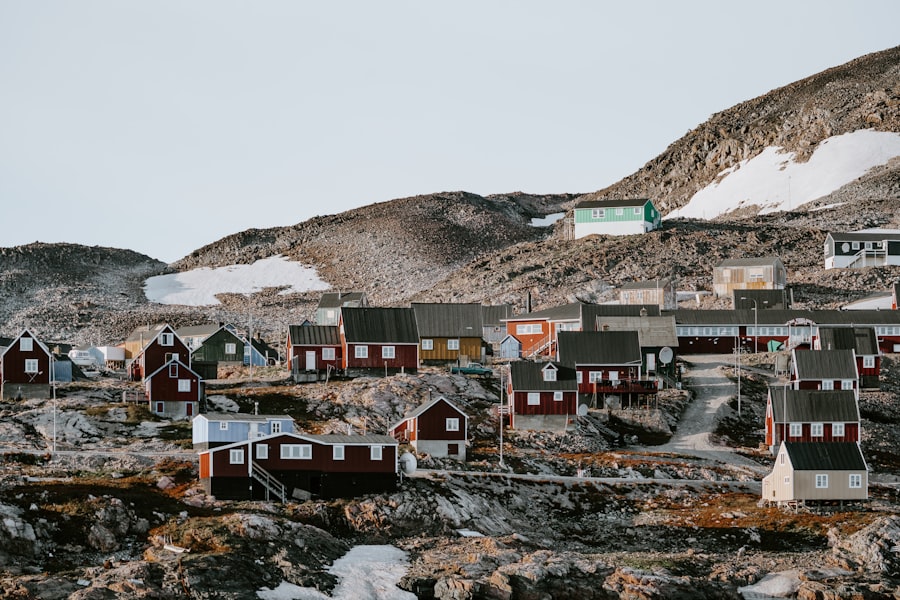
Pinpointing the exact era of this lost civilization is a complex puzzle, relying on the cross-referencing of multiple lines of evidence. However, emerging data suggests a potential timeframe that predates even the earliest known Viking settlements in Greenland by millennia, placing it firmly within a period of significant climatic variation.
The Eemian Interglacial Period: A Warmer Past
The Eemian interglacial period, which occurred approximately 125,000 to 115,000 years ago, was a time when global temperatures were significantly warmer than today, and sea levels were higher. During this interglacial, it is theorized that large portions of Greenland’s interior could have been ice-free, or at least significantly less glaciated, supporting a more temperate environment.
Evidence of Past Vegetation
Studies of ancient pollen and sediment layers found in terrestrial deposits in Greenland, some predating the current ice age, have revealed evidence of a surprisingly diverse and lush vegetation, including forests and grasslands. This botanical record suggests that at least parts of Greenland were capable of supporting ecosystems that could sustain a human population.
Paleo-Climate Reconstructions
Sophisticated paleo-climate models, informed by data from ice cores and other geological archives, paint a picture of the Eemian Greenland as a land capable of sustaining life. These reconstructions suggest that temperatures were mild enough to allow for significant agricultural potential, and that seasonal variations would have been far less extreme than they are today.
Post-Eemian Climatic Shifts and Abandonment
As the Earth transitioned into the current ice age, glacial expansion would have begun to engulf the land. It is likely that the inhabitants of this lost city, faced with a rapidly cooling climate and encroaching ice, were forced to migrate or perish. The abandonment of their settlements would have been a gradual process, with the ice sheet eventually reclaiming their structures and burying them for millennia.
The Pace of Glacial Advance
The rate at which the Greenland ice sheet advanced during the onset of the last glacial period would have dictated the timeline for the civilization’s demise. Evidence from geological formations suggests periods of rapid glacial expansion, which could have overwhelmed settlements relatively quickly, forcing a desperate exodus.
Reasons for Departure: Survival or Catastrophe?
The precise reasons for the civilization’s ultimate disappearance remain a subject of speculation. While the encroaching ice would have been a primary driver, other factors such as resource depletion, inter-tribal conflict, or even a catastrophic natural event cannot be entirely ruled out. The resilience of human civilization is remarkable, but even the most advanced societies can succumb to overwhelming environmental pressures.
The Architecture of the Forgotten: What Did the City Look Like?
The geophysical data, though indirect, provides tantalizing glimpses into the potential architecture and urban planning of this ancient civilization. The regularity and organization suggested by the subsurface anomalies point towards a sophisticated society with developed construction techniques.
Geometric Layouts and Planned Settlements
The rectilinear shapes and organized patterns observed in GPR scans suggest that the city was not haphazardly constructed but rather planned and laid out with intent. This implies a level of social organization and engineering capability not typically associated with early human settlements in such high-latitude regions.
Grid Systems and Arterial Roads
Some GPR data has hinted at the presence of what could be grid-like street patterns, with clearly defined blocks and thoroughfares. Such planning would be indicative of a society capable of coordinated construction and efficient movement within their urban environment.
Centralized Structures and Public Spaces
The presence of larger, more complex anomalies within the overall patterns suggests the possibility of centralized structures, perhaps temples, administrative buildings, or communal gathering spaces. The layout could indicate a deliberate allocation of space for different societal functions.
Building Materials and Construction Techniques
While direct evidence of building materials is scarce due to their complete encapsulation by ice, inferences can be made from the scale and nature of the subsurface anomalies. The need to withstand harsh Arctic conditions, even during warmer periods, would have necessitated robust construction.
Stone Masonry and Foundation Work
The substantial nature of the suspected foundations suggests the use of durable materials, likely quarried stone. The precise fitting and arrangement of these stones would have required advanced masonry skills, allowing for the construction of stable and long-lasting structures.
Evidence of Metalworking in Construction?
The magnetic anomalies might also suggest the incorporation of metal elements in their construction, perhaps for reinforcement, decorative purposes, or even as part of more advanced structural designs. This would indicate a level of metallurgical proficiency far beyond simple tools.
Recent discoveries have sparked intrigue about an abandoned city buried beneath the ice of Greenland, suggesting that ancient civilizations may have thrived in areas now covered by glaciers. This fascinating topic is explored in greater detail in a related article that delves into the mysteries of ancient mariners and their maps, shedding light on how these early explorers navigated the icy landscapes. For more insights, you can read the article here.
The Legacy and Future of Discovery
| Metric | Value |
|---|---|
| Location | Greenland |
| Type of City | Abandoned |
| Status | Buried beneath ice |
| Discovery | Recent |
The discovery of a lost civilization beneath the Greenland ice represents a paradigm shift in our understanding of human history and the capacity for adaptation. It opens new avenues of research and poses profound questions about our own future in a changing climate.
Rethinking Human Migration and Adaptation
The existence of such a civilization challenges existing models of early human migration patterns and their ability to adapt to diverse and challenging environments. It suggests that human ingenuity and resilience may have been underestimated in the context of prehistory.
The Arctic as a Cradle of Civilization?
This discovery could potentially shift our focus from the traditional cradles of civilization in temperate zones to explore the Arctic’s past role in human development. It implies that human societies may have thrived in regions previously considered too inhospitable.
Lessons for Modern Societies
The story of this lost city serves as a stark reminder of the profound impact of climate change on human societies. Understanding how this civilization adapted and eventually succumbed to environmental shifts can offer valuable insights and lessons for our own modern challenges in a world facing escalating climate crises.
The Ongoing Quest for Knowledge
The exploration of this lost city is far from over. As technology advances and our understanding deepens, future expeditions will undoubtedly uncover more about this forgotten civilization, shedding light on their culture, technology, and the reasons for their ultimate disappearance.
Advanced Imaging and Remote Sensing
Future research will likely employ even more sophisticated imaging and remote sensing technologies, capable of penetrating deeper into the ice and providing higher resolution data. This could lead to the mapping of individual structures and even the identification of specific artifacts.
Sub-glacial Exploration and Excavation
While currently a formidable challenge, the possibility of direct sub-glacial exploration and limited excavation in carefully chosen locations cannot be entirely discounted for the future. This would provide unparalleled opportunities for direct study and artifact retrieval.
Interdisciplinary Collaboration
The continued exploration of this lost civilization will necessitate a strong interdisciplinary approach, bringing together glaciologists, archaeologists, geophysicists, climatologists, and anthropologists. Only through such collaboration can the full story of this forgotten people be pieced together, offering a profound glimpse into humanity’s deep and often surprising past, hidden beneath the silent, frozen expanse of Greenland.
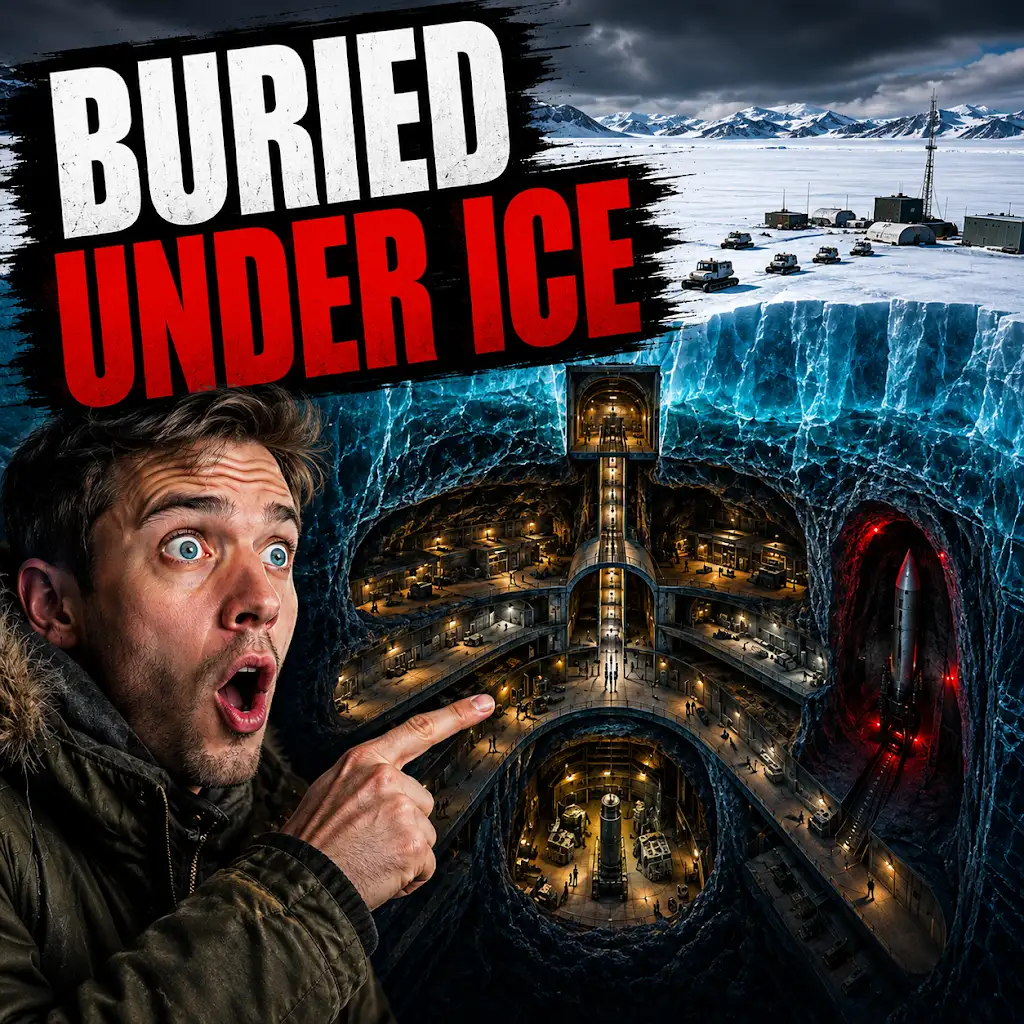
The U.S. Built a Nuclear City Under Greenland. The Ice Won.
FAQs
1. What is the abandoned city buried beneath Greenland ice?
The abandoned city buried beneath Greenland ice is a settlement that was once inhabited by Norse settlers around 1200 AD. It is believed to be the southernmost known Norse site in the world.
2. How was the abandoned city discovered?
The abandoned city was discovered using ground-penetrating radar technology, which allowed researchers to identify structures beneath the ice. This technology revealed the presence of a potential settlement in the area.
3. What does the discovery of the abandoned city tell us about Norse exploration?
The discovery of the abandoned city beneath Greenland ice provides evidence of Norse exploration and settlement in the region during the medieval period. It sheds light on the extent of Norse expansion and colonization during that time.
4. What is the significance of the abandoned city discovery?
The discovery of the abandoned city is significant as it adds to our understanding of Norse history and their interactions with the environment. It also highlights the impact of climate change on uncovering historical sites that were previously hidden beneath ice.
5. What are the next steps in studying the abandoned city beneath Greenland ice?
The next steps in studying the abandoned city involve further archaeological investigations to uncover more details about the settlement and its inhabitants. Researchers also aim to learn more about the daily life, economy, and culture of the Norse settlers who lived in the area.