The Arabian Desert, a vast expanse of shimmering sands and unforgiving aridity, is often perceived as a barren wasteland, a place where life struggles to persist. Yet, beneath this seemingly inhospitable surface lies a rich tapestry of human history, woven with threads of forgotten civilizations that once thrived in regions now considered remote and desolate. For centuries, these ancient societies have remained hidden, their stories whispered only by the desert winds, their existence hinted at by scattered pottery shards and enigmatic stone structures. The process of unearthing these lost worlds is a testament to human curiosity, scientific innovation, and the enduring power of archaeological discovery.
Whispers from the Sands: The Nomadic Kingdoms and Early Settlements
The Arabian Peninsula, situated at the crossroads of ancient trade routes connecting Mesopotamia, Egypt, and the Indian subcontinent, was far from an uninhabited expanse in antiquity. Early human presence dates back tens of thousands of years, with evidence of hunter-gatherer societies adapting to the changing climate. However, the emergence of more settled communities and sophisticated civilizations is a more recent, yet equally fascinating, phenomenon. These early societies were not monolithic; they comprised diverse groups, ranging from nomadic pastoralists who mastered the art of survival in the harsh desert environment to more settled agricultural communities in oasis regions.
The Rise of Oasis Cities: Hubs of Trade and Culture
The discovery and development of water sources were paramount to the flourishing of permanent settlements in the Arabian Desert. Oases, fed by underground aquifers, became natural focal points for human activity. These verdant pockets supported agriculture, providing sustenance for burgeoning populations and attracting merchants and travelers. Over time, these oases grew into thriving city-states, often strategically located along vital incense and spice trade routes. Cities like Petra, though technically on the fringes of the Arabian Desert in modern-day Jordan, offer a glimpse into the grandeur and ingenuity of such settlements, with their elaborate rock-cut architecture and sophisticated water management systems. Closer to the heart of the peninsula, sites like Qaryat al-Faw, once the capital of the Kindah kingdom, reveal the existence of prosperous urban centers with impressive palaces, temples, and residential areas, indicative of a complex social structure and a vibrant cultural life.
Nomadic Ingenuity: Masters of the Desert Environment
While oasis cities represented settled life, the nomadic tribes were the true custodians of the deep desert. Their way of life, shaped by millennia of adaptation, involved a profound understanding of the environment, including weather patterns, water sources, and the migratory routes of animals. Archaeological evidence, though often ephemeral due to the nature of nomadic existence, points to sophisticated material culture. They crafted durable tools, intricate textiles, and developed effective methods for storing water and preserving food. The discovery of ancient wells and rudimentary irrigation systems in seemingly remote areas further attests to their resourcefulness. These nomadic groups were not merely survivalists; they were also integral to the region’s economy, often acting as guides and protectors for trade caravans, and their social structures, though less visible to archaeologists than permanent settlements, were complex and highly organized.
The mysteries surrounding the lost civilizations of the Arabian desert have captivated historians and archaeologists alike, shedding light on the advanced societies that once thrived in this arid region. For those interested in exploring this topic further, an intriguing article titled “Unearthed: The Lost Tech They Hid” delves into the technological advancements and cultural practices of these ancient peoples. You can read more about it by following this link: Unearthed: The Lost Tech They Hid.
The Incense Route Empires: Wealth, Power, and Forgotten Kingdoms
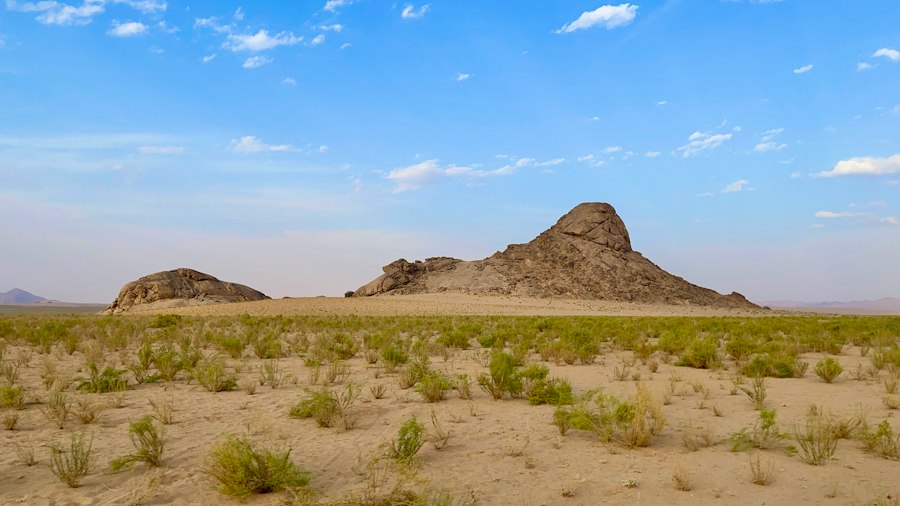
The Arabian Peninsula’s strategic location played a pivotal role in its ancient history, most notably through its control of the lucrative incense trade. Frankincense and myrrh, highly prized commodities in the ancient world for their use in religious ceremonies, perfumes, and medicines, were cultivated and harvested in the southern reaches of the peninsula and then transported north along vast caravan routes. This trade fostered the rise of powerful kingdoms that controlled key sections of these routes, amassing considerable wealth and influence. The remnants of these kingdoms, scattered across the desert, are a source of immense archaeological interest.
The Nabataeans: Masters of Trade and Monumental Architecture
While often associated with the Levant, the Nabataeans were a powerful Arab people whose influence extended deep into the Arabian Desert. Their kingdom, centered at the magnificent city of Petra, controlled a significant portion of the incense trade. Their engineering prowess is particularly remarkable. They developed sophisticated systems for capturing and storing rainwater, enabling them to sustain a large population in an arid environment and to provide essential resources for passing caravans. The iconic Treasury and Monastery at Petra are not merely stunning architectural feats but also testaments to their wealth derived from trade and their ability to harness the desert’s resources. Beyond Petra, archaeological investigations have uncovered Nabataean settlements and trade posts throughout the Arabian interior, revealing their extensive network and their profound impact on the region’s economic and cultural landscape.
The South Arabian Kingdoms: Yemen’s Ancient Glory
The ancient kingdoms of South Arabia, particularly those in what is now Yemen, were at the heart of the incense trade. Kingdoms like the Sabaeans, Qataban, and Himyar flourished for centuries, building impressive irrigation systems, monumental temples, and prosperous cities. The Great Dam of Marib, a marvel of ancient engineering, is a testament to their agricultural ingenuity and their ability to transform the landscape. These kingdoms controlled the southern end of the incense routes, facilitating the flow of these precious commodities to the wider ancient world. Their inscriptions, written in the ancient South Arabian script, provide invaluable insights into their political structures, religious beliefs, and daily lives. While many of these sites are now partly buried by sand or lie in areas of ongoing geopolitical instability, ongoing archaeological efforts continue to reveal the grandeur of these forgotten empires.
The Dhofar Region: The Land of Frankincense
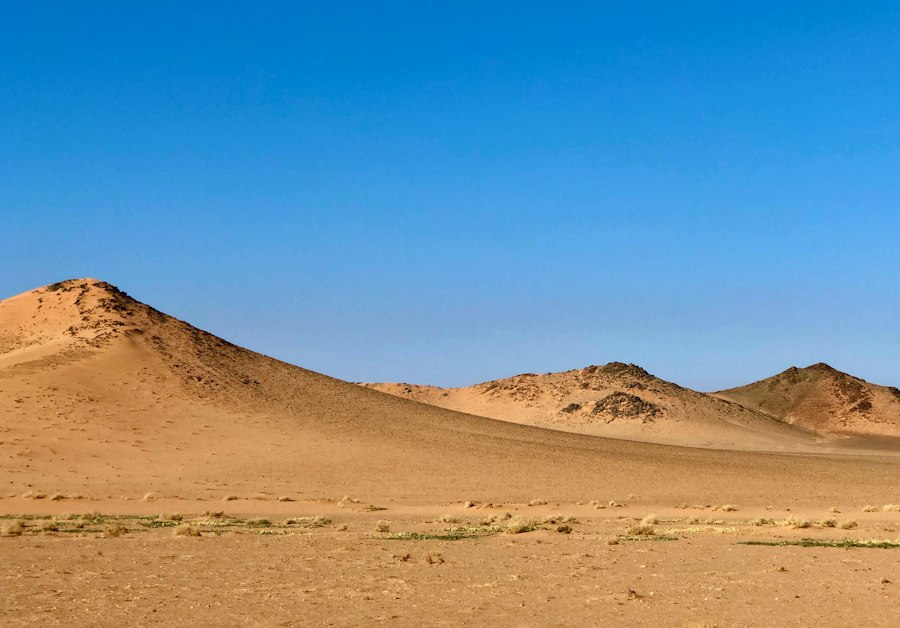
The Dhofar region, located in the southwestern corner of Oman, holds a special place in the history of the Arabian Desert as the primary source of frankincense. For millennia, this aromatic resin was a cornerstone of ancient economies, traded across continents. The ancient frankincense trail, stretching from Dhofar to the Mediterranean, was one of the most important trade arteries of the ancient world, a network of routes and trading posts that facilitated the flow of wealth and culture. The unique climate and soil conditions of Dhofar are essential for the cultivation of the Boswellia sacra tree, the source of this highly prized resin.
Ancient Trade Routes and Trading Posts
The archaeological landscape of Dhofar is dotted with the remains of ancient trading posts, caravan staging posts, and ports that facilitated the export of frankincense. Sites like Khor Rori (ancient Sumhuram) reveal well-fortified harbors and settlements that served as crucial hubs for the collection and shipment of the resin. Extensive networks of paths and wells crisscrossed the region, guiding caravans through the rugged terrain. The discovery of inscriptions, pottery, and other artifacts at these sites provides evidence of extensive trade connections with civilizations in Mesopotamia, Egypt, Greece, and Rome. The economic prosperity generated by the frankincense trade directly influenced the development of sophisticated societies in South Arabia.
The Boswellia Sacra: A Desert Treasure
The Boswellia sacra tree, a hardy species adapted to the harsh Dhofari environment, is the source of the region’s fame. The harvesting of frankincense is a labor-intensive process, involving making incisions in the bark of the tree, allowing the resin to ooze out and harden in the sun. This resin, when burned, releases a distinctive, sweet, and woody aroma, making it highly sought after for religious rituals, perfumes, and medicinal purposes. The knowledge of how to cultivate and harvest frankincense was a closely guarded secret for centuries, contributing to its high value. The preservation of this tradition and the ongoing cultivation of these trees are crucial for understanding the region’s ancient economic and cultural heritage.
Unearthing the Past: Archaeological Challenges and Discoveries
The exploration and excavation of ancient sites in the Arabian Desert present a unique set of challenges, from the extreme environmental conditions to the vastness and remoteness of the terrain. Yet, despite these obstacles, archaeologists have made remarkable discoveries, piecing together the narratives of lost civilizations through meticulous fieldwork and the application of advanced technologies. The ongoing quest to understand these ancient societies is a dynamic and evolving field.
Navigating the Harsh Environment: Logistics and Preservation
The Arabian Desert is characterized by extreme temperatures, sandstorms, and limited water resources, making archaeological fieldwork a demanding endeavor. Excavations often require careful planning and robust logistics to ensure the safety and well-being of the research teams. The preservation of unearthed artifacts is also a critical concern; delicate organic materials can deteriorate rapidly in the arid climate if not properly conserved. Furthermore, the sheer scale of the desert means that locating ancient sites can be a monumental task, often relying on historical texts, aerial surveys, and the knowledge of local communities. The delicate balance between scientific exploration and the preservation of fragile desert ecosystems is a constant consideration.
Technological Innovations: Remote Sensing and Digital Archaeology
Modern archaeological techniques have revolutionized the study of lost civilizations in the Arabian Desert. Satellite imagery and aerial photography, including LiDAR (Light Detection and Ranging), allow researchers to map vast areas and identify subtle topographical features that might indicate the presence of ancient settlements or agricultural systems, often hidden beneath the sand. Ground-penetrating radar (GPR) can detect subsurface anomalies without the need for extensive excavation. Digital archaeology, including 3D modeling and virtual reality reconstructions, is transforming how we visualize and interact with these ancient sites, making them more accessible to a global audience and aiding in their interpretation and preservation. These technological advancements are crucial for uncovering sites that would otherwise remain buried and inaccessible.
The mysteries surrounding lost civilizations of the Arabian desert continue to captivate historians and archaeologists alike, shedding light on the rich cultural heritage of the region. Recent discoveries have revealed ancient trade routes and settlements that once thrived in this arid landscape. For those interested in exploring how these civilizations might have interacted with broader geopolitical dynamics, a fascinating read can be found in an article discussing the complexities of governance beyond our planet. You can check it out here: space governance. This connection highlights the enduring quest for understanding human civilization, whether on Earth or beyond.
The Legacy of the Desert Empires: Enduring Influences and Modern Relevance
| Civilization | Location | Period | Key Features | Notable Discoveries |
|---|---|---|---|---|
| Ubar (Iram of the Pillars) | Rub’ al Khali (Empty Quarter), Arabian Peninsula | Approx. 3rd millennium BCE to 3rd century CE | Ancient trading hub, legendary lost city, associated with frankincense trade | Ruins of a fortress, ancient wells, and caravan routes |
| Thamud | Northwestern Arabian Desert | Approx. 1st millennium BCE | Rock-cut architecture, inscriptions, and petroglyphs | Petroglyphs and tombs carved into sandstone cliffs |
| Qataban | Southern Arabia (modern Yemen) | 1st millennium BCE to 1st century CE | Kingdom known for incense trade, advanced irrigation systems | Inscriptions, ancient temples, and irrigation canals |
| Hadramawt | Southern Arabian Peninsula | 1st millennium BCE to 3rd century CE | Wealthy kingdom, frankincense production, complex social structure | Palaces, tombs, and inscriptions |
| Magan | Oman and parts of UAE | 3rd millennium BCE to 1st millennium BCE | Known for copper mining and trade with Mesopotamia | Ancient mines, trade artifacts, and settlements |
The lost civilizations of the Arabian Desert, though ancient and often buried, have left an indelible mark on the region and beyond. Their innovations in trade, agriculture, engineering, and social organization laid foundations that continue to resonate in the modern world. The study of these forgotten societies offers valuable lessons about human resilience, adaptation, and the complex interplay between culture and environment.
Enduring Economic and Cultural Threads
The ancient trade routes that once crisscrossed the Arabian Desert are precursors to many of today’s global trade networks. The commodities that fueled these ancient economies, such as frankincense and myrrh, continue to be valued, albeit in different contexts. The cultural exchanges that occurred along these routes fostered the diffusion of ideas, technologies, and artistic styles, contributing to the rich tapestry of human civilization. The influence of these ancient Arab societies on later developments in the Middle East and beyond is a subject of ongoing research and fascination, demonstrating the long-lasting impact of these seemingly ephemeral desert kingdoms.
Lessons for the Future: Sustainability and Resilience
The remarkable achievements of these ancient desert dwellers in managing scarce water resources and adapting to challenging environments offer crucial lessons for contemporary challenges, particularly in the context of climate change and sustainable development. Their sophisticated irrigation systems, their deep understanding of ecological balance, and their ability to build resilient communities in arid landscapes provide a wealth of knowledge. By studying their successes and failures, we can gain insights into how to better manage our own resources and build more sustainable societies in increasingly fragile environments. The ongoing discovery and study of these lost civilizations serve as a powerful reminder of humanity’s capacity for innovation and adaptation, even in the most challenging of circumstances.

Why Were Giant Camels Carved Above the Desert?
FAQs
What are some examples of lost civilizations in the Arabian desert?
Some examples of lost civilizations in the Arabian desert include the ancient Nabateans of Petra, the Ubar civilization, the mysterious city of Iram of the Pillars, and the ancient city of Gerrha.
How did these civilizations thrive in the harsh desert environment?
These civilizations thrived in the harsh desert environment by utilizing advanced irrigation techniques, trade routes, and strategic locations near oases or water sources for agriculture and settlement.
What led to the decline and disappearance of these lost civilizations?
The decline and disappearance of these lost civilizations can be attributed to factors such as climate change, shifting trade routes, invasions, conflicts, and the collapse of water management systems that sustained their societies.
What archaeological evidence has been found of these lost civilizations in the Arabian desert?
Archaeological evidence of these lost civilizations in the Arabian desert includes ancient ruins, inscriptions, artifacts, pottery, tombs, and remnants of advanced infrastructure such as aqueducts and irrigation systems.
Why is the study of lost civilizations in the Arabian desert important?
The study of lost civilizations in the Arabian desert is important as it provides insights into ancient cultures, trade networks, technological advancements, and the impact of environmental changes on human societies, contributing to our understanding of the region’s rich history and heritage.