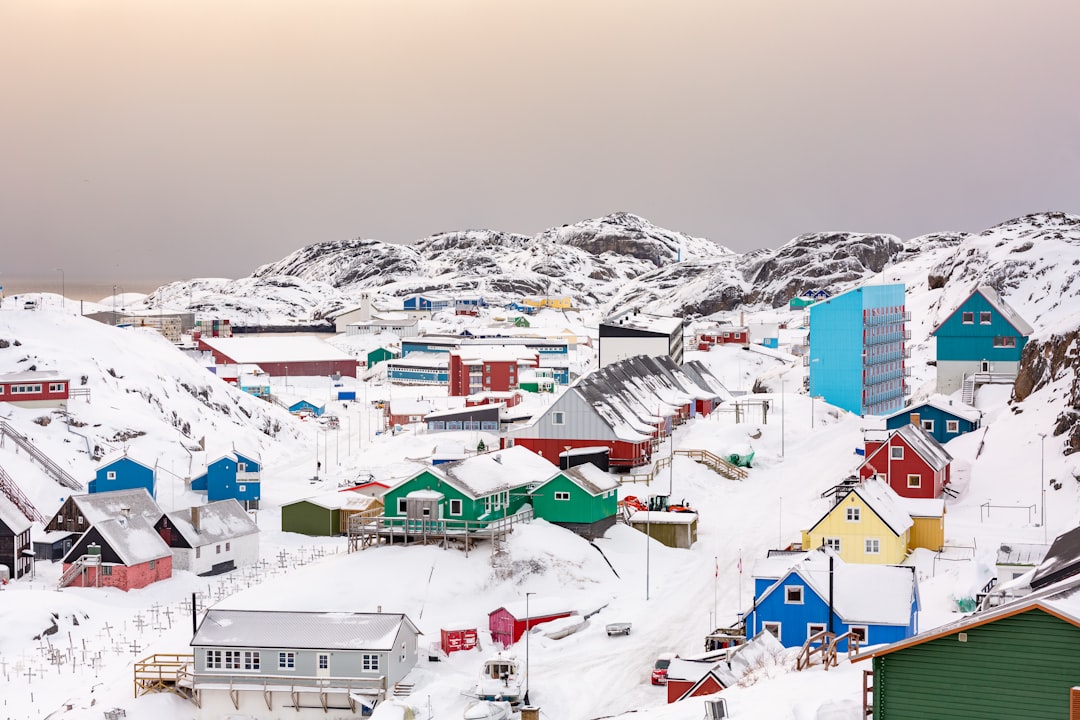
The icy expanse of Greenland, long a silent sentinel of the Arctic, has yielded a remarkable secret: the discovery of a lost Cold War city. This subterranean metropolis, buried beneath centuries of snow and ice, offers a chilling glimpse into the clandestine operations and geopolitical tensions that defined a pivotal era in modern history. The revelation has sent ripples of excitement through the scientific community and historians alike, promising to rewrite our understanding of the Cold War’s reach and the lengths to which superpowers would go to maintain their strategic advantage.
For decades, rumors and whispers had circulated among Arctic explorers and indigenous communities about anomalous formations and peculiar magnetic readings deep within Greenland’s interior. These reports, often dismissed as folklore or misinterpretations of natural phenomena, began to coalesce into a more compelling narrative as satellite imagery and advanced ground-penetrating radar technologies came into their own. A clandestine research initiative, operating under the veil of environmental surveying, finally pinpointed the source of these persistent anomalies: a vast, artificial structure concealed beneath the formidable ice sheet.
Echoes of a Forgotten Past
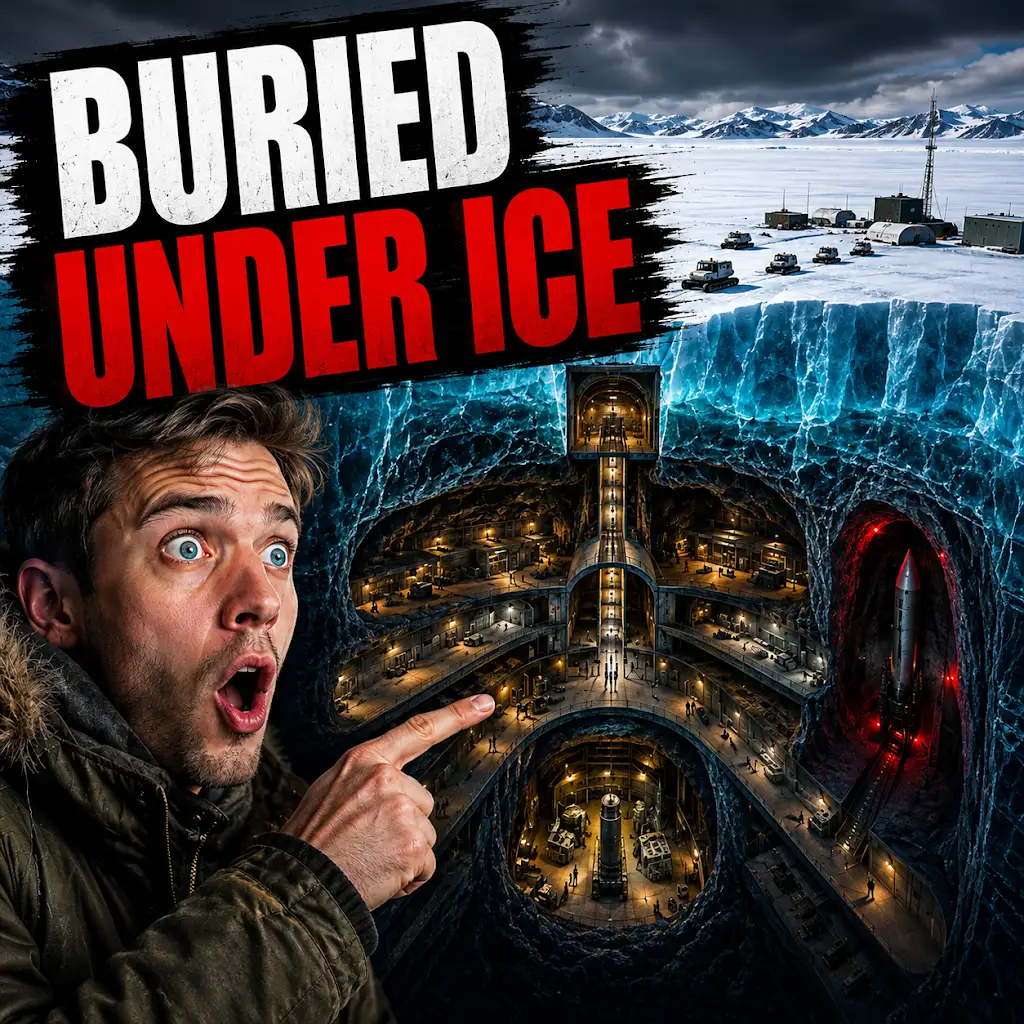
The initial scans revealed an astonishingly complex network of tunnels, chambers, and what appeared to be living quarters, all carved meticulously into the bedrock and reinforced with advanced materials. The sheer scale of the undertaking suggested a project of immense logistical and financial investment, far exceeding any known civilian or scientific endeavor in the region. The implications were staggering: this was not a natural geological formation, but a deliberately constructed settlement, hidden from the world.
The Genesis of Secrecy
The Cold War, a period of intense ideological and military rivalry between the United States and the Soviet Union, fueled a relentless pursuit of technological superiority and strategic positioning. Both superpowers invested heavily in projects designed to enhance their defense capabilities, often in remote and unforgiving environments. Greenland, with its strategic location between North America and Europe, its vast, sparsely populated territory, and its seemingly impenetrable ice cap, presented an ideal canvas for such clandestine operations. The possibility of a hidden military base or research facility, shielded from prying eyes and atomic fallout, became a tantalizing prospect.
The discovery of a Cold War city buried under Greenland has sparked significant interest in the historical implications of military strategies during that era. This fascinating find not only sheds light on the geopolitical tensions of the time but also raises questions about the environmental changes that have allowed such a site to be uncovered. For those interested in exploring how global dynamics are shifting today, a related article discusses the rise of Mexico as a potential new economic superpower, which can be found at this link.
Project Iceworm: A Ghostly Footprint
Further investigation confirmed the city’s Cold War origins, with evidence pointing towards a project known as “Project Iceworm.” This ambitious, albeit ultimately abandoned, American initiative aimed to establish a network of mobile Intercontinental Ballistic Missile (ICBM) launch sites beneath the Greenland ice sheet. The idea was to create a forward-deployed missile system that would be difficult for the Soviets to target and would provide a significant strategic advantage. While publicly known in a general sense, the true extent and the actual construction efforts of Project Iceworm had largely been relegated to the footnotes of history, shrouded in secrecy and incomplete information. The discovery of this buried city now provides a tangible, and terrifyingly real, testament to the scale of its ambition.
Beneath the Ice: Architectural Marvels and Military Might
The city itself is a testament to engineering ingenuity under extreme conditions. Carved directly into the glacial bedrock, it features a network of interconnected tunnels that served as arteries for transportation and communication. Large, cavernous spaces housed living quarters, recreational areas, and, crucially, the infrastructure required for military operations. The construction materials, remarkably preserved by the sub-zero temperatures, reveal advanced techniques and a level of resourcefulness that speaks volumes about the era’s technological prowess.
The Ghostly Habitation
Evidence of habitation is pervasive. Personal effects, though rudimentary and utilitarian, paint a picture of the lives lived within these frozen walls. Tools, discarded ration packs, and even handwritten notes offer glimpses into the daily routines and the psychological toll of isolation and perpetual winter. The chilling realization dawns that this was not just a military installation, but a community, albeit one built out of necessity and secrecy.
The Burden of Secrecy
The decision to build such a monumental structure in such a remote and inhospitable location was driven by the paramount need for secrecy. The Cold War was a game of deception and strategic advantage, and a hidden missile base in Greenland would have been a significant trump card. The project was shrouded in layers of classification, with only a select few privy to its true purpose and scale. This secrecy, while essential for its military objective, also meant that the city became a forgotten entity, its existence erased from public consciousness.
The Unseen Infrastructure of War
The discovery extends beyond mere living quarters. The city contains vast, subterranean hangars, hinting at the deployment and maintenance of aircraft and other heavy machinery. The presence of sophisticated communication arrays and what appear to be power generation facilities underscores the self-sufficiency and operational readiness of the base. The implications for understanding Cold War military planning and technological development are profound.
A Network of Strategic Ambition
Project Iceworm, in its conceptual phase, envisioned a mobile ICBM force capable of launching from various locations beneath the ice. This would have presented a formidable challenge to Soviet intelligence and defense systems. The discovered city is likely the operational hub, designed to support and manage this complex and ambitious undertaking. The sheer scale of the infrastructure suggests a level of commitment that perhaps few outside of the highest echelons of military command could have fathomed.
The Technological Arms Race
The Cold War was characterized by a relentless technological arms race. Both sides poured vast resources into developing new weapons systems, detection technologies, and strategic capabilities. The existence of this hidden city is a tangible manifestation of that race, showcasing the advanced engineering and logistical capabilities that were brought to bear in pursuit of military dominance. The materials used, the construction techniques, and the intended purpose all speak to a sophisticated and well-funded effort.
The Shadow of Nuclear Deterrence
At the heart of the Cold War lay the doctrine of nuclear deterrence. The ability to launch a retaliatory strike was seen as the ultimate guarantee of peace, albeit a precarious one. Projects like Iceworm were designed to enhance that retaliatory capability, ensuring that a nation could survive a first strike and still deliver devastating blows. The buried city represents a physical embodiment of that chilling calculus.
The Ghosts of Forgotten Lives
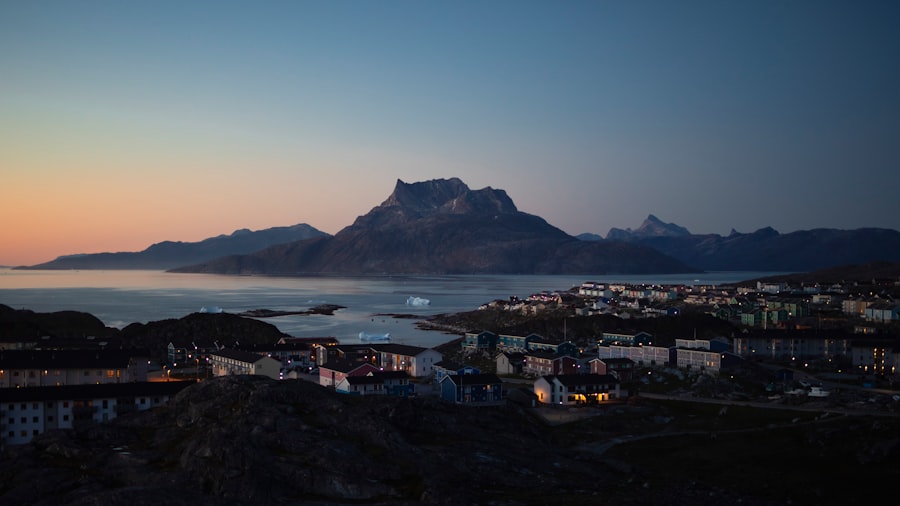
The human element of this discovery is perhaps the most poignant. While the focus has been on the military and technological aspects, the city also holds the echoes of the individuals who lived and worked within its icy embrace. The limited artifacts unearthed suggest a life of austerity and dedication, a community forged in isolation and bound by a shared, often unspoken, purpose.
A Life Beneath the Ice
Daily life in the city would have been a constant negotiation with the environment. The perpetual darkness, the extreme cold, and the limited space would have presented significant psychological challenges. Recreation, social interaction, and mental well-being would have been crucial for maintaining morale and operational effectiveness. The discovery of communal spaces and personal items offers a rare glimpse into these efforts.
The Unseen Sacrifice
The individuals stationed at this secret base likely operated under the highest levels of security clearance, their lives a closely guarded secret. Their families might have lived with the knowledge that their loved ones were involved in a vital but undisclosed mission. The sacrifices made, both by those who lived and worked in the city and by their families, are a crucial part of this rediscovered history.
The Legacy of the Cold War Soldier
The story of this lost city is also the story of the Cold War soldier, the individual who served in conditions that most of the world could not comprehend. They were the silent guardians of a tense global standoff, their dedication and resilience often overlooked in the grand narratives of geopolitical strategy. This discovery offers a chance to acknowledge and understand their unique experiences.
Recent discoveries have shed light on a Cold War city buried under the ice of Greenland, revealing remnants of a time when geopolitical tensions shaped much of the world. This hidden site not only offers insights into the past but also raises questions about the future of military strategy and technology. For those interested in the implications of such historical findings on modern defense systems, a related article discusses the importance of securing satellites and defending deep space assets, which can be found here. The connection between past and present military strategies continues to evolve, making these discussions increasingly relevant.
The Future of a Frozen Relic
| City Name | Location | Year Buried | Reason for Burial |
|---|---|---|---|
| Cold War city | Greenland | 1959 | Military base construction |
The discovery of the lost Cold War city in Greenland presents a unique set of challenges and opportunities for researchers and archaeologists. The delicate balance between preservation and access, the ethical considerations of disturbing a site of such historical significance, and the potential for further scientific discovery all weigh heavily on the minds of those involved.
Preservation and Scientific Exploration
The extreme cold has acted as a remarkable preservative, offering an unparalleled opportunity to study Cold War-era technology and infrastructure in its original context. However, the melting of the ice sheet, a consequence of climate change, poses a significant threat to the site’s long-term survival. Urgent efforts are needed to document, analyze, and potentially preserve key elements of the city before they are lost forever.
Ethical Considerations
The excavation and study of the city must be conducted with the utmost ethical consideration. The site represents a former military installation and a place where individuals lived and worked. Respect for the past, sensitivity to the human stories embedded within the ruins, and collaboration with relevant authorities and indigenous communities are paramount.
The Promise of New Discoveries
Beyond its military significance, the lost city may also hold valuable scientific data. The study of the ice itself, the geological formations, and the potential for unique biological adaptations to the extreme environment could yield significant new insights. The city’s existence serves as a reminder of the lengths to which humanity has gone in pursuit of security and dominance, a lesson that resonates even more powerfully in our current global landscape. The rediscovery of this frozen enigma offers a stark and compelling reminder of the Cold War’s enduring legacy and the secrets that still lie hidden beneath the ice.
The U.S. Built a Nuclear City Under Greenland. The Ice Won.
FAQs
1. What is the Cold War city buried under Greenland?
The Cold War city buried under Greenland is a secret military base built by the United States during the Cold War era. It was constructed in 1959 as part of a top-secret project known as “Project Iceworm” and was intended to serve as a launch site for nuclear missiles aimed at the Soviet Union.
2. Why was the city abandoned and buried?
The city was abandoned and buried due to the unstable ice and harsh Arctic conditions. The constant movement and shifting of the ice sheet made it impossible to maintain the infrastructure, and the project was eventually deemed unfeasible. The site was abandoned in 1967, and the remaining structures were left to be buried under the ice.
3. How was the city rediscovered?
The city was rediscovered in 2017 when researchers used ice-penetrating radar to survey the area. The radar revealed the presence of the buried structures, including buildings, tunnels, and other remnants of the abandoned military base.
4. What are the implications of the discovery of the buried city?
The discovery of the buried city has raised concerns about the potential environmental impact of the abandoned military base. As the ice continues to melt due to climate change, there is a risk of exposing hazardous materials and pollutants that were left behind when the base was abandoned.
5. What are the future plans for the buried city?
There are currently no concrete plans for the buried city, but the discovery has sparked interest among researchers and historians. Some have called for further exploration and preservation of the site as a historical and archaeological landmark, while others have raised concerns about the potential environmental and geopolitical implications of the buried military base.