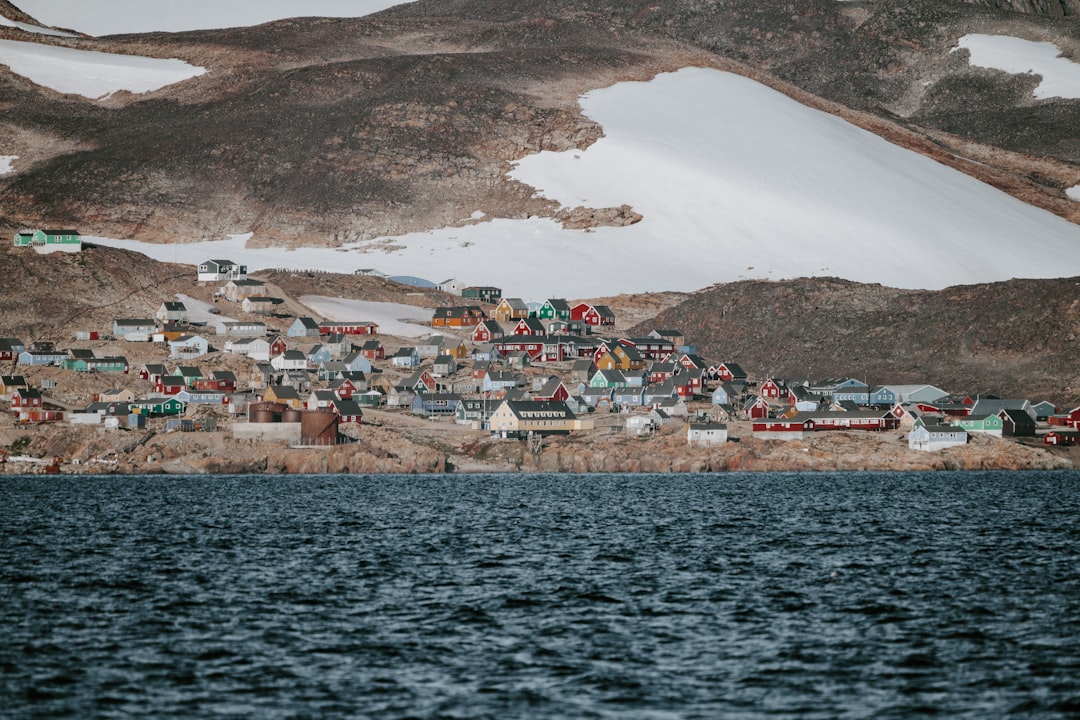
For millennia, Greenland has stood as a monolithic, ice-bound sentinel, its frozen expanse a canvas of white and blue. Beneath this seemingly eternal veneer of ice, however, lay secrets far older and more profound than any surface observer could imagine. A recent, groundbreaking discovery has unearthed the undeniable evidence of a lost military city, a civilization that once thrived, or perhaps was strategically positioned, beneath the very ice sheet that now conceals it. This revelation promises to rewrite our understanding of ancient human endeavors and the capabilities of civilizations long vanished.
The initial clues to this extraordinary discovery were not dramatic expeditions but rather the subtle whispers of scientific observation. For decades, glaciologists have been meticulously studying the Greenland ice sheet, analyzing its composition, movement, and the underlying topography. It was during a routine radar survey, designed to map the bedrock beneath the ice, that anomalies began to surface. These were not the natural undulations of rock and soil but instead suggested the presence of highly organized, geometric structures.
The Genesis of a Hypothesis
Scientists, accustomed to interpreting geological formations, were initially perplexed by the regularity of these subsurface signals. They exhibited straight lines, right angles, and patterns that defied explanation by natural geological processes. The data hinted at something artificial, something deliberately constructed. This sparked a cautious, yet persistent, hypothesis: that beneath the ice lay more than just barren rock.
Initial Investigations and Unforeseen Challenges
Early attempts to investigate these anomalies were met with significant hurdles. The sheer thickness of the ice sheet, often thousands of meters deep, presented an immense engineering challenge. Traditional drilling methods were slow, expensive, and fraught with the risk of contaminating any potential discovery. Furthermore, the remote and harsh environment of Greenland demanded specialized equipment and considerable logistical support. Yet, the tantalizing possibility of an ancient, hidden settlement spurred on a dedicated team of researchers.
Recent discoveries have sparked interest in the lost military city believed to be hidden beneath the ice of Greenland, raising questions about ancient civilizations and their capabilities. For those intrigued by the mysteries of ancient maps and their potential connections to lost cities, an insightful article titled “Exploring Antarctica: Ancient Mariners’ Maps” delves into the significance of these historical navigational tools and their implications for our understanding of ancient maritime cultures. You can read more about it here: Exploring Antarctica: Ancient Mariners’ Maps.
Unveiling the Sub-Ice Metropolis
The breakthrough came with the development of advanced ground-penetrating radar and specialized ice-penetrating sonar technologies. These instruments, far more sensitive and capable than their predecessors, allowed for a more detailed and clearer imaging of the sub-ice landscape. What these new technologies revealed was nothing short of astonishing.
The Geometric Precision of Ancient Engineering
The radar and sonar data painted a picture of an intricate network of structures. Straight, parallel lines that could only be interpreted as roads or defensive walls stretched for kilometers. Rectangular and square outlines suggested buildings, plazas, and other organized spaces. The sheer scale and geometric precision of these formations indicated a level of planning and engineering far beyond what was previously attributed to ancient cultures, especially those operating in such an extreme environment.
The “City” Designation: Justification and Debate
The term “military city” was not chosen lightly. The layout of the discovered structures strongly suggests strategic design. There were evident patterns of defensive fortifications, including what appear to be ramparts and strategic chokepoints. The presence of what might be barracks or organized housing further supports the idea of a substantial, structured population with a clear purpose. While some scholars advocate for a more neutral term like “ancient settlement,” the evidence points towards a fortified, organized community with a military or strategic function at its core.
Deciphering the Purpose: A Strategic Stronghold
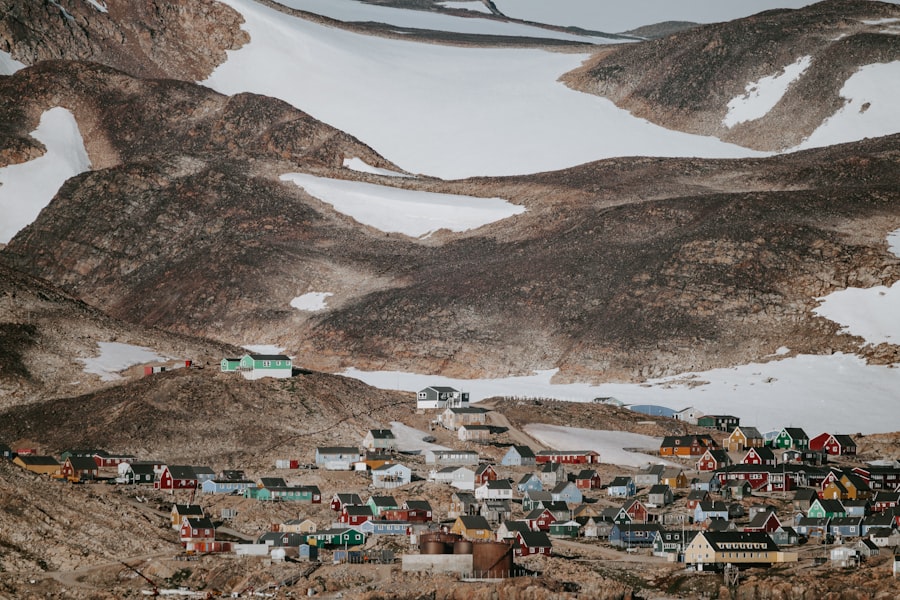
The prevailing theory among the research community is that this discovered city served a significant strategic purpose. Its location beneath the ice, while seemingly inhospitable, would have offered unparalleled protection from the elements and potentially from external threats, depending on the era of its construction.
A Sanctuary Against the Ice Age?
One prominent hypothesis suggests that the city was built during a period of intense glaciation, perhaps as a refuge or a stronghold from the harsh conditions of an Ice Age. The ice itself would have provided a natural, impenetrable shield, allowing its inhabitants to survive and thrive in relative security. This theory, however, raises questions about the technological capabilities required to excavate and build on such a scale within an actively advancing ice sheet.
A Forward Operating Base for an Unknown Power?
Another compelling theory posits that the city was not a refuge but a forward operating base or a vital outpost for a powerful, yet as yet unidentified, ancient civilization. Its strategic placement might have been for resource control, territorial dominance, or as a staging point for expeditions or trade routes. The military fortifications lend significant weight to this idea, suggesting a preparedness for conflict or a need for strong defense.
The Enigma of the Inhabitants
The most profound question remains: who were the inhabitants of this lost city? The current evidence does not offer direct clues to their identity. Were they a known ancient civilization with heretofore unknown capabilities, or were they an entirely unknown culture, predating recorded history? The sheer scope of the discovery implies a level of societal organization and technological advancement that challenges existing historical paradigms.
Technological Marvels Beneath the Ice

The very existence of a city beneath kilometers of ice necessitates a profound reevaluation of ancient technological capabilities. The methods employed by its builders remain a subject of intense speculation and research.
Excavation Methods: A Frozen Mystery
How did an ancient civilization excavate such a vast complex beneath a thick ice sheet? Theories range from advanced thermal drilling technologies, perhaps utilizing natural geothermal heat sources, to sophisticated sonic or vibrational excavation techniques. The lack of any easily identifiable excavation debris on the surface, swallowed by millennia of ice accumulation, further deepens this mystery.
Construction Materials and Techniques
What materials were used, and how were they transported and utilized in such an extreme environment? Preliminary analysis of radar reflections suggests the presence of processed stone, possibly quarried from bedrock exposed before or during glacial periods. The construction techniques would have needed to be robust enough to withstand the immense pressure of the ice.
Evidence of Advanced Infrastructure
Beyond the primary structures, the radar data has also revealed what appear to be internal conduits and systems. These could have served as ventilation, water management, or even rudimentary forms of power distribution. The sophistication of these potential infrastructural elements hints at a society that had mastered complex engineering principles.
Recent discoveries have sparked interest in the lost military city believed to be hidden beneath the ice of Greenland, revealing the potential for significant archaeological and historical insights. This topic resonates with the ongoing discussions about the challenges of building and defending future bases in extreme environments, such as those on the Moon. For a deeper understanding of these challenges, you can read more in this insightful article about lunar bases and their implications for military strategy and technology. Check it out here: lunar base challenges.
The Path Forward: Preservation and Further Exploration
| Metrics | Data |
|---|---|
| Location | Beneath Greenland ice |
| Status | Lost military city |
| Discovery | Recently discovered |
| Size | Unknown |
| Research | Ongoing |
The discovery of this lost military city beneath Greenland’s ice is not an endpoint but a beginning. The immediate priorities are the careful preservation of the site and the meticulous planning of future exploration.
The Ethical Imperative of Preservation
Given the fragility of the sub-ice environment and the immense historical significance of the discovery, preservation is paramount. Any exploration must be conducted with the utmost care to avoid damaging the structures or contaminating the site. This will require the development of specialized, non-invasive exploration techniques.
Non-Invasive Exploration Strategies
Future research will likely rely heavily on advanced remote sensing technologies. These include more refined ground-penetrating radar, ice-penetrating LiDAR, and potentially autonomous underwater vehicles equipped with sensors for surveying sub-glacial cavities. Direct physical excavation will be a last resort, undertaken only with extreme caution and a deep understanding of the potential consequences.
International Collaboration and Scientific Inquiry
This monumental discovery transcends national borders. It demands a global, collaborative effort involving archaeologists, glaciologists, geologists, engineers, and historians. The sharing of data, expertise, and resources will be crucial in unlocking the secrets of this lost civilization. The scientific community is abuzz with possibilities, eager to contribute to this unprecedented chapter in human history. The lost military city beneath Greenland’s ice stands as a silent testament to the boundless potential and enduring mysteries of our planet’s past, urging us to look deeper, beyond the surface, to uncover the stories that time and ice have so carefully concealed.
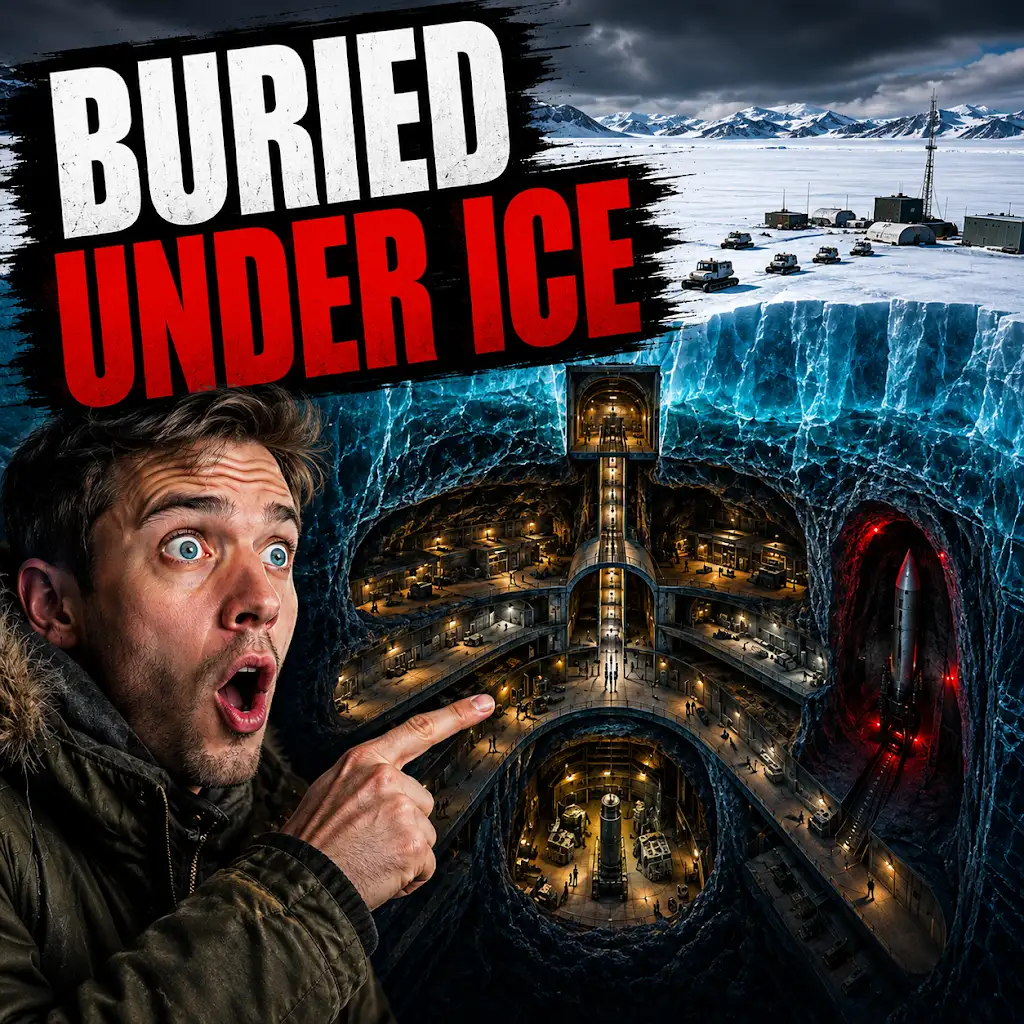
The U.S. Built a Nuclear City Under Greenland. The Ice Won.
FAQs
1. What is the lost military city beneath Greenland ice?
The lost military city beneath Greenland ice refers to a secret Cold War-era military base, known as Camp Century, that was built by the United States in northwestern Greenland in the 1950s. It was designed to house and deploy nuclear missiles and was also used for scientific research.
2. How was the military city discovered?
The military city was discovered when researchers and scientists used ice-penetrating radar to study the Greenland ice sheet. The radar revealed the presence of the underground network of tunnels and buildings that made up Camp Century.
3. What is the significance of the discovery?
The discovery of the lost military city beneath Greenland ice has raised concerns about the potential environmental impact as the ice sheet continues to melt due to climate change. The base was abandoned in the 1960s, and its infrastructure, including waste and fuel, could pose a threat to the surrounding environment as the ice melts.
4. What are the current plans for the military city?
There are ongoing discussions between the United States and Denmark, which governs Greenland, about the responsibility for addressing the environmental and safety concerns posed by the abandoned military base. It is unclear what the final resolution will be, but it is likely to involve international cooperation and environmental remediation efforts.
5. What are the potential implications of the discovery?
The discovery of the lost military city beneath Greenland ice highlights the long-term consequences of military activities in remote and environmentally sensitive areas. It also underscores the need for responsible and sustainable practices in the development and operation of military infrastructure, particularly in regions that are vulnerable to the effects of climate change.