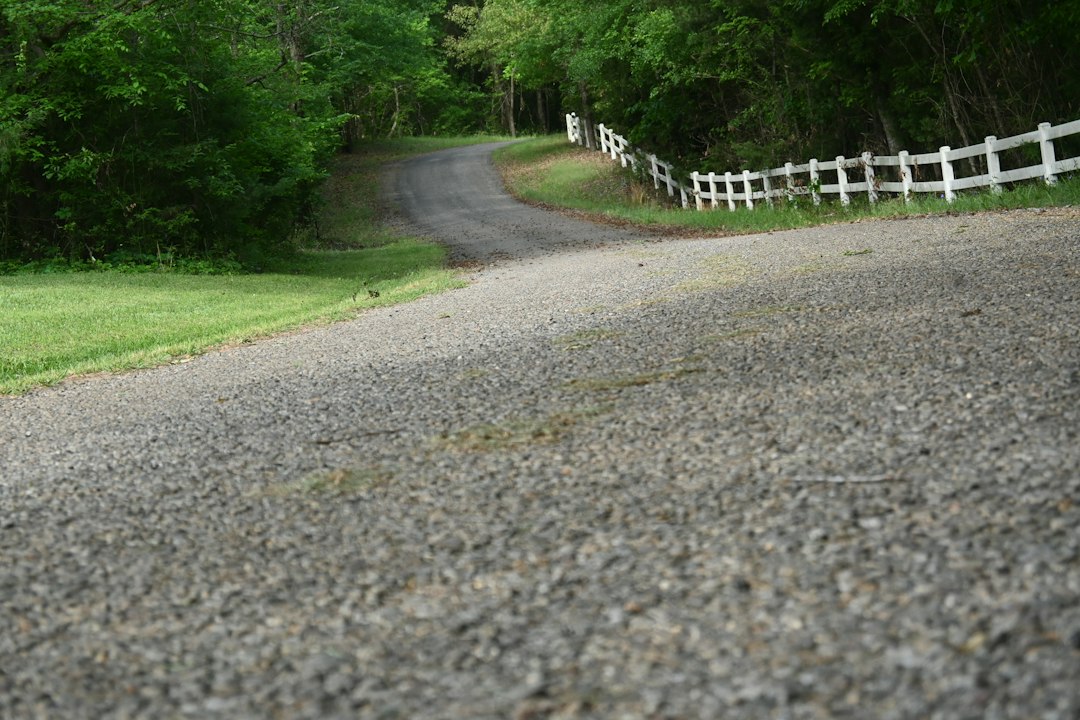
The Silent Sculptor: How Low Gravel Ridges Define a Deep River Channel
The relentless flow of water, over millennia, possesses an extraordinary power to shape the very earth it traverses. In the intricate tapestry of a river landscape, the presence and form of a low gravel ridge often go unnoticed by the casual observer, yet its influence on the deeper channel is profound and undeniable. This unassuming geological feature acts as a silent sculptor, meticulously carving and directing the waterway, dictating its course, its depth, and the ecological niches it fosters. Understanding the interplay between these low gravel formations and the accompanying deep channel offers a window into the dynamic processes that sculpt our planet’s most vital arteries.
The unique geological formations found in river systems, such as a low ridge of gravel curving around a deep channel, can significantly influence the surrounding ecosystem and hydrology. Understanding these features is crucial for environmental management and conservation efforts. For a broader perspective on how natural landscapes can shape human endeavors, you might find the article on the interplay between exploration and conflict in space particularly intriguing. It discusses the implications of competition in space exploration and can be found here: Exploring the Final Frontier: Space Race vs. Space War.
Geological Genesis of Low Gravel Ridges
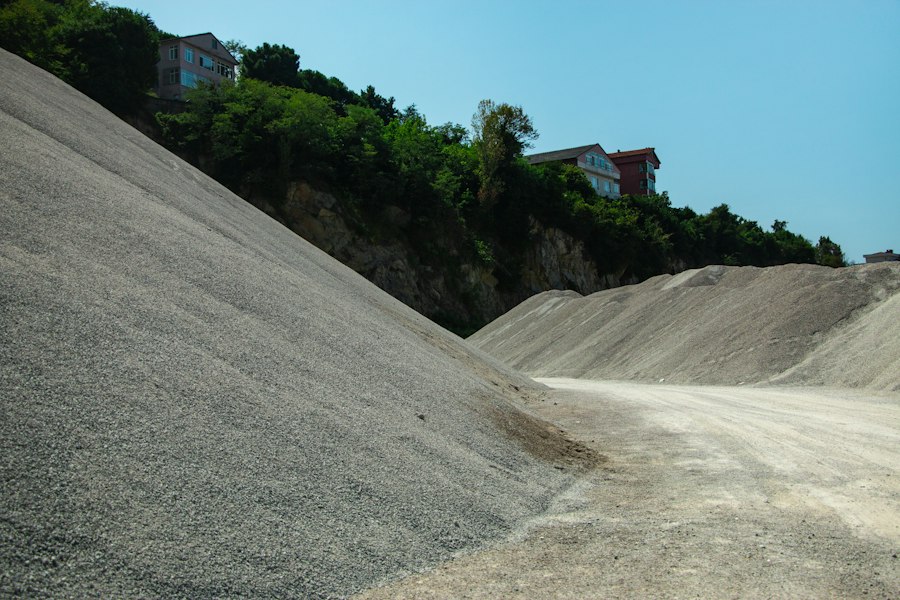
The formation of low gravel ridges is intrinsically linked to the fluvial processes of erosion, transportation, and deposition. Rivers, especially those flowing through landscapes rich in sedimentary material, are natural conveyor belts. They pick up fine particles, sand, and larger gravel as they surge downstream, their energy levels fluctuating with gradient, flow rate, and the presence of obstacles. It is during periods of diminished flow, or when the river encounters areas of reduced velocity, that these coarser sediments, the gravel, begin to settle.
The Role of Sediment Load and River Energy
The composition of a river’s sediment load plays a crucial role in the formation of gravel ridges. Rivers draining mountainous regions or areas with significant glacial history are often rich in gravel, a byproduct of the physical weathering of rocks. As this gravel is transported downstream, its journey is not a continuous one. The river’s energy, a function of its velocity and depth, dictates what size of sediment it can carry. During periods of high flow, the river possesses the energy to transport even large boulders. However, as the river’s energy wanes, typically during lower flow seasons or in wider, shallower sections, the heavier gravel particles are the first to be deposited. This consistent deposition in specific locations, often dictated by subtle changes in the riverbed gradient or the presence of bedrock outcrops, gradually builds up these accumulations.
Influence of Base Level and Gradient Changes
The ultimate destination and accumulation points for riverine sediments are heavily influenced by the concept of base level. This refers to the lowest point to which a river can erode its channel. For most rivers, this is the level of the sea or a large lake. Any changes in this base level, such as sea-level fluctuations or the formation of a downstream obstruction like a volcanic dam or a fault scarp, can dramatically alter the river’s erosive power and sediment deposition patterns. A sudden drop in base level can lead to increased erosion upstream, while a rise can cause widespread deposition. Similarly, localized changes in gradient, even minor ones, can create zones of reduced velocity where gravel preferentially settles. Imagine a slight flattening of the riverbed; the water slows, and the larger, heavier gravel particles can no longer be carried along, accumulating to form a ridge.
Entrenchment and Incision: A Dance with the Bedrock
The interaction between the river and the underlying bedrock is another key factor in shaping gravel ridges. Rivers have a dual capacity: they can erode horizontally, widening their floodplains, and they can erode vertically, incising their channels deeper into the earth. When a river is actively incising, it is essentially cutting down through the existing landscape. If it encounters a resistant layer of bedrock, or if the overall gradient is steep, the river’s energy is focused on downward erosion. In such scenarios, the gravel that is transported will be deposited on top of this incised channel, forming a ridge that sits within or alongside the deeper incision. This entrenchment process is particularly important in shaping the distinct feature of a low gravel ridge adjacent to a deep channel, as the ridge acts as a visible marker of the river’s past erosive power and its tendency to deposit coarser materials when its energy is momentarily checked within a deepened section.
The Deep Channel: A Consequence of Erosion and Flow Dynamics
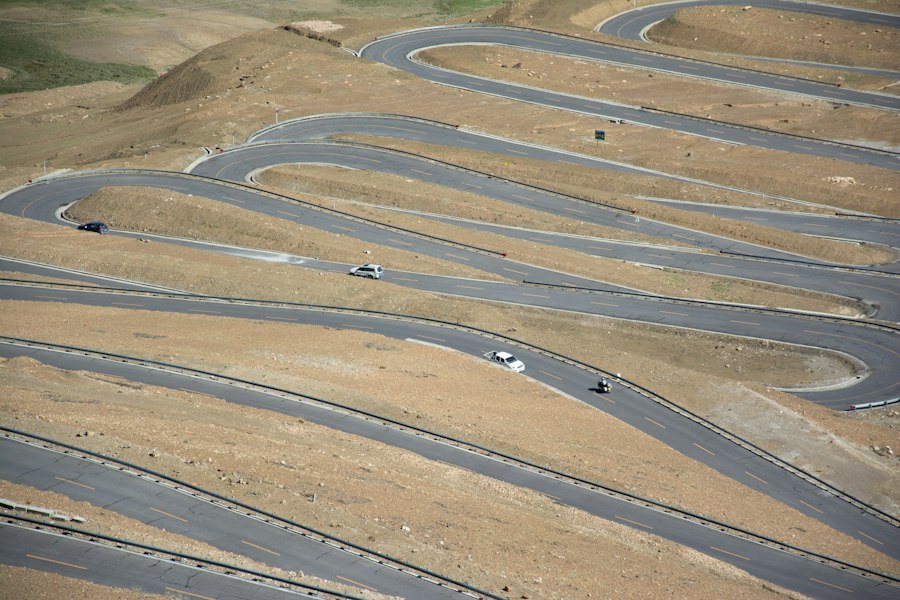
The deep channel of a river is not merely a passive trough; it is an active consequence of the river’s erosive power and the complex dynamics of water flow. The presence of a low gravel ridge often amplifies the depth of the channel in its immediate vicinity, creating a distinctive hydrological environment. This deepening is a testament to the river’s ability to carve through sediment and bedrock, and the gravel ridge plays a significant role in orchestrating this process.
Hydraulic Sorting and Scouring Power
The key to understanding how a gravel ridge contributes to a deep channel lies in the phenomenon of hydraulic sorting. As water flows over and around a developing gravel ridge, it experiences changes in velocity and pressure. The faster-moving water on the upstream side of the ridge, and the turbulent eddies that form on the downstream side, create areas of increased scouring power. This enhanced erosive force is directed towards the riverbed, particularly in the zone immediately downstream of the ridge. The finer sediments are easily washed away, while the larger gravel particles of the ridge itself may be dislodged and resettled further downstream. However, the consistent deposition of gravel in a ridge-like formation often acts as a barrier, forcing the main flow of water into a more concentrated path, thereby increasing its velocity and its capacity to excavate the channel floor. This process of hydraulic sorting, driven by the ridge, effectively deepens the channel in specific locations.
Sediment Bypass and Deposition Patterns
A low gravel ridge can act as a strategic point of sediment bypass. During periods of high flow, the river possesses sufficient energy to transport a significant volume of sediment, including gravel. However, as the water encounters the ridge, some of the coarser material may be temporarily trapped or deflected. This allows finer sediments to be carried further downstream. Conversely, during lower flow periods, the ridge itself becomes a depositional zone. The water’s reduced energy in these areas favors the settling of gravel. This interplay of bypass and deposition creates a dynamic equilibrium where the ridge is maintained while the channel’s depth is also influenced. The deeper channel, in turn, can accommodate larger volumes of water and sediment, further influencing the ridge’s form and position.
Meander Dynamics and Channel Incision
Many rivers are characterized by meandering patterns, a sinuous course that develops over time. Low gravel ridges can play a crucial role in influencing these meander dynamics and, consequently, the deepening of the channel. As a river meanders, the centrifugal force on the outer bend of a meander causes the water to flow faster and with greater erosive power. Conversely, on the inner bend, the flow slows, leading to deposition. A gravel ridge, often forming on the inside bend or as a point bar deposit, can solidify and stabilize this depositional zone. This stabilization can, over time, lead to the river cutting deeper into the outer bank of the meander, further accentuating the channel’s depth. The ridge essentially acts as an anchor, guiding the river’s erosive focus.
Ecological Significance of the Gravel Ridge-Channel Interface
The unique hydrological and geomorphological conditions created by the interface between a low gravel ridge and a deep river channel foster a rich and diverse array of ecological habitats. This juxtaposition of shallows and depths, of stable substrate and flowing water, provides a mosaic of environmental niches that support a wide variety of aquatic and riparian life.
Habitat Diversity: From Riffles to Pools
The presence of a low gravel ridge often creates distinct microhabitats within the river. The upstream side of the ridge, where the water flows more smoothly, might form a shallow riffle zone. These areas are characterized by well-oxygenated water and a gravelly substrate, providing ideal spawning grounds for many fish species. Immediately downstream of the ridge, where the water plunges into the deeper channel, classic pool habitats are formed. These deeper areas offer refuge from strong currents, thermal stability, and are often rich in invertebrate populations that form the base of the food web. This creation of both riffles and pools within a relatively short stretch of river significantly enhances the overall habitat diversity, supporting a greater number of species than a uniform channel might.
Fish Spawning and Nursery Grounds
For many fish species, the gravelly substrate of a low ridge is paramount for successful reproduction. Species like trout, salmon, and various minnows rely on clean gravel beds to deposit their eggs. The flowing water through the gravel ensures adequate oxygenation for the developing embryos and washes away fine silt that could smother them. The adjacent deep channel then serves as a crucial nursery area for the newly hatched fry. The deeper, calmer waters provide protection from predators and offer abundant food sources in the form of drifting invertebrates. The gravel ridge, therefore, acts as both a vital incubator and a protective buffer for the early life stages of many economically and ecologically important fish populations.
Invertebrate Assemblages and Food Webs
The diverse substrates and flow regimes associated with gravel ridges and deep channels support a remarkable array of benthic invertebrates. The gravelly riffles are home to caddisfly larvae, mayflies, and stoneflies, which graze on algae or filter feed. In the deeper pools, different communities thrive, including various species of worms, crustaceans, and insect larvae adapted to lower light levels and slower currents. These invertebrates form the foundation of the river’s food web, providing sustenance for fish, amphibians, and birds. The stability offered by the gravel ridge can also provide important microhabitats for terrestrial insects that fall into the water, further enriching the diet of aquatic consumers.
Riparian Vegetation and Bank Stabilization
The influence of the gravel ridge extends beyond the aquatic realm. The altered flow patterns and depositional zones created by the ridge can influence the types and distribution of riparian vegetation. Areas around the ridge may experience different moisture regimes and soil compositions, favoring specific plant species. Furthermore, the gravel ridge itself, by acting as a more stable depositional feature, can contribute to the stabilization of the riverbanks. This stability can prevent excessive erosion and provide a more consistent environment for the establishment of rooted plants, which in turn further stabilize the banks and provide habitat for terrestrial wildlife.
In exploring the unique geological features of river systems, one can find intriguing formations such as a low ridge of gravel curving around a deep channel. These natural structures play a significant role in shaping the landscape and influencing aquatic ecosystems. For a deeper understanding of how such formations can impact infrastructure development, you might find it interesting to read about the implications of private sector investment in building lunar infrastructure, as discussed in this article on lunar development. The interplay between natural formations and human innovation is a fascinating topic worth exploring further. You can read more about it here.
Human Interactions and Management Considerations
| Feature | Description | Typical Dimensions | Common Materials | Environmental Impact |
|---|---|---|---|---|
| Low Ridge of Gravel | A raised, narrow accumulation of gravel particles forming a ridge | Height: 0.5 – 2 meters Width: 1 – 5 meters |
Gravel, small pebbles, sand | Can influence water flow and sediment deposition |
| Deep Channel | A pronounced depression or trench in the landscape, often carrying water | Depth: 2 – 10 meters Width: 5 – 20 meters |
Water, sediment, organic material | Supports aquatic habitats and affects erosion patterns |
| Curving Formation | Shape of the ridge following a curved path around the channel | Curvature radius: 10 – 50 meters | Gravel arranged in arcs | Directs water flow and sediment transport |
The unique characteristics of rivers shaped by low gravel ridges and deep channels have long influenced human settlement and activity. Understanding these interactions is crucial for effective river management and conservation. These geomorphological features have historically shaped navigation, fishing practices, and even land use along riverbanks, and modern challenges require careful consideration of their ecological and hydrological roles.
Navigation and Transportation Routes
Historically, deep channels within rivers have been vital arteries for transportation. The low gravel ridges, while potentially posing navigational hazards, have also, in some instances, served to guide and concentrate the main flow, making the deeper channel more predictable for watercraft. Understanding the formation and dynamics of these ridges is essential for maintaining navigable waterways, especially in areas where dredging or channel modification might otherwise be considered. The presence of stable gravel beds can also influence the types of vessels that can safely operate, dictating trade routes and settlement patterns.
Fishing and Resource Management
The rich biodiversity fostered by the gravel ridge-channel interface has made these areas historically significant for fishing. Traditional fishing practices often targeted the specific habitats created by these features, such as the deeper pools for larger fish or the riffles for smaller species. Modern resource management must consider the ecological importance of these areas, ensuring that fishing quotas and methods do not compromise the integrity of these sensitive habitats. Protecting spawning grounds and nursery areas associated with gravel ridges is paramount for sustainable fisheries management.
Floodplain Dynamics and Land Use Planning
The interaction between deep channels, gravel ridges, and floodplains is a critical consideration for land-use planning. While deep channels can accommodate larger flood volumes, the presence of gravel ridges can influence how water spreads during inundation events. Understanding these dynamics is crucial for developing effective flood mitigation strategies and for making informed decisions about development in floodplain areas. Building in proximity to these geomorphological features requires a thorough understanding of their role in water flow and sediment transport to minimize risks and environmental impacts.
Conservation and Restoration Efforts
In an era of increasing environmental degradation, the conservation and restoration of riverine ecosystems are paramount. Recognizing the ecological significance of low gravel ridges and their associated deep channels is a critical first step. Restoration efforts might focus on re-establishing natural flow regimes, promoting the deposition of appropriate sediment sizes to maintain gravel beds, or removing artificial barriers that disrupt natural sediment transport. Protecting these unique habitats from invasive species, pollution, and habitat fragmentation is essential for preserving the biodiversity and ecological services that these river landscapes provide.
The Enduring Influence: A Legacy Carved in Stone and Water
The humble low gravel ridge, often overlooked in its quietude, is a testament to the enduring power of natural forces to sculpt a landscape. Its continuous interaction with the river’s flow creates and sustains the deep channel, a vital artery of the earth. This dynamic interplay is not merely a geological curiosity; it is a fundamental driver of ecological diversity, a shaper of human history, and a crucial element in the ongoing story of our planet’s water systems. As we continue to navigate the challenges of environmental stewardship, a deeper appreciation for the subtle yet profound influence of features like low gravel ridges will be essential for ensuring the health and resilience of our rivers for generations to come. They are the silent architects, continuously refining their masterpiece, a river landscape shaped by the persistent, transformative dance of water and stone.
