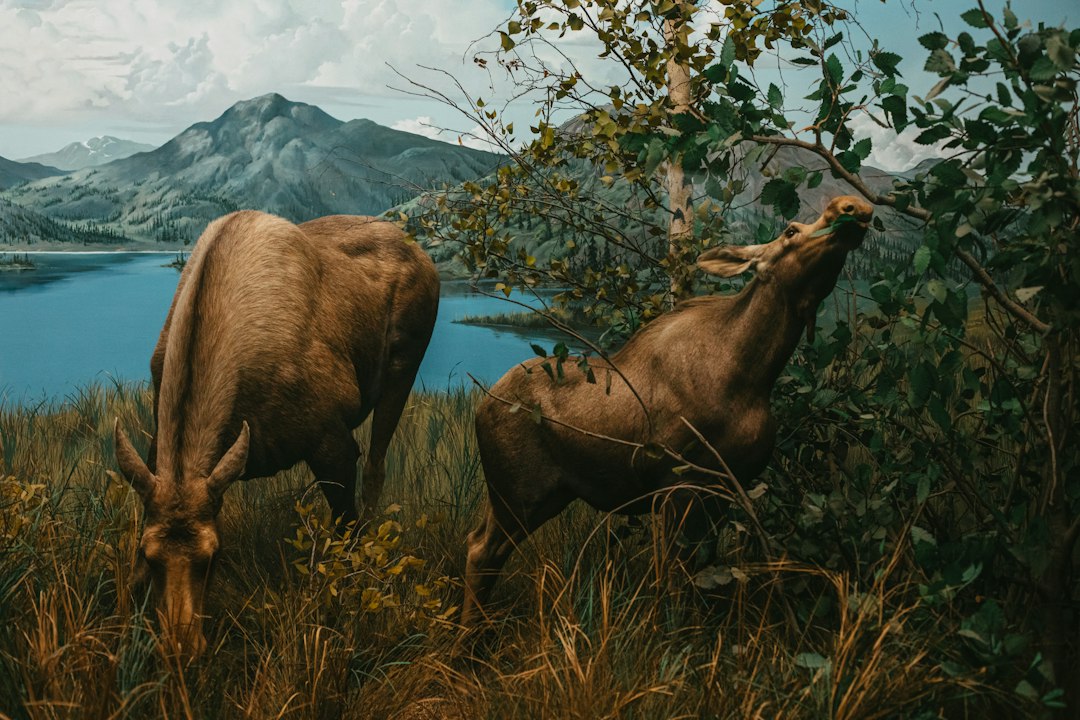
Ice Age Behemoths: The Reign of the Pleistocene’s Mega-Fauna
The Pleistocene epoch, often colloquially known as the Ice Age, conjures images of vast, frozen landscapes and formidable creatures. Spanning from roughly 2.6 million to 11,700 years ago, this period was a dynamic tapestry of dramatic climatic swings, characterized by glacial and interglacial cycles that profoundly shaped the Earth’s ecosystems and the life that inhabited them. Among the most captivating residents of this era were the magnificent megafauna, a collection of colossal mammals and birds that dwarfed many of their modern descendants. These “majestic giants” were not merely curiosities; they were integral components of their environments, playing crucial roles in shaping vegetation, influencing nutrient cycles, and engaging in complex predator-prey dynamics. Their existence, and eventual disappearance, offers a profound window into the forces that govern evolution and the fragility of life in the face of environmental change.
The sheer scale of Pleistocene megafauna is a defining characteristic of the period. From the woolly mammoths roaming the frigid plains to the towering ground sloths that browsed in more temperate regions, these animals represented the pinnacle of evolutionary adaptation to a world vastly different from our own. Their adaptations – thick fur, massive bodies, specialized diets, and often formidable weaponry in the form of tusks, horns, and claws – were honed over millennia in response to the environmental pressures of a planet alternately locked in ice and experiencing periods of relative warmth. Studying these extinct giants provides invaluable insights not only into prehistoric life but also into the processes of extinction and the long-term impact of climate on biodiversity.
The Pleistocene epoch, known for its dramatic climate changes and the emergence of iconic megafauna, has fascinated researchers and enthusiasts alike. An insightful article that delves into the prehistoric wildlife of this era can be found at this link. It explores the diverse species that roamed the Earth, their adaptations to the harsh environments, and the factors that led to their extinction, providing a comprehensive overview of the Pleistocene’s unique ecological landscape.
Adapting to the Frozen Frontier: Pleistocene Megafauna and Their Environments

The Pleistocene was a period of extreme climatic fluctuation, with vast ice sheets periodically advancing and retreating across the globe. These dramatic shifts created a mosaic of habitats, from the treeless, wind-swept tundras of the glacial periods to the more diverse forests and grasslands that emerged during warmer interglacial intervals. The megafauna that thrived during this epoch were exquisitely adapted to these challenging and ever-changing environments. Their survival depended on their ability to find food, cope with extreme temperatures, and navigate landscapes that were often inhospitable to smaller creatures.
Tundra Dwellers: Masters of the Cold
During glacial maxima, large portions of the Northern Hemisphere were covered by immense ice sheets. Surrounding these glaciers, vast expanses of tundra existed, characterized by permafrost, low-lying vegetation, and fierce winds. These were the realms of creatures uniquely equipped for survival in such harsh conditions. The most iconic of these undoubtedly was the woolly mammoth (Mammuthus primigenius). With its thick, shaggy coat, small ears to minimize heat loss, and massive curved tusks, the mammoth was perfectly suited to this environment. Fossil evidence suggests they were herbivores, feeding on grasses, sedges, and other tundra vegetation, which they likely unearthed with their powerful trunks and tusks. Their sheer size provided insulation, and their dung would have fertilized the sparse vegetation, playing a role in the tundra ecosystem.
Other notable inhabitants of the frigid north included the woolly rhinoceros (Coelodonta antiquitatis), another heavily furred herbivore with a distinctive flattened horn on its nose, likely used for digging up vegetation or for defense. The steppe bison (Bison priscus) also roamed these open plains, forming large herds that would have grazed on the abundant grasses. These large grazers, in turn, supported formidable predators. The cave lion (Panthera spelaea), a subspecies of lion adapted to cooler climates, and the powerful short-faced bear (Arctodus simus), known for its immense size and potentially its specialized predatory habits, were among the apex predators that hunted these herbivores. Their adaptations for the cold included thick fur and a metabolism geared towards surviving periods of scarcity.
Temperate Havens: Diverse Ecosystems in Warmer Intervals
As the ice sheets retreated during interglacial periods, warmer, more temperate climates prevailed. These periods saw the expansion of forests, woodlands, and more diverse grasslands, allowing for a different suite of megafauna to flourish. In North America, the American mastodon (Mammut americanum) was a prominent herbivore, preferring forested environments where it browsed on leaves, twigs, and bark, using its more downward-pointing tusks to strip branches. Unlike the mammoth’s flatter molars designed for grinding tough grasses, the mastodon’s teeth were more cone-shaped, ideal for tearing vegetation.
South America boasted its own unique megafauna during the Pleistocene, particularly in its more temperate regions. The giant ground sloths, such as Megatherium americanum, were among the most spectacular. These colossal animals, some reaching the size of elephants, were slow-moving herbivores that likely used their enormous claws to pull down branches or dig for roots. Their diets varied, with some species specializing in browsing and others in grazing. Glyptodonts, large, armadillo-like creatures with bony carapaces, also roamed these areas. Their formidable defenses, comparable to a medieval tank, offered protection against predators.
The diversity of these environments and the specialized adaptations of the animals that inhabited them highlight the dynamic nature of the Pleistocene and the intricate relationships that existed between species and their surroundings. The success of these megafauna was a testament to their evolutionary prowess in navigating a world of extremes.
Giants of the Plains: Iconic Herbivores of the Pleistocene

The Pleistocene was an era dominated by herbivores of extraordinary size and diversity. These colossal plant-eaters were the bedrock of many prehistoric food webs, shaping landscapes through their grazing and browsing habits and providing sustenance for the formidable carnivores of the time. Their impressive adaptations allowed them to thrive in a variety of environments, from frozen tundras to lush grasslands, showcasing the power of natural selection to produce such magnificent creatures.
The Mammoth Family: Lords of the Tundra and Steppe
The mammoth, a genus of extinct elephantid, is perhaps the most iconic symbol of the Pleistocene megafauna. Several species roamed the globe, each adapted to its particular niche. The woolly mammoth (Mammuthus primigenius), as discussed, was a master of the cold, its thick fur, small ears, and fatty deposits serving as crucial insulation against frigid temperatures. Its diet consisted primarily of grasses and sedges, which it extracted from the ground with its powerful trunk and tusks. Fossil dung middens reveal not only what they ate but also the ecological impact of their feeding, revealing areas of overgrazing and the subsequent regeneration of vegetation.
In contrast, the Columbian mammoth (Mammuthus columbi) was a larger, less hairy species that inhabited warmer parts of North America, preferring open woodlands and grasslands. Its tusks were longer and more dramatically curved than those of its woolly cousin. The steppe mammoth (Mammuthus trogontherii), an earlier ancestor, was even larger and is thought to have occupied a transitional role between the more southerly and northerly species. The social structure of mammoths is also a subject of ongoing research, with evidence from fossil sites suggesting herd behavior, with females and young staying together for protection. The sheer biomass of these animals would have significantly influenced the vegetation, shaping the composition of grasslands and the distribution of trees.
Ground Sloths: Gentle Giants of the Americas
The Americas were home to an astonishing array of giant ground sloths, members of the extinct infraorder Phyllophaga. These were not the small, arboreal sloths of today, but massive animals that often dwarfed modern elephants. Megatherium americanum, the “great beast,” was one of the largest, possessing immense hindquarters and a powerfully built skeleton that supported its bulk. Its claws, though formidable, were likely not primarily for predation but for pulling down tree branches, digging for roots, or defense. Its diet was herbivorous, specializing in browsing on leaves and woody material.
Other notable ground sloths included Eremotherium laurillardi, which was even larger than Megatherium and ranged into more northerly parts of North America. Mylodon darwinii, named by Charles Darwin, was a slightly smaller, but still substantial, ground sloth found in South America. The adaptations of these sloths, such as their slow metabolism and specialized digestive systems for processing tough plant matter, allowed them to exploit resources unavailable to many other animals. Their presence would have dramatically altered vegetation structure, clearing areas of forest and promoting the growth of grasses in certain locales.
Other Notable Herbivores: Diversity in Form and Function
Beyond the mammoths and ground sloths, the Pleistocene hosted a multitude of other impressive herbivores. The giant deer (Megaloceros giganteus), particularly the Irish Elk, is renowned for its massive antlers, which spanned up to 3.65 meters (12 feet) in width. These antlers, likely shed and regrown annually, were probably used in intraspecific combat for mating rights. Their diet was primarily grazing on grasses and sedges.
In Australia, the Pleistocene fauna, though less studied in popular culture than its Northern Hemisphere counterparts, also included giant herbivores. The diprotodon (Diprotodon optatum) was a marsupial the size of a rhinoceros, a herbivore that browsed on leaves and bark. Its extinction, along with that of many other Australian megafauna, remains a subject of intense scientific debate.
The sheer variety of these large herbivores underscores the rich biodiversity of the Pleistocene. Their presence profoundly shaped the ecosystems they inhabited, acting as keystone species that influenced plant communities, soil composition, and the availability of resources for other organisms.
The Hunters and the Hunted: Predation in the Pleistocene Arena
The presence of colossal herbivores naturally attracted an equally formidable array of predators. The Pleistocene was a time of high stakes, where survival for both predator and prey was a daily challenge. These apex predators were perfectly adapted to their roles, possessing the strength, speed, and hunting strategies necessary to bring down prey often many times their own size. Their interactions with their prey shaped the evolution of both groups, driving the development of defensive mechanisms in herbivores and sophisticated hunting techniques in carnivores.
Big Cats: The Sleek and the Powerful
The Pleistocene was a golden age for large felids. The cave lion (Panthera spelaea), as mentioned, was a powerful predator adapted to the cold, larger than modern lions. Fossil evidence suggests they likely hunted in prides, ambushing prey in the open environments of the steppe and tundra. Their prey would have included young mammoths, horses, and other large herbivores.
In North America, the American lion (Panthera atrox) was even larger, a truly colossal cat that dwarfed its extant relatives. It is believed to have preyed upon bison, horses, and other large ungulates that inhabited the continent. The saber-toothed cat, most famously Smilodon fatalis, also roamed North America. Its iconic elongated canine teeth were likely not used for a killing bite to the throat, as often depicted, but rather for piercing the thick hides of large prey, possibly to sever major blood vessels. Their hunting strategy may have involved ambushing large herbivores and using their powerful forelimbs to subdue them before delivering a fatal bite.
Canids and Ursids: Pack Hunters and Solitary Stalkers
The Pleistocene also saw the dominance of large canids and ursids. The dire wolf (Aenocyon dirus) was a large, robust wolf species that coexisted with Smilodon in North America. Fossil evidence suggests they were pack hunters, similar to modern wolves, likely preying on bison, horses, and camels. Their powerful jaws and strong teeth were well-suited for crushing bone.
Among the ursids, the short-faced bear (Arctodus simus) stands out. This immense bear was one of the largest land carnivores of its time, with a powerful build and a proportionally short face. While some debate exists about its primary diet, evidence suggests it was an opportunistic omnivore, capable of hunting large prey as well as scavenging and feeding on plant matter. Its sheer size would have made it a formidable competitor and predator. The cave bear (Ursus spelaeus), prevalent in Europe, was primarily a herbivore, but like other bears, was likely an opportunistic omnivore.
The Arms Race: Prey Defenses and Predator Adaptations
The constant pressure from these formidable predators drove the evolution of sophisticated defensive strategies in their prey. Herd behavior, for instance, provided safety in numbers for herbivores, allowing for increased vigilance against approaching predators. The sheer size and strength of animals like mammoths and mastodons served as a powerful deterrent, while their tusks and horns provided effective weapons for defense. Speed and agility were crucial for escaping predators, as seen in the evolution of swift-footed horses and antelopes.
Conversely, predators developed specialized adaptations to overcome these defenses. Pack hunting allowed canids to take down prey too large for a single individual. The specialized dentition of saber-toothed cats suggests a unique hunting strategy to deal with thick hides. The keen senses of smell, sight, and hearing possessed by many predators were essential for locating prey and initiating an attack. This ongoing evolutionary arms race between predators and prey highlights the dynamic and competitive nature of Pleistocene ecosystems.
The Pleistocene epoch was a fascinating period marked by the emergence and extinction of various prehistoric wildlife, including mammoths and saber-toothed cats. Understanding the dynamics of these ancient ecosystems can provide insights into how climate change and human activity influenced biodiversity. For a deeper exploration of how environmental factors have historically impacted societies, you might find this article on the collapse of Bronze Age trade networks particularly interesting. It highlights the interconnectedness of ecosystems and human civilizations, shedding light on the broader implications of environmental shifts. You can read more about it here.
The Great Dying: Extinction of the Pleistocene Giants
| Species | Scientific Name | Time Period (Million Years Ago) | Habitat | Average Size | Diet |
|---|---|---|---|---|---|
| Saber-toothed Cat | Smilodon fatalis | 2.5 – 0.01 | Grasslands, Forests | 1.1 m (shoulder height) | Carnivore |
| Mammoth | Mammuthus primigenius | 0.4 – 0.004 | Tundra, Steppe | 3.5 m (height) | Herbivore |
| Giant Ground Sloth | Megatherium americanum | 2.5 – 0.01 | Forests, Woodlands | 6 m (length) | Herbivore |
| Dire Wolf | Canis dirus | 0.3 – 0.01 | Grasslands, Forests | 1.5 m (length) | Carnivore |
| Woolly Rhinoceros | Coelodonta antiquitatis | 0.4 – 0.01 | Tundra, Steppe | 2 m (height) | Herbivore |
The end of the Pleistocene epoch, around 11,700 years ago, was marked by a dramatic and widespread extinction event, often referred to as the Quaternary megafauna extinction. This event saw the disappearance of a significant portion of the world’s large mammals, birds, and reptiles, leaving behind a world with a noticeably less awe-inspiring fauna. The causes of this mass extinction have been a subject of intense scientific debate for decades, with several theories proposed, often considered in combination.
Climate Change: A Shifting World
The Pleistocene was characterized by dramatic glacial-interglacial cycles. As the last glacial period ended and the planet began to warm, vast ice sheets melted, leading to significant sea-level rise and dramatic shifts in vegetation and climate zones. Some researchers argue that these rapid climatic changes outpaced the adaptive capabilities of many megafauna species. The loss of tundra habitats, the fragmentation of previously contiguous grassland areas, and the emergence of new forest ecosystems may have made it difficult for specialized species to find suitable food and shelter.
For instance, species heavily reliant on specific types of vegetation that thrived only in tundra or steppe environments may have struggled to adapt to the encroaching forests. Similarly, animals adapted to extreme cold might have found warmer temperatures and altered precipitation patterns too challenging. The speed of these environmental transformations, coupled with the specialized ecological niches occupied by many of the megafauna, could have been a significant contributing factor to their decline.
Human Arrival: The Hunter’s Impact
Another prominent theory centers on the role of humans. As humans expanded their range across the globe during the Pleistocene, they encountered a naive fauna that had evolved in the absence of significant predation by this highly intelligent and resourceful species. The arrival of humans in North and South America, for example, coincided with the extinction of many megafauna species. Proponents of this “overkill hypothesis” argue that humans, armed with sophisticated hunting tools and techniques, were able to efficiently hunt and decimate populations of these large animals, which often had slow reproductive rates.
The evidence supporting this theory includes the presence of human hunting tools found in association with the remains of extinct megafauna. Furthermore, extinction patterns often correlate with the timing of human arrival in new territories. The ability of humans to adapt their hunting strategies and exploit the resources of these large animals would have given them a significant advantage.
The Synergy of Causes: A Complex Interplay
Increasingly, scientists favor a multifactorial explanation for the Pleistocene megafauna extinction, recognizing that both climate change and human impact likely played significant roles. It is plausible that climate change created stressed populations and fragmented habitats, making them more vulnerable to human hunting pressure. Conversely, human hunting might have exacerbated the impacts of environmental changes, pushing already struggling populations over the edge.
For example, climate change might have reduced the carrying capacity of certain regions, leading to smaller and more isolated populations of megafauna. These smaller populations would have been more susceptible to the pressures of human hunting. Similarly, the development of more advanced hunting technologies by humans might have occurred during periods of climatic stress, when megafauna were already weakened and easier to target. The intricate interplay between environmental shifts and the growing presence of humans likely created a perfect storm that led to the demise of these magnificent creatures.
Echoes of the Past: Lessons from the Pleistocene Giants
The study of Pleistocene megafauna and their eventual extinction offers profound insights and enduring lessons that resonate with contemporary environmental challenges. These majestic giants, once the undisputed rulers of their domains, serve as a potent reminder of the interconnectedness of life and the delicate balance of ecosystems. Their story is not merely a chronicle of ancient beings but a cautionary tale with direct relevance to the biodiversity crisis we face today.
Understanding Extinction: Patterns and Predictors
The Pleistocene extinctions provide a valuable case study for understanding the mechanisms and patterns of mass extinction events. By analyzing the fossil record, scientists can identify common factors that contributed to the decline of certain species. The susceptibility of large-bodied animals with slow reproductive rates to both climatic shifts and human pressures is a recurring theme. This knowledge is crucial for identifying species that are currently at high risk of extinction in the face of modern environmental challenges, such as habitat loss, climate change, and overexploitation. The Pleistocene extinctions underscore the importance of considering the cumulative impacts of multiple stressors on vulnerable populations.
The Role of Humans: Responsibility and Conservation
The debate surrounding human impact on Pleistocene megafauna highlights our species’ profound influence on the natural world. It underscores the ethical responsibilities that come with our intelligence and technological capabilities. The extinction of these animals serves as a stark reminder that human actions, both intentional and unintentional, can have irreversible and devastating consequences for biodiversity. This historical perspective informs modern conservation efforts, emphasizing the need for sustainable practices, habitat protection, and responsible resource management. Understanding our past role in shaping life on Earth is essential for forging a more harmonious future.
Glimmers of Hope: Resilience and Recovery
While the Pleistocene witnessed significant extinctions, it also demonstrated the remarkable resilience of life. The emergence of new species and the adaptation of surviving lineages to altered environments showcase the dynamic nature of evolution. Modern conservation efforts aim to foster this resilience by protecting existing habitats, reintroducing species, and mitigating the impacts of human activities. The study of Pleistocene megafauna inspires us to work towards a future where such majestic creatures, or their modern descendants, can continue to thrive. Their legacy compels us to act with foresight and dedication to safeguard the biological heritage of our planet for generations to come.

Life 20,000 Years Ago: The Ultimate Ice Age Fight to Survive
FAQs
What types of animals lived during the Pleistocene epoch?
During the Pleistocene epoch, a variety of prehistoric wildlife roamed the Earth, including mammoths, saber-toothed cats, giant ground sloths, woolly rhinoceroses, and dire wolves.
Where did the Pleistocene animals live?
Pleistocene animals lived in various habitats around the world, including grasslands, forests, tundras, and savannas. They were distributed across different continents, adapting to their specific environments.
How did the climate during the Pleistocene epoch impact prehistoric wildlife?
The Pleistocene epoch was characterized by fluctuating temperatures and ice ages, which influenced the evolution and distribution of prehistoric wildlife. Many species adapted to the changing climate, while others faced extinction.
What caused the extinction of many Pleistocene animals?
Several factors contributed to the extinction of Pleistocene animals, including climate change, human hunting, and competition with other species. The combination of these factors led to the decline and eventual disappearance of many iconic prehistoric creatures.
Are there any modern-day animals that are descendants of Pleistocene wildlife?
Yes, some modern-day animals are considered descendants of Pleistocene wildlife, such as elephants, bison, and certain species of big cats. These animals have evolved over thousands of years but still share genetic similarities with their prehistoric ancestors.