The biting wind whipped snow into stinging tendrils, painting the rugged landscape in stark whites and greys. It was deep winter in the unforgiving north, and the small encampment of the Alabaster expedition was a fragile beacon against the encroaching darkness. They were a group of seasoned explorers, hardened by years of confronting the wild, but nothing could have prepared them for the seismic tremor that shook their world. It began as a low rumble, easily dismissed as the groans of shifting ice or the distant roar of a blizzard. But the rumble intensified, growing into a deafening, earth-shattering bellow that vibrated through their very bones. Then, with a force that defied comprehension, the ground beneath them bucked. Tents ripped from their moorings, supplies scattered like fallen leaves, and the terrifying silhouette of a colossal beast, a creature of myth and legend, materialized from the swirling snow. A mammoth, impossibly large and enraged, had crashed directly into their winter camp.
The Unforeseen Arrival
The initial shock gave way to a primal surge of adrenaline. The sound was unlike anything they had ever heard – a guttural trumpeting mingled with the splintering of wood and the tearing of canvas. Campfires, meticulously banked to ward off the frost, were extinguished in an instant by the creature’s colossal mass. The air filled with the panicked cries of men and the frantic whinnying of their pack animals, whose own terror mirrored the explorers’. Through the blinding snow, glimpses of the behemoth could be caught: a mountainous, shaggy silhouette, tusks like ancient ivory gleaming dully in the scant light, and eyes that seemed to burn with an ancient fury. It was a spectacle that defied logic and reason, a living embodiment of prehistoric power unleashed upon their modern world. The sheer scale of the creature was overwhelming; it dwarfed their sturdy tents and even the stoutest of their supply crates. Its movement was surprisingly fluid for its immense size, a whirlwind of fur and muscle, yet utterly destructive. The impact was not just physical; it was an assault on their very perception of reality, a stark reminder of how little they truly understood the ancient forces that still held sway in this remote corner of the world.
A Collision of Worlds
The Alabaster expedition had sought to chart the uncharted, to uncover the secrets buried beneath the permafrost. They had prepared for blizzards, for treacherous ice, for the gnawing hunger of prolonged isolation. They had even factored in the possibility of encountering large predators, though their threat was measured in the tens, not the tens of thousands of pounds. The mammoth, however, was a force of nature on an entirely different scale. It was as if the earth itself had coughed up a relic of a bygone era, an anachronism of immense power and destructive potential. The collision wasn’t merely a physical impact; it was a symbolic collision of the modern world with the deep, untamed past. The scientists and adventurers, armed with their compasses and their theories, found themselves utterly outmatched by a creature that operated on instinct and primal rage, a creature whose very existence challenged their scientific understanding of evolution and extinction. The sheer unexpectedness of the event was as disorienting as the physical chaos. They had mapped their route, calculated their provisions, and prepared for every foreseeable contingency, yet the unimaginable had become their terrifying reality.
The Initial Onslaught
The immediate aftermath of the collision was a scene of utter pandemonium. Tents were flattened, some ripped open like paper by the sheer force of the impact. Equipment, meticulously organized and secured, was strewn about, buried under snowdrifts or crushed beneath the mammoth’s massive hooves. The expedition’s precious food stores, vital for their survival through the long winter, were compromised. Many crates were shattered, their contents spilled and exposed to the elements or trampled into the snow. The sounds of distress were everywhere: the whines of injured animals, the groans of men struggling to free themselves from debris, and the continued, unsettling trumpeting of the mammoth, which, for a terrifying moment, seemed to circle the mangled remnants of their camp, its presence a palpable threat. The wind, which had previously been an annoyance, now seemed to conspire with the chaos, whipping snow into their faces and obscuring their vision, making it impossible to assess the full extent of the damage or the true danger they were in. The fragile order they had established was shattered, replaced by a raw, primal struggle for survival.
In an unexpected turn of events, a mammoth recently crashed into a winter camp, leaving the inhabitants in shock and awe. This incident highlights the unpredictable nature of wildlife interactions in colder climates. For those interested in understanding the broader implications of such events, including how they relate to international relations and environmental strategies, you can read more in the article titled “Navigating International Relations: Key Strategies for Success” available at this link.
Assessing the Devastation

As the initial shock began to recede, replaced by a cold, gnawing fear, the explorers had to confront the grim reality of their situation. The mammoth, having seemingly vented its initial fury or perhaps finding the chaos too disorienting, had moved on, its thunderous footsteps gradually fading into the blizzard. But the silence it left behind was more chilling than its roar. The camp was a wasteland. What had been a meticulously arranged collection of tents, supply caches, and living spaces was now a jumbled, snow-covered disaster zone. The explorers, bruised and disoriented, began to emerge from the wreckage, their faces etched with disbelief and a dawning sense of dread. The priority shifted from scientific observation to immediate survival. Every remaining resource had to be accounted for, every injury assessed, and a plan, however rudimentary, had to be forged to navigate this devastating new reality. The sheer scale of the destruction was a stark and brutal reminder of their vulnerability in the face of nature’s raw power.
The Wreckage of Their Sanctuary
The sight that greeted them was one of utter devastation. The expedition’s main tent, the heart of their operations and living quarters, was a collapsed heap of canvas and poles, its interior contents scattered and buried. Smaller tents fared no better, some ripped entirely in half, others flattened to mere pancakes of fabric. The carefully stacked supply crates, which represented months of careful planning and arduous transport, were smashed, their contents spilled across the snow. Bags of flour, dried meats, and precious medical supplies were either lost, contaminated, or buried beyond immediate reach. The communal fire pit, a symbol of warmth and gathering, was now a crater filled with snow and debris. Even their sturdy cooking equipment had been mangled, bent and twisted by the colossal force that had swept through their temporary home. The snow, which had been a pristine blanket, was now churned into a muddy, icy mess, making it difficult to even walk. The air, once filled with the scent of woodsmoke and cooking, now carried the metallic tang of fear and the sterile smell of crushed vegetation.
Accounting for the Fallen
The immediate concern, after the initial shock of the mammoth’s departure, was for the well-being of the expedition members. Miraculously, considering the ferocity of the attack, there were no fatalities. However, injuries were numerous. Dr. Aris Thorne, the expedition’s lead physician, was already in motion, his medical kit miraculously intact, tending to the wounded. Broken limbs, deep lacerations, and severe bruising were common. The sheer terror of the encounter had also taken its toll, with several members suffering from shock and hyperventilation. The pack animals, though initially panicked, had mostly survived, though some had sustained injuries and were clearly traumatized. The loss of some animals would severely hamper their ability to transport salvaged supplies or to consider a hasty retreat. The meticulous roll call, conducted amidst the chaos, revealed that everyone was accounted for, a small but profound victory in the face of such overwhelming disaster. However, the psychological impact of the encounter was evident in the wide, haunted eyes of the survivors.
Reclaiming Essential Resources
With the immediate medical needs addressed, the daunting task of salvaging what they could from the wreckage began. Under the direction of Captain Eva Rostova, the expedition’s pragmatic leader, teams were organized to sift through the debris. Their primary focus was on securing any remaining food supplies, warmth, and the medical provisions that hadn’t been destroyed or contaminated. Waterproof tarpaulins, remarkably resilient, were used to create makeshift shelters, protecting salvaged items from the falling snow. They worked with a desperate urgency, knowing that every lost ration, every ruined blanket, brought them closer to the brink of starvation and freezing. The cold was a constant, unforgiving adversary, and their exposed hands and faces were quickly becoming numb. Each discovery of a preserved food item, a functional cooking pot, or a intact first-aid kit, was met with a surge of cautious relief, a small victory against the overwhelming odds.
The Mammoth’s Lingering Presence
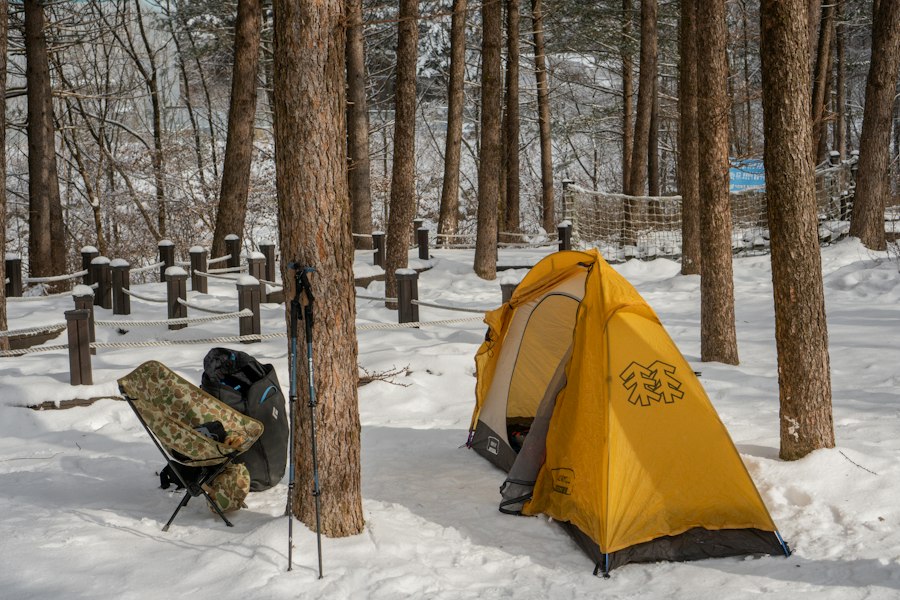
Even though the behemoth had moved on, its presence continued to haunt the explorers. The sheer power and ferocity of the encounter had instilled a deep-seated unease. The blizzard, which had abated slightly, offered little comfort, as it could easily conceal the creature’s return. Every creak of ice, every gust of wind, seemed to carry the echo of its trumpeting. The explorers found themselves constantly scanning the horizon, their senses heightened to an almost unbearable degree. The scientific curiosity that had initially drawn them to this wild frontier was now overshadowed by a primal need for self-preservation. They knew that this was not a creature to be studied; it was a force to be avoided, a reminder that they were interlopers in a world that still belonged to such ancient, formidable beings. The memory of its colossal form, its sheer destructive power, was etched into their minds, a terrifying constant that fueled their every decision.
Echoes of the Past
The mammoth’s appearance was more than just an animalistic rampage; it was a tangible connection to a world long gone. The creature was a living fossil, a testament to an epoch when giants roamed the earth. For the scientists on the expedition, particularly Dr. Jian Li, the paleontologist, this was both a terrifying and an exhilarating realization. While the immediate danger was paramount, the opportunity to witness such a creature, even in its destructive state, was an unparalleled scientific event. However, the reality of survival quickly superseded any scientific aspirations. The creature’s sheer size and power suggested an ancient resilience, a connection to the raw, untamed forces that shaped the planet. It was a stark reminder that the Earth held secrets far older and more powerful than their modern understanding could fully grasp. The encounter blurred the lines between scientific exploration and a desperate fight for survival against a force from the deep past.
The Shadow of Fear
The psychological toll of the mammoth’s attack was profound. Sleep offered little respite, as nightmares of the colossal beast crashing through their camp plagued the survivors. The once-familiar sounds of the winter landscape now seemed ominous, filled with the potential for renewed danger. The explorers found themselves clinging to each other for comfort, their usual stoic composure eroded by the overwhelming fear. Trust, already a vital commodity in such isolated environments, became even more critical. Every decision was weighed against the potential for attracting the mammoth’s attention. The feeling of being observed, even when the creature was not physically present, was pervasive. The snow-covered landscape, once a canvas for their exploration, now felt like a vast, exposed arena where they were vulnerable prey. This pervasive fear dictated their every action, making even simple tasks feel fraught with peril.
Adapting to the Unknown Threat
With the immediate chaos subsided, the explorers had to adapt their strategy. Their original plans for scientific observation and charting were irrevocably altered. Survival was the new mission objective. Captain Rostova immediately implemented stricter watch rotations, with guards positioned at all exposed perimeters, their eyes constantly scanning the snowy expanse. They reinforced their makeshift shelters, using salvaged debris and snow walls to create more robust defenses. Every noise, every shadow, was scrutinized. The expedition began to move with a newfound stealth, minimizing their noise and their visible presence. They were no longer simply explorers; they were survivors, keenly aware of the immense, unpredictable threat that still lurked in the frozen wilderness. The encounter had fundamentally changed their perception of the environment, transforming it from a subject of study into a potentially lethal adversary.
The Struggle for Sustenance
The destruction of their food supplies presented a critical challenge. The carefully calculated rations were severely depleted, and the long winter stretched before them, a vast expanse of potential starvation. The explorers had to rely on their ingenuity and their dwindling resources to find ways to sustain themselves. Hunting, which had been a supplemental activity, now became a necessity. However, the presence of the mammoth, and the constant fear of its return, made venturing out into the wilderness a risky proposition. Every foraging expedition was a calculated gamble, weighing the desperate need for food against the ever-present threat of danger. The resilience of the human spirit was put to the ultimate test as they battled not only the elements but also the gnawing emptiness in their stomachs.
Foraging in a Hostile Land
The remaining food was carefully rationed, each meal a meager affair designed to stretch as far as possible. Dr. Aris Thorne, with his knowledge of edible plants and fungi, led small, armed foraging parties. They ventured out in shifts, never straying too far from the relative safety of the reinforced camp. The snow, while concealing some dangers, also made foraging more difficult. The plants they sought were buried deep, requiring considerable effort to unearth. They found small tubers, hardy roots, and a few hardy berries that had survived the frost, but these were mere morsels compared to their former abundance. The knowledge of what was edible and what was poisonous was a critical skill, and the expedition was fortunate to have members with such specialized expertise. The success of these foraging missions was directly tied to their ability to endure the coming weeks.
The Perils of the Hunt
Hunting, a vital component of survival, was now fraught with unprecedented peril. The sounds of their activity, the rustling of movement, the distant crack of a rifle, could easily attract the attention of the mammoth, should it be nearby. Captain Rostova authorized only small, highly skilled hunting parties, armed with their most reliable rifles and a keen awareness of their surroundings. Their prey consisted primarily of smaller game: hares, arctic foxes, and the occasional ptarmigan. The larger game they had hoped to hunt was now too risky to pursue extensively. The constant threat of the mammoth’s presence cast a long shadow over these endeavors, turning what should have been a source of sustenance into a tense, nerve-wracking ordeal. Each successful hunt was celebrated with quiet gratitude, a small victory against the overwhelming odds. The meat, when available, was carefully preserved, dried, and smoked to maximize its longevity.
Ingenuity and Resourcefulness
Faced with dwindling supplies, the explorers demonstrated remarkable ingenuity. They repurposed everything. Torn tent fabric was used to patch clothing and create makeshift bags. Broken sled runners were fashioned into crude tools. Even the bones from their meager hunts were not wasted, boiled to extract any remaining nutrients. The communal spirit of the expedition, forged in shared hardship, became their greatest asset. They worked together, sharing knowledge, skills, and the burdens of their predicament. The scientific minds of the group, usually focused on observation and analysis, now applied their problem-solving abilities to the immediate needs of survival. This collective effort, born out of necessity, became a powerful force against the despair that threatened to engulf them. Every small innovation, every salvaged item, was a testament to their unwavering determination to survive.
In a fascinating turn of events, a mammoth recently crashed into a winter camp, sparking discussions about the implications of such encounters on ancient human societies. This incident not only highlights the interactions between prehistoric animals and early humans but also raises questions about the environmental factors that may have contributed to social collapse. For a deeper understanding of these themes, you can explore the related article on the archaeology of social collapse, which delves into how environmental changes influenced human behavior and societal structures. To read more about this intriguing topic, visit the article here.
The Long Road to Recovery
| Metric | Value | Details |
|---|---|---|
| Incident Date | Unknown | Prehistoric era, exact date not recorded |
| Location | Winter Camp | Likely in a cold, forested region inhabited by early humans |
| Number of Mammoths Involved | 1 | Single mammoth crashed into the camp |
| Casualties | Unknown | Possible injuries or fatalities among camp inhabitants |
| Damage to Camp | Significant | Destruction of shelters and supplies likely |
| Cause of Crash | Unknown | Possible stampede, disorientation, or human provocation |
| Aftermath | Rebuilding and increased caution | Camp inhabitants likely repaired damage and adjusted safety measures |
As days turned into weeks, the immediate crisis began to subside, replaced by a grinding, persistent struggle for survival. The mammoth had not returned, and the explorers, though scarred by the encounter, had managed to establish a semblance of order within the wreckage of their camp. The focus shifted from immediate reaction to long-term endurance. They began to assess their chances of survival through the remainder of the winter and to formulate a plan for eventual rescue or self-extrication. The encounter had left an indelible mark, a constant reminder of the wild and unpredictable nature of the world they had dared to explore. Yet, it had also forged a deeper bond between them, a shared experience that would forever define their journey. The road ahead was long and arduous, but their determination to see it through remained unbroken.
Rebuilding a Fragile Haven
Slowly, painstakingly, the explorers began to rebuild their camp. They consolidated their salvaged supplies, creating a more defensible and organized living space. The largest, most intact tent was repaired and reinforced, becoming their new communal hub. Smaller, more functional shelters were erected, prioritizing warmth and protection from the elements. They learned to live with less, to appreciate the smallest comforts, and to find beauty in the stark, unforgiving landscape. The process of rebuilding was more than just physical; it was a psychological act of defiance, a declaration that they would not be broken by the forces of nature. Each repaired seam, each secured support, was a small victory against the chaos that had threatened to consume them. The new camp, while a far cry from their original setup, represented a hard-won sanctuary.
Awaiting the Thaw
Their immediate survival now hinged on their ability to endure the remaining weeks of winter. The plan was to remain at their reinforced camp, conserve their resources, and await the spring thaw. The possibility of attempting a perilous journey back through the treacherous terrain was considered, but ultimately deemed too risky given their depleted resources and the uncertainty of the mammoth’s movements. Captain Rostova meticulously managed their dwindling food supplies, ensuring that every calorie was accounted for. The explorers spent their days maintaining the camp, conserving energy, and engaging in activities that would keep their spirits up, such as storytelling and quiet camaraderie. The long, dark nights were a test of their resolve, but the shared hope of seeing the sun shine on a melting landscape sustained them.
The Mammoth’s Legacy
The encounter with the mammoth would forever be etched into the collective memory of the Alabaster expedition. It was a tale they would carry with them, a story of primal power and human resilience. While the scientific objectives of their expedition were undoubtedly set back, the lessons learned were profound. They had witnessed firsthand the untamed forces that still shaped the planet, the ancient giants that roamed its forgotten corners. The experience had humbled them, reminding them of their place in the grand tapestry of nature. The mammoth, a creature of legend, had become a tangible, terrifying reality, a symbol of the wild that would forever inspire both awe and a healthy respect. They had survived not through technological superiority, but through courage, resourcefulness, and an unwavering will to live. The winter camp, once a place of scientific endeavor, had become a crucible of survival, and the memory of the mammoth, a chilling yet powerful testament to the enduring spirit of the wild.
