The biting wind howled, a relentless predator that clawed at the flimsy hide shelters. Inside, a small band of Homo sapiens huddled together, their breath misting in the frigid air. The dwindling light of the short winter day cast long, eerie shadows across the cave floor, illuminated by the meager flicker of their precious fire. This was the heart of the Stone Age winter, a season of relentless hunger and the ever-present threat of the cold. For these early humans, survival hinged not just on their hunting prowess or their ability to craft tools, but on their profound understanding and meticulous management of scarce fuel sources. The fire, their hearth, their beacon, was more than just a source of warmth; it was the nexus of their existence, dictating their ability to cook food, deter predators, and maintain their morale against the encroaching darkness.
The Critical Role of Fire in Stone Age Survival
The advent of controlled fire marked a revolutionary turning point in human evolution, and its importance was amplified exponentially during the harsh realities of a Stone Age winter. The cold was not merely an inconvenience; it was a direct and existential threat. Without fire, exposure would quickly lead to hypothermia, incapacitation, and ultimately, death. The warmth emanating from the hearth was a sanctuary, allowing individuals to conserve energy, sleep more soundly, and maintain the cognitive function necessary for complex decision-making and social cohesion. Beyond direct warmth, fire played a crucial role in making food edible and digestible. Raw meat and roots could harbor dangerous pathogens and were often difficult to break down, leading to malnutrition and illness. Fire transformed tough, fibrous plants into softer, more palatable foods and rendered meat safer to consume, unlocking a wider range of nutritional resources and contributing significantly to human health and resilience. Furthermore, the flickering flames served as a powerful deterrent against the nocturnal predators that roamed the frozen landscape. The fear of the unknown and the visible threat of fire kept saber-toothed cats, dire wolves, and other dangers at bay, providing a crucial layer of security for the vulnerable human community. The psychological impact of fire cannot be overstated either. In the oppressive darkness and silence of a long winter night, the fire offered a focal point, a sense of shared purpose, and a bulwark against despair. It was the heart of the community, a place where stories were shared, plans were made, and the bonds of kinship were strengthened.
Enhancing Nutrition and Food Security
The transformative power of fire extended directly to the nutritional intake of the group. Cooking meat, even simple roasting over embers, broke down tough connective tissues and denatured proteins, making them easier to digest and absorb. This meant that the energy extracted from hunted prey was more efficiently utilized by the body, crucial for maintaining core temperature and performing strenuous activities like hunting and gathering. Similarly, many tubers and roots, which might be indigestible or even toxic in their raw state, became a valuable food source after being cooked. Roasting them in the embers or baking them in pits softened them, neutralized certain antinutrients, and released their stored carbohydrates. This expansion of the edible plant repertoire was particularly vital during winter months when fresh vegetation was scarce. The ability to process and preserve food also became more sophisticated with fire. Smoking meat or fish over the fire could extend its shelf life, creating reserves that could be crucial for surviving lean periods or when hunting success was low. While drying methods were also employed, the gentle heat and smoke from a fire offered an added layer of protection against spoilage and pests.
Defense Against Predatory Threats
The wild was a dangerous place, and winter amplified those dangers. The scarcity of prey drove predators to be bolder and more desperate, making human settlements prime targets. The presence of a fire acted as a potent visual and olfactory deterrent. The leaping flames were a clear signal of human presence and an indication of potential danger to animals accustomed to avoiding such disturbances. The smoke, while sometimes a nuisance to the humans themselves, carried a scent that most predators found unsettling, creating a zone of safety around their encampments. During the darkest hours, when visibility was at its lowest, the fire’s illumination pushed back the encroaching darkness, providing a sense of security and allowing for early detection of approaching threats. Sentinels could maintain watch more effectively, and any perceived danger could be met with the unified force of the group, emboldened by the presence of their communal fire. The crackling of burning wood could also mask the sounds of human activity, allowing them to remain undetected by prey while simultaneously signaling their presence to potential predators, a complex balance of concealment and deterrence.
Psychological and Social Cohesion
Beyond the practical benefits, fire served as a vital psychological anchor during the bleakness of winter. The prolonged periods of darkness, confinement, and scarcity could lead to anxiety, fear, and a decline in morale. The fire provided a constant, comforting presence, a visual and auditory reminder of life and community. It was the central gathering point, the heart of the camp where individuals shared meals, recounted the day’s events, and bonded through shared experiences. Storytelling, often taking place around the fire, played a crucial role in transmitting knowledge, cultural values, and survival strategies across generations. The shared warmth fostered a sense of belonging and mutual dependence, strengthening the social fabric of the group. The act of tending to the fire, of collectively ensuring its survival, fostered a sense of shared responsibility and teamwork, vital for navigating the challenges of group survival. The flickering flames could also inspire hope, a visual representation of their ability to overcome the adversities of their environment.
In the context of managing scarce fuel sources during a harsh Stone Age winter, it is essential to explore strategies that early humans might have employed to survive the cold months. A related article discusses how the world map evolves and the changes that occur across the globe, which can provide insights into the environmental challenges faced by prehistoric communities. By understanding these geographical shifts, we can better appreciate the resourcefulness required to adapt to limited fuel supplies. For more information, you can read the article here: World Map Evolves: Changes Across the Globe.
Securing and Conserving Fuel Resources
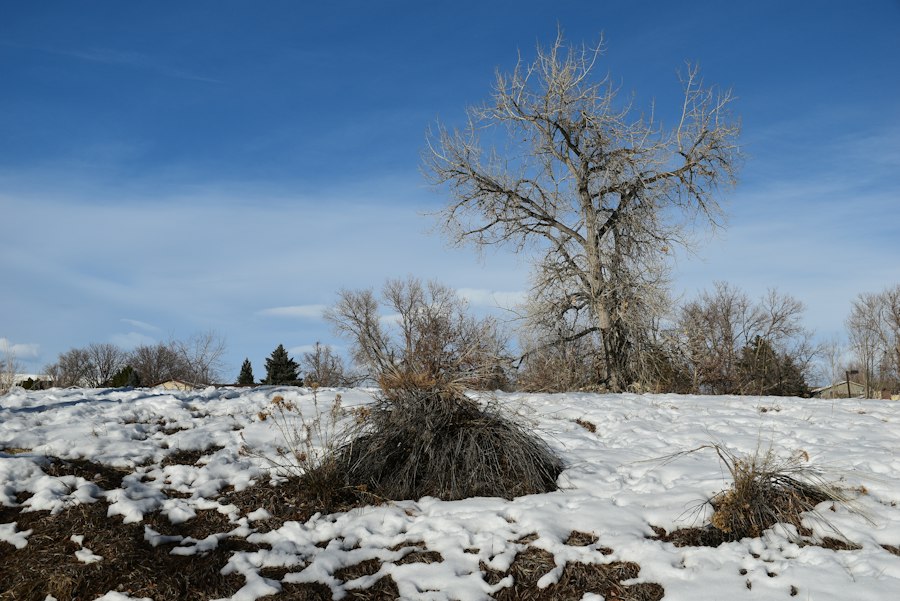
The most significant challenge of a Stone Age winter was the scarcity of readily available fuel. Unlike milder seasons, the frozen landscape offered little in the way of dry, easily accessible wood. The process of securing fuel was a labor-intensive and often dangerous endeavor, requiring careful planning and resourcefulness. Once obtained, the utmost care was taken to conserve every precious piece of fuel, as its depletion could spell disaster.
Locating and Harvesting Scarce Resources
During winter, the primary source of fuel shifted from readily available deadfall to more challenging options. Standing deadwood, trees that had died but remained upright, offered a more reliable, albeit harder to access, supply. These trees, often encased in ice, required considerable effort to fell and break into manageable pieces. Ice-covered branches were also a target, though their moisture content made them less efficient for burning. In forested areas, survivors might venture further than usual, seeking out less-harvested stands of trees. In more open environments, they might resort to collecting dried grasses, reeds, and even animal dung, though these provided less sustained heat and burned more quickly. The process of harvesting was often undertaken by organized groups, with individuals possessing the necessary strength and skill to fell trees and transport the wood back to camp. This required navigating treacherous terrain, exposed to the elements, and often braving the presence of dangerous wildlife. The knowledge of which types of wood burned best – hardwoods for longer, hotter fires, and softwoods for quick ignition – was also crucial in maximizing their efforts.
The Art of Fuel Conservation
Once fuel was secured, its conservation became paramount. Every piece was meticulously managed to extend its use as long as possible. Larger logs were reserved for overnight burning, providing a consistent heat source throughout the long, cold nights. Smaller, drier twigs and kindling were used for starting fires and for short bursts of heat during the day. The fire itself was often banked with ash or covered with large stones to retain heat and embers, allowing for easier relighting in the morning without consuming fresh fuel. Techniques for efficient burning were developed; ensuring good airflow to the fire but not so much that it consumed fuel too rapidly. When cooking, they would often cook multiple items in succession over the same embers, minimizing the need to re-ignite or add significant amounts of fuel. Even the act of breathing was a form of conservation; exhaling into cupped hands could provide a small but noticeable warmth, reducing the energy expenditure of shivering. The understanding that each twig represented a potential for warmth, light, and safety meant that waste was almost entirely eliminated.
Alternative and Supplemental Fuel Sources
While wood was the primary fuel, Stone Age peoples were resourceful and utilized a variety of supplemental sources when wood was scarce. Animal fat, rendered from hunted animals, could be used to prolong the burn of wood or even as a primary fuel source in some instances, though its availability was directly tied to hunting success. The use of animal bones, particularly larger ones, could also contribute to the fire, providing a slow, consistent burn, albeit with less heat than wood. In areas with limited wood, dried grasses, mosses, and even peat could be collected and utilized, though these generally burned quickly and produced more smoke. The discovery of naturally occurring flammable substances, such as pitch from certain trees, could be used to ignite fires more easily or to create more intense flames for specific purposes, such as signaling. The collective knowledge of these varied fuel types and their properties was a vital component of survival, allowing them to adapt to different environmental conditions and resource availability.
Maximizing Fire Efficiency and Heat Retention

Beyond simply having fuel, the effective use of that fuel was a matter of life and death. Techniques were developed to maximize the heat output of each burning log and to retain that precious warmth within their living spaces.
Building and Maintaining an Effective Fire
The construction of the fire itself was a deliberate act. Fires were typically built in hearths, either natural depressions in the ground or carefully constructed stone rings. These hearths served to contain the fire, prevent its spread, and direct the heat upwards and outwards. The arrangement of fuel was crucial: smaller, dry tinder was placed at the bottom, followed by progressively larger pieces of kindling and then fuelwood. Proper airflow was essential; too little air, and the fire would smolder and produce little heat; too much, and it would burn too quickly. The placement of logs to allow for good oxygenation while still radiating heat effectively was a learned skill. When not actively cooking or providing immediate warmth, fires were often banked with ash, which acted as an insulator, slowing down the burning process and preserving the embers. This technique allowed for a fire to be maintained with minimal fuel input, ensuring a source of warmth and light throughout the night.
Innovations in Heat Retention
The rudimentary shelters of the Stone Age were not inherently efficient at retaining heat. Therefore, innovations were developed to maximize the benefit of the fire. In cave dwellings, the fire was often built towards the mouth of the cave, with the back of the cave acting as a natural heat sink. Strategically placed stones around the hearth could absorb heat during the day and radiate it slowly into the living space throughout the night. In more exposed encampments, structures were built to shield the fire from the wind, preventing heat loss. Insulating materials, such as animal hides, packed earth, and even dried grasses, were used to line the walls and floors of shelters, further trapping heat generated by the fire. The practice of huddling together around the fire also played a significant role in conserving body heat, creating a microclimate of warmth within the larger, colder environment. The collective body heat of the group, amplified by the fire, was a crucial factor in preventing hypothermia.
The Importance of Smoke Management
While fire provided warmth and light, its byproduct, smoke, could be a significant problem, especially in enclosed spaces like caves. Smoke inhalation could lead to respiratory problems and discomfort, reducing the quality of life and potentially weakening individuals. Stone Age peoples developed strategies for managing smoke. In caves, they would often position fires near natural drafts or openings to allow smoke to escape. In open-air structures, they might create simple smoke holes in the roof. The careful positioning of the fire within the shelter could also help to direct smoke away from sleeping and gathering areas. They also learned to use the smoke to their advantage, as the smoky environment could help preserve meat and hides, deter insects, and even provide a distinct odor that might deter certain predators. However, the primary goal of smoke management was to create a healthier and more comfortable living environment, allowing the benefits of the fire to be fully realized without the detrimental effects of excessive smoke exposure.
The Social and Cultural Dimensions of Fuel Management
The management of scarce fuel sources was not solely a practical endeavor; it was deeply intertwined with the social and cultural fabric of Stone Age communities. The decisions made regarding fuel procurement, allocation, and use reflected and reinforced social hierarchies, cooperative strategies, and shared beliefs.
Leadership and Decision-Making in Resource Allocation
The responsibility for managing critical resources like fuel often fell to experienced individuals, typically elders or skilled hunters, who possessed a deep understanding of the environment and the needs of the group. These leaders would make crucial decisions about where to seek fuel, how much to gather, and how it would be allocated. The allocation of fuel was rarely entirely equitable; those performing essential tasks, such as sentinels on watch or individuals tending to the sick, might receive a larger share of the fire’s warmth. The practice of saving fuel for the youngest and oldest members of the group also speaks to a nascent sense of social responsibility and care for the vulnerable. Disputes over fuel could arise, and the resolution of these conflicts would rely on established social norms and the authority of the leaders. The very act of the group agreeing on a shared fuel management strategy, even implicitly, demonstrated a level of social organization and cooperation essential for survival.
Cooperative Efforts in Fuel Gathering and Preservation
The arduous task of fuel gathering was almost always a communal effort. Organized hunting parties, for example, might also be tasked with gathering wood on their return to camp. In times of extreme scarcity, the entire able-bodied population might participate in dedicated fuel-gathering expeditions. This cooperative spirit extended to the preservation of fuel. Techniques for drying and storing wood, ensuring it remained accessible and usable throughout the winter, required collective effort. The sharing of knowledge about the best methods for drying wood, preventing rot, and storing it efficiently was a vital aspect of communal survival. This shared responsibility fostered a strong sense of interdependence, reinforcing the idea that the survival of each individual was contingent on the well-being and efforts of the group as a whole. The successful acquisition and management of fuel became a shared victory, a testament to their collective strength and ingenuity.
Ritual and Symbolic Significance of Fire
The fire was more than just a utilitarian tool; it held profound symbolic and ritualistic meaning for Stone Age peoples. It was often associated with the gods, with life, and with the spirits of their ancestors. Rituals and ceremonies were performed around the fire, marking important life events, seeking divine favor, or appeasing spirits. The act of tending to the fire could itself be imbued with spiritual significance, seen as a way of maintaining a connection to the divine or ensuring the continuity of life. The careful selection of specific types of wood for certain rituals, or the symbolic offering of small amounts of fuel to the fire, further highlights its sacred status. The cyclical nature of fire – its birth from tinder, its growth into a roaring blaze, and its eventual reduction to embers – may have also mirrored their understanding of life, death, and rebirth. The constant presence of the fire in their lives, from the mundane act of cooking to the profound rituals of their spiritual beliefs, cemented its central role in their worldview.
In the harsh conditions of a stone age winter, managing scarce fuel sources becomes crucial for survival, as communities must find innovative ways to conserve and utilize their limited resources. An insightful article on this topic can be found in a documentary that explores various suppressed inventions and their potential applications in primitive settings. By examining how early humans adapted to their environment, we can gain a deeper understanding of resource management strategies that are still relevant today. For more information, check out this revealing documentary.
Long-Term Strategies and Intergenerational Knowledge Transfer
| Metric | Description | Typical Value | Impact on Fuel Management |
|---|---|---|---|
| Available Fuel Quantity | Amount of wood, peat, or bone fuel accessible | 10-20 kg per day per group | Limits daily heating and cooking capacity |
| Fuel Burn Rate | Rate at which fuel is consumed for warmth and cooking | 0.5-1.5 kg/hour | Determines how long fuel reserves last |
| Temperature Range | Average winter temperature affecting heating needs | -10°C to 0°C | Colder temps increase fuel consumption |
| Daily Heating Hours | Number of hours fire is maintained for warmth | 8-12 hours | Directly influences total fuel use |
| Fuel Collection Time | Time spent gathering fuel daily | 2-4 hours | Limits time for other survival activities |
| Fuel Efficiency | Effectiveness of fire setup in conserving fuel | 50-70% | Higher efficiency reduces fuel needs |
| Storage Capacity | Amount of fuel that can be stored safely | 50-100 kg | Allows stockpiling for harsh weather |
Survival through a Stone Age winter was not simply a matter of immediate problem-solving; it required foresight, planning, and the effective transfer of knowledge across generations to ensure the long-term viability of the community.
Seasonal Planning and Resource Stockpiling
Even before the first snowflakes began to fall, the wise communities would have been engaged in meticulous planning for the coming winter. This involved assessing their existing stores of food and fuel and developing strategies for replenishing them. During the warmer months, they would have actively harvested and dried wood, storing it in sheltered locations to protect it from moisture. They would also have focused on hunting and gathering activities that would allow for the preservation of food, such as drying meat and fish, or storing root vegetables in cool, dry places. The understanding of natural cycles – the fruiting of trees, the migration patterns of animals, and the availability of different plant resources – was crucial for this seasonal planning. The foresight to stockpile not just food but also a sufficient reserve of fuel was a testament to their advanced understanding of the challenges posed by winter.
The Role of Elders in Passing Down Survival Skills
The elders of the community held invaluable knowledge, accumulated over a lifetime of surviving numerous winters. They were the living repositories of essential survival skills, from identifying edible plants in the snow-covered landscape to understanding the nuances of fire-building and fuel management. It was their role to patiently teach these vital lessons to the younger generations. This intergenerational transfer of knowledge was often informal, taking place during daily activities. Young boys would learn by observing and assisting their fathers and grandfathers in hunting and wood gathering, while young girls would learn about food preparation, fire tending, and shelter maintenance from their mothers and grandmothers. This continuous cycle of learning and teaching ensured that the accumulated wisdom of the community was not lost and that future generations would be equipped to face the same challenges. The very survival of the species depended on this seamless transmission of hard-won knowledge.
Adapting to Unforeseen Circumstances and Learning from Experience
While planning was essential, Stone Age winters were unpredictable. Unseasonably harsh weather, unforeseen animal migrations, or unexpected resource shortages could throw even the best-laid plans into disarray. In such circumstances, the ability to adapt and innovate was critical. Communities that thrived were those that could learn from their experiences, both successes and failures. If a particular fuel source proved to be less effective than anticipated, they would adjust their gathering strategies. If their food stores ran low, they would be more aggressive in their hunting or foraging efforts, even in difficult conditions. This constant process of observation, experimentation, and adaptation allowed them to refine their survival techniques over time, making them more resilient and better prepared for the inevitable challenges that lay ahead. The legacy of successful winter survival was not just about enduring the cold, but about learning, evolving, and passing on the wisdom that made such endurance possible.

➡️Life 20,000 Years Ago | When Strangers Claim Your Winter Shelter 🚨
FAQs
What are the primary fuel sources available during a Stone Age winter?
During a Stone Age winter, the primary fuel sources available include wood from trees, dried animal dung, and plant materials such as grasses and leaves. These materials were often gathered and stored in preparation for the cold months, as they provided essential heat for cooking and warmth.
How did Stone Age people gather and store fuel for winter?
Stone Age people gathered fuel by foraging for fallen branches, cutting down trees, and collecting dried dung from animals. They would store this fuel in sheltered areas to protect it from moisture and snow, ensuring it remained dry and usable throughout the winter months.
What techniques were used to maximize the efficiency of fuel use?
To maximize fuel efficiency, Stone Age people employed techniques such as building efficient fires with proper airflow, using smaller kindling to ignite larger logs, and creating fire pits that retained heat. They also learned to burn specific types of wood that produced more heat and less smoke.
How did the scarcity of fuel sources impact daily life during winter?
The scarcity of fuel sources during winter significantly impacted daily life by limiting cooking options, reducing warmth, and affecting social interactions. Communities had to prioritize their fuel use, often leading to communal gatherings around fires and shared resources to ensure survival.
What strategies did Stone Age communities use to cope with fuel shortages?
Stone Age communities coped with fuel shortages by rationing their fuel supplies, sharing resources among members, and utilizing alternative heat sources such as animal skins for insulation. They also adapted their daily activities to conserve energy and minimize the need for fire.