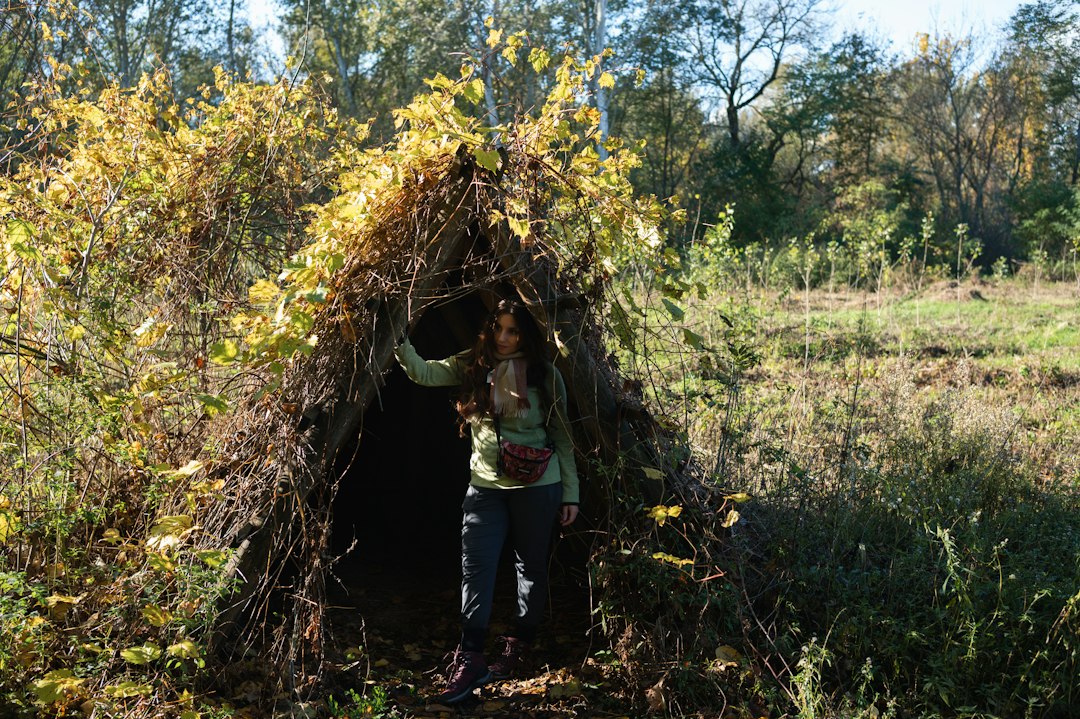
The Genesis of Hearth and Home: Early Humans and the Challenge of Smoke
For our ancient ancestors, the discovery and control of fire marked a pivotal moment in human evolution. Fire provided warmth, light, protection from predators, and the ability to cook food, transforming diets and improving survival rates. However, this life-giving force brought with it an unavoidable byproduct: smoke. In the enclosed spaces of early shelters, such as caves and rudimentary huts, managing this omnipresent haze was not merely a matter of comfort but a fundamental aspect of survival. Without effective smoke management, the benefits of fire could be severely diminished by respiratory ailments, reduced visibility, and the accumulation of soot that rendered living spaces unhealthy and uncomfortable. The ingenuity of Paleolithic peoples in addressing this challenge, though largely unwritten, can be inferred from archaeological evidence and a deep understanding of basic physics and engineering principles. These early techniques laid the groundwork for sophisticated ventilation systems that would evolve over millennia, demonstrating a remarkable capacity for adaptation and problem-solving in the face of environmental constraints.
Managing smoke inside a Paleolithic shelter is crucial for ensuring a safe and comfortable living environment, as excessive smoke can lead to health issues and poor visibility. An insightful article that explores ancient construction techniques and their potential implications for smoke management is available at this link: Puma Punku: The Mystery of Precise Cuts. This article delves into the architectural innovations of ancient cultures, which may provide valuable lessons on how early humans adapted their shelters to optimize airflow and minimize smoke accumulation.
Harnessing Natural Airflow: The Art of Shelter Placement and Design
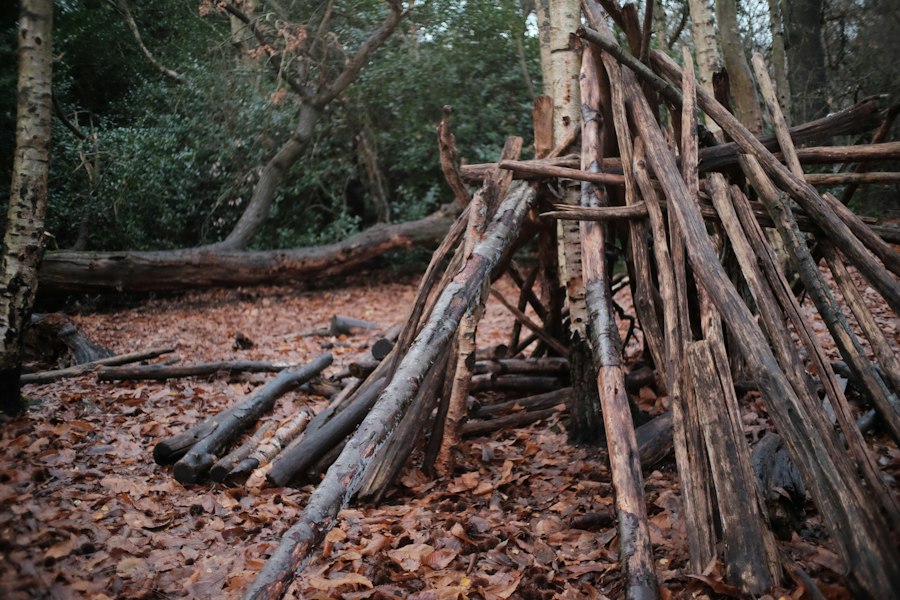
The initial and perhaps most intuitive approach to mitigating smoke in Paleolithic shelters involved careful consideration of the shelter’s location and its inherent architectural features. The natural world offered a palette of forces that could be subtly manipulated to create a more habitable environment. Understanding wind patterns and the natural tendency of smoke to rise became central to their strategies.
Strategic Shelter Selection: Caves and Rock Overhangs
Caves and rock overhangs, ubiquitous in many early human habitats, provided a natural advantage. Their existing structures offered protection from the elements and, crucially, often possessed natural openings that could facilitate airflow. The entrance of a cave, for instance, served as a primary aperture for smoke to escape. However, the effectiveness of this varied greatly depending on the cave’s morphology. Deeper, more complex cave systems with narrow entrances or multiple chambers could trap smoke, making them less ideal for sustained fire use without further intervention. Conversely, shallower overhangs with wide, open fronts offered a more direct path for smoke to dissipate into the atmosphere. The presence of fissures or secondary openings higher up in the cave wall or ceiling could also act as natural vents, drawing smoke upwards and outwards. Early humans likely observed these natural phenomena, favoring sites that offered inherent ventilation properties, or adapting their use of fire to the specific airflow characteristics of their chosen dwelling. The placement of the hearth within the cave was also critical. Locating it closer to the entrance, while potentially sacrificing some depth of shelter, would have maximized the natural draft created by the opening.
Wind’s Whisper: Exploiting Prevailing Breezes
The understanding of prevailing winds was a subtle but crucial element in smoke management. While direct evidence is scarce, it is highly probable that early humans observed how the direction and strength of the wind influenced smoke dispersal. They might have positioned their shelters to take advantage of prevailing breezes that would carry smoke away from the entrance. In open-sided shelters or simple lean-tos, this would have been a direct and conscious effort. For instance, a shelter facing into the prevailing wind might have been less effective than one positioned to allow the wind to flow through it, carrying smoke out. Even within caves, the subtle eddies and currents created by external winds could be exploited. A hearth placed strategically within a cave, in relation to its entrance and any secondary openings, could be positioned to benefit from these induced airflows. For example, if a consistent breeze blew towards the cave entrance, placing the hearth closer to the rear and allowing smoke to drift towards the opening would be a natural solution.
Material Selection and Structural Modifications
While the primary structures were often natural, early humans also employed available materials to subtly influence airflow and smoke behavior. The construction of rudimentary walls or windbreaks, using branches, animal hides, or stones, could be designed not only for protection but also to channel air and smoke. These additions, though likely simple, could have been strategically placed to direct smoke towards the most efficient exit points. For example, a low wall erected near the hearth could help direct smoke upwards towards an opening, preventing it from spreading horizontally into the living space. Similarly, the arrangement of burning materials might have been adapted. While a roaring fire might produce more smoke, a more controlled burn, perhaps with carefully selected fuel, could have been a conscious effort to reduce the smoky output. The use of less smoky fuels, such as dry, seasoned wood, or even certain types of animal dung, might have been learned through observation and trial-and-error.
The Hearth: The Center of Controlled Combustion
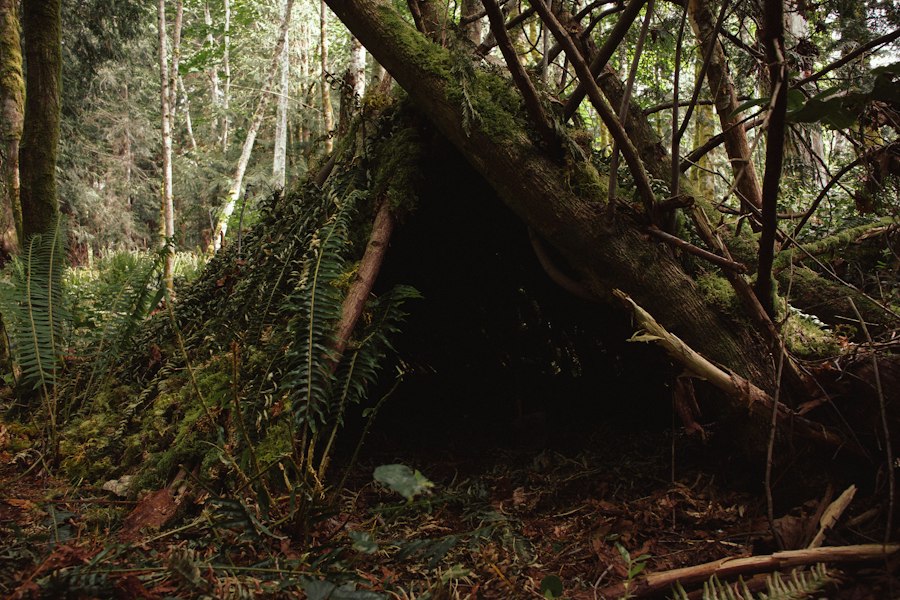
The hearth itself, the heart of the Paleolithic dwelling, was not simply a passive collection of burning fuel but an active element in the management of smoke. Its design, location, and the way fire was maintained within it all played a role in controlling the output and dispersal of smoke.
Hearth Placement: Optimizing Drafts
The precise placement of the hearth within the shelter was paramount. As mentioned, proximity to an entrance or natural opening was a primary consideration. However, even within a well-ventilated space, the exact location mattered. A hearth positioned too close to a wall could lead to smoke buildup on that surface, while one too far from an exit could trap it. Archaeologists often find hearths situated in central or slightly off-center positions, suggesting a deliberate attempt to balance heat distribution with smoke dispersal. In some open-sided shelters, the hearth might have been placed towards the rear, allowing the wind to flow over it and out, or positioned to the side, creating a sheltered zone while still allowing smoke to escape. The depth of the shelter and the presence of multiple openings would have dictated the optimal hearth placement, a decision likely refined through generations of experience.
Hearth Design: Containing and Directing Smoke
While elaborate fireplaces are a later development, early hearths likely possessed some basic structural elements designed to contain the fire and influence smoke flow. These could have included simple stone rings or raised platforms. A ring of stones, for instance, would not only help contain the embers but could also create a slight updraft by concentrating the heat at the base. A raised platform might have served to elevate the fire slightly, promoting better airflow around the burning fuel. In caves, the natural contours of the rock could have been utilized to create rudimentary enclosures. Some evidence suggests that hearths might have been built in slight depressions, which could have helped to concentrate heat and smoke upwards. The absence of elaborate chimneys meant that the primary direction of smoke escape was horizontal or directly upwards. Therefore, any design that encouraged this upward movement was beneficial.
Fuel Management: The Art of the Smolder
The type of fuel used and how it was managed directly impacted the volume and density of smoke produced. Early humans would have had access to a variety of combustible materials, including dry wood, twigs, leaves, animal dung, and possibly even peat. Understanding which materials burned most cleanly and efficiently would have been a valuable skill. Dry, seasoned wood, for example, produces less smoke than green or damp wood. The way the fuel was arranged also mattered. A densely packed fire might smolder and produce more smoke, while a more open arrangement with good airflow could lead to a cleaner burn. It is plausible that early humans learned to create a “controlled burn” by carefully selecting and layering their fuel, perhaps by adding smaller, drier twigs to a more established ember bed to encourage a consistent, less smoky flame. The practice of “banking” embers overnight, by covering them with ash or earth, was likely developed not only to preserve the fire but also to minimize smoke released during the resting period.
Beyond Passive Ventilation: Early Smoke Management Innovations
As our ancestors gained a deeper understanding of fire and its effects, they began to develop more active strategies for smoke control. These innovations, though rudimentary by modern standards, demonstrate a remarkable level of observational skill and problem-solving.
The “Smoke Hole” Concept: Intentional Openings
The most significant active innovation was the creation of intentional openings specifically designed for smoke to escape. In shelters that lacked natural vents, such as more enclosed caves or constructed huts, the creation of a dedicated “smoke hole” would have been a crucial development. This could have involved chipping away at rock ceilings or weaving openings into the roof of a thatched structure. The size and placement of these holes would have been critical. A hole too small would be ineffective, while one too large might compromise the shelter’s insulation. The location would likely be directly above or near the hearth to maximize the updraft. The development of more sophisticated roof structures in later periods, such as conical or domed roofs on huts, often featured a central opening that served precisely this purpose. This evolution from natural vents to deliberately constructed smoke outlets represents a clear step towards engineered ventilation.
Chimney Precursors: Guiding Smoke Upwards
While true chimneys are a much later invention, early humans may have experimented with rudimentary methods of guiding smoke upwards. This could have involved the use of natural elements or simple constructions. For instance, arranging large stones or branches around the hearth to create a partial enclosure that funneled smoke towards the opening could have been an early precursor. In some shelters, the natural slope of the ceiling might have been exploited. If the ceiling sloped upwards and outwards towards an opening, it could have served to direct smoke naturally. Evidence of soot patterns on cave ceilings can sometimes indicate the direction of smoke flow, suggesting deliberate attempts to guide it. It is also possible that they used hollowed logs or large animal bones as primitive flues, although direct archaeological evidence for this is rare. The key principle would have been to create a confined channel that encouraged the smoke to rise rather than spread horizontally.
The Role of Periodic Burning and Ventilation Cycles
Another likely strategy was the conscious use of periodic burning and ventilation cycles. Instead of maintaining a continuous fire, especially during periods of less intense need for warmth or cooking, early humans might have allowed fires to burn down and then opened up the shelter to air it out. This would have allowed smoke to dissipate without the constant presence of a smoldering hearth. Furthermore, when a fire was actively being used, they might have employed a strategy of “stoking and airing.” This could involve periodically opening the shelter during active burning to allow accumulated smoke to escape, before closing it again for warmth and protection. This cyclical approach would have balanced the need for fire with the imperative to maintain a breathable environment. This implies a sophisticated understanding of air exchange and the ability to anticipate when ventilation was most needed.
Managing smoke inside a Paleolithic shelter is a crucial aspect of ensuring the health and safety of its inhabitants, as improper ventilation can lead to dangerous smoke buildup. For those interested in exploring historical living conditions and their challenges, a fascinating article can be found that delves into various aspects of ancient life. You can read more about it in this insightful piece on the complexities of historical environments at this link. Understanding how early humans dealt with smoke can provide valuable lessons for modern practices in similar settings.
Long-Term Impacts and the Legacy of Smoke Management
| Metric | Description | Typical Value / Range | Impact on Shelter Environment |
|---|---|---|---|
| Smoke Ventilation Rate | Volume of smoke expelled per hour through openings | 5-15 cubic meters/hour | Reduces smoke accumulation, improves air quality |
| Fire Pit Placement | Distance of fire pit from shelter walls and openings | 1-2 meters from walls, near roof vent | Minimizes smoke buildup inside, directs smoke out |
| Opening Size | Size of smoke holes or gaps in shelter roof/walls | 0.3-0.6 meters diameter | Allows smoke to escape while limiting cold air entry |
| Smoke Density Inside Shelter | Concentration of smoke particles in air (PM2.5) | 50-150 µg/m³ during fire use | Higher values cause discomfort and health risks |
| Duration of Fire Use | Time fire is maintained inside shelter per day | 2-6 hours | Longer duration increases smoke exposure |
| Airflow Direction | Pattern of air movement inside shelter | From openings near floor to roof vent | Helps carry smoke upwards and out |
The continuous effort to manage smoke within shelters had profound and lasting impacts on the health, social structures, and technological development of Paleolithic societies. The lessons learned in these early dwellings laid the foundation for more advanced architectural and engineering solutions that would emerge in later periods.
Health and Well-being: Breathing Easier
The most immediate and significant impact of effective smoke management was on the health and well-being of the inhabitants. Prolonged exposure to smoke, particularly in poorly ventilated spaces, can lead to respiratory problems, eye irritation, and increased susceptibility to infections. By developing techniques to reduce smoke accumulation, early humans would have significantly improved their quality of life. This would have meant fewer sick days, better overall health, and a greater capacity for survival. Children and the elderly, who are often more vulnerable to respiratory ailments, would have particularly benefited from these efforts. The reduction in indoor air pollution would have contributed to longer lifespans and a more robust population. This seemingly simple act of managing smoke was, in essence, an early form of public health intervention.
Social and Cultural Adaptations: The Hearth as the Center
The hearth, and by extension the management of its smoke, played a central role in the social and cultural life of Paleolithic communities. The hearth was the focal point of the dwelling, a place for warmth, cooking, storytelling, and social interaction. The ability to maintain a relatively smoke-free environment around the hearth would have made these communal activities more enjoyable and sustainable. The challenges and solutions related to smoke management likely fostered cooperation and the transmission of knowledge within groups. Elders, who possessed the accumulated wisdom of generations, would have passed down the techniques for effective fire use and smoke control to younger generations. The shared experience of living with and managing fire would have further strengthened social bonds and contributed to a sense of shared identity.
Technological Evolution: Paving the Way for Future Innovations
The innovations in smoke management developed during the Paleolithic period were not isolated incidents but the foundational steps in a long evolutionary trajectory of architectural and engineering advancements. The concept of a dedicated “smoke hole” directly influenced the development of later chimneys. The understanding of natural airflow and draft principles informed the design of more complex ventilation systems. The techniques for containing and directing fire within a hearth foreshadowed the development of more elaborate fire pits and eventually stoves. These early solutions, born out of necessity and ingenuity, demonstrated an innate human drive to understand and manipulate their environment for improved living conditions. The legacy of these early smoke managers can be seen in every building with a ventilation system, a testament to the enduring impact of their practical wisdom. From the simple cave dwelling to the modern metropolis, the challenge of breathing easy in spaces where fire is present continues, and its solutions are rooted in the foundational principles first explored by our Paleolithic ancestors.

Life 20,000 Years Ago: How Humans Survived the Ice Age
FAQs
1. Can smoke from a fire inside a paleolithic shelter be harmful to humans?
Yes, smoke from a fire inside a paleolithic shelter can be harmful to humans if inhaled in large quantities. It can cause respiratory issues and irritation to the eyes.
2. How did paleolithic people manage smoke inside their shelters?
Paleolithic people managed smoke inside their shelters by using natural ventilation methods such as creating a small opening in the roof or walls to allow the smoke to escape. They also utilized wind direction to help disperse the smoke.
3. What materials were commonly used to control smoke inside paleolithic shelters?
Common materials used to control smoke inside paleolithic shelters included animal hides, branches, and mud. These materials were used to create barriers or channels to direct the smoke away from living areas.
4. Why was it important for paleolithic people to manage smoke inside their shelters?
It was important for paleolithic people to manage smoke inside their shelters to maintain a safe and healthy living environment. Excessive smoke inhalation can lead to health issues and discomfort for the inhabitants.
5. Did paleolithic people have knowledge of the dangers of smoke inhalation?
While paleolithic people may not have had a scientific understanding of the dangers of smoke inhalation, they likely learned through experience that excessive smoke exposure could be harmful. This knowledge would have led them to develop methods to control and manage smoke inside their shelters.