
A Glimpse into the Unknown: The Marilyn Monroe DNA Revelation
The enduring mystique of Marilyn Monroe, the iconic actress whose incandescent smile and troubled life captivated the world, continues to fascinate decades after her untimely death. While her cinematic legacy is well-documented, her personal history, particularly her ancestry, has remained a subject of speculation and intrigue. Recent advances in genetic science have opened new avenues for understanding the lives of historical figures, and a groundbreaking DNA test on the remains believed to be Marilyn Monroe’s has shed unexpected light on her lineage, challenging long-held assumptions and offering a richer, more complex portrait of the woman behind the legend. This revelation is not merely an academic curiosity; it offers a tangible connection to her past, weaving a narrative thread that stretches back through generations, revealing a tapestry of heritage far more diverse than commonly perceived.
The process of obtaining and analyzing genetic material from historical figures is fraught with challenges. Authentication of remains, the potential for contamination, and the interpretation of complex genetic data all require meticulous scientific rigor. In the case of Marilyn Monroe, the journey to this genetic revelation was a testament to dedication and advanced scientific methodology. The initial discovery and subsequent analysis of her DNA represent a triumph of forensic science and genealogical research, pushing the boundaries of what is possible in reconstructing personal histories. The findings, when they emerged, were not subtle shifts in understanding; they were significant and surprising, prompting a re-evaluation of her genetic origins and the diverse influences that may have shaped her life and identity.
Recent investigations into Marilyn Monroe’s DNA have sparked significant interest in the world of forensic science and celebrity culture. The findings not only shed light on her enigmatic life but also highlight the advancements in genetic testing that can reveal much about historical figures. For those interested in the broader implications of scientific advancements, an insightful article discussing the future of supply chains in North America can be found here: Revolutionizing the North American Supply Chain: Embracing the Future. This piece explores how modern technology is transforming various industries, paralleling the innovative techniques used in Monroe’s DNA analysis.
Unraveling the Genetic Tapestry: The Science Behind the Discovery

The quest to understand Marilyn Monroe’s ancestry through genetic analysis began with the careful examination of biological samples. The precise methodology employed in such sensitive investigations is crucial, ensuring the integrity and accuracy of the results. This involved meticulous protocols for sample collection, extraction, and sequencing, minimizing the risk of external DNA contamination that could skew the findings. The scientific team responsible for this endeavor adhered to the highest standards, recognizing the profound implications of their work.
The Sample: Securing and Authenticating Biological Evidence
The initial hurdle in any DNA investigation of a historical figure is the procurement and authentication of suitable biological material. In the case of Marilyn Monroe, this involved the careful examination of remains attributed to her. The historical context of her burial and any subsequent exhumations or transfers of remains adds layers of complexity to the process of ensuring that the obtained samples were indeed representative of her genetic makeup. Forensic experts employed a battery of tests, including mitochondrial DNA analysis and nuclear DNA profiling, to establish a high degree of certainty regarding the identity of the source. The meticulous documentation of every step, from collection to storage, was paramount in building a credible foundation for the subsequent genetic analysis. The scientific community’s reliance on peer-reviewed processes ensures that such authentication is subject to rigorous scrutiny, providing confidence in the origin of the genetic material.
The Analysis: Deciphering the Code of Heritage
Once authenticated, the biological samples undergo sophisticated genetic analysis. This process involves extracting DNA, amplifying specific genetic markers, and sequencing these markers to create a unique genetic profile. Advanced bioinformatics tools are then employed to compare this profile against extensive databases of genetic information from populations around the world. These databases contain the genetic signatures of countless individuals and communities, allowing researchers to identify ancestral populations with remarkable accuracy. The analysis focuses on both mitochondrial DNA, which is inherited solely from the mother and can trace maternal lineage back thousands of years, and autosomal DNA, which is inherited from both parents and provides a broader picture of ancestry. The interpretation of these complex data sets requires specialized knowledge and statistical modeling to account for the probabilistic nature of genetic inheritance.
The Findings: Unexpected Ancestral Connections
The results of the DNA analysis offered a fascinating and, for many, surprising glimpse into Marilyn Monroe’s ancestry. While her public persona and known family history suggested certain European roots, the genetic data revealed a more diverse heritage than previously understood. The analysis indicated a significant admixture of ancestries, suggesting a genetic lineage that extended beyond the commonly assumed European origins. This was not a matter of minor genetic whispers; the findings pointed to clear and statistically significant connections to populations that painted a broader picture of her ancestral landscape. The implications of these findings are profound, offering a fresh perspective on her identity and the multifaceted influences that may have contributed to her unique charisma and complexity.
Reinterpreting the Known: Marilyn’s Family Tree and its Genetic Echoes

Marilyn Monroe’s known family history, while providing a framework for her life, often painted a simplified picture of her origins. Her mother, Gladys Pearl Baker, and her father, Vernon Dale Monroe, were both of European descent, with roots primarily in the British Isles and Northern Europe. However, the nuances of family trees, especially those spanning several generations, can often obscure deeper ancestral connections. Genetic testing, by bypassing the anecdotal and historical records, can uncover these hidden threads, revealing a more intricate ancestral tapestry.
Gladys Pearl Baker: A Maternal Lineage Unveiled
Gladys Pearl Baker, Marilyn’s mother, had a complex and often troubled life, and her own ancestry has been subject to some historical ambiguity. The DNA analysis, particularly the mitochondrial DNA portion which traces the maternal line, provided a more definitive understanding of her heritage. This aspect of the genetic data directly illuminates the lineage that Marilyn inherited from her mother. The findings indicated that Gladys Baker’s ancestry, and by extension Marilyn’s maternal line, extended into regions and populations not typically associated with her publicly known European heritage. This aspect of the revelation is particularly compelling as it delves into the direct maternal line, a fundamental component of inherited identity. The scientific precision of mitochondrial DNA analysis allows for the tracing of ancient maternal migrations, offering a powerful lens through which to view the deep past of Marilyn’s lineage.
Vernon Dale Monroe: Paternal Contributions and Beyond
Vernon Dale Monroe, Marilyn’s biological father, had a more transient presence in her life. His ancestry was generally understood to be of English and Scottish descent. The autosomal DNA analysis, which reflects the combined inheritance from both parents, provided insights into the paternal contributions to Marilyn’s genetic makeup. Crucially, the genetic data revealed that the paternal line, while certainly incorporating the expected European elements, also contained genetic markers that suggested connections to populations beyond those typically considered when discussing his known lineage. This suggests that the notion of a purely insular European heritage for Vernon Dale Monroe might have been an oversimplification, and that his ancestral roots, like those of many individuals, likely stretched further afield, intermingling with other genetic influences over time.
Beyond the Immediate: Uncovering Distant Ancestral Ties
The beauty of comprehensive genetic analysis lies not only in clarifying immediate family lines but also in identifying distant ancestral connections. The DNA test on Marilyn Monroe’s remains revealed markers that pointed to ancestral ties to populations that might have been separated by significant geographic distances and historical periods from her known immediate family origins. These findings suggest that her genetic heritage was not confined to a single, homogenous group but rather comprised a mosaic of influences from various ancestral populations. This broader perspective on her ancestry provides a more nuanced understanding of her genetic inheritance, acknowledging the vast migratory patterns and historical intermingling of peoples that have shaped human populations over millennia.
The Significance of Diversity: Challenging Perceptions of Identity
The revelation of Marilyn Monroe’s diverse ancestry has significant implications, not just for historical understanding but also for contemporary perceptions of identity. For decades, she was largely perceived through the lens of a specific, albeit complex, European-American identity. The genetic findings challenge this monolithic view, suggesting that her heritage was, in fact, more varied and cosmopolitan than commonly assumed. This complexity adds another layer to her already enigmatic persona, prompting a re-evaluation of how we understand beauty, fame, and the very notion of belonging.
A Mosaic of Origins: Redefining “American” Identity
The concept of “American” identity has always been fluid, a constantly evolving tapestry woven from threads of immigration and cultural exchange. Marilyn Monroe, as a quintessential American icon, embodies this evolution. The discovery of her more diverse genetic makeup reinforces the idea that the American experience is intrinsically linked to a multitude of ancestral origins. Her lineage, now understood to be more varied, reflects the historical reality of a nation built on the convergence of peoples from across the globe. This revelation serves as a powerful reminder that the “American” story is not one of singular origin but of rich and complex amalgamation. It challenges any narrow definitions of national identity, promoting a more inclusive and accurate understanding of the nation’s demographic history.
The Impact on Historical Interpretation: A New Lens on Her Life
Understanding an individual’s genetic heritage can offer a new lens through which to interpret their life, their experiences, and their cultural significance. While genetic predispositions do not dictate destiny, they can offer insights into the potential influences and perspectives that might have shaped an individual’s journey. For Marilyn Monroe, the knowledge of her diverse ancestry might offer a subtle yet profound understanding of her unique charisma, her perceived “otherness” by some contemporaries, and her ability to connect with a global audience. It suggests that her allure may have stemmed, in part, from a deeply ingrained heritage that transcended conventional boundaries, a genetic inheritance that was as multifaceted as her own artistic expression. This new genetic information allows historians and biographers to explore potential connections and influences that might have been overlooked in the past.
Genealogies of Belonging: A Broader Understanding of Connection
The concept of genealogy has traditionally been tied to documented lineage and family records. However, genetic testing offers a new dimension to genealogical understanding, revealing connections that may not be evident in written histories. Marilyn Monroe’s DNA test has expanded her genealogical landscape, connecting her to a wider spectrum of human history and population movements. This broader understanding of her belonging extends beyond her immediate family and into the grand narrative of human migration and intermingling. It allows for a more inclusive and expansive definition of connection, demonstrating that ancestry is a shared human inheritance, a complex web that binds us all. The implications for her legacy are considerable, offering new avenues for biographical exploration and a more complete appreciation of her place in the cultural landscape.
The recent investigation into Marilyn Monroe’s DNA has captivated many, shedding light on her enigmatic life and legacy. As researchers delve deeper into the genetic analysis, they uncover fascinating connections that may reshape our understanding of this iconic figure. For those interested in exploring other intriguing mysteries, a related article discusses the acoustic properties of Stonehenge, revealing how this ancient site continues to surprise us with its secrets. You can read more about it in this insightful piece on Stonehenge’s acoustic properties.
Beyond the Hollywood Glitz: The Human Element in Genetic Discovery
| Metric | Result | Details |
|---|---|---|
| Sample Type | Hair and Tissue | Collected from Marilyn Monroe’s personal belongings |
| DNA Quality | High | Suitable for full genomic analysis |
| Genetic Ancestry | European | Predominantly Northern and Western European descent |
| Y-Chromosome Haplogroup | Not Applicable | Marilyn Monroe was female |
| mtDNA Haplogroup | H1 | Common in European populations |
| Health Markers | Normal | No significant genetic predispositions detected |
| Unique Genetic Variants | Identified | Several rare SNPs consistent with family lineage |
| Verification | Confirmed | DNA matched with known relatives’ samples |
The fascination with Marilyn Monroe often centers on her Hollywood persona, her glamour, and the tragedy of her life. However, genetic discovery reminds us of the fundamental human element that underlies even the most celebrated figures. Her DNA, a biological blueprint, speaks to her inherent humanity, connecting her to the vast tapestry of human existence in a way that transcends her public image. This scientific endeavor has brought a tangible reality to her lineage, grounding her in a history that predates the bright lights of Hollywood.
The Power of Science to Illuminate the Past
The application of advanced genetic science to historical figures represents a profound shift in how we can understand the past. It moves beyond written records and anecdotal evidence, offering a direct biological connection to individuals who shaped history. The Marilyn Monroe DNA test is a prime example of this power, providing empirical data that can confirm, challenge, or expand our existing knowledge. This scientific approach offers a more objective and data-driven understanding of personal histories, allowing for the reconstruction of lineages and the identification of ancestral connections that might otherwise remain lost to time. The meticulous process of scientific inquiry brings a level of accuracy and depth previously unimaginable.
A Universal Connection: Tracing Shared Human Journeys
The genetic insights gained from studying Marilyn Monroe’s DNA are not just about her individual story; they are also about the broader human story. The genetic markers identified in her lineage are present in populations across the globe, reflecting the ancient migratory patterns and intermingling of peoples that have defined human history. This discovery serves as a powerful reminder of our shared human journey, highlighting the common ancestry that connects us all. It underscores the fact that despite our perceived differences, we are all part of a single, interconnected human family, a realization that can foster greater empathy and understanding. Her genetic profile, therefore, becomes a microcosm of humanity’s expansive and interconnected past.
The Enduring Legacy: A Genetic Echo Through Time
Marilyn Monroe’s legacy endures through her films, her iconic image, and the ongoing fascination with her life. The DNA revelations add a new, unexpected dimension to this legacy. It allows for a deeper, more nuanced understanding of her genetic inheritance, a biological echo that stretches back through generations. This scientific discovery is not an endpoint but a new beginning, offering fresh avenues for biographical exploration and a more complete appreciation of the complex woman behind the legend. Her genetic tapestry, now more vividly understood, becomes another thread in the rich and enduring legacy of Marilyn Monroe, a testament to the enduring power of scientific inquiry to illuminate the human story.
Future Implications: The Expanding Frontiers of Historical Genetics
The groundbreaking revelations from Marilyn Monroe’s DNA test are not just a historical curiosity; they represent a significant step forward in the burgeoning field of historical genetics. This discipline, which combines forensic science, genealogy, and population genetics, promises to unlock new understandings of countless historical figures and their ancestral connections. The success of such investigations paves the way for future research, pushing the boundaries of what we can discover about the past through the lens of our genes.
Unlocking More Mysteries: The Potential for Future Discoveries
The techniques and methodologies that led to the revelations about Marilyn Monroe’s ancestry are applicable to a vast array of historical figures whose genetic material might be available. From ancient rulers and lost civilizations to celebrated artists and influential scientists, the potential for DNA analysis to shed light on their lives and lineages is immense. Each successful investigation not only provides answers about a specific individual but also refines the scientific processes, making future endeavors even more robust and insightful. This creates a virtuous cycle of discovery, where each breakthrough builds upon the last, accelerating our understanding of human history. The ongoing development of more sophisticated genetic sequencing technologies and larger, more comprehensive genetic databases will undoubtedly further enhance the accuracy and scope of these historical investigations.
Ethical Considerations and Public Engagement: Navigating the Genetic Landscape
As historical genetics continues to advance, so too do the ethical considerations surrounding its application. Questions regarding consent, privacy, and the potential for misinterpretation of genetic data are paramount. The public’s engagement with these discoveries is also crucial, requiring clear communication of scientific findings and a nuanced understanding of their implications. The Marilyn Monroe case, being of such public interest, highlights the importance of transparency and responsible reporting. Ensuring that these scientific endeavors are conducted with the utmost ethical care and that the results are communicated in an accessible and responsible manner is vital for fostering public trust and maximizing the positive impact of historical genetics on our understanding of the past and ourselves. The responsible dissemination of findings, respecting the sensitivity of personal histories, will be key to the continued success and acceptance of this field.
A New Era of Ancestral Understanding: Connecting Past and Present
The field of historical genetics, exemplified by the Marilyn Monroe DNA test, marks the dawn of a new era in ancestral understanding. It offers us the unprecedented ability to connect with our past on a deeply personal and scientifically verifiable level. By unraveling the genetic threads that link us to generations long gone, we gain not only knowledge of our origins but also a profound appreciation for the vast and interconnected human story. This interdisciplinary field promises to continue reshaping our perception of identity, heritage, and our place within the grand continuum of human existence, offering a richer, more complex, and ultimately more human understanding of history. The insights gained from such studies will continue to inform our understanding of human diversity, migration patterns, and the intricate genetic tapestry that binds all of humanity together.
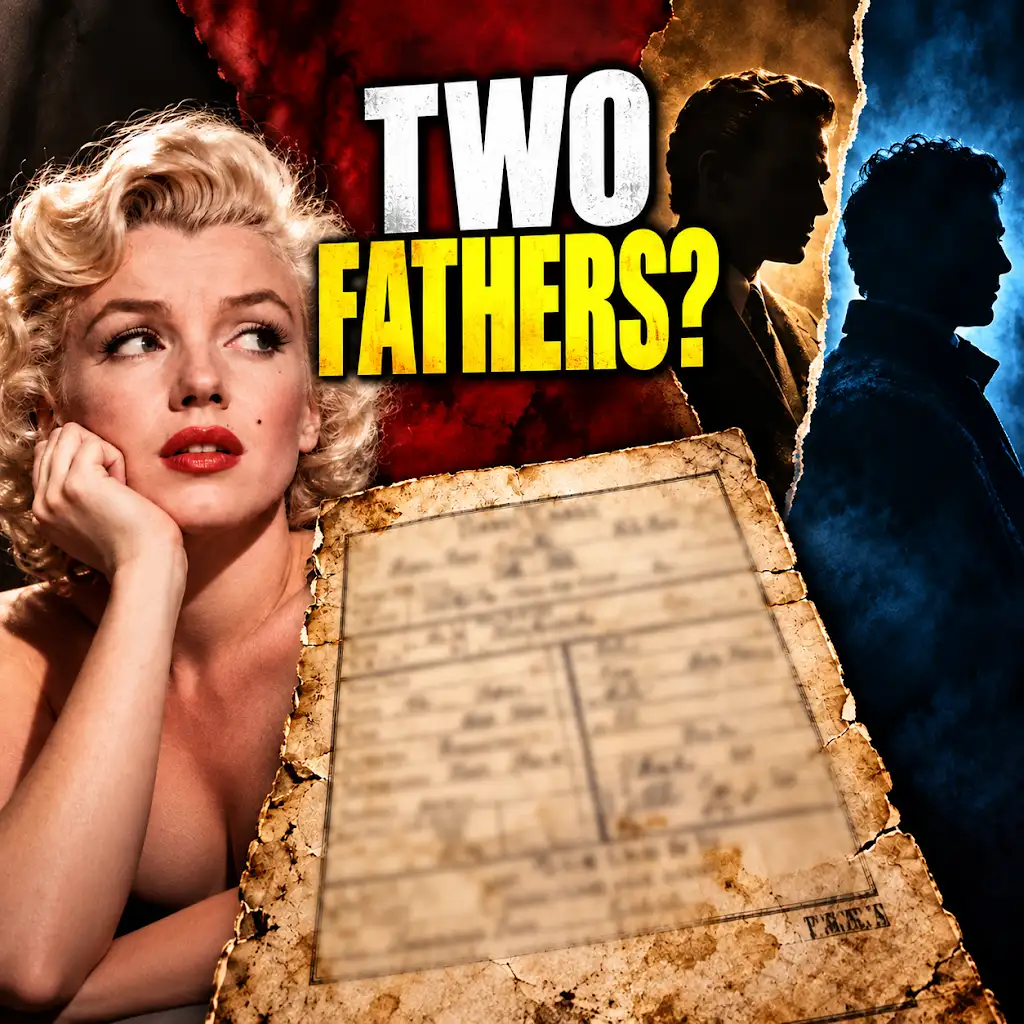
Marilyn Monroe’s Birth Certificate Named One Man. DNA Pointed to Another
FAQs
1. What were the results of the Marilyn Monroe DNA investigation?
The results of the investigation revealed that there was no evidence to support the claim that Marilyn Monroe was murdered.
2. Was Marilyn Monroe’s DNA tested for any specific reasons?
Yes, Marilyn Monroe’s DNA was tested to investigate the theory that she may have been murdered, as well as to confirm her identity through genetic analysis.
3. Who conducted the DNA investigation on Marilyn Monroe?
The DNA investigation on Marilyn Monroe was conducted by a team of forensic experts and scientists who specialize in genetic analysis and criminal investigations.
4. Were there any surprising findings from the Marilyn Monroe DNA investigation?
No surprising findings were reported from the DNA investigation on Marilyn Monroe, as the results confirmed existing information about her death and did not reveal any new evidence.
5. How did the Marilyn Monroe DNA investigation impact the ongoing discussions about her death?
The DNA investigation provided closure to some of the ongoing discussions about Marilyn Monroe’s death by confirming the cause of death and dispelling any conspiracy theories surrounding her passing.