
Marilyn Monroe, a name synonymous with Hollywood glamour and enduring mystique, often presented herself to the world as a woman forged in a vacuum of personal history, a self-made icon. Yet, behind the shimmering facade of the blonde bombshell lay a complex and often painful family narrative, one that profoundly shaped the woman she became and continues to resonate through her enduring legacy. Unveiling these private histories is not merely an exercise in biographical excavation; it is a crucial step in understanding the vulnerability, the resilience, and the raw talent that made Marilyn an unforgettable figure. Her story, from her tumultuous childhood to her final years, is interwoven with the threads of family, or the lack thereof, and the impact of these connections, or disconnections, on her public and private lives.
The Shadow of an Absent Father and a Troubled Mother
Marilyn Monroe’s journey began under the weight of significant familial absence and maternal instability. Born Norma Jeane Mortenson on June 1, 1926, in Los Angeles, she knew little of her biological father, Gladys Pearl Baker’s second husband, Stanley Gifford. Gifford was a film lab employee who reportedly left Gladys before Norma Jeane was born and played no role in her upbringing. This paternal void would cast a long shadow, contributing to Norma Jeane’s lifelong search for male validation and a stable sense of belonging. Her mother, Gladys, a woman described as beautiful but emotionally fragile, struggled with mental health issues, including chronic depression and what was later diagnosed as paranoid schizophrenia. Gladys’s instability meant that Norma Jeane’s early years were marked by a series of foster homes and the constant threat of separation.
Early Years in the Foster Care System
Gladys Baker’s inability to consistently care for her daughter led to Norma Jeane’s immersion in the California foster care system. From infancy, she was passed from one temporary guardian to another, experiencing a bewildering array of households, rules, and emotional environments. These early years, devoid of consistent parental love and stability, instilled a deep sense of insecurity and a fear of abandonment. Each move represented a loss, a severing of nascent bonds, and a reinforcement of the idea that she was not worthy of permanent attachment. The transient nature of her childhood left an indelible mark, contributing to her later struggles with forming lasting relationships and her persistent feelings of being an outsider. The lack of a secure base in her formative years would fuel a desperate need for love and acceptance, often manifesting in her public persona and her relationships.
The Lingering Impact of a Mentally Ill Mother
Gladys Baker’s mental illness was not a distant, abstract concept; it was a tangible and often terrifying reality for young Norma Jeane. There were periods of relative calm, where she might have experienced glimpses of a more conventional mother-daughter relationship, but these were invariably punctuated by episodes of severe distress. Gladys’s hospitalizations meant prolonged separations, leaving Norma Jeane to grapple with her mother’s absence and the fear of her return, or worse, her permanent withdrawal. The emotional volatility of her mother, the unpredictable moods, and the periods of disorientation undoubtedly contributed to Norma Jeane’s own emotional fragility and her deep-seated anxieties. She learned early on to be hyper-vigilant, to anticipate and appease, a trait that would later be misconstrued as mere co-dependency in her adult relationships. The burden of caring for her mother, even indirectly, during certain periods, also forced a premature maturity upon her.
Marilyn Monroe’s private family history has long been a subject of intrigue, revealing layers of complexity behind her glamorous public persona. For those interested in exploring the intersection of historical documents and personal narratives, a fascinating article titled “Uncovering the Source Documents of the Piri Reis Map” delves into the significance of historical records in understanding cultural legacies. This article can provide valuable insights into how documents shape our understanding of influential figures, much like Monroe’s own family history. To read more about this intriguing topic, visit here.
Navigating Identity: From Norma Jeane to Marilyn Monroe
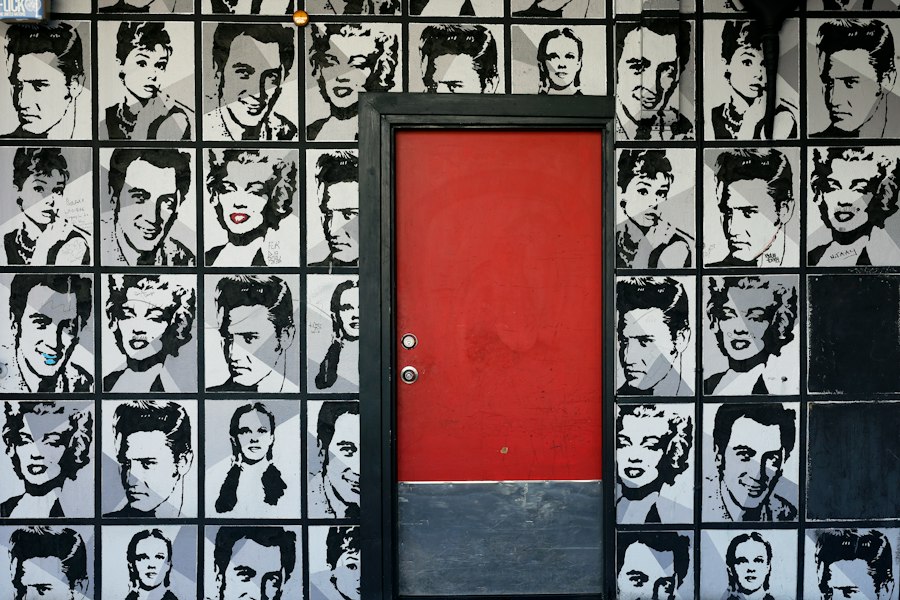
The journey from Norma Jeane Mortenson to Marilyn Monroe was a deliberate and transformative process, a conscious effort to shed the painful memories of her past and construct a new identity. This metamorphosis was driven by a potent combination of ambition, a desire for escape, and a profound yearning to be seen and loved. The creation of Marilyn was not just a career move; it was a desperate act of self-invention, a shield against the perceived flaws and insecurities that plagued Norma Jeane. Her early experiences shaped her desire for control over her own narrative, a control she felt had been brutally denied her in childhood.
The Influence of Foster Parents and Guardians
While her early childhood was fragmented, certain individuals within the foster care system left a lasting impression. Anna and Irvine Goddard, who provided a more stable home for Norma Jeane for a significant period, offered her a semblance of normalcy and encouraged her interest in reading and education. However, even this relative stability was shattered when Gladys, upon her release from a mental institution, reclaimed custody. Later, during her adolescence, Marilyn lived with Grace McKee, a close friend of her mother’s, who encouraged her to pursue acting. Grace played a pivotal role in introducing Norma Jeane to the world of Hollywood and Hollywood glamour, seeing the potential for a star in the shy, aspiring young woman. These influences, though often temporary, provided glimpses of guidance and encouragement that helped Norma Jeane navigate the difficult terrain of her youth.
The Strategic Creation of a Screen Persona
The transition to Marilyn Monroe was a meticulously crafted act of branding. Recognizing the power of image in the burgeoning film industry, she worked with studio publicists and embraced the archetypal blonde bombshell. This persona, while seemingly effortless, was a carefully constructed façade designed to captivate audiences and, perhaps more importantly, to protect her inner self. The vulnerability and perceived naivete of Marilyn were in stark contrast to the complex emotional landscape of Norma Jeane. She understood that this new identity offered a form of armor, a way to command attention and affection on her own terms, a stark departure from the powerlessness she had experienced as a child. The “Marilyn” persona became a powerful tool, allowing her to achieve fame and fortune, but it also created a persistent struggle between her public image and her private reality.
The Quest for Family and Belonging
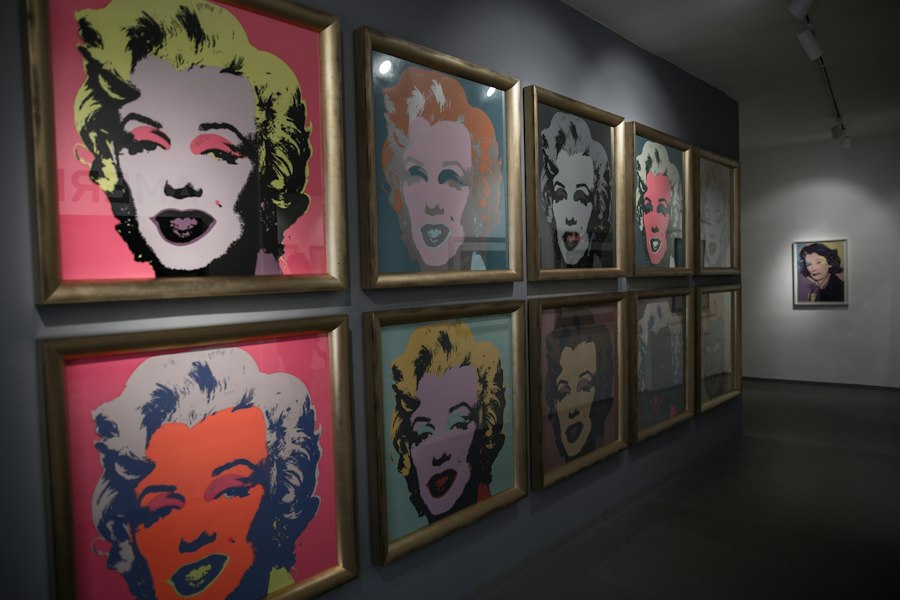
Throughout her life, Marilyn Monroe grappled with a profound longing for the familial connections she never truly had. Her marriages, though often sensationalized, were in many ways an extension of this deep-seated need for a stable family unit. She sought in husbands and in the idea of motherhood what had been denied to her in childhood, a consistent source of love, security, and identity. This quest, however, was fraught with challenges, as her own insecurities and the pressures of her fame often sabotaged her attempts to build the stable family life she so desperately desired. Her inability to have children also added another layer of profound grief and unmet longing to her life.
The Complexities of Her Marriages
Marilyn’s three marriages – to James Dougherty, Joe DiMaggio, and Arthur Miller – each represented a different facet of her search for family and belonging. Her first marriage, at a young age to a neighbor, was a pragmatic decision to escape the foster care system and a potential return to her mother’s care. While it offered a temporary sense of stability, it was ultimately short-lived as her burgeoning acting career took precedence. Her marriage to baseball legend Joe DiMaggio, a man of immense discipline and reserved public persona, was a union of two iconic figures. Despite its brevity, their relationship was marked by genuine affection, though DiMaggio struggled with Marilyn’s demanding career and public scrutiny. Her marriage to playwright Arthur Miller, arguably the most intellectually stimulating of her unions, represented a desire for a partnership rooted in shared ideas and artistic collaboration. However, the immense pressure of their lives, coupled with Miller’s own struggles and the public’s intense focus on their relationship, ultimately proved too much. These marriages, while failing to provide the enduring familial solace she craved, offered glimpses of the love and companionship she so desperately sought.
The Unfulfilled Dream of Motherhood
Perhaps one of the most poignant aspects of Marilyn Monroe’s private history is her deep and unfulfilled desire for motherhood. Despite her public image as a glamorous sex symbol, she yearned for the simple joys of raising a family. She experienced several miscarriages and ectopic pregnancies throughout her adult life, each loss a devastating blow that amplified her sense of personal failure and deepened her emotional pain. The inability to carry a pregnancy to term was a source of immense sorrow, further isolating her and intensifying her feelings of being somehow fundamentally flawed. This unmet longing for a child cast a long shadow over her later years, a constant reminder of a fundamental aspect of human experience that was tragically denied to her.
The Enduring Legacy: Beyond the Blonde Bombshell
Marilyn Monroe’s legacy extends far beyond her iconic status as a sex symbol. Her life story, with its interwoven threads of vulnerability, resilience, and artistic ambition, continues to fascinate and inspire. The unveiling of her private family history enriches our understanding of her, humanizing the legend and revealing the profound impact of her early life experiences on her artistry and her personal struggles. Her intelligence, her dedication to her craft, and her keen understanding of the power of performance are often overlooked in favor of her image, but it is precisely this multi-faceted nature that ensures her enduring relevance.
A Complex Artistic Talent
While often typecast, Marilyn Monroe possessed a remarkable talent for acting, a depth and nuance that transcended her limited roles. She was not merely a pretty face; she was a keen observer of human behavior and a dedicated performer who strived for authenticity in her portrayals. Her comedic timing was impeccable, and she could convey profound emotional vulnerability with a subtle glance or a perfectly delivered line. Her work in films like “Some Like It Hot,” “All About Eve,” and “The Misfits” showcases a range and intelligence that defied the superficial image the studios often projected. She was deeply invested in understanding her characters and bringing them to life, demonstrating a commitment to her craft that was often underestimated.
The Symbol of Vulnerability and Strength
Marilyn Monroe remains an enduring symbol of both vulnerability and strength. Her life story is a testament to the enduring impact of childhood trauma and the immense courage it takes to navigate a world that often seeks to define and confine individuals. She bravely confronted her personal demons, sought solace in therapy, and continued to pursue her dreams despite immense personal challenges. Her openness about her struggles with anxiety and depression, though often sensationalized, paved the way for greater understanding and destigmatization of mental health issues. She became a symbol for those who felt unseen, unheard, or misunderstood, resonating with a universal human experience of striving for love and acceptance. Her legacy lies not just in her beauty or her fame, but in the complex tapestry of her humanity, a reminder that even those who shine the brightest often carry the deepest shadows.
Marilyn Monroe’s private family history has long been a subject of intrigue, revealing the complexities of her upbringing and personal relationships. For those interested in exploring how personal histories can influence public personas, a fascinating article discusses the impact of decision-making in various contexts, which can be related to understanding the choices made by iconic figures like Monroe. You can read more about this topic in the article on decision-making processes.
The Unresolved Mysteries and Enduring Enigma
| Category | Details |
|---|---|
| Birth Name | Norma Jeane Mortenson |
| Date of Birth | June 1, 1926 |
| Place of Birth | Los Angeles, California, USA |
| Mother | Gladys Pearl Baker |
| Father | Unknown (believed to be Charles Stanley Gifford) |
| Mother’s Mental Health | Struggled with mental illness, institutionalized multiple times |
| Childhood | Spent time in foster homes and an orphanage |
| Half-Siblings | Berniece Baker Miracle (maternal half-sister) |
| Marriages | James Dougherty, Joe DiMaggio, Arthur Miller |
| Children | None |
Despite decades of research and countless biographies, the full story of Marilyn Monroe’s life, particularly the intricate details of her private family history, remains somewhat of an enigma. The inconsistencies in her early life, the gaps in information about her biological father, and the lingering questions surrounding her final days contribute to an enduring sense of mystery. It is this very complexity, this blend of public adoration and private struggle, that continues to captivate us. Her personal narrative, marked by both profound loss and extraordinary achievement, serves as a powerful reminder of the human condition and the enduring quest for identity and belonging. The unveiled aspects of her family history only deepen the fascination, providing crucial context for the icon she became, while simultaneously reminding us of the personal cost of her extraordinary journey. The unresolved aspects of her life, while perhaps frustrating to some, are also an integral part of her enduring appeal. She remains a figure who invites contemplation, a star whose light, though extinguished far too soon, continues to illuminate the complexities of human experience.

Marilyn Monroe’s Birth Certificate Named One Man. DNA Pointed to Another
FAQs
1. Who were Marilyn Monroe’s parents?
Marilyn Monroe’s parents were Gladys Pearl Baker and Martin Edward Mortensen. Gladys later changed her last name to Baker after divorcing Martin.
2. Did Marilyn Monroe have any siblings?
Yes, Marilyn Monroe had two half-siblings from her mother’s previous marriage: Robert and Berniece Baker Miracle.
3. What was Marilyn Monroe’s childhood like?
Marilyn Monroe’s childhood was marked by instability and hardship. She spent much of her early years in foster homes and orphanages due to her mother’s struggles with mental health issues.
4. Did Marilyn Monroe have any children?
No, Marilyn Monroe did not have any children. She experienced several miscarriages and struggled with fertility issues throughout her life.
5. What is known about Marilyn Monroe’s relationship with her family?
Marilyn Monroe had a complicated relationship with her family, particularly her mother. Despite the challenges they faced, Marilyn remained close to her half-sister Berniece throughout her life.