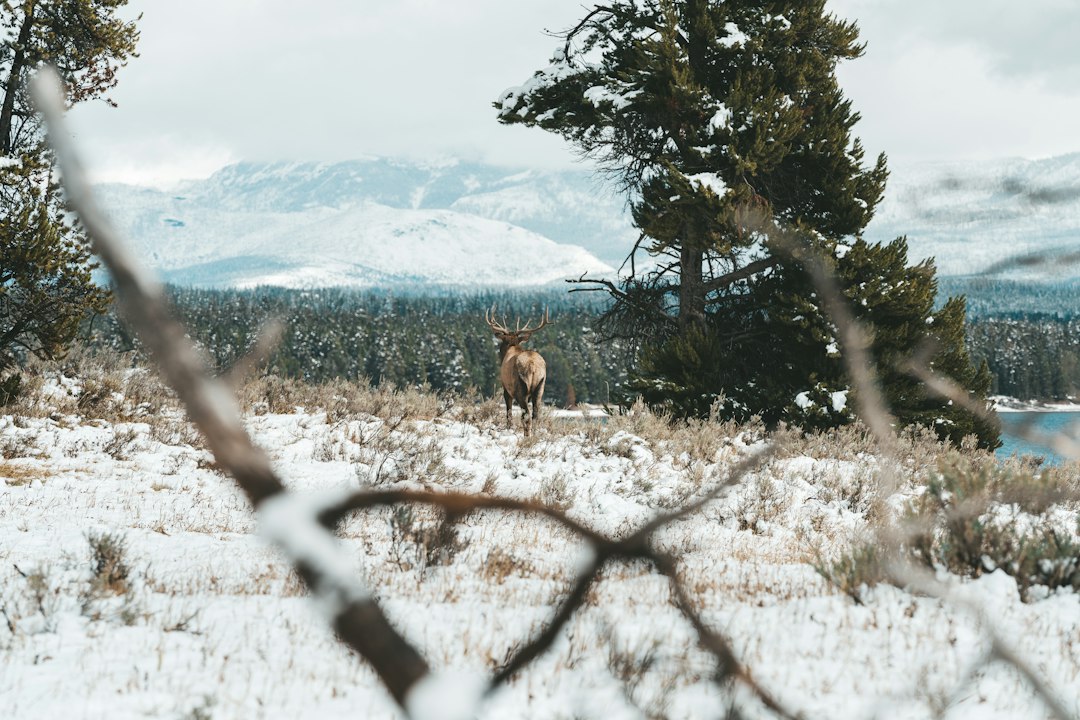
Thinking about heading out for a hunt as the temperatures drop and the landscape changes? Winter hunting can be incredibly rewarding, but it definitely requires a different approach than chasing game in warmer months. The key to success when the snow starts flying isn’t just about having the right gear, though that’s a big part of it. It’s really about digging into some smart planning to make sure your time and effort pay off.
Understanding Winter’s Impact on Wildlife
Before you even think about packing your bag, it’s crucial to get a handle on how winter affects the animals you’re hoping to pursue. Their behavior, movement patterns, and even their physical condition shift dramatically when the cold sets in. Understanding these changes is the first step towards building a successful hunting strategy.
Foraging and Food Sources
When snow blankets the ground, readily available food sources can disappear overnight. This forces animals to adapt, and their movements become dictated by where they can find sustenance.
Deciduous Forest Dwellers
For species like deer, the loss of leaves means a significant reduction in easily accessible forage. They’ll rely more on browse – twigs, buds, and bark – from woody plants. Areas with thickets of dogwood, willow, or red osier dogwood become prime locations. Look for areas where the snow has been disturbed, indicating recent feeding activity. Even fallen mast like acorns can remain a food source if not deeply buried.
Open Field and Meadow Grazers
Animals that typically graze in open fields, such as certain upland birds or even rabbits, will have their options limited. They might congregate in areas with thinner snow cover or where hardy grasses and residual vegetation poke through. Consider agricultural fields that haven’t been completely cleared, or areas with natural windbreaks that help keep snow lighter.
Prey and Predator Dynamics
Winter can also alter predator-prey relationships. Predators may become more concentrated around remaining food sources, and prey animals might seek out areas that offer better cover or escape routes. If you’re hunting a predator, understanding where its prey is likely to be is your key. If you’re hunting prey, knowing where predators are active can help you avoid dangerous situations or even use that knowledge to your advantage by anticipating animal movements.
Water Sources
Finding open water in winter can be a challenge. Rivers and streams might be partially frozen, and smaller water holes can be inaccessible. Animals will often gravitate towards areas where water remains unfrozen, such as springs, faster-flowing sections of rivers, or even areas where snowmelt creates temporary puddles. Monitoring these key spots can reveal concentrated animal activity.
Animal Physiology and Energy Conservation
When it’s cold, animals have to expend more energy just to stay warm. This means they often conserve energy by being less active, particularly during the coldest parts of the day. They’ll also tend to stay closer to sheltered areas and their food sources. Understanding this energy conservation behavior is vital; you’re less likely to find animals on the move aimlessly when they’re trying to preserve body heat.
When planning a better hunting strategy in winter, it’s essential to consider various factors such as animal behavior, weather conditions, and the right gear. For a deeper understanding of how economic factors can influence hunting seasons and wildlife management, you might find it interesting to read an article on the economic importance of Mexico for the US. This article provides insights that can help hunters understand broader environmental impacts and resource management. You can read it here: Economic Importance of Mexico for the US.
Adapting Your Hunting Tactics for Winter Conditions
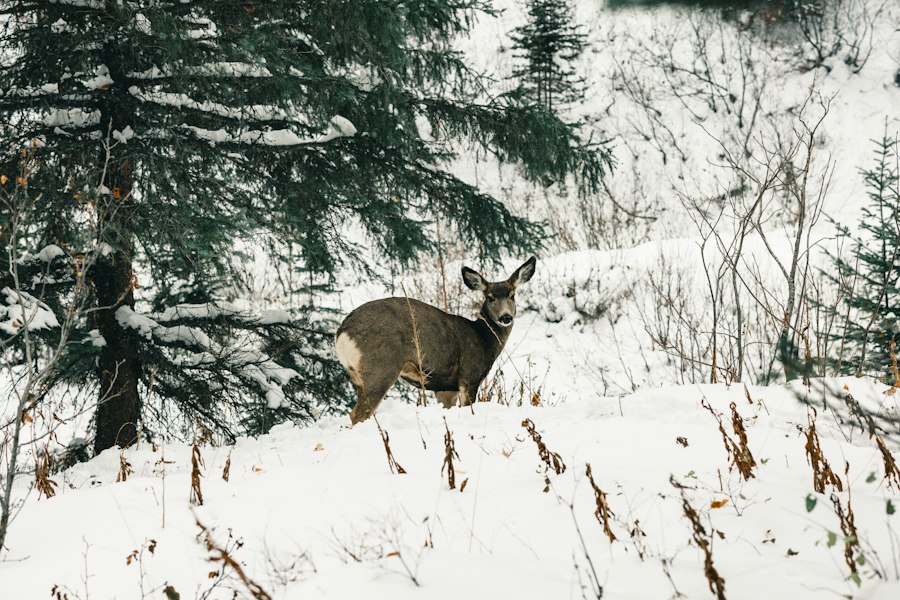
Once you understand how the environment affects the animals, you can begin to fine-tune your hunting tactics. This involves more than just adding layers to your clothing.
Stealth and Scent Control
Snow is a hunter’s best friend and worst enemy. It can alert animals to your approach with every crunch, but it also muffles sound, making your movements harder to detect if you’re careful.
Minimizing Your Footprint
Walk softly and deliberately. Try to stick to game trails where snow might be more compacted, or seek out areas with softer snow to reduce noise. Breaking small twigs or disturbing branches can be amplified in the quiet winter air. Consider using gaiters to keep snow out of your boots and provide a more uniform contact with the ground.
Scent Awareness
When the air is cold, scents tend to hang lower and can travel further. This makes scent control even more critical. Wearing scent-blocking clothing, using scent-eliminating sprays, and being mindful of wind direction are paramount. Plan your approach so the wind is blowing from the animal towards you, rather than the other way around.
Utilizing Thermal Cover and Shelter
Animals will naturally seek out areas that offer protection from the wind and cold. Identifying these thermal cover zones is a tactical advantage.
Windbreaks and Sun Exposure
Look for north-facing slopes that are more exposed to the wind and snow, and consequently, animals will likely be on the opposite, south-facing slopes to gain the benefits of the sun’s warmth and shelter from the wind. Dense evergreen stands, thickets of brush, or even rock outcroppings can provide vital protection. If you know where animals are bedding down to conserve energy, you can set up your ambush points accordingly.
Water Source Proximity
As mentioned, water sources become critical. Animals will often bed down or feed near them, especially if the water remains unfrozen. Position yourself downwind and patiently observe these areas.
Adjusting Your Pace and Timing
Winter often dictates a slower, more deliberate pace. Animals are less likely to be on the move during the harshest parts of the day.
Midday Activity
The warmest part of the day, typically mid-morning to early afternoon, is often when animals are most active. They might move to feed or travel to different bedding areas. This is when you should be most vigilant. Early mornings and late evenings, while still viable, might see less sustained movement compared to warmer seasons.
Patience is Key
Winter hunts often require extended periods of sitting and waiting. Dress warm enough to be comfortable, and choose your observation points carefully. Being able to stay put for longer periods increases your chances of encountering game when it decides to move.
Essential Gear for Winter Hunting Success
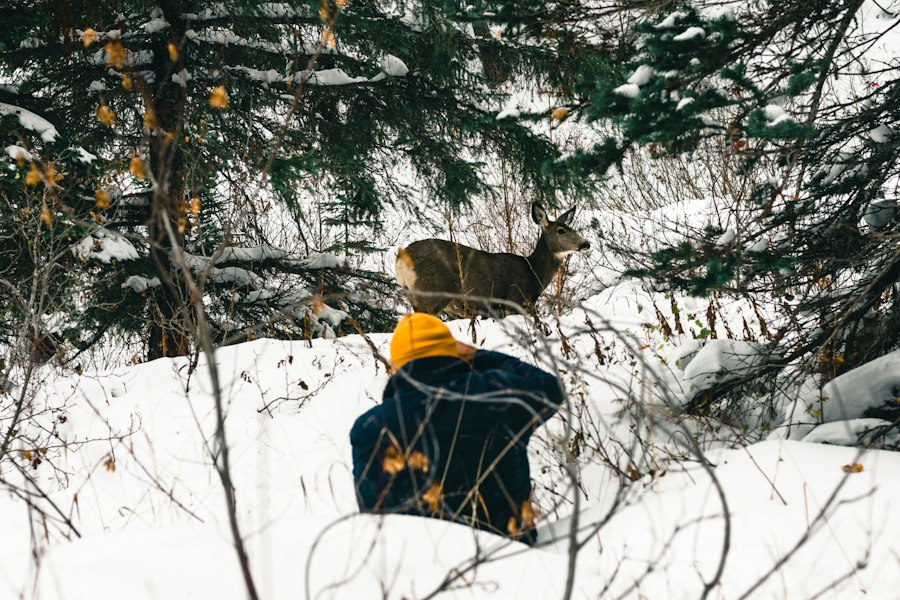
Your gear list for a winter hunt needs to be more robust and carefully considered than for a typical fall outing. Staying warm, dry, and comfortable is not just about personal preference; it’s about your ability to function and maintain focus.
Layering for Warmth and Adaptability
The key to winter layering is creating a system that traps heat while allowing you to shed layers as your activity level increases, preventing you from overheating and sweating.
Base Layers
These are your next-to-skin layers. Materials like merino wool or high-quality synthetics are excellent. They wick moisture away from your body, keeping you dry even if you sweat. Avoid cotton at all costs, as it holds moisture and will make you feel cold very quickly.
Mid Layers
These provide insulation. Fleece jackets, down vests, or synthetic insulated jackets are good choices. You might use one or multiple mid-layers depending on how cold it is and your activity level. The goal is to create air pockets that trap body heat.
Outer Shell
This is your protection against the elements. A waterproof and windproof jacket and pants are essential. Look for breathable materials so moisture vapor can escape. Features like adjustable hoods, pit zips for ventilation, and reinforced knees and seat are practical additions.
Footwear and Handwear
Extremities are the first to suffer in the cold. Properly insulated footwear and gloves are non-negotiable.
Boots
Insulated, waterproof boots are critical. Make sure they have enough room to accommodate thicker socks without being too tight, as tightness restricts circulation and leads to cold feet. Consider bringing an extra pair of dry socks to change into if your feet get damp.
Gloves and Mittens
Mittens are generally warmer than gloves because your fingers share heat. However, gloves offer more dexterity. Many hunters opt for a glove liner and a warmer outer mitten or glove. Hand warmers, both chemical and reusable types, can be a lifesaver.
Other Crucial Gear
Beyond clothing, several other items can significantly improve your winter hunting experience.
Optics
Binoculars and rangefinders can fog up in the cold. Look for models with anti-fog coatings. Consider keeping them in a pocket close to your body when not in use to minimize temperature fluctuations.
Hydration
It’s easy to forget to drink water when it’s cold, but dehydration can happen just as easily. Insulated water bottles or hydration reservoirs with insulated tubes are a must. If using a reservoir, blow the water back into the tube after each sip to prevent it from freezing.
Emergency Kit
Always carry a basic emergency kit. This should include fire-starting materials (waterproof matches, lighter, tinder), a first-aid kit, a multi-tool or knife, a headlamp with extra batteries, and high-energy snacks. A space blanket can be invaluable if you get caught out unexpectedly.
Advanced Scouting and Information Gathering
Winter hunting success often hinges on information gathered before you even step foot in the field. Animals behave differently, and their locations can be more predictable if you know where to look for clues.
Analyzing Snow Cover and Conditions
The snow itself provides a wealth of information. Its depth, texture, and the presence of ice crusts all influence animal movement.
Tracking Conditions
Fresh snowfall after a mild day can be ideal for tracking. You can often see where animals have moved, what they’ve been eating, and how frequently they’ve traveled. Look for signs of disturbance in the snow – tracks, disturbed vegetation, or droppings.
Ice and Crusts
Hard, icy crusts can make it difficult for animals to forage, pushing them towards areas with softer snow or exposed food. This can create concentrated feeding zones. Conversely, animals might struggle to move through deep, soft snow, preferring to stick to packed trails or wind-blown areas.
Utilizing Technology for Winter Scouting
Modern technology offers some unique advantages for winter scouting.
Trail Cameras
Even in winter, trail cameras can provide valuable insights into animal movement patterns. Place them strategically near food sources, water, or travel corridors. Reviewing the footage can help you pinpoint active areas and ideal times for hunting. Ensure your cameras are rated for cold temperatures and consider battery life in sub-zero conditions.
Online Mapping and Satellite Imagery
Detailed topographic maps and satellite imagery can help you identify potential winter habitats. Look for south-facing slopes, dense evergreen stands, and areas adjacent to food sources. These can be your starting points for on-the-ground scouting.
Understanding Game Management Areas and Regulations
Winter seasons often have specific regulations, and game management areas might have different access rules or quotas.
Season Dates and Bag Limits
Always double-check the specific season dates and bag limits for the species you are targeting in your particular region. Winter seasons can be shorter or have stricter regulations.
Access and Permits
Some areas might have limited access due to snow or require special permits for winter use. Planning ahead for any necessary permits or understanding road closures is essential.
When planning a better hunting strategy in winter, it’s essential to consider various factors such as animal behavior, weather conditions, and terrain. A related article that delves into the intricacies of effective planning can be found at this link. Understanding these elements can significantly enhance your chances of a successful hunt during the colder months, allowing you to adapt your approach based on the unique challenges winter presents.
Post-Hunt Analysis and Continuous Improvement
| Metric | Description | Recommended Value/Range | Notes |
|---|---|---|---|
| Temperature (°F) | Average daily temperature during hunting period | 20 – 40°F | Optimal for tracking animal movement and scent preservation |
| Snow Depth (inches) | Depth of snow cover in hunting area | 2 – 6 inches | Moderate snow helps reveal tracks without hindering movement |
| Wind Speed (mph) | Average wind speed affecting scent and noise | 5 – 15 mph | Wind direction critical for scent control; avoid strong gusts |
| Daylight Hours | Available daylight for hunting activities | 8 – 10 hours | Plan hunts during peak animal activity times (dawn/dusk) |
| Animal Movement Patterns | Typical routes and feeding areas in winter | Near water sources and sheltered areas | Use trail cameras to identify hotspots |
| Camouflage Effectiveness | Suitability of clothing and gear for winter terrain | White or snow-patterned camo | Helps blend into snowy environment to avoid detection |
| Hunting Gear Preparedness | Availability of winter-specific equipment | Insulated boots, gloves, and scent control products | Essential for comfort and stealth in cold conditions |
The hunt doesn’t end when you pack up your gear. Analyzing your successes and failures is crucial for becoming a consistently better hunter.
Reviewing Your Strategy
Take time after each outing to reflect on what worked and what didn’t.
What Went Right?
Did you predict animal movement correctly? Was your chosen ambush point effective? Did your gear perform as expected? Documenting these successes helps you replicate them in the future.
What Went Wrong?
Were you too cold? Did you miss an opportunity due to poor positioning? Was your scent control inadequate? Identifying these areas for improvement is where real learning happens. Don’t dwell on failures, but use them as lessons.
Documenting Your Hunts
Keeping a hunting journal is an invaluable tool, especially for winter.
Log Entries
Record the date, time, location, weather conditions (temperature, wind, precipitation, snow depth), species observed, signs of game (tracks, scat, feeding areas), and your actions. Note any significant observations about animal behavior.
Gear Performance
Make notes on how your gear performed. Did your boots stay warm? Did your gloves provide enough dexterity? Was your pack comfortable? This information will inform your future gear purchases and adjustments.
Adapting for the Next Season
Use the knowledge gained from your winter hunts to inform your planning for future seasons, including next winter.
Identifying Patterns
Over time, you’ll start to see patterns in animal behavior and habitat use specific to your hunting grounds during winter. These insights are gold for future hunts.
Refining Your Skills
Winter hunting often demands a higher level of patience, discipline, and adaptability. Continually honing these skills will make you a more successful hunter year-round. By treating each winter hunt as a learning opportunity, you build a robust strategy for consistent success.

Life 20,000 Years Ago | When Your Ice Age Family Can’t Feed the Dog
FAQs
What are the key factors to consider when planning a winter hunting strategy?
When planning a winter hunting strategy, key factors to consider include weather conditions, animal behavior, terrain, camouflage, and the availability of food sources. Understanding how cold temperatures affect animal movement and feeding patterns can help hunters choose the best times and locations for hunting.
How does animal behavior change in winter compared to other seasons?
In winter, many animals tend to conserve energy due to the cold and reduced food availability. This often leads to changes in their movement patterns, with some species becoming more nocturnal or congregating around food sources. Hunters should adapt their strategies to account for these behavioral shifts.
What types of gear are essential for winter hunting?
Essential gear for winter hunting includes insulated clothing, waterproof boots, gloves, and hats to maintain warmth. Additionally, hunters should consider using thermal layers, hand warmers, and quality optics to enhance visibility in snowy conditions. A reliable hunting rifle or bow suited for winter conditions is also crucial.
How can hunters effectively track animals in snowy conditions?
Tracking animals in snowy conditions can be done by looking for tracks, droppings, and other signs of wildlife activity. Fresh tracks are easier to identify in snow, and hunters should pay attention to the direction of travel and any signs of feeding or bedding areas. Using a tracking dog can also enhance success in locating game.
What safety precautions should be taken while hunting in winter?
Safety precautions for winter hunting include dressing in layers to prevent hypothermia, staying hydrated, and being aware of the signs of frostbite. Hunters should also inform someone of their plans, carry a first aid kit, and be cautious of ice conditions if hunting near water. It’s important to have a reliable means of communication in case of emergencies.