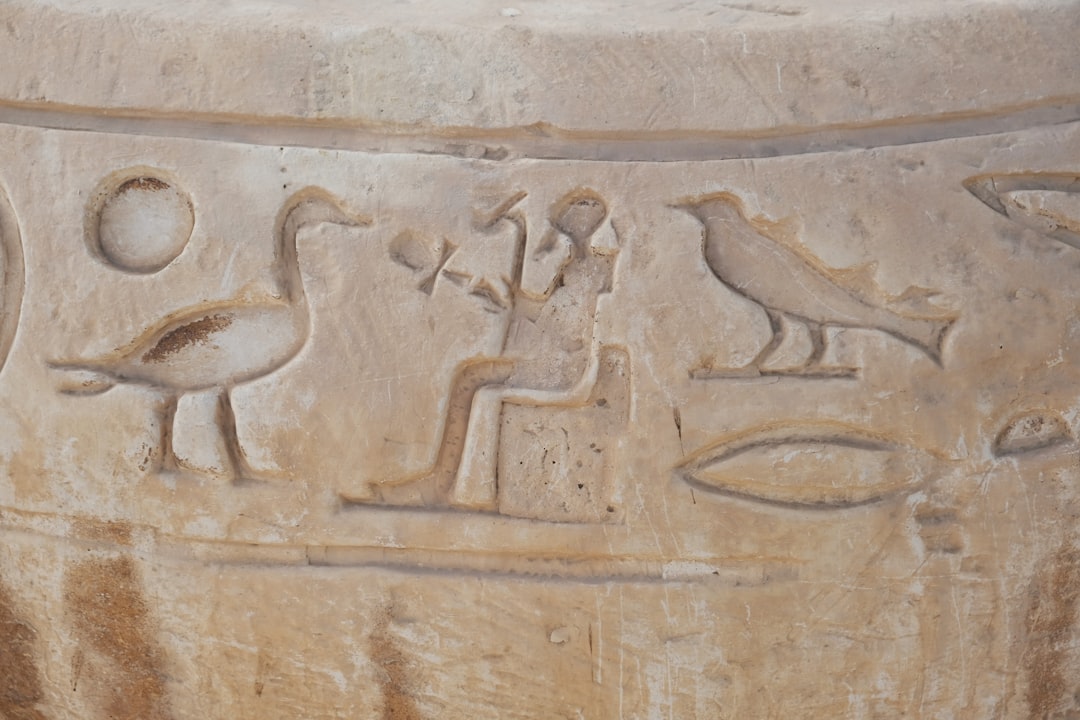
The arid winds of Egypt have forever whispered tales of a civilization that mastered the earth’s most stubborn material, stone, shaping it into enduring monuments that defy the relentless march of time. From the colossal pyramids of Giza to the intricate carvings within the temples of Karnak, the ancient Egyptians’ precision stonework is a testament to their ingenuity, deep understanding of engineering, and an almost spiritual reverence for craftsmanship. To truly comprehend this remarkable feat is to delve into the very foundations of their society, their tools, and their unwavering pursuit of perfection.
The ancient Egyptians did not merely quarry and shape stone; they imbued it with meaning, a sacred geometry that echoed the cosmos and the divine order they revered. Their choice of stone was not arbitrary. Granite, hard and unyielding, was reserved for the most sacred and enduring structures, such as sarcophagi, obelisks, and the king’s chambers within pyramids. Limestone, more easily workable, was the ubiquitous material for the bulk of their temples and pyramids, its surface later plastered and painted with vibrant narratives. Sandstone, particularly prevalent in the later periods, offered a finer grain for intricate reliefs and statues.
Understanding Material Properties
The Egyptians demonstrated a sophisticated understanding of the inherent properties of each stone. They knew how to identify flaws, stress points, and the best angles for cutting and splitting. This knowledge, passed down through generations, was crucial in selecting suitable blocks for specific purposes. For instance, the sheer weight and stability required for the massive casing stones of the Great Pyramid necessitated the selection of fine-grained, evenly textured limestone.
The Role of Mathematics and Astronomy
While precise mathematical formulas as we understand them were not explicitly documented, the Egyptians’ ability to construct perfectly angled and aligned structures suggests a mastery of geometric principles. The remarkable accuracy of the pyramids’ alignment with the cardinal directions, and the precise geometrical ratios found in their construction, point to a deep integration of astronomical observation and mathematical application. They understood concepts of right angles, plumb lines, and likely employed methods akin to rudimentary surveying to achieve such incredible precision.
Symbolism and Sacred Power
Beyond their practical applications, stones carried immense symbolic weight. The pyramids themselves, as stairways to the heavens or representations of the primeval mound of creation, were crafted from stones that aligned with their cosmological beliefs. The solidity and permanence of stone were seen as mirroring the eternal nature of the gods and the afterlife. Every quarrying, shaping, and placement was, in a sense, a ritualistic act, contributing to the sacred power of the finished monument.
Ancient Egypt is renowned for its remarkable precision stonework, which continues to fascinate historians and archaeologists alike. The techniques employed by ancient craftsmen to create such intricate structures raise questions about their tools and methods. For those interested in exploring the broader implications of precision and technology in historical contexts, a related article discusses the role of private companies in military space infrastructure, highlighting how modern advancements echo the ingenuity of ancient civilizations. You can read more about it here: Private Companies’ Role in Military Space Infrastructure.
Quarrying the Unyielding Earth
The process of extracting massive stone blocks from the earth was a monumental undertaking, requiring immense labor, ingenuity, and a profound understanding of the principles of leverage and force. The Egyptians mastered this art, transforming barren rock faces into sources of material that would define their civilization for millennia.
The Art of the Copper and Bronze Tool
The primary tools of Egyptian stonemasons were crafted from copper and later bronze. While these metals are softer than the stones they worked, through careful technique and the use of abrasives, they proved surprisingly effective.
Chisels and Hammers
Stone chisels, often tipped with copper or bronze, were used to score and chip away at the rock. These were struck with heavy pounding stones, sometimes made of dolerite, a much harder igneous rock. The iterative process of chiseling and pounding would slowly create a groove, gradually isolating the desired block.
Wedges and Water
For larger blocks, particularly in sandstone and limestone, the Egyptians employed a clever technique involving wooden wedges. Grooves were cut into the rock, and dry wooden wedges were inserted. Water was then poured onto the wedges, causing them to expand and split the rock along the predetermined lines. This method, requiring patience and careful observation, allowed for the extraction of remarkably large and uniform blocks.
Dolerite Pounders
The use of dolerite pounders was essential for dressing and shaping harder stones like granite. These heavy, spherical stones were used to repeatedly strike the rock surface, gradually grinding it down and smoothing it. The sheer physical effort involved in this process is almost unimaginable.
Open-Pit and Underground Quarries
The Egyptians utilized both open-pit quarrying, where the stone was accessible from the surface, and underground quarrying for certain types of rock or to achieve specific block sizes. These underground quarries, often expanding from existing natural fissures, would have been dark, cramped, and dangerous environments, further highlighting the skill and bravery of the laborers.
Transportation and Logistics
Once quarried, the immense task of transporting these massive blocks began. This often involved dragging them on wooden sledges over prepared tracks, lubricated with water or Nile mud to reduce friction. Teams of hundreds, even thousands, of laborers would have been required for the largest stones, their coordinated effort a marvel of human organization. Rivers, particularly the Nile, played a crucial role in transporting quarried stone over long distances, enabling the construction of monumental projects far from their original source.
Shaping Stone: The Sculptor’s Embrace
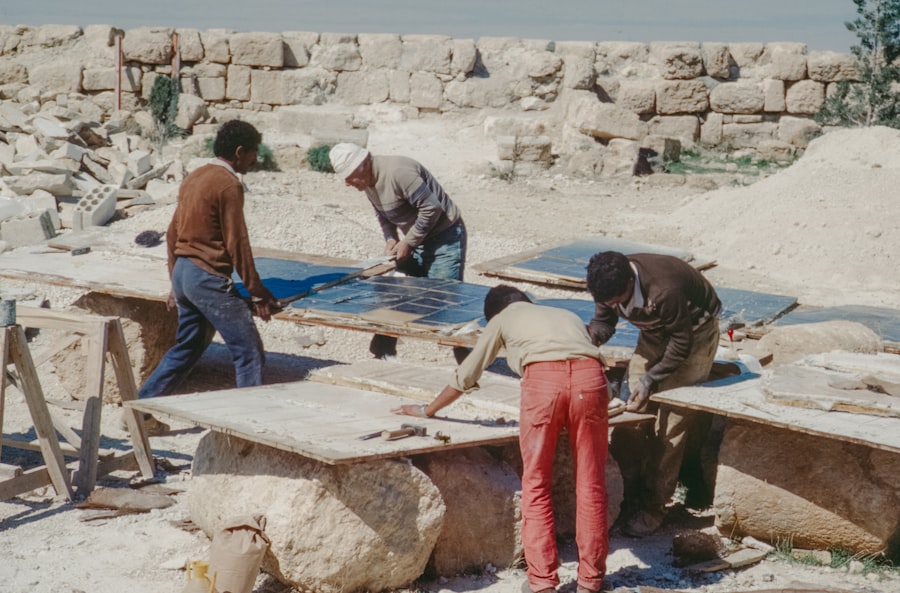
The transformation of raw quarried blocks into the polished, intricately carved works of art that adorn Egyptian monuments was a masterclass in patience, precision, and artistic vision. This stage, where the inanimate stone took on form and narrative, was where the true artistry of the ancient Egyptians shone brightest.
The Dremel of Antiquity: Abrasives and Smoothing
While they lacked modern powered tools, the Egyptians were masters of abrasive techniques. Sand, ground minerals like quartz, and even crushed emery were used in conjunction with tools and water to grind, polish, and smooth stone surfaces to an incredible degree. This was a laborious process, but it resulted in the almost flawless finishes seen on many artifacts.
The Art of the Inlay and Relief Carving
The Egyptians excelled at both high and low relief carving, as well as intricate inlay work.
Bas-Relief and Haut-Relief
Bas-relief, where the design is raised slightly from the background, and haut-relief, where it projects more prominently, were common. The meticulous outlining of figures, the careful removal of surrounding stone, and the attention to detail in rendering musculature, drapery, and facial features are astounding. The smooth transitions between sculpted elements and the background create a sense of depth and dynamism.
Intricate Inlays
The Egyptians were also skilled in inlaying different colored stones, glass paste, or precious metals into carved recesses. This technique added vibrant visual complexity and highlighted specific elements of a design. The precise fitting of these disparate materials speaks to an incredible level of craftsmanship and planning.
The Illusion of Movement and Life
Through subtle angling, precise detailing, and an understanding of human and animal anatomy, Egyptian stonemasons could imbue their static creations with a sense of movement and life. The rigid poses of many statues were often contrasted with the subtle curvature of a body, the tension in a raised arm, or the lifelike gaze of carved eyes. This ability to capture the essence of their subjects, even in stone, is a hallmark of their artistic genius.
Tools of Precision: The Mason’s Arsenal
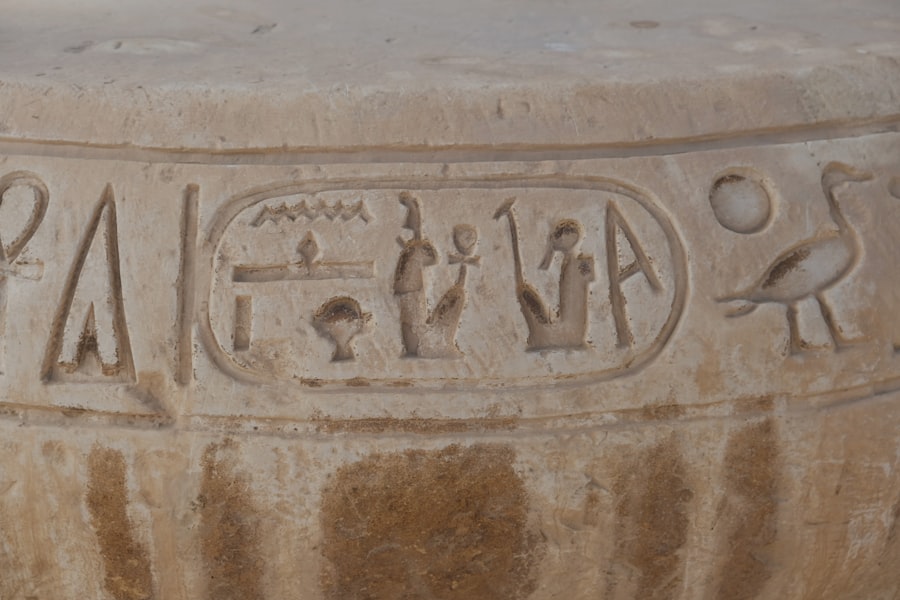
The seemingly effortless perfection of ancient Egyptian stonework belies the sophisticated, albeit simple, toolkit employed by their artisans. These were not crude implements but finely honed instruments, wielded with exceptional skill and knowledge.
The Power of the Simple Lever and Fulcrum
The fundamental principles of leverage and the fulcrum were extensively utilized. Wooden levers, combined with strategically placed fulcrums, allowed workers to manipulate and position massive stone blocks with surprising control. This was essential both in quarrying and in the final placement of monumental stones.
Measuring and Marking Instruments
While not as elaborate as modern surveying equipment, the Egyptians possessed accurate measuring and marking tools.
Plumb Bobs and Levels
Plumb bobs, weighted strings that indicate verticality, were crucial for ensuring that walls and columns were perfectly upright. Simple wooden levels, often based on the principle of a water surface, would have been used to ensure horizontal accuracy. The remarkable levelness of pyramid bases and temple floors is a testament to the efficacy of these tools.
Squares and Measuring Rods
Right angles were achieved using L-shaped squares, often made from wood or metal. Measuring rods of standardized lengths allowed for consistent dimensions and proportional accuracy in construction. The meticulous replication of architectural elements across vast temple complexes suggests a reliance on these standardized measuring tools.
The Importance of Abrasive Powders
As mentioned previously, abrasive powders were not just for smoothing but also played a vital role in cutting. By introducing sand or quartz into the cutting grooves, the relatively soft copper or bronze tools acted as an abrasive delivery system, effectively grinding away the harder stone. This ingenious approach magnified the effectiveness of their metal tools.
The Role of Water in Stone Cutting
Water was not just a lubricant for sledges; it was also an integral part of the cutting process. As abrasives were used, water helped to wash away debris, prevent overheating, and maintain the efficiency of the cutting action. For certain stone types, judicious use of water could also influence the fracturing process, aiding in controlled splitting.
Ancient Egypt is renowned for its remarkable achievements in precision stonework, which continue to intrigue historians and archaeologists alike. The techniques used to create these monumental structures have sparked numerous theories about the advanced knowledge possessed by the ancient Egyptians. For those interested in exploring this topic further, a fascinating article titled “Unlocking the Mysteries of Lost Tech” delves into the various aspects of ancient technologies, including the methods behind the impressive stonework. You can read more about it here.
The Legacy of the Granite Masters
| Aspect | Metric |
|---|---|
| Stone Cutting | Tolerance of less than 1/100th of an inch |
| Alignment | Perfect alignment of stones without mortar |
| Surface Finish | Smooth and flat surfaces with precision |
| Joinery | Interlocking joints with high precision |
The enduring legacy of ancient Egyptian stonework lies not only in the physical monuments they left behind but also in the profound lessons they offer about human capability, perseverance, and the pursuit of excellence. Their mastery of stone was a cornerstone of their civilization, a physical manifestation of their beliefs, their organizational prowess, and their enduring quest for immortality.
A Timeless Standard of Craftsmanship
The precision with which the ancient Egyptians quarried, shaped, and assembled their stone constructions remains a benchmark for craftsmanship. The near-perfect joints in their masonry, the intricate details of their carvings, and the sheer scale of their achievements continue to inspire awe and wonder.
Lessons in Engineering and Project Management
The logistical challenges of moving colossal stones, coordinating vast labor forces, and executing incredibly complex architectural plans offer invaluable insights into ancient engineering and project management strategies. Their ability to conceive and execute such ambitious endeavors with the tools and knowledge available to them is a testament to their advanced understanding of physics and organization.
The Spiritual Dimension of Material
Perhaps the most profound lesson lies in their understanding of stone as more than just raw material. For the Egyptians, stone was imbued with spiritual significance, a vehicle for connecting with the divine and ensuring the eternal continuation of life. This spiritual dimension undoubtedly fueled their dedication to perfection, transforming what could have been mere labor into an act of profound devotion.
The ancient Egyptians did not simply build with stone; they woven it into the fabric of their existence, creating a language of permanence that continues to speak to us across the millennia. Their precision stonework is not just an archaeological curiosity; it is a profound testament to the enduring power of human ingenuity, dedication, and the pursuit of a perfection that, in stone, truly endures.

Ancient Egypt’s Greatest Engineering Mystery
FAQs
What is precision stonework in ancient Egypt?
Precision stonework in ancient Egypt refers to the highly accurate and intricate stone-cutting and fitting techniques used by ancient Egyptian craftsmen to create structures such as pyramids, temples, and statues.
How did ancient Egyptians achieve precision stonework?
Ancient Egyptians achieved precision stonework through the use of copper and bronze tools, such as chisels, saws, and drills. They also utilized a technique called “pecking and grinding” to shape and smooth the surfaces of the stones.
What are some examples of precision stonework in ancient Egypt?
Examples of precision stonework in ancient Egypt include the construction of the Great Pyramid of Giza, the precision-cut blocks used in the construction of temples at Karnak and Luxor, and the finely carved statues and obelisks found throughout the ancient Egyptian landscape.
Why was precision stonework important in ancient Egypt?
Precision stonework was important in ancient Egypt because it allowed for the construction of durable and long-lasting structures that were not only functional but also served as symbols of the pharaoh’s power and the Egyptian civilization’s advanced engineering and architectural capabilities.
What impact did precision stonework have on ancient Egyptian society?
The precision stonework in ancient Egypt had a significant impact on society by showcasing the advanced skills and knowledge of the ancient Egyptian craftsmen, contributing to the development of monumental architecture, and leaving a lasting legacy of awe-inspiring structures that continue to fascinate and inspire people around the world.